The Ultimate Secret Menu: Restaurants Where You Forage Your Own Dinner (Locals Don't Want You to Know!)
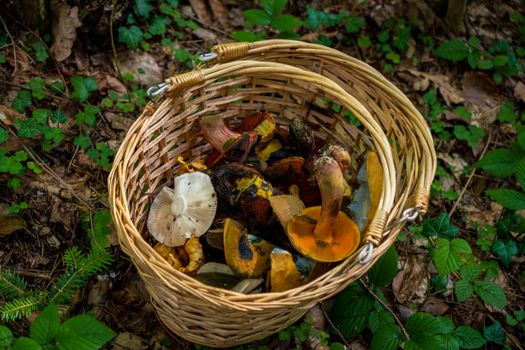
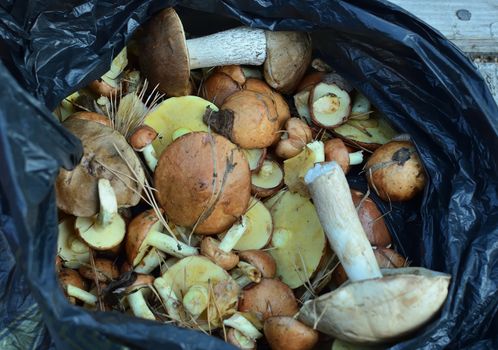
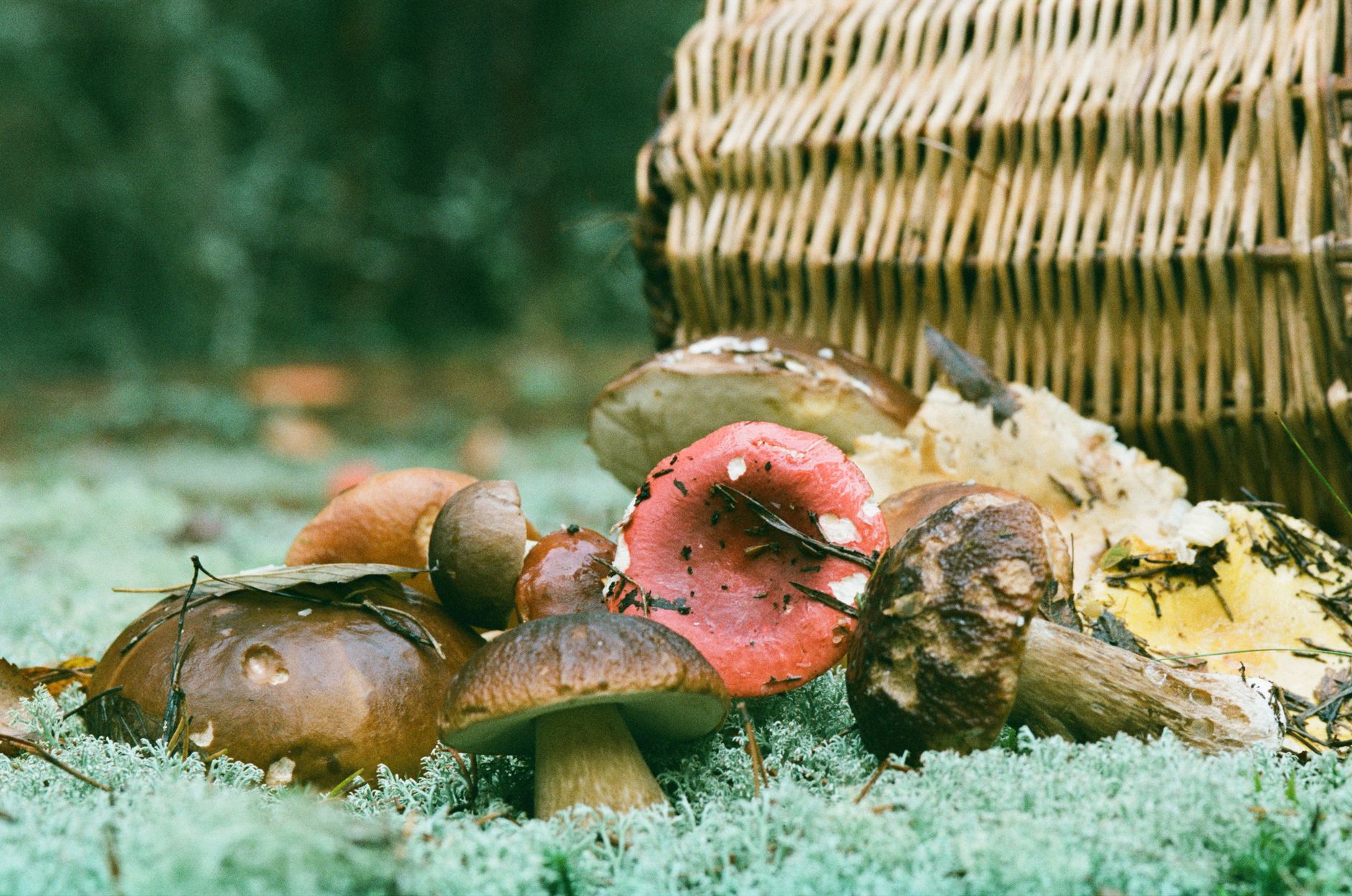
The sun was barely kissing the horizon, painting the Tuscan hills in hues of gold and rose. I, however, wasn't admiring the view from a vineyard terrace, glass of Chianti in hand. Instead, I was knee-deep in dewy grass, eyes peeled, a wicker basket clutched tight, following a wiry old woman named Nonna Emilia. She moved with the grace of a forest sprite, occasionally pointing a gnarled finger at a cluster of wild chicory, a patch of pungent wild garlic, or a hidden boletus mushroom peeking shyly from under a fallen oak leaf. "This," she whispered in broken English, "is the real taste of Italia. Not from the market, but from the heart of the land."
That evening, the chicory was sautéed with olive oil and garlic, the wild garlic infused into a creamy risotto, and the boletus, sliced thinly, became the star of a simple but profoundly delicious antipasto. It was a meal born not just from a kitchen, but from an entire afternoon of discovery, guided by a woman whose knowledge of the land was as deep as the roots of the ancient olive trees surrounding her trattoria. It was a meal that locals, protective of their traditions and their quiet corners of gastronomic heaven, rarely share with outsiders.
And that, my fellow travelers, is the magic I'm here to unveil. Forget "farm-to-table"; we're talking "forest-to-fork," "sea-to-supper," "mountain-to-mouth." This isn't just about eating a meal; it's about connecting with the land, the culture, and the very essence of a place in a way that very few tourists ever get to experience. These are the hidden gems, the whispered recommendations, the culinary adventures that redefine what it means to truly taste a destination. And yes, they require a bit more effort than booking an OpenTable reservation, but trust me, the reward is immeasurable.
The Philosophy of the Wild Feast: More Than Just a Meal
In an age of globalized ingredients and mass-produced everything, the act of foraging feels like a radical rebellion. It’s a return to ancient practices, a celebration of hyper-localism, and a powerful statement about sustainability. When you forage for your food, you're not just selecting ingredients; you're learning about an ecosystem, understanding seasonality, and engaging with the land on an intimate level.
This movement goes beyond a fleeting trend. It's a deep dive into the culinary soul of a region, often led by chefs who are also botanists, naturalists, and storytellers. They understand that the most exquisite flavors aren't found in a supermarket aisle but are hidden in plain sight, waiting to be discovered by those with patience and an open mind. The connection you forge—with the guide, with nature, with the food itself—transforms dining into an immersive, educational, and deeply personal journey. It’s about respect for nature’s bounty, ensuring ethical harvesting, and savoring flavors that are genuinely unique to that specific time and place.
My Unforgettable Coastal Quest: A Taste of the Wild Atlantic
One of my most cherished foraging memories takes me to the rugged coast of County Clare, Ireland. The air was crisp with the scent of salt and peat, and the Atlantic waves crashed against ancient cliffs. My guide, a jovial local fisherman turned seaweed expert named Liam, led our small group along the rocky shore. "Forget your kale," he boomed, "the ocean is the original superfood!"
Liam taught us to identify various types of edible seaweed: crimson dulse, nutrient-rich kelp, delicate sea lettuce, and the intensely savory carrageen moss. He showed us how to harvest responsibly, taking only what we needed, leaving the rootstock intact for regeneration. The cold spray of the ocean on my face, the thrill of finding a perfect frond of dulse, the shared laughter as we navigated slippery rocks – it was an adventure in itself.
Later, at a tiny, whitewashed cottage restaurant perched precariously above the bay (let's call it "The Salty Siren," a name Liam uses affectionately), our foraged treasures were transformed. The dulse was lightly fried into crispy flakes, a revelation of umami. The kelp became a vibrant addition to a fresh fish stew, adding a subtle, briny depth. And the carrageen moss, boiled down and strained, was sweetened with honey and served as a traditional Irish pudding – a creamy, almost ethereal dessert that tasted of the sea and the wild Irish spirit. Every mouthful was a story, a memory, a testament to the raw beauty of the Atlantic and the ingenious culinary traditions of its people. This wasn't just a meal; it was a sensory explosion, a connection to a place so profound it felt like I was eating the landscape itself.
The Global Hunt: Where to Find These Culinary Sanctuaries
These experiences are rare, often word-of-mouth, and intentionally kept small to preserve their authenticity and the delicate ecosystems they rely on. But with a bit of digging (pun intended!), you can unearth these incredible opportunities. Here are a few places where I've either personally experienced or heard whispers of these truly unique forage-to-table restaurants:
1. The Nordic Forest's Secret Larder: "Skogens Hemlighet" (Sweden)
Nestled deep within the ancient forests of Sweden, a few hours north of Stockholm, lies "Skogens Hemlighet" (The Forest's Secret). This isn't a Michelin-starred palace but a charming, rustic lodge run by a husband-and-wife team, Bjorn and Ingrid. Bjorn is a master forager, and Ingrid, a brilliant chef.
The Experience:
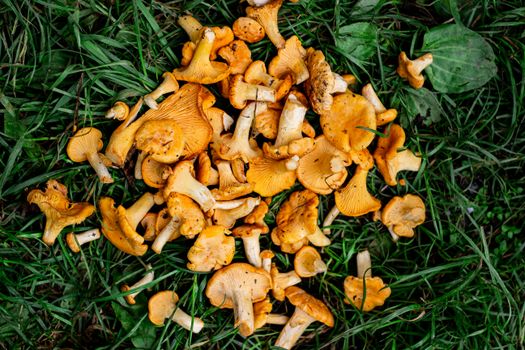
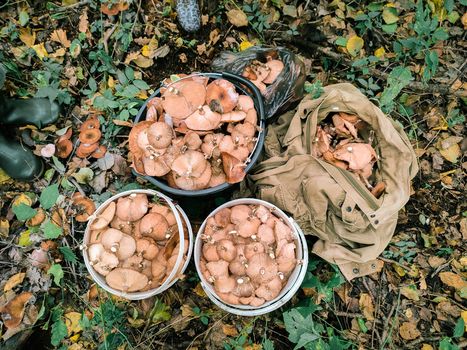
Your day begins with Bjorn leading you into the hushed, moss-carpeted forest. Depending on the season, you'll search for chanterelle mushrooms, lingonberries, cloudberries, wild herbs like wood sorrel, and even edible flowers. Bjorn shares ancient Sámi traditions and local folklore, making the walk as enriching as the harvest. You'll learn how to identify edible species from their poisonous lookalikes – a crucial skill! After a few hours, you return to the lodge with your bounty.
The Meal:
Ingrid then works her magic. Your foraged mushrooms might become a creamy soup or a topping for perfectly pan-seared local game. Berries are transformed into exquisite desserts or vibrant sauces. Expect dishes like Elk with Wild Mushroom & Lingonberry Compote or Cloudberry & Spruce Tip Panna Cotta. The flavors are clean, potent, and utterly Nordic.
Details:
* Location: Remote Swedish forest, usually requires a drive from a major city like Stockholm or Gothenburg. Exact coordinates are often shared only upon booking.
* Price: Expect a premium for the full-day experience, including the guided forage and multi-course meal, typically ranging from €250-€400 per person.
* Booking: Very limited spots, often booked months in advance. Look for "foraging workshops with dinner" or "chef-led wild food experiences" in central Sweden. Best inquired through local tourism boards or specialized eco-tourism operators who have these local connections.
* Instagram-worthy: Hushed forest paths, baskets overflowing with colorful mushrooms and berries, rustic lodge interiors, beautifully plated dishes with natural garnishes. #NordicForage #ForestToFork #SwedishSecrets
2. Mediterranean Coastal Bounty: "Il Tesoro Nascosto" (Sicily, Italy)
On a less-traveled stretch of the Sicilian coast, away from the bustling tourist towns, you might find "Il Tesoro Nascosto" (The Hidden Treasure). This tiny, family-run trattoria, passed down through generations, specializes in the wild edibles found along the dramatic cliffs and pristine beaches.
The Experience:
Your guide is typically Antonio, the patriarch, whose weathered face tells tales of a lifetime spent by the sea. He’ll take you on a morning stroll along the coastline, pointing out sea fennel, wild asparagus, samphire (salicornia), capers clinging to ancient walls, and various edible seaweeds. He’ll also introduce you to local fishermen, who might share a freshly caught octopus or sea urchin.
The Meal:
Back at the trattoria, Antonio’s daughter, Sofia, transforms your findings. Imagine a pasta dish with wild asparagus and bottarga, a fresh salad featuring sea fennel and local cheeses, or grilled fish simply seasoned with foraged herbs. The flavors are bright, saline, and intensely Mediterranean. Their fritto misto featuring foraged greens alongside fresh seafood is legendary.
Details:
* Location: A small, picturesque coastal village in western Sicily. Specific names are often kept discreet to avoid overcrowding.
* Price: A full experience (forage + lunch/dinner) can range from €180-€300 per person.
* Booking: These are often found by word-of-mouth or through boutique travel agencies specializing in authentic Sicilian experiences. Don't expect a fancy website; a phone call or email is usually the way.
* Instagram-worthy: Dramatic coastal views, colorful wild herbs, rustic trattoria ambiance, vibrant seafood dishes, the charm of a multi-generational Italian family. #SicilianSecrets #CoastalForaging #TasteOfSicily
3. Appalachian Mountain Delights: "The Wild Hearth" (North Carolina, USA)
Deep in the Blue Ridge Mountains of Western North Carolina, where misty peaks hide ancient wisdom, "The Wild Hearth" offers a unique take on Appalachian cuisine. Run by a former botanist turned chef, Sarah, and her husband, Mark, a local mountain guide, this is a celebration of the region's rich biodiversity.
The Experience:
Mark leads guests on an invigorating hike through the forests, teaching about the incredible array of wild edibles: ramps (wild leeks) in spring, morel mushrooms after a good rain, fiddlehead ferns, wild ginger, pawpaws in late summer, and various medicinal herbs. He emphasizes ethical harvesting and the importance of preserving these delicate ecosystems.
The Meal:
Sarah's kitchen is a testament to Appalachian ingenuity. Your foraged ramps might be pickled or incorporated into a savory tart. Morels could be sautéed with butter and served alongside smoked trout. Fiddleheads might be blanched and tossed with garlic and lemon. Dishes are hearty, comforting, and deeply rooted in the mountain's bounty. Think "Ramp & Potato Gratin" or "Pan-Seared Trout with Morel Cream Sauce."
Details:
* Location: A secluded area within the Blue Ridge Mountains, often near towns like Asheville but requiring a drive into the wilderness.
* Price: Foraging tours with a multi-course dinner typically cost between $150-$250 per person.
* Booking: Usually found through local farm-to-table networks, specialized outdoor adventure companies, or by searching for "Appalachian wild food experiences" or "foraging workshops NC."
* Instagram-worthy: Lush forest scenery, baskets of unique wild vegetables, rustic cabin feel, comforting and beautifully presented dishes. #AppalachianForage #BlueRidgeBounty #MountainToMouth
4. Desert Delicacies: "Tierra Viva" (Sonora, Mexico)
Venture into the Sonoran Desert, not far from the Arizona border, and you might stumble upon "Tierra Viva" (Living Earth), a sustainable eco-lodge and restaurant dedicated to showcasing the incredible edible landscape of the desert. Operated by indigenous communities and local experts, this is a truly immersive cultural and culinary experience.
The Experience:
Guided by an elder from the local Tohono O'odham nation, you'll embark on a walk through the desert, learning about the surprising array of edible plants: prickly pear cactus pads (nopalitos), saguaro fruit, mesquite pods, cholla buds, desert gourds, and various wild herbs. The experience is as much about cultural storytelling and traditional uses as it is about food. You'll learn about the resilience of the desert and its people.
The Meal:
The chefs at Tierra Viva are masters of desert cuisine. Your foraged nopalitos might be grilled and served in tacos or a fresh salad. Mesquite pods are ground into flour for bread or used to flavor beverages. Saguaro fruit becomes a vibrant jam or a refreshing sorbet. Expect dishes like "Nopalito Tacos with Wild Desert Herbs" or "Mesquite-Smoked Duck with Saguaro Glaze." The flavors are earthy, subtly sweet, and entirely unique.
Details:
* Location: Remote Sonoran Desert, accessible from cities like Tucson, Arizona, or Hermosillo, Sonora.
* Price: This is often an all-inclusive experience including lodging, multiple foraging sessions, and meals, ranging from $300-$600+ per person for a multi-day stay.
* Booking: Best found through cultural tourism initiatives, indigenous-led eco-tours, or specialized sustainable travel agencies. Direct contact is often preferred.
* Instagram-worthy: Stunning desert landscapes, unique desert plants, vibrant indigenous crafts, colorful and innovative dishes. #SonoranSecrets #DesertForage #IndigenousCuisine
Beyond the Plate: The True Value of Experiential Dining
These aren't just restaurants; they're classrooms, cultural exchange programs, and deeply personal journeys. Each experience offers:
- Skill-Building: You'll learn basic identification skills, responsible harvesting techniques, and a newfound appreciation for biodiversity.
- Cultural Immersion: You're not just eating local food; you're learning local traditions, stories, and the deep connection between people and their land.
- Sustainable Travel: By participating in these small, often family-run or community-led initiatives, you're directly supporting sustainable tourism and preserving local ecosystems.
- Unforgettable Stories: Every bite has a narrative, every dish a memory. These are the travel tales you'll recount for years to come.
- A Shift in Perspective: You'll start seeing the world differently, noticing the edible wonders hidden in plain sight, even in your own backyard.
Practical Tips for Your Foraging Adventure
Ready to trade your fork for a basket? Here are my essential tips to make your wild dining experience seamless and unforgettable:
- Do Your Homework (Thoroughly!): Research local foraging seasons, potential dangers (poisonous lookalikes!), and reputable guides. Never, ever forage alone or without expert guidance. The places I've mentioned are carefully vetted for safety and expertise.
- Book Ahead (Way Ahead!): These experiences are exclusive, small-group affairs. Spots fill up incredibly fast, often months in advance, especially during peak foraging seasons.
- Dress Appropriately: Think comfort, layers, and protection. Sturdy, waterproof shoes are a must. Long pants and sleeves protect against scratches, insects, and sun. A hat and sunscreen are always good ideas.
- Listen & Learn: Your guide is a treasure trove of knowledge. Pay attention, ask questions, and respect their expertise. They are sharing generations of wisdom.
- Leave No Trace & Forage Ethically: Only take what you need, never over-harvest. Leave plenty for wildlife and for the plant to regenerate. Stick to designated paths and respect private property. The goal is to be part of the ecosystem, not to deplete it.
- Be Open-Minded & Adventurous: You might encounter flavors you've never tasted before. Embrace the unexpected! This is about expanding your palate and your worldview.
- Budget for the Experience: These are not cheap meals. You're paying for expert guidance, a unique educational experience, and often a truly bespoke culinary journey. Consider it an investment in an unparalleled travel memory.
- Capture the Moment (Respectfully): Take photos of the landscapes, your finds, and the beautiful dishes. But remember to be present and respectful of your guide and the environment. Share your discoveries on social media using relevant hashtags to inspire others!
Don't Just Eat, Explore!
In a world increasingly homogenised, the quest for authentic, unique experiences has never been more vital. These forage-to-table restaurants are more than just places to eat; they are gateways to understanding the heart and soul of a destination. They challenge you to slow down, to observe, to learn, and to truly connect with your food.
So, next time you plan a trip, consider venturing off the beaten path, beyond the tourist traps, and into the wild. Seek out these hidden culinary sanctuaries. Unearth the secrets locals often guard so fiercely. Trust me, the taste of a meal you helped gather, prepared with passion and served with a story, is a flavor that will linger long after your journey ends. It’s an adventure for your palate, a lesson for your mind, and a feast for your soul.
Have you stumbled upon a similar hidden gem? Share your stories and tips in the comments below! Let's inspire each other to explore the wild side of gastronomy.
---