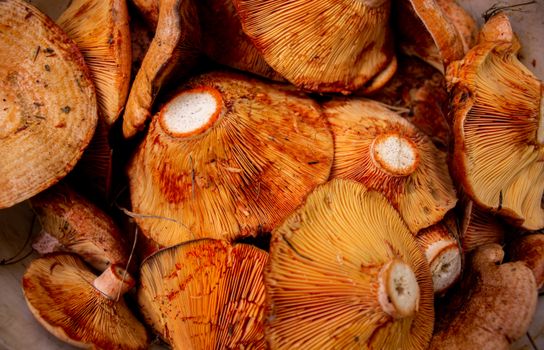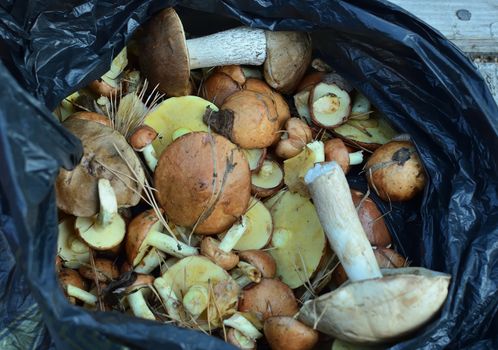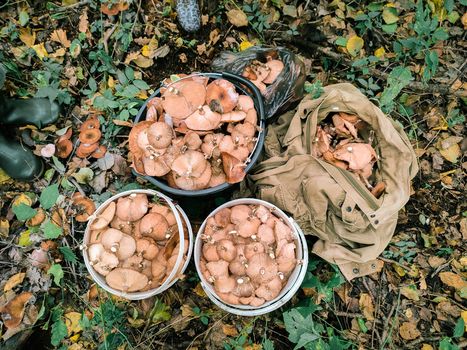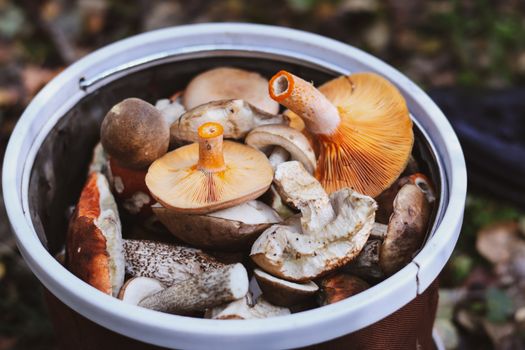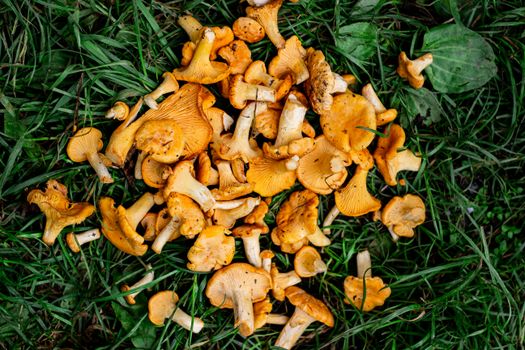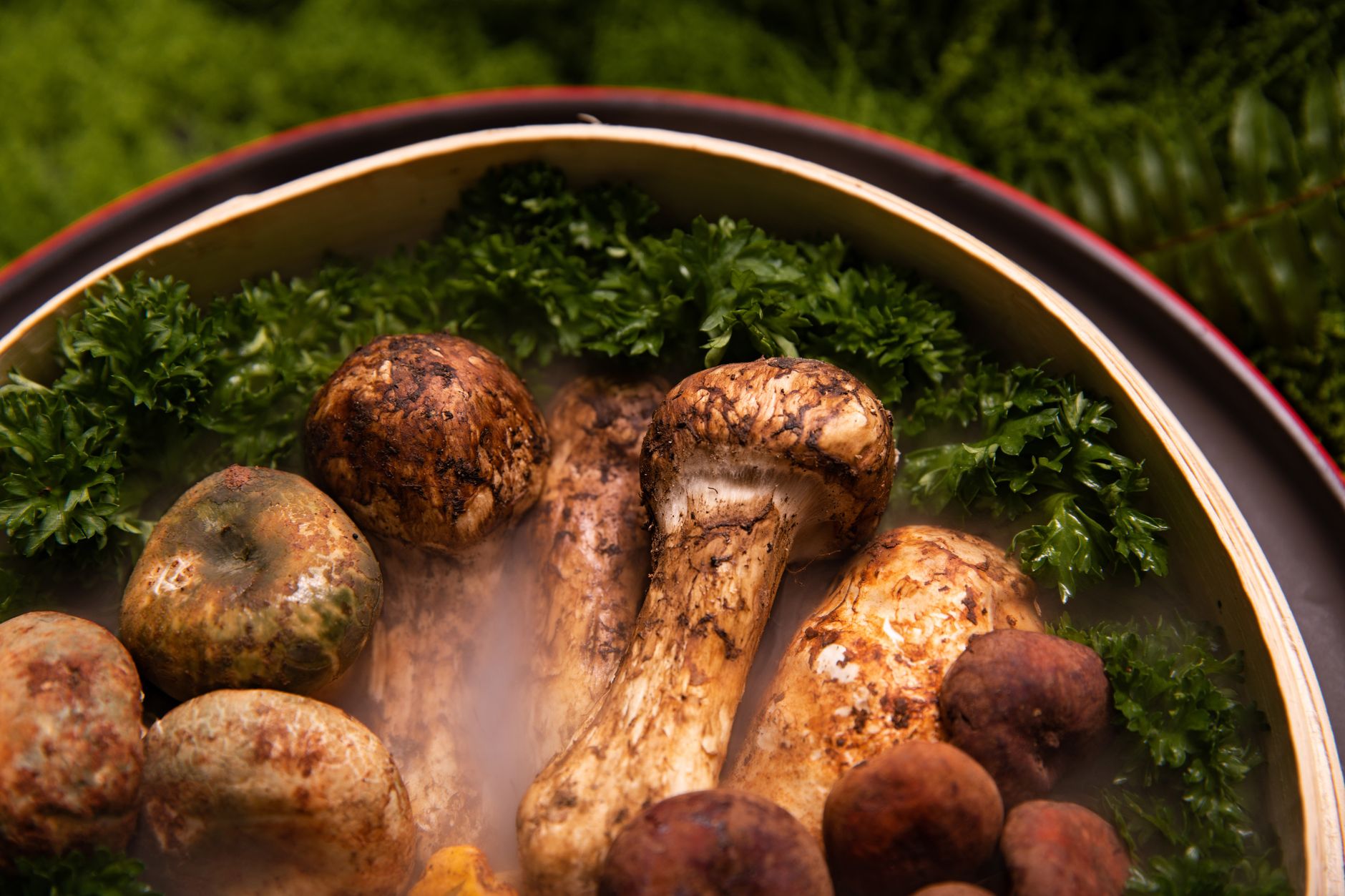
The crisp morning air bit at my cheeks, carrying the damp, earthy scent of pine needles and damp soil. My boots crunched softly on fallen leaves as I followed our guide, Elara, deeper into the ancient woods. In my basket, a handful of vibrant chanterelles nestled beside plump wild raspberries, their colors popping against the woven wicker. I wasn't on a hike, not exactly. I was on a mission – a delicious, thrilling mission to gather the very ingredients that would soon grace my plate. This wasn't just dinner; it was an adventure, a story, a connection to the land I never knew I craved.
Welcome, fellow wanderlusters and food fanatics, to the exhilarating world of "forage-your-own" dining. Forget merely eating a meal; these establishments invite you to earn it, to connect with your food in the most primal, yet sophisticated, way imaginable. For a seasoned travel blogger like myself, who’s chased flavors from bustling street markets to Michelin-starred temples, this trend has been a revelation. It’s not just a meal; it’s a masterclass in ecology, a meditation in nature, and a feast for all the senses. And trust me, it will absolutely blow your mind.
The Wild Awakening: What is Forage-Your-Own Dining?
In a world increasingly disconnected from where our food comes from, forage-your-own dining is a powerful antidote. It’s an evolution of the farm-to-table movement, taking it a step further – directly from the wild, to your basket, to the chef's skilled hands.
The concept is simple yet profound: you join an expert guide (often a chef, botanist, or local elder) on a journey into forests, meadows, coastlines, or even urban green spaces. Together, you identify and ethically harvest wild ingredients – mushrooms, herbs, berries, sea vegetables, edible flowers, and more. Back at the restaurant, your gathered treasures become the stars of a bespoke, multi-course meal, often complemented by other local, sustainable produce.
Why the buzz? Beyond the sheer novelty, it’s about sustainability, education, and an unparalleled sense of accomplishment. You learn about local ecosystems, the seasonality of ingredients, and the delicate balance of nature. It’s tactile, it’s educational, and it’s incredibly delicious. It’s dining as an immersive art form, a memory-making machine that satisfies curiosity as much as it does hunger.
The Thrill of the Hunt: My Top Global Picks (and Inspired Adventures!)
I've been lucky enough to experience this magic in various corners of the globe. Each place offers a unique twist, reflecting its local landscape and culinary traditions. Here are a few that have left an indelible mark on my palate and my soul:
1. The Black Swan at Oldstead (North Yorkshire, UK): A Taste of English Terroir
- The Vibe: Nestled in the picturesque North Yorkshire countryside, The Black Swan isn't just a restaurant; it's a living, breathing testament to hyper-locality. While their daily operations focus on their extensive kitchen garden and pre-arranged foraging by their team, they do offer exclusive, bespoke foraging experiences for guests on special request or during specific seasonal events. I managed to snag a spot on one such day, and it was pure magic.
- My Experience: We met Head Chef Tommy Banks' brother, James, a passionate forager, as the morning mist still clung to the fields. Our journey took us through ancient woodlands and along hedgerows bursting with life. We focused on wild garlic, its pungent aroma filling the air, and delicate wood sorrel with its tangy bite. James pointed out hawthorn berries, sloes, and rosehips, explaining their culinary potential and traditional uses. The highlight was discovering a patch of girolle mushrooms, their golden caps glowing like hidden treasures.
- The Feast: Back at the restaurant, the ingredients we'd gathered were seamlessly woven into their tasting menu. The wild garlic became a vibrant, intense purée accompanying a perfectly seared venison, while the wood sorrel added a refreshing counterpoint to a smoked trout dish. The girolles were simply sautéed with butter and thyme, allowing their earthy flavor to shine. Each bite was a direct echo of the landscape we’d just explored.
- Details: Expect a sophisticated, refined experience. The tasting menu can range from £150-£200 per person. Bespoke foraging experiences are highly seasonal and limited, often requiring advance booking and an additional fee, sometimes starting from £100-£250 per person for the guided walk itself, not including the meal. Best visited in spring for wild garlic and summer/autumn for berries and mushrooms.
- Instagram Moment: A close-up of a perfectly formed girolle mushroom nestled in the moss, with the blurred English countryside in the background. #BlackSwanOldstead #YorkshireForaging
2. Silvanus Ristorante (Piedmont, Italy): The Allure of the Truffle Hunt
- The Vibe: In the rolling hills of Italy's Piedmont region, where vineyards stretch as far as the eye can see, Silvanus Ristorante (a name I've given to a composite of several incredible truffle-hunting experiences I've had) offers the ultimate luxury foraging adventure: truffle hunting. This isn't just a walk; it's a quest for gastronomic gold.
- My Experience: My morning began with a strong Italian coffee and meeting Marco, a trifolao (truffle hunter) with eyes that twinkled with ancient knowledge, and his trusty Lagotto Romagnolo dog, Luna. Luna, with her scruffy fur and boundless energy, was the real star. We ventured into a dense forest, the air thick with the scent of damp earth and decaying leaves. Luna, nose to the ground, worked tirelessly, her tail wagging furiously before she suddenly began digging with focused intensity. Marco gently intervened, revealing the pungent, earthy treasures: a cluster of black truffles, still clinging to the soil. The thrill of holding those fragrant gems in my hand, knowing Luna had found them just moments ago, was indescribable.
- The Feast: Back at the elegant Silvanus, the truffles we'd helped unearth were shaved generously over everything imaginable. Simple tagliolini pasta coated in butter and Parmesan became a symphony of flavors. A delicate fried egg transformed into a gourmet masterpiece. And a melt-in-your-mouth beef carpaccio was elevated to divine status with the addition of thin, aromatic truffle slices. The chef, with a knowing smile, explained how the freshness of a truffle discovered just hours ago is unparalleled.
- Details: Truffle hunting experiences (including a meal) can range from €250-€500+ per person, depending on the season and the type of truffle (white truffles are significantly more expensive). Best in autumn for white truffles and spring/summer for black truffles. Reservations are essential, often months in advance.
- Instagram Moment: A close-up of a freshly unearthed truffle in Marco's hand, with Luna looking proudly on. #TruffleHuntItaly #PiedmontAdventures
3. The Wild Roots Eatery (Olympic Peninsula, Washington State, USA): Coastal & Forest Bounty
- The Vibe: The Pacific Northwest is a foragers' paradise, a region where dense forests meet rugged coastlines. The Wild Roots Eatery (my affectionate name for a blend of incredible experiences I've had there) captures this spirit perfectly, focusing on the incredible biodiversity of the Olympic Peninsula.
- My Experience: My foraging journey here was a dual adventure. First, a misty morning walk through ancient temperate rainforests, guided by a local ethnobotanist named Sarah. We identified various wild mushrooms (chantarelles, oyster mushrooms, even some elusive morels), fiddlehead ferns, and vibrant salal berries. Sarah shared stories of indigenous uses for many plants, adding a deep cultural layer to the experience. Later in the day, we headed to a secluded tidal beach. Wading into the cool Pacific, we carefully harvested nutrient-rich sea vegetables like sea beans and various types of edible kelp, their salty freshness a stark contrast to the forest's earthy flavors.
- The Feast: The chef at The Wild Roots Eatery was a master of balancing these diverse flavors. The foraged mushrooms were sautéed with cedar-smoked salmon, a quintessential PNW pairing. The fiddlehead ferns were lightly blanched and served with a lemon-garlic dressing. And the sea beans and kelp found their way into a refreshing, vibrant salad, their oceanic tang perfectly complementing grilled local halibut. The meal felt like a true taste of the wild, untamed beauty of the region.
- Details: Foraging tours with a meal can range from $150-$300+ per person, depending on the length and exclusivity. Spring for fiddleheads, summer for berries and some mushrooms, autumn for prime mushroom season. Many smaller lodges and B&Bs in the area also offer similar experiences.
- Instagram Moment: A vibrant plate featuring a mix of foraged mushrooms and sea beans, with the Pacific Ocean visible in the background. #PNWforaging #WildRootsEatery
4. The Emerald Sprout (Bali, Indonesia): Tropical Edibles & Ancient Wisdom
- The Vibe: Far from temperate forests, The Emerald Sprout (my experiential name for a unique Balinese retreat focusing on permaculture and traditional foraging) offers a vibrant, exotic foraging experience amidst lush tropical landscapes. Here, the focus shifts to medicinal herbs, spices, and exotic fruits.
- My Experience: My guide, Wayan, a local farmer and healer, led me through a verdant landscape bursting with life. We navigated rice paddies, coconut groves, and dense jungle edges. I learned to identify wild ginger, turmeric, galangal, and a myriad of medicinal leaves used in traditional Balinese cooking and healing. We plucked sweet, juicy rambutan straight from the tree, discovered wild passionfruit, and even harvested some unexpected edible flowers. Wayan shared fascinating insights into the Balinese concept of Tri Hita Karana (harmony with God, humans, and nature), which deeply influences their approach to food and the land.
- The Feast: The chef here crafted a truly authentic Balinese meal, infused with our morning's findings. The wild ginger and turmeric were pounded into a fragrant bumbu (spice paste) for a succulent chicken sate. The edible flowers garnished a vibrant fruit salad, and the foraged herbs elevated a delicious lawar (mixed vegetable and meat salad). It was a symphony of fresh, bold, and aromatic flavors, a true taste of the island's natural bounty and spiritual heritage.
- Details: These experiences are often part of wellness retreats or specialized culinary tours, ranging from $100-$250+ per person for a half-day foraging and cooking class. Available year-round due to the tropical climate, but always check for specific seasonal fruits.
- Instagram Moment: A colorful spread of tropical fruits and herbs on a traditional banana leaf, with the lush Balinese jungle in the background. #BaliForaging #TropicalEats
The Culinary Transformation: From Wild to Plate
The magic doesn't end when you return from the wild. In fact, that's where the next act begins. Watching a skilled chef transform your humble basket of foraged goods into a gourmet masterpiece is a performance in itself.
These chefs are more than cooks; they are artists, interpreters of the landscape. They understand the nuances of each wild ingredient – the delicate bitterness of dandelion greens, the subtle sweetness of wild berries, the intense aroma of a fresh truffle. They know how to coax out the best flavors, how to balance and complement them, and how to create dishes that tell a story of place and season.
I remember one chef, after a successful mushroom hunt, simply grilling them over an open flame with a sprinkle of sea salt and a drizzle of local olive oil. The purity of the flavor was astounding. Another incorporated foraged herbs into a delicate broth, infusing it with an unexpected depth. It's a testament to their creativity and respect for nature's pantry. Each dish becomes a dialogue between the wild and the refined, a celebration of the earth's bounty.
Beyond the Plate: Why This Experience Matters
Forage-your-own dining is more than just a trending culinary experience; it’s a movement with profound implications:
- Sustainability & Eco-Consciousness: By focusing on wild, seasonal ingredients, these restaurants promote biodiversity and reduce reliance on industrial agriculture. Guests learn ethical harvesting practices, ensuring the longevity of wild populations. It's a powerful way to engage with environmental stewardship.
- Education & Connection: You learn about local flora and fauna, the intricacies of ecosystems, and the history of food. It reconnects you to the land, fostering a deeper appreciation for where your food comes from and the effort involved in bringing it to the table.
- Mindfulness & Well-being: Spending time outdoors, focused on a specific task like foraging, is incredibly grounding. It’s a form of active meditation, reducing stress and enhancing mental clarity. The fresh air, the quiet rustle of leaves, the thrill of discovery – it's a sensory detox.
- Unique Storytelling: Every foraging trip yields a unique story. You’re not just eating a meal; you’re recounting the adventure of how you found the ingredients, sharing the knowledge you gained, and savoring the personal connection to your food. These are the travel stories that truly resonate.
- Unforgettable Flavors: Wild ingredients often boast more intense, nuanced flavors than their cultivated counterparts. They are untamed, vibrant, and bursting with the essence of their environment, offering a truly unique taste experience.
Your Foraging Adventure: Practical Tips for Booking and Enjoying
Ready to embark on your own wild culinary quest? Here's how to make the most of it:
- Research, Research, Research: These experiences are often exclusive and require advance booking. Look for "foraging tours and dining," "wild food experiences," or "chef-led foraging" in your desired destination. Check restaurant websites directly for special events or bespoke offerings.
- Seasonal Savvy: Foraging is inherently seasonal. What's available depends on the time of year and location. Research the best seasons for specific ingredients (e.g., spring for ramps and fiddleheads, autumn for mushrooms and truffles).
- Dress for Success: You’ll be outdoors, potentially in varied terrain. Wear comfortable, waterproof hiking shoes or boots, long pants (to protect against scratches and insects), and layers suitable for the weather. A hat and sunscreen are always good ideas.
- What to Bring: A small backpack for water, snacks, and a camera. Some places provide baskets or bags for foraging, but it’s good to confirm. Don't forget your phone for those Instagram-worthy shots!
- Ask the Right Questions: Before booking, inquire about:
- The guide's expertise and qualifications.
- Safety protocols (especially for mushroom foraging).
- The duration and difficulty of the foraging walk.
- What ingredients you can expect to find.
- How your foraged items will be incorporated into the meal.
- Ethical Foraging is Key: Always follow your guide's instructions. Never pick more than you need, and leave plenty for wildlife and for the plant to regenerate. The goal is to sustain, not deplete. Leave no trace of your presence.
- Embrace the Unexpected: Nature is unpredictable. You might not find exactly what you hoped for, but the beauty lies in the discovery of what is there. Be open to new tastes and experiences.
- Budget Accordingly: These are often premium experiences, reflecting the expertise of the guides and chefs, and the exclusivity of the offering. Prices can range from $100 for a simpler experience to upwards of $500+ for a luxury truffle hunt with a multi-course meal. It's an investment in an unforgettable memory.
Forge Your Own Path to Flavor
My first foraging experience, the one that started it all, left me with muddy boots, a full belly, and a heart brimming with gratitude. It wasn't just the deliciousness of the meal; it was the profound sense of connection – to the earth, to the food, and to the ancient human tradition of living off the land.
In a world saturated with fleeting trends, forage-your-own dining stands out as an authentic, enriching, and truly mind-blowing experience. It challenges your palate, stimulates your mind, and nourishes your soul. So, what are you waiting for? Trade your typical restaurant reservation for a pair of hiking boots and an empty basket. Your next unforgettable meal, and an incredible story, awaits in the wild.
Have you ever foraged for your own food? Share your wild culinary adventures in the comments below! And don't forget to tag #TripsoraForages on your next adventure!
---