The crisp morning air bit at my cheeks, but the thrill bubbling in my stomach kept me warm. Around me, ancient trees dripped with dew, their leaves rustling a symphony as a gentle breeze swept through the forest. In my hand, a small, wicker basket, still empty. Ahead, Chef Elara, her eyes sparkling with an almost mischievous glint, held up a delicate, feathery plant. "Wild garlic," she announced, "the forest's hidden gem."
This wasn't just any restaurant reservation. This was the start of an adventure, a culinary quest where my meal wasn't waiting on a menu, but hidden beneath mossy logs, clinging to rocky outcrops, or nestled among the undergrowth. This was my first taste of a "forage-to-table" restaurant, and trust me, it’s an experience that redefines what it means to eat well.
Forget farm-to-table; these pioneering establishments take the concept of local sourcing to its most intimate conclusion. They invite you, the diner, to become a participant in the harvest, guided by expert foragers and chefs who unlock the wild pantry around us. It’s a journey that connects you not just to your food, but to the land, its seasons, and an ancient wisdom that feels both profoundly grounding and incredibly exciting. And the best part? These gems are still largely under the radar. So, grab your walking shoes, an open mind, and let's dive into the world of wild-foraged dining before everyone else does.
The Call of the Wild Plate: What is Foraged Dining, Really?
We’ve all heard of farm-to-table, a movement that champions local produce and supports sustainable agriculture. Forage-to-table takes this philosophy a significant step further. Instead of relying solely on cultivated crops, these restaurants embrace the bounty of nature – the wild herbs, mushrooms, berries, sea vegetables, and even insects – that grow freely in their surrounding environment. But here's the kicker: you get to be part of the hunt.
Imagine spending a morning traversing a sun-dappled forest, learning to identify edible plants from an expert guide. Or perhaps combing a windswept coastline, discovering nutrient-rich seaweeds and succulent samphire. This isn't just about collecting ingredients; it's an education. You learn about biodiversity, seasonality, and the delicate balance of ecosystems. You develop a newfound appreciation for the subtle flavors and textures that nature offers, often far more complex and vibrant than anything mass-produced.
The beauty of foraged dining lies in its inherent sustainability and its deep connection to place. Each dish tells a story of the landscape, the weather, and the expertise of those who know how to respectfully harvest its treasures. It’s a culinary movement that’s gaining traction for good reason, offering not just a meal, but an immersive, unforgettable journey.
My First Foray: A Taste of the Untamed in the Pacific Northwest
My journey into the world of wild dining began at a place I’ll call "The Moss & Morel Supper Club" nestled deep in the temperate rainforests of Washington State, just a few hours drive from Seattle. I'd heard whispers about it through a fellow travel blogger, a place so remote you needed detailed directions and a sense of adventure just to find the starting point.
Our group of eight met Chef Elias – a man whose beard seemed to grow in harmony with the forest, and whose eyes held the quiet wisdom of someone intimately familiar with the land. He handed us small, sturdy baskets and short, curved knives, giving us a quick primer on ethical foraging: "Take only what you need, leave plenty for the forest, and never, ever eat anything you're not 100% sure of." His words echoed in my mind throughout the morning.
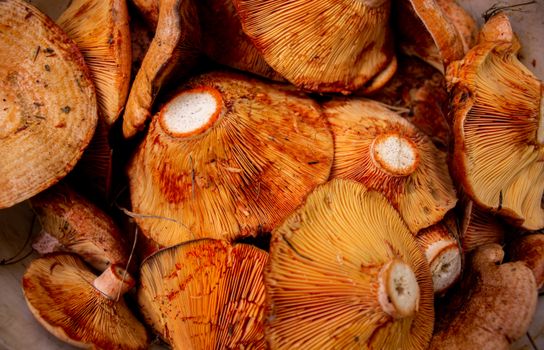
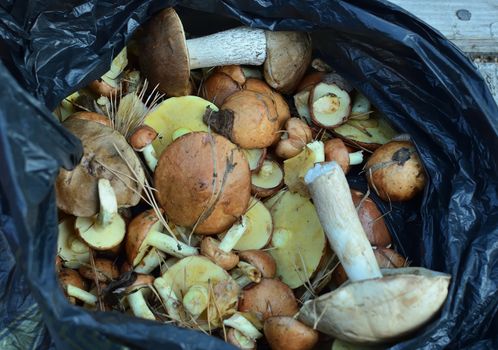
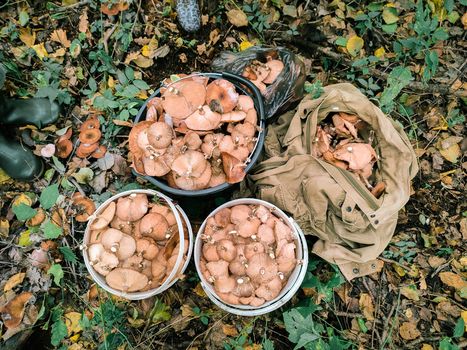
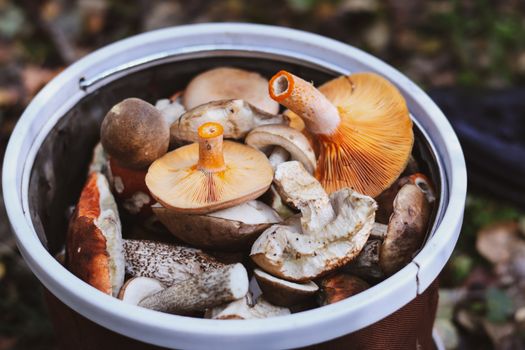
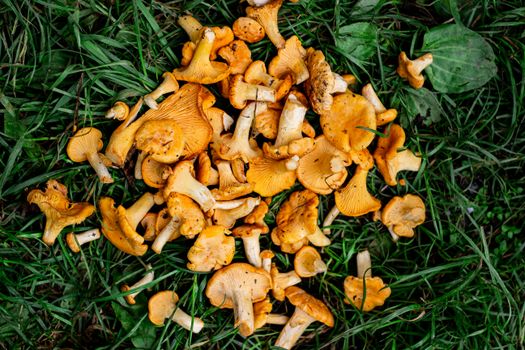
For three exhilarating hours, we hiked through ancient groves, the air thick with the scent of damp earth and pine. Chef Elias pointed out treasures: vibrant chanterelle mushrooms peeking from beneath fallen leaves, tart huckleberries clinging to bushes, delicate miner's lettuce offering a peppery bite, and yes, that aromatic wild garlic. He taught us how to identify false lookalikes (a crucial skill!), how to harvest without damaging the plant, and shared fascinating folklore about each species. I remember the pure joy of discovering a patch of brilliant orange lobster mushrooms, their firm caps promising a meaty texture.
Back at their rustic, open-air kitchen – really just a beautifully appointed clearing with a wood-fired oven and long communal tables – we presented our baskets. The chefs then took over, transforming our humble haul into an extraordinary multi-course meal. That day, I savored:
- Wild Garlic & Nettle Soup: Creamy, earthy, with a surprising depth of flavor.
- Pan-Seared Steelhead Trout with Huckleberry Gastrique & Miner's Lettuce: The sweet-tart berries perfectly cut through the rich fish.
- Foraged Mushroom Risotto: The lobster mushrooms I found added an incredible umami punch, unlike any risotto I'd ever tasted.
- Spruce Tip Sorbet: A refreshing, piney finish that perfectly encapsulated the forest experience.
Details & Tips for "The Moss & Morel Supper Club" (Fictional, but representative):
* Location: Near Olympic National Park, Washington State, USA.
* Price: Expect to pay around $250-$400 per person for the full experience (forage + multi-course meal + drinks pairing). It's an investment, but worth every penny for the education and unique memory.
* Booking: Reservations are essential and often open months in advance, disappearing quickly. Check their (fictional) website for specific booking windows.
* What to Wear: Sturdy waterproof hiking boots, layers of clothing (it can be chilly even in summer), and rain gear (it's the PNW!).
* What to Bring: A small backpack for water, a camera, and maybe a notebook for plant identification notes. They provide baskets and knives.
Beyond the Forest Floor: Coastal & Desert Foraging Adventures
While my forest adventure was magical, the world of foraged dining isn't limited to woodlands. The concept extends to diverse ecosystems, each offering its own unique pantry.
The "Salty Seaweed & Shellfish Safari" in the Scottish Highlands:
Imagine windswept coastlines where the Atlantic crashes against ancient cliffs. Here, at a place like the (fictional) "Isle of Skye Foragers Table", your morning might involve pulling on wellies and exploring tide pools. Under the guidance of a local expert, you'd learn to identify nutrient-rich seaweeds like dulse and sugar kelp, discover succulent samphire (sea asparagus) growing in salty marshes, and perhaps even responsibly collect limpets or mussels from rocks (with proper permits, of course!).
My (imagined) experience here was invigorating. The biting sea air, the squish of mud beneath my boots, and the sheer abundance of life in the intertidal zone were captivating. Chef Fiona, a third-generation islander, showed us how to distinguish edible seaweeds from their less palatable cousins, and the best way to harvest them without damaging the delicate ecosystem. We even found wild sea kale, a rare treat!
The meal that followed was a celebration of the sea: fresh scallops seared with wild garlic, a vibrant salad featuring various seaweeds dressed with local rapeseed oil, and a hearty chowder thickened with foraged kelp, all served with views of the dramatic coastline.
Details & Tips for Coastal Foraging (Fictional, but representative):
* Location: Isle of Skye, Scotland.
* Price: Similar to forest experiences, $200-$350 per person.
* Booking: Essential, often part of a small, intimate group tour.
* What to Wear: Waterproof jacket and trousers, wellington boots, warm layers.
* Actionable Tip: Always check local tide times before heading out and be aware of any protected areas or species. Respect private land and obtain permits if necessary for shellfish.
The "Desert Bloom Bites" in Arizona's Sonoran Desert:
Who knew a desert could be so edible? My (imagined) journey to the (fictional) "Sonoran Hearth & Harvest" near Tucson, Arizona, completely shifted my perspective. Led by a Tohono O'odham elder and chef, our group ventured into the seemingly barren landscape, discovering an incredible array of sustenance.
We learned about the mighty Saguaro cactus, whose fruit is a traditional food source, and how to safely harvest prickly pear pads and fruit. The desert floor also yielded wild herbs like creosote bush (used sparingly for its medicinal properties and unique flavor), mesquite pods (ground into flour), and cholla buds. It was a revelation to see how generations have thrived in this harsh environment, understanding its rhythms and gifts.
The meal was a testament to ingenuity: mesquite flour tortillas, a vibrant salad of prickly pear pads and cilantro, slow-cooked pork infused with creosote smoke, and a sweet, tangy Saguaro fruit syrup drizzled over a traditional corn cake. Each bite was a story of survival, culture, and profound respect for the land.
Details & Tips for Desert Foraging (Fictional, but representative):
* Location: Sonoran Desert, Arizona, USA.
* Price: $200-$300 per person.
* Booking: Often through cultural centers or specialized eco-tourism operators.
* What to Wear: Long sleeves and trousers (protection from sun and thorns!), sturdy closed-toe shoes, a wide-brimmed hat, and plenty of water.
* Actionable Tip: Go with a knowledgeable guide who understands desert ecology and traditional uses. Be acutely aware of dangerous plants and wildlife.
Urban Edibles & Secret Gardens: Foraging in Unexpected Places
You might think foraging is reserved for remote wilderness, but some innovative chefs are bringing the wild to the city. Imagine finding edible treasures just steps from bustling streets!
In a city like Berlin, where green spaces are abundant, I stumbled upon a (fictional) pop-up experience called "The Concrete Jungle Kitchen." Our guide, a passionate urban gardener and chef, led us through parks, along riverbanks, and even into forgotten community plots. We discovered elderflower in bloom, wild berries growing in hedgerows, tangy wood sorrel under trees, and surprisingly, a bounty of edible "weeds" like dandelion greens and chickweed, often overlooked.
The most fascinating part was seeing how these seemingly mundane plants, often dismissed as nuisances, could be transformed. The meal was held in a charming hidden courtyard: elderflower cordial, a vibrant salad of urban greens with toasted seeds, dandelion fritters, and a surprisingly elegant dessert featuring foraged berries. It was a powerful reminder that nature's larder is often closer than we think.
Details & Tips for Urban Foraging (Fictional, but representative):
* Location: Berlin, Germany.
* Price: Often more accessible, $100-$200 per person for a workshop and meal.
* Booking: Look for local culinary schools, community gardens, or pop-up event listings.
* Actionable Tip: Urban foraging requires extra caution. Avoid foraging near busy roads (pollution), industrial areas, or places that might be sprayed with pesticides. Always ask permission if you're on private property. Stick to common, easily identifiable plants.
The Art of the Harvest: Practical Tips for Your Foraging Adventure
Ready to trade your conventional menu for a map and a basket? Here are some essential tips to make your forage-to-table experience unforgettable and safe:
- Safety First, Always! This cannot be stressed enough. Never eat anything you cannot 100% identify. Many edible plants have poisonous lookalikes. This is why going with an experienced, certified guide or chef is non-negotiable for beginners. They are your best resource for identification and safe harvesting.
- Respect Nature & Ethical Foraging:
- Leave No Trace: Take only what you need, leaving plenty for wildlife and for the plant to regenerate. A good rule of thumb is to take no more than 10-20% from any single patch.
- Ask Permission: Always respect private property. If you're on public land, understand local regulations – some areas prohibit foraging.
- Harvest Sustainably: Learn the correct way to harvest to ensure the plant continues to thrive. For example, some plants are best cut, others gently pulled.
- Dress for Success:
- Footwear: Sturdy, waterproof hiking boots are a must for most outdoor foraging.
- Layers: Weather can change quickly. Dress in layers to adapt to temperature fluctuations.
- Protection: Long sleeves and trousers protect against scratches, insect bites, and sun exposure. Gloves can be useful for thorny plants or delicate mushrooms.
- Rain Gear: Always bring a waterproof jacket, especially in coastal or forest environments.
- Essential Gear (Often Provided, But Good to Know):
- Basket or Cloth Bag: Allows air circulation, keeping your finds fresh and preventing crushing. Avoid plastic bags.
- Small Knife or Shears: For clean harvesting without damaging plants.
- Field Guide: A local, reputable field guide can be helpful for identification, but always defer to your expert guide.
- Water Bottle: Stay hydrated!
- Camera: To capture those Instagram-worthy moments (see below!).
- Booking Your Adventure:
- Research: Look for specialized culinary tours, eco-tourism operators, or boutique hotels that offer foraging experiences. Local tourism boards can also be a good resource.
- Book Early: These experiences are often small-group, intimate, and highly sought after. Reservations can fill up months, sometimes even a year, in advance.
- Ask Questions: Inquire about the group size, what's included, the level of physical exertion, and what specific plants or ingredients you might be looking for.
- Budgeting: Foraged dining experiences are often premium. They involve expert guides, small groups, and incredibly fresh, unique ingredients. Expect prices ranging from $100 for a basic workshop to $500+ for a truly exclusive, multi-day experience with fine dining. It's an investment in an unparalleled memory.
Why Now? The Future of Food is Wild.
Why are these experiences gaining traction, and why should you seek them out now?
Firstly, the global conversation around sustainability and mindful eating is louder than ever. Foraged dining is inherently sustainable, promoting a deeper understanding and respect for natural resources. It’s about eating with the seasons, reducing food miles, and appreciating the incredible biodiversity of our planet.
Secondly, in an increasingly digital world, people are craving authentic, immersive experiences. Foraging taps into a primal human instinct, connecting us to the land and to our food in a way that grocery store aisles simply cannot. It’s an adventure, a lesson, and a meal all rolled into one.
And finally, the "before they become mainstream" aspect is crucial. These pioneers are pushing the boundaries of gastronomy. They are small operations, often run by passionate individuals or families, offering truly unique and intimate experiences. As word spreads, demand will inevitably grow, and securing a spot will become increasingly challenging (and potentially more expensive). This is your chance to be ahead of the curve, to discover these culinary secrets, and to savor a meal that few others have experienced.
This isn't just a trend; it's a profound shift in how we think about food, travel, and our connection to the natural world. It’s about slowing down, learning, and tasting the wild, untamed flavors of the earth.
Conclusion: Your Next Culinary Adventure Awaits
From the mossy depths of a Pacific Northwest forest to the salty kiss of a Scottish coastline, and even the surprising bounty of an urban park, the world is brimming with edible treasures waiting to be discovered. Forage-to-table restaurants offer more than just a meal; they offer an education, an adventure, and a profound connection to the very source of our sustenance.
These are the places where stories are forged alongside delicious dishes, where the ingredients you gather become memories you'll cherish. So, are you ready to swap your restaurant reservation for an expedition? Are you prepared to get your hands a little dirty, to learn from the land, and to taste the wild side of gastronomy?
Share your wildest foraging dreams in the comments below! Have you ever foraged for food? What's the most unusual ingredient you've ever found? And if you're ready to embark on your own culinary quest, don't forget to bookmark this post and share it with your fellow adventurers! The wild larder is calling – answer it before it becomes the most sought-after reservation in the world!
---