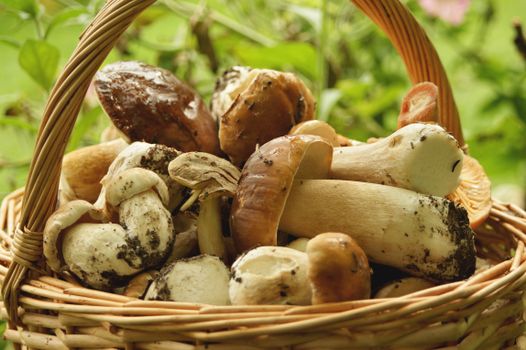
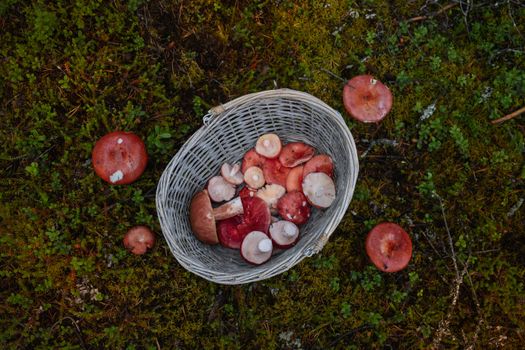
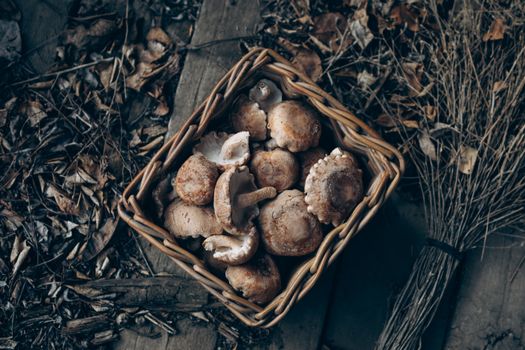
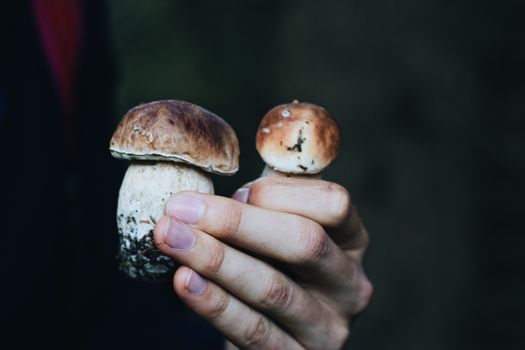
The aroma of freshly turned earth, the whisper of wind through ancient trees, the thrill of discovery as your fingers brush against a hidden treasure – this isn't a scene from a fantasy novel. This is how some of the most profound meals of my life began. For years, I chased Michelin stars and explored bustling street food markets, always seeking that next culinary revelation. But it wasn't until I traded my dining chair for hiking boots and my menu for a foraging basket that I truly understood what it meant to eat. These aren't just restaurants; they're gateways to an ancient, primal connection with nature, where you gather the ingredients that will grace your plate. And trust me, once you've foraged your own dinner, there's no going back.
The Call of the Wild Plate: What Foraging Restaurants Are All About
We've all heard of "farm-to-table," a movement that revolutionized our understanding of food sourcing. But what if the "farm" wasn't a neatly tilled field, but a wild forest, a rugged coastline, or a sun-drenched meadow? This is the essence of the "foraging restaurant" experience. It's a radical, immersive approach to dining where guests are invited, often guided by expert foragers or chefs, to actively participate in gathering the ingredients for their meal.
This isn't just a gimmick; it's a philosophy rooted in sustainability, seasonality, and a deep respect for the land. Imagine plucking wild ramps from a forest floor, digging for clams on a pristine beach, or identifying edible flowers under the watchful eye of a seasoned expert. The ingredients are hyper-local, impossibly fresh, and tell a story of the landscape you've just explored. It's about slowing down, connecting with your surroundings, and understanding where your food truly comes from – not just the soil, but the wild, untamed corners of our planet. For me, it shifted dining from a passive consumption to an active, educational, and deeply rewarding adventure. It’s an experience that awakens all your senses, from the earthy smell of damp moss to the exhilarating taste of a berry still warm from the sun.
My First Foraging Revelation: The Nordic Wild in Denmark
My journey into the world of foraging restaurants began, fittingly, in Scandinavia – a region synonymous with innovative, nature-driven cuisine. I'd heard whispers of a place on the Danish coast, just a short drive from Aarhus, that wasn't just serving wild food, but inviting guests to find it. This was "Skogen & Havet" (Forest & Ocean), a name that perfectly encapsulated its ethos.
I arrived with a mix of excitement and skepticism. Could I, a city-dweller, really contribute to a gourmet meal? Our small group met Chef Lars, a man whose eyes twinkled with the wisdom of the woods. He handed us each a basket and a small, sharp knife, and with a brief but passionate introduction to ethical foraging, we ventured into the nearby ancient beech forest.
The air was crisp, carrying the scent of pine and damp earth. Lars pointed out wild garlic, its vibrant green leaves contrasting with the brown forest floor. "Smell it," he urged. The pungent, fresh aroma was intoxicating. We learned to identify wild sorrel, woodruff, and delicate sweet cicely. The thrill of spotting a patch of chanterelles, their golden caps peeking from beneath fallen leaves, was like finding buried treasure. I remember the satisfying snap of wild asparagus spears as I harvested them, and the delicate texture of sea buckthorn berries, tart and bright.
After an hour, our baskets held a modest but precious haul. Back at the restaurant, we watched, mesmerized, as Chef Lars transformed our ingredients. My wild garlic became a vibrant pesto for freshly caught turbot. The chanterelles were lightly sautéed with butter and served alongside slow-cooked venison. The woodruff infused a delicate dessert. Every bite was an explosion of flavor, heightened by the personal connection. I remember biting into that turbot, the wild garlic pesto singing on my palate, and feeling an almost spiritual connection to the land. It wasn't just dinner; it was the culmination of an adventure, a story told through taste. The cost for this experience, including the guided forage and the multi-course meal, was around 2500 DKK (~$370 USD), a splurge, yes, but one that paid dividends in unforgettable memories and a completely new perspective on food.
Beyond the Michelin Stars: Accessible Foraging Adventures
While "Skogen & Havet" was a high-end revelation, I soon discovered that foraging experiences aren't exclusive to the fine-dining elite. Many incredible, more accessible options exist, each offering a unique flavor of the wild.
Truffle Hunting in Tuscany: Agriturismo Bellavista
My next great foraging adventure took me to the rolling hills of Tuscany, Italy. Forget crowded Florence; I sought out Agriturismo Bellavista, a charming family-run farm near San Miniato, famous for its truffles. Here, the foraging wasn't about greens, but about the elusive "black gold."
We joined Marco, the owner, and his incredibly enthusiastic Lagotto Romagnolo dogs, Luna and Rocco, for a truffle hunt. The morning air was cool and earthy as we walked through ancient oak forests. Watching Luna frantically dig, nose to the ground, and then Marco carefully unearth a fragrant black truffle, was pure magic. The dogs' excitement was infectious, and the anticipation of what lay beneath the soil was palpable.
Back at the agriturismo, Marco's wife, Sofia, led a cooking class using our freshly hunted truffles. We grated them generously over homemade tagliatelle, shaved them onto creamy scrambled eggs, and even incorporated them into a rich pecorino fondue. The aroma alone was intoxicating. This experience, including the hunt, cooking class, and a multi-course lunch with wine, typically costs around €150-€200 per person. It was rustic, authentic, and deeply rooted in Italian culinary tradition – a stark contrast to the Nordic fine dining, but equally profound. The earthy, intoxicating scent of fresh truffle, combined with the warmth of Italian hospitality, made this an unforgettable, stomach-filling memory.
Coastal Bounty in British Columbia: Salt & Soil Bistro
From land to sea, my foraging compass then pointed me to the rugged west coast of Vancouver Island, Canada. Here, the "farm" is the ocean itself. Salt & Soil Bistro, nestled in a small coastal town, offers guests a chance to explore the intertidal zone for ingredients.
Our guide, a marine biologist named Sarah, led us at low tide across a rocky beach, pointing out a dazzling array of edible sea life. We gently harvested sea asparagus, its salty crunch a revelation. We learned to identify different types of edible seaweed – dulse, kombu, sea lettuce – each with its own unique flavor and texture. We even found iridescent blue mussels clinging to rocks, which we carefully gathered.
The experience was meditative, the rhythmic crash of waves providing a natural soundtrack. Back at Salt & Soil, Chef Alex transformed our ocean treasures into a sublime seafood feast. The mussels became a fragrant white wine stew. The sea asparagus was blanched and tossed with lemon. The seaweed found its way into a vibrant salad and even a surprisingly delicious bread. Dining here, with the sound of the ocean still in my ears and the taste of its bounty on my tongue, felt like a true communion with the wild Pacific. This coastal foraging tour and meal typically runs around CAD$180-$250 per person, depending on the season and specific offerings. The briny air, the cool spray of the ocean, and the taste of the sea still linger in my memory.
The Art of the Harvest: Practical Tips for Your Own Foraging Expedition
Inspired to embark on your own wild food journey? Here’s my hard-won advice to make your experience unforgettable and safe:
- Do Your Homework (and then some): Not all "foraging restaurants" are created equal. Some offer fully guided excursions, while others might involve a more hands-off approach. Research what's included: Is it just a walk-and-talk, or do you actively participate in gathering ingredients for your meal? Read reviews and check their philosophy.
- Safety First, Always: This is paramount. NEVER consume anything you've foraged unless an expert has positively identified it. Many poisonous lookalikes exist. Foraging restaurants provide trained guides for this very reason. Listen intently to their instructions.
- Dress for the Elements: You’ll be outdoors, often off-trail. Wear sturdy, waterproof shoes or boots, and layers of clothing appropriate for the weather. Long sleeves and pants can protect against scratches, insects, and sun. A hat and gloves are often good ideas.
- Respect Nature (Ethical Foraging):
- Take only what you need: Never over-harvest. Leave plenty for the ecosystem and for others.
- Know the rules: Some areas have restrictions on foraging. Your guide will know these, but it's good to be aware.
- Minimize impact: Stay on designated paths where possible, and avoid disturbing wildlife.
- Leave no trace: Pack out everything you pack in.
- Embrace the Seasonality: Foraging is inherently seasonal. Wild garlic in spring, mushrooms in autumn, certain seaweeds in specific tides. Research the best time of year to visit for the ingredients you're most interested in.
- Ask Questions: Your guides are a wealth of knowledge. Ask about the plants, the local ecosystem, sustainable practices, and even cooking tips. The more you engage, the richer your experience will be.
- Pack Essentials: A small backpack for water, a camera (for those Instagram-worthy shots!), and perhaps a notebook for jotting down discoveries. Some restaurants provide baskets and tools, but confirm beforehand.
- Be Prepared for the Unexpected: The wild is unpredictable. Weather can change, you might not find as much of a specific ingredient as hoped, or you might discover something entirely new. Embrace the adventure!
More Than Just a Meal: The Deeper Impact
Beyond the exquisite flavors and the thrill of discovery, these foraging experiences have fundamentally reshaped my relationship with food and the natural world.
Firstly, there's an unparalleled sense of connection. When you've spent an hour carefully selecting wild mushrooms or patiently digging for clams, the resulting meal isn't just sustenance; it's a story, a memory, a direct link to the landscape. I tasted the damp earth in the mushrooms, the salty spray of the ocean in the mussels. This connection fosters a profound appreciation for every bite, reducing waste and encouraging mindful eating.
Secondly, it instills a deep sense of gratitude and respect for nature. You witness firsthand the delicate balance of ecosystems and the sheer abundance that the wild offers, provided we treat it with care. It’s a powerful lesson in sustainability and the importance of preserving these wild spaces. I returned from these trips with a renewed commitment to supporting local, seasonal, and ethically sourced food.
Finally, it's an incredibly mindful and therapeutic experience. The act of searching, identifying, and gathering forces you to slow down, pay attention, and engage all your senses. It's a break from the digital noise, a chance to reconnect with something ancient and primal within ourselves. There's a particular joy in sharing a meal cooked with ingredients you personally gathered, a sense of accomplishment and shared adventure that no ordinary restaurant can replicate. It's a reminder that the best things in life often require a little effort, a little curiosity, and a willingness to step off the beaten path.
My Top Foraging Spots & What to Expect (Mini-Reviews)
If you're ready to taste the wild, here are my top recommendations, each offering a distinct and unforgettable experience:
- Skogen & Havet, Denmark (Near Aarhus)
- Focus: Forest greens, mushrooms, berries, coastal plants, fresh seafood.
- Vibe: Sophisticated, educational, fine dining experience with a strong emphasis on Nordic terroir. Expect meticulous plating and innovative flavors.
- Best Time to Visit: Spring for wild garlic and ramps; Autumn for mushrooms and berries.
- Price Range: High-end (approx. $350-$450 USD per person for the full experience).
- Why it's special: The seamless integration of guest participation into a truly world-class culinary experience. Chef Lars' passion is infectious.
- Agriturismo Bellavista, Tuscany, Italy (Near San Miniato)
- Focus: Black and white truffles, wild herbs, seasonal vegetables from their garden.
- Vibe: Rustic, authentic, family-run Italian hospitality. More of a hands-on cooking class and shared meal experience.
- Best Time to Visit: Autumn for black truffles; Winter/Spring for white truffles.
- Price Range: Mid-range (approx. €150-€200 per person).
- Why it's special: The joy of truffle hunting with trained dogs is unparalleled, and the subsequent cooking class makes you feel like a true Tuscan chef.
- Salt & Soil Bistro, Vancouver Island, Canada
- Focus: Seaweed varieties, sea asparagus, mussels, clams, wild coastal greens.
- Vibe: Laid-back, adventurous, celebrating the Pacific Northwest's marine bounty. Casual dining with incredibly fresh, creative dishes.
- Best Time to Visit: Low tide days during spring and summer offer the best coastal foraging.
- Price Range: Mid-range (approx. CAD$180-$250 per person for tour and meal).
- Why it's special: An incredible opportunity to explore the rich biodiversity of the intertidal zone and taste the direct flavors of the ocean.
The Wild Awaits
My journey into the world of foraging restaurants wasn't just about discovering new flavors; it was about rediscovering a fundamental connection to the earth, to the seasons, and to the very act of eating. It changed how I view a plate of food forever, transforming it from a mere meal into a story, an adventure, a testament to the wild beauty that surrounds us.
If you're a traveler seeking more than just a vacation, if you're a food lover craving an experience that goes beyond the ordinary, then I urge you to seek out these incredible establishments. Pack your boots, open your mind, and prepare to have your palate, and your perspective, changed forever. The wild is calling, and it's delicious.
Have you ever foraged for your own food? Share your stories and tips in the comments below! And don't forget to tag #TripsoraForages on your next wild food adventure!
---