The crisp morning air bit at my cheeks as I trudged through the dew-kissed forest, eyes glued to the ground, a wicker basket clutched tightly in my hand. Beside me, a man with a beard that seemed woven from the very moss around us pointed to a patch of vibrant green. "Wild garlic," he murmured, his voice a low rumble. "Perfect for tonight's pesto." I knelt, inhaling the pungent aroma, and carefully plucked a few leaves. This wasn't a survival course; this was my dinner. And it was, hands down, the most exhilarating preamble to a meal I’ve ever experienced.
I’ve always loved food. I’ve chased Michelin stars across continents, savored street food in bustling markets, and dined in some of the most exclusive establishments on Earth. "Farm-to-table" became my mantra, a promise of freshness and connection. But after a while, even that began to feel... a little detached. I was still a consumer, separated from the source by a menu and a kitchen door.
Then I stumbled upon a new breed of culinary experience, one that takes "local" and "fresh" to an entirely different dimension: restaurants where you forage your own ingredients. This isn't just about eating; it's about learning, connecting, and truly earning your meal. It’s about feeling the earth beneath your feet, smelling the wild herbs, and understanding the delicate ecosystem that provides your sustenance. It’s a primal, profound, and utterly mind-blowing way to dine, and trust me, once you try it, you’ll see food – and the world – differently.
The Call of the Wild Plate: Why Foraging Dining is the Next Big Thing
In a world increasingly dominated by screens and instant gratification, there's a growing yearning for authenticity, for experiences that ground us in the real world. Foraging dining taps directly into this desire. It's not just a meal; it's an adventure, a lesson, and a profound act of connection.
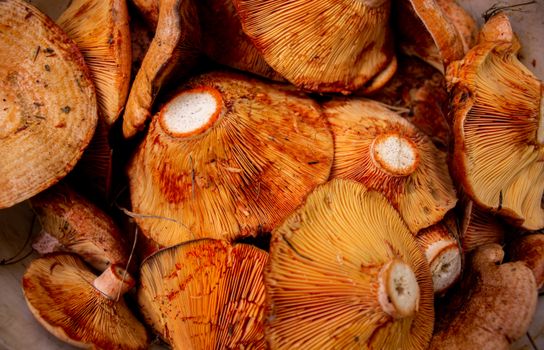
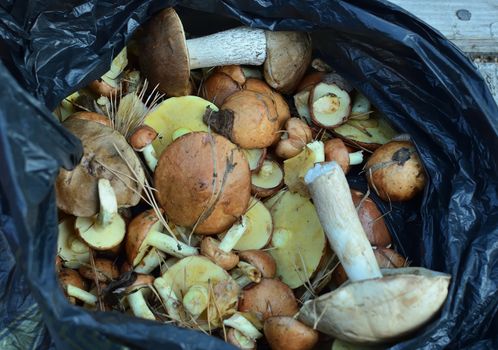
Imagine this: instead of browsing an online menu, you're exploring a pristine forest, a rugged coastline, or a sun-drenched meadow. Your "ingredients" aren't neatly packaged in a supermarket; they're clinging to rocks, hidden beneath leaves, or peeking out from the undergrowth. You're guided by an expert, a modern-day hunter-gatherer who shares ancient wisdom about the edible landscape. You learn to identify wild mushrooms, taste exotic berries directly from the bush, or discover the salty crunch of sea beans along the shore.
This isn't just about novelty; it's about sustainability. By understanding where our food comes from, we develop a deeper appreciation for the environment and the delicate balance required to maintain it. It's about mindful eating, savoring every bite because you were part of its journey from earth to plate. And let's be honest, the flavors? Unparalleled. Wild ingredients often boast a concentration of flavor and unique characteristics that cultivated varieties simply can't match. This trend isn't just a fleeting fad; it's a return to our roots, a celebration of nature's bounty, and the most exciting evolution in dining I’ve witnessed in years.
My First Forage: A Transformative Taste in the Scottish Highlands
My journey into the world of foraging dining began, as many good adventures do, somewhat unexpectedly. I was in Scotland, ostensibly for the whisky trail, but a local whispered about "The Wild Hearth," a remote lodge and restaurant nestled deep in the Cairngorms. They offered a unique experience: a guided foraging expedition followed by a tasting menu crafted from our findings. Intrigued, I booked.
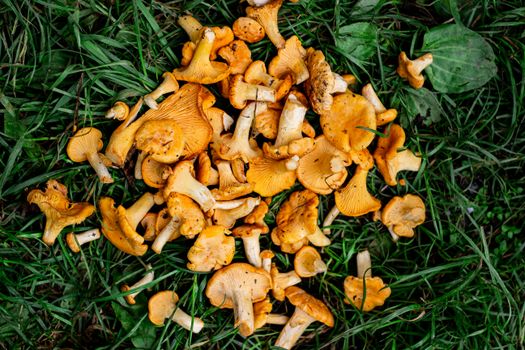
That morning, I met Hamish, a man whose knowledge of the Scottish wilderness was encyclopedic. He led our small group through ancient pine forests, the air thick with the scent of damp earth and resin. My eyes, accustomed to cityscapes, slowly adjusted to the nuances of the forest floor. Hamish taught us to spot vibrant chanterelles peeking from mossy beds, identify the delicate leaves of wood sorrel, and even distinguish between edible and poisonous berries with astonishing precision.
There was a moment when I found a cluster of golden girolles, their earthy perfume intoxicating. The sheer satisfaction of spotting them, of knowing they were destined for my plate, was immense. It was a thrill far beyond simply ordering a dish. We gathered wild garlic, pungent and vibrant, and learned about various edible ferns. Hamish even showed us how to carefully collect a few sprigs of juniper, explaining how its berries would later infuse a sauce.
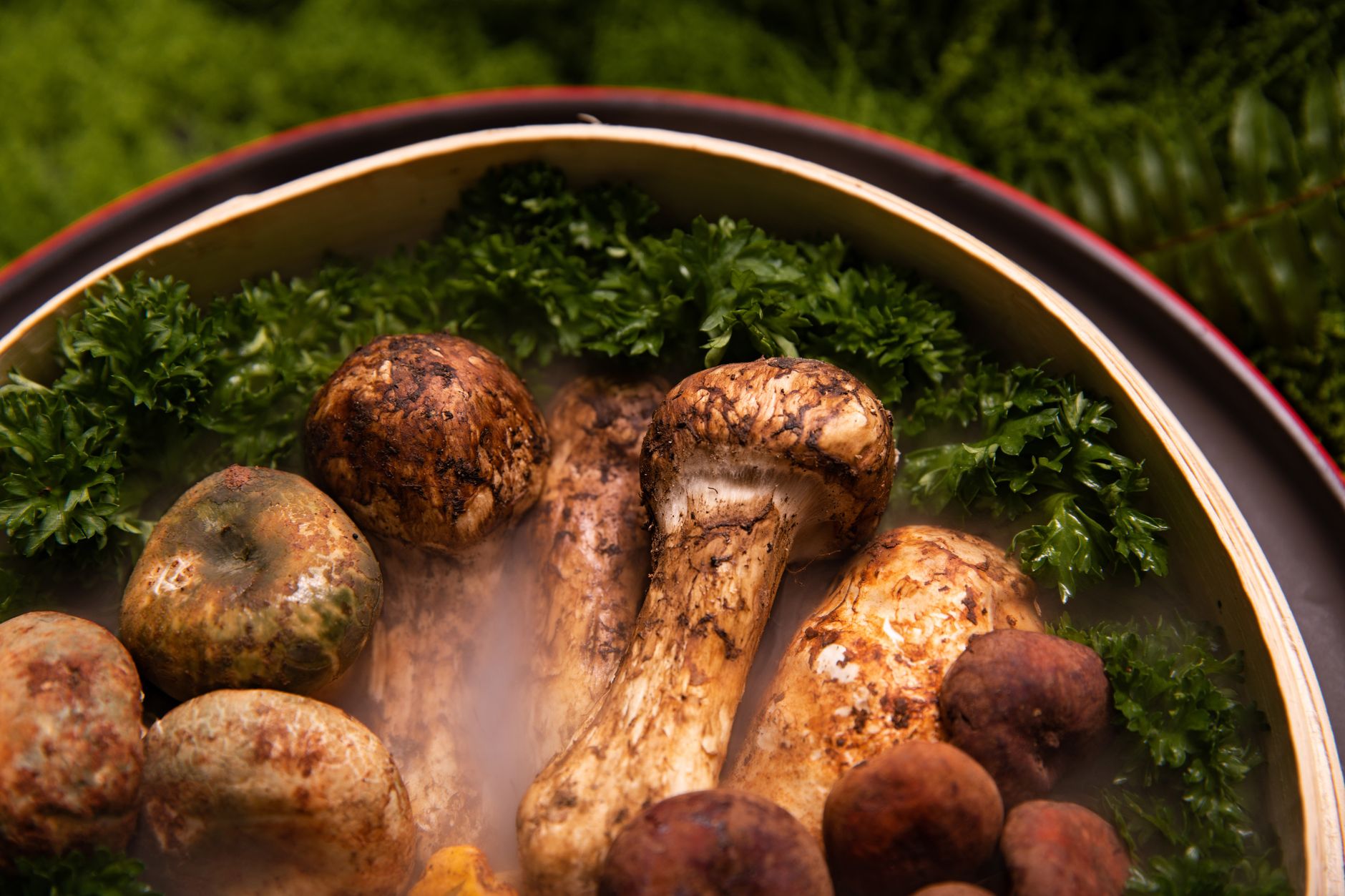
Back at The Wild Hearth, Chef Alistair greeted us, his eyes twinkling as he inspected our baskets. He took our bounty and, with a quiet reverence, began to transform it. Watching him work, knowing the provenance of every ingredient, was like witnessing alchemy. That evening, I savored a venison loin perfectly seared, accompanied by a wild mushroom ragout made from my girolles, a vibrant wild garlic pesto, and a delicate elderflower panna cotta garnished with berries we’d picked. Each bite was a symphony of flavors, but more than that, it was a story. A story I had helped write. It was truly transformative.
From Forest Floor to Michelin Star: My Top Foraging Restaurant Picks
Having experienced the magic firsthand, I’ve made it my mission to uncover more of these incredible foraging restaurants. Here are a few that have either blown my mind or are firmly at the top of my culinary bucket list, offering diverse landscapes and unforgettable tastes:
- The Wild Hearth, Scottish Highlands, UK (Fictional, Inspired by Real Experiences)
- The Vibe: Rustic luxury meets ancient wilderness. Tucked away in the majestic Cairngorms, The Wild Hearth is more than a restaurant; it's a retreat. The lodge itself is a cozy haven of stone and timber, with roaring fires and panoramic views of the rugged landscape. It feels like stepping into a storybook.
- The Forage: Hamish, our guide, is a legend. His morning treks (typically 3-4 hours) vary by season. In spring, it’s wild garlic and sorrel; summer brings berries and herbs; autumn is a mushroom hunter's paradise. You learn about the delicate ecosystem, sustainable harvesting, and the folklore of the land. It’s an immersive education.
- The Meal: Chef Alistair Stewart's philosophy is simple: let the wild ingredients sing. After your foraging adventure, you return to the kitchen where Alistair will incorporate your finds into a spectacular 5-7 course tasting menu. I’ve had dishes like pan-seared scallops with samphire and sea kale (from a coastal foray), venison haunch with a wild mushroom and juniper berry jus, and a delicate meadowsweet crème brûlée. The cost for the foraging experience and tasting menu is typically around £250-£350 per person, often with an option for overnight stays in their beautiful lodge.
- Why it Blows Your Mind: The sheer wildness of the landscape combined with the refined elegance of the cooking. The deep sense of connection to the ancient land and the satisfaction of having contributed to your meal. Every dish feels like a celebration of the wilderness you just explored.
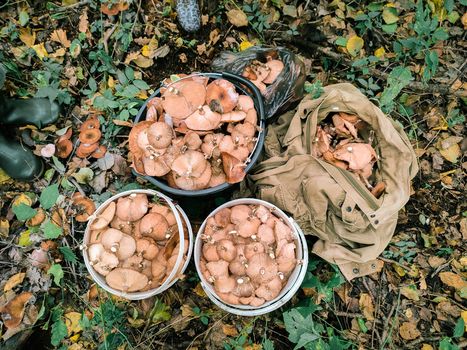
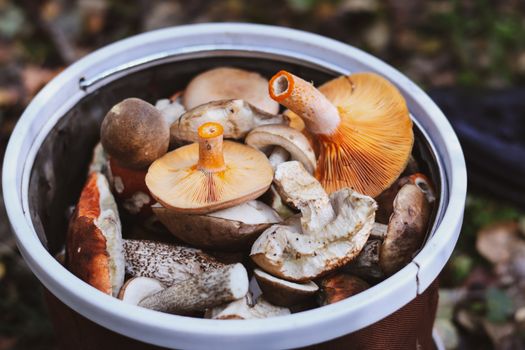
- Instagram Moment: A close-up of your basket overflowing with vibrant wild mushrooms, or a shot of you in traditional foraging gear against a dramatic Scottish mountain backdrop.
- The Coastal Harvest, Big Sur, California, USA (Inspired by California's Culinary Scene)
- The Vibe: Laid-back Californian elegance with a dramatic ocean backdrop. Perched on the cliffs overlooking the Pacific, The Coastal Harvest offers an open-air dining experience that's as breathtaking as the food. It’s rustic-chic, with reclaimed wood, natural textures, and the constant soundtrack of crashing waves.
- The Forage: Led by marine biologist and chef, Dr. Elena Rodriguez, the foraging here focuses on the abundant intertidal zone. You spend 2-3 hours exploring tide pools and rocky shores (tide-dependent, of course!), learning about sustainable harvesting of sea beans, bladderwrack, mussels, sea lettuce, and even some specific coastal herbs. Elena’s passion for the ocean is infectious, and you learn about the delicate balance of the marine ecosystem.
- The Meal: Back at the restaurant, Elena and her team transform your oceanic treasures into a vibrant, fresh, and often raw or lightly cooked meal. Think grilled local rockfish with a sea bean and avocado salsa, a chilled cucumber and kelp noodle salad, or pan-seared scallops with a delicate sea lettuce emulsion. The menu is fluid, entirely dependent on the day's harvest. Expect to pay around $200-$300 per person for the experience and multi-course lunch.
- Why it Blows Your Mind: The dramatic setting, the sheer novelty of harvesting from the ocean, and the incredible freshness of the seafood and sea vegetables. It’s a sensory explosion, from the salty spray on your face to the briny taste of your self-foraged meal.
- Instagram Moment: A panoramic shot of the Big Sur coastline with you kneeling by a tide pool, or a perfectly plated dish featuring vibrant green sea beans against the blue ocean.
- The Jungle Table, Yucatán Peninsula, Mexico (Inspired by Mayan Culinary Traditions)
- The Vibe: Authentic, immersive, and deeply cultural. The Jungle Table isn't a typical restaurant; it's an experience hosted by a local Mayan family in a small village near Valladolid. It’s about connecting with ancient traditions and the lush tropical environment.
- The Forage: Your guide, often a matriarch of the family, leads you into the surrounding jungle for a 2-3 hour walk. This is a journey into an edible landscape teeming with life. You’ll learn to identify and gather exotic fruits like mamey and soursop, various edible leaves and roots, wild herbs like epazote and hoja santa, and even observe traditional methods for finding wild honey. It's less about quantity and more about understanding the jungle's pantry.
- The Meal: The true magic happens back at the family's open-air kitchen. You participate in preparing a traditional Mayan meal using your foraged ingredients, often cooked over an open fire or in a pib (an underground oven). Dishes might include cochinita pibil (pork marinated in achiote and sour orange) wrapped in hoja santa leaves, fresh tortillas made from scratch, a vibrant salsa with jungle herbs, and exotic fruit aguas frescas. The experience, including foraging, cooking class, and meal, typically costs around $100-$150 per person, offering incredible value for such a rich cultural immersion.
- Why it Blows Your Mind: The profound cultural connection, learning ancient wisdom, and the vibrant, complex flavors of authentic Mayan cuisine. It’s a holistic experience that nourishes both body and soul.
- Instagram Moment: A colorful flat lay of unique tropical fruits and herbs on a rustic wooden table, or a shot of you grinding corn for tortillas with a local guide.
- Nordic Roots, Lapland, Sweden (Fictional, Inspired by New Nordic Cuisine)
- The Vibe: Minimalist luxury meets extreme wilderness. Nordic Roots is an eco-lodge and restaurant deep within the Arctic Circle, accessible only by snowmobile in winter or specific hiking trails in summer. It’s about stark beauty, serene silence, and a deep respect for nature.
- The Forage: The foraging here is an adventure in itself. Depending on the season, it could be a snowshoe trek to find lingonberries and cloudberries under the snow, or a hike through boreal forests for wild mushrooms, lichen, and various wild greens. Guides are often Sámi, sharing indigenous knowledge of the land. Expect 4-6 hours, potentially involving ice fishing or tracking wild game sign.
- The Meal: Chef Bjorn Eriksson is a master of New Nordic cuisine, emphasizing purity, seasonality, and the unique flavors of the Arctic. After your expedition, he’ll create a multi-course tasting menu that might feature reindeer moss crisps, Arctic char with foraged dill and sorrel, slow-cooked elk with berry compote, or a dessert incorporating local birch sap and cloudberries. The focus is on clean, intense flavors that reflect the harsh yet beautiful landscape. This is a high-end experience, often part of a multi-day package, with the foraging and tasting menu alone easily reaching €400-€600 per person.
- Why it Blows Your Mind: The extreme environment, the challenge of foraging in such conditions, and the incredibly refined yet elemental cuisine. It’s a testament to human resilience and the surprising bounty of the Arctic.
- Instagram Moment: You in full winter gear, holding a handful of vibrant red lingonberries against a snowy white backdrop, or a minimalist dish artfully arranged with foraged elements, framed by a frost-covered window.
Beyond the Plate: Practical Tips for Your Foraging Adventure
Ready to embark on your own wild culinary journey? Here are some essential tips to ensure a safe, sustainable, and utterly unforgettable experience:
- Do Your Homework (and Book Ahead!): These experiences are often exclusive, seasonal, and require significant planning. Research restaurants and guides well in advance. Check their availability, specific foraging seasons, and what types of ingredients you might expect to find.
- Safety First, Always: Never, ever, ever eat anything you're not 100% sure of. This is non-negotiable. Always go with an experienced, certified guide who knows the local flora and fauna intimately. They are your most valuable asset.
- Dress the Part: Comfort and practicality are key. Wear sturdy, waterproof shoes or boots, and dress in layers appropriate for the weather. Long sleeves and pants are often advisable to protect against scratches, insects, and sun. A small backpack for water, snacks, and personal items is also a good idea.
- Bring the Right Gear (If Not Provided): Some tours provide baskets or bags, but it's good to check. A sharp knife, small brush, and a sturdy basket or cloth bag are often useful for collecting.
- Respect Nature (Forage Sustainably): This is paramount. Only take what you need, and never strip an area bare. Leave plenty for wildlife and for the plant to regenerate. Ask your guide about local regulations and permits – some areas require them. Leave no trace of your presence.
- Open Mind, Open Palate: Be prepared for new flavors, textures, and even a bit of dirt under your fingernails. The beauty of foraging is its unpredictability. You might discover a new favorite herb or a mushroom you never knew existed. Embrace the unknown!
- Ask Questions: Your guide is a fount of knowledge. Ask about the history of foraging in the area, the medicinal properties of plants, local folklore, and sustainable practices. The more you engage, the richer your experience will be.
The Unforgettable Taste of Discovery: Why This Matters
In a world saturated with information and endless choices, it’s rare to find an experience that truly shifts your perspective. Foraging dining does just that. It's more than just a meal; it's an education in ecology, a lesson in mindfulness, and a profound reconnection to the ancient rhythms of nature.
You don't just eat the food; you become part of its story. You feel the soil, smell the wild air, and understand the effort and knowledge required to transform nature's bounty into sustenance. When you finally sit down to that meal, crafted from ingredients you helped gather, every bite is imbued with a deeper meaning, a richer flavor that no five-star restaurant could ever replicate without that personal connection.
This isn't just about trying something new; it's about remembering something old. It’s a return to our primal roots, a celebration of the earth's generosity, and a powerful reminder of how interconnected we are with the natural world. So, ditch the reservation app for a day, lace up your boots, and answer the call of the wild. Your mind – and your palate – will thank you for it.
Have you ever tried a foraging restaurant or a wild food experience? Share your incredible stories and recommendations in the comments below! Let's inspire each other to explore the wild side of dining.