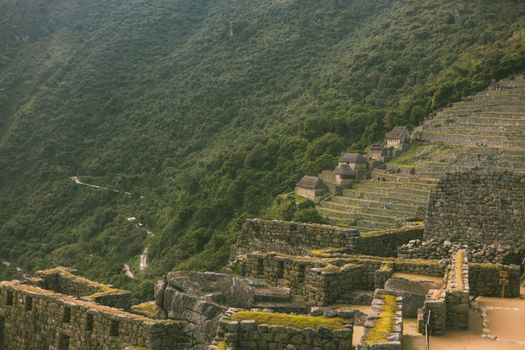
Beyond the Inca Citadel: Unveiling Peru's Secret Archaeological Wonders
I stepped off the rattling train in Ollantaytambo, the crisp Andean air, thin and cool, stinging my lungs. The scent of woodsmoke mingled with something earthy and ancient, a perfume that whispered of centuries past. Unlike the hurried, almost frantic energy I’d heard about at Machu Picchu, here, a gentle hum of local life pulsed through the cobblestone streets. Locals in vibrant textiles chatted in Quechua, their voices a melodic counterpoint to the distant bleating of llamas. This was the Peru I’d dreamed of – raw, authentic, and refreshingly uncrowded. While Machu Picchu rightfully holds its crown, the real magic, I’ve discovered, often lies just beyond the well-trodden path.
For years, the iconic image of Machu Picchu has dominated travel dreams, a siren song for adventurers. But the reality? A bustling, often overwhelming tourist hub. As a seasoned explorer and someone who thrives on uncovering the soul of a destination, I’ve made it my mission to find those places that offer a similar awe-inspiring experience, but with the tranquility and intimacy that truly allows you to connect with history. These are the Machu Picchu alternatives without the crowds, the hidden gems that experts are whispering about, and they are utterly spectacular.
1. Choquequirao: The "Other" Machu Picchu, Unveiled
Imagine soaring condors, mist-shrouded peaks, and stone terraces that cascade down impossibly steep slopes. This is Choquequirao, often hailed as Machu Picchu's "sister city" and, for many, a far more rewarding adventure. Getting here is an undertaking – a multi-day trek that’s not for the faint of heart, but the rewards are immeasurable.
The Trek:
The most common route is a challenging 4-day, 3-night round trip from Capuliyoc, descending into the Apurímac Canyon and then ascending to the ruins. It’s a serious hike, with significant elevation changes. Think steep switchbacks, river crossings, and the relentless Andean sun. But the feeling of earning your view, of being one of the few to witness this majestic site in its untouched glory, is unparalleled.
Insider Tip:
Hire a muleteer and mules to carry your main gear. It significantly reduces the physical strain, allowing you to focus on the breathtaking scenery and the historical significance of the journey. Pack plenty of water purification tablets or a good filter; the river water is your lifeline.
What Makes it Special:
Unlike Machu Picchu, Choquequirao is largely unrestored, giving you a visceral sense of discovery. You’ll wander through its plazas, temples, and residential areas, imagining the lives of the Inca elite who once resided here. The famous "Serpent Terraces" are a marvel of engineering, clinging precariously to the mountainside. The silence here is profound, broken only by the wind and the calls of unseen birds.
Quick Facts: Choquequirao
- Estimated Cost: Trekking tours can range from $300-$600+ USD per person, depending on group size and inclusions (guide, food, mules). Independent trekking requires permits and camping gear.
- Best Time to Visit: May to September (dry season). Avoid the rainy season (November to March) as trails can be dangerous.
- How to Get There: Fly into Cusco. Take a bus or private transfer to Abancay, then a taxi or collectivo to the Capuliyoc trailhead.
2. Ollantaytambo: A Living Inca Town and Fortress
While many travelers use Ollantaytambo as a jumping-off point for Machu Picchu (via the train), they often miss the town itself. This isn't just another ruin; it's a vibrant, living Inca settlement, one of the best-preserved in Peru. The narrow, cobblestone streets are still lined with Inca-era water channels, and the local people continue to inhabit these ancient structures.
The Fortress:
Perched dramatically above the town, the Ollantaytambo ruins are a formidable Inca fortress and ceremonial center. The sheer scale of the stonework is astounding, particularly the Temple of the Sun, with its massive monolithic stones perfectly carved and fitted.
Pro-Tip:
Arrive early, around 8 AM, before the day-trippers from Cusco. Climb to the very top of the terraces for panoramic views of the town and the surrounding Sacred Valley. Don't miss the Inca quarry at the top, where you can see the unfinished colossal stones and the ingenious methods used to transport them.
What Makes it Special:
The integration of ancient architecture with modern life is captivating. You can feel the history beneath your feet as you explore. The energy here is different from other sites – it feels more grounded, more lived-in. The local market is a riot of color and flavor, offering everything from alpaca sweaters to exotic fruits.
Budget/Logistics: Ollantaytambo
- Estimated Cost: Entrance fee is part of the Boleto Turístico (Tourist Ticket) for Cusco, which costs around $40 USD for a 1-day pass or $130 USD for a 10-day comprehensive pass.
- Best Time to Visit: Year-round, but the shoulder seasons (April-May, September-October) offer pleasant weather and fewer crowds.
- How to Get There: Easily accessible by bus or colectivo from Cusco (approx. 1.5-2 hours). The train to Machu Picchu also departs from here.
3. Pisac: Terraces, Markets, and a Royal Retreat
Pisac, another gem in the Sacred Valley, offers a trifecta of wonders: a sprawling Inca ruin, a vibrant artisan market, and a charming colonial town. While the market draws many, the archaeological site itself, perched high on a mountain ridge, is often overlooked by those rushing to bigger names.
The Ruins:
Pisac’s agricultural terraces are among the most extensive and impressive in the Sacred Valley, ingeniously carved into the steep mountainside. The site also includes a royal palace, a ceremonial center, and an Inca cemetery with thousands of tombs. The views from the top are simply breathtaking, stretching across the valley to the snow-capped peaks beyond.
Insider Scoop:
The hike from the town to the ruins is steep but rewarding. Alternatively, you can take a taxi or collectivo part of the way up. Visit the ruins in the morning, then descend to the town for the market, which is most vibrant on Tuesdays, Thursdays, and Sundays.
What Makes it Special:
The combination of stunning natural beauty and sophisticated Inca engineering is awe-inspiring. The feeling of standing on those ancient terraces, with the wind whipping around you, is incredibly powerful. The market is a sensory delight, filled with the aroma of local spices, the chatter of vendors, and the vibrant hues of hand-woven textiles. Don't be afraid to haggle respectfully!
Quick Facts: Pisac
- Estimated Cost: Entrance fee is part of the Boleto Turístico. Market purchases are variable.
- Best Time to Visit: Year-round. Market days are busiest.
- How to Get There: Frequent collectivos run from Cusco to Pisac (approx. 45 mins - 1 hour).
4. Kuelap: The Fortress in the Clouds (Chachapoyas Region)
Venture north of Cusco, and you’ll discover a different, yet equally captivating, chapter of Peru’s ancient history in the Chachapoyas region. Kuelap is a monumental pre-Inca walled city, built by the "Warriors of the Clouds" – the Chachapoya people. This site predates Machu Picchu and offers a distinct architectural style and a more remote, adventurous feel.
The Ascent:
The modern cable car system from the town of Nuevo Tingo to Kuelap is a game-changer, making this once-remote fortress accessible to more travelers. The ride itself offers spectacular views of the cloud forest landscape.
Expert Insight:
While the cable car is efficient, for a truly immersive experience, consider hiking a portion of the trail. The ruins themselves are vast, with hundreds of circular stone dwellings, ceremonial platforms, and defensive walls. Explore the inner citadel and imagine the lives of this fascinating culture.
What Makes it Special:
Kuelap feels ancient and mysterious. Its remote location and the unique architecture of the Chachapoyas people set it apart. The sheer scale of the fortifications is impressive, and the surrounding cloud forest adds an ethereal quality. This is an experience that feels like true discovery.
Budget/Logistics: Kuelap
- Estimated Cost: Round-trip cable car ticket is around $20 USD. Entrance fee is separate (approx. $5-10 USD). Flights to Jaén or Tarapoto, followed by a bus/taxi to Chachapoyas town, are required.
- Best Time to Visit: April to October (drier season).
- How to Get There: Fly into Jaén (JAE) or Tarapoto (TPP) from Lima. Take a bus or private transfer to Chachapoyas (approx. 4-6 hours from Jaén). From Chachapoyas, take a bus or taxi to Nuevo Tingo for the cable car.
5. Moray: The Inca's Agricultural Laboratory
Just a short distance from the Maras salt mines, Moray is an archaeological marvel that often gets overshadowed. It consists of a series of concentric, circular agricultural terraces carved into the earth. The genius lies in the microclimates created by the different levels, allowing the Incas to experiment with growing a vast array of crops.
The Experience:
Walking around the different terraces, you can feel the subtle temperature changes. It’s a testament to the Incas' advanced understanding of agriculture and their ability to adapt to diverse Andean environments.
Pro-Tip:
Combine a visit to Moray with the Maras salt mines for a half-day excursion from Cusco or the Sacred Valley. Hire a local guide to truly appreciate the scientific ingenuity behind this site.
What Makes it Special:
The sheer visual impact of the geometric patterns is striking. It’s a place that sparks curiosity and wonder about Inca innovation. The surrounding landscape is also beautiful, offering a peaceful respite.
Quick Facts: Moray
- Estimated Cost: Entrance fee is part of the Boleto Turístico.
- Best Time to Visit: Year-round.
- How to Get There: Easily accessible by taxi or tour from Cusco or the Sacred Valley.
The Unseen Inca Trails: Beyond the Classic Route
If the idea of the Inca Trail beckons but the crowds deter you, consider these expert-recommended alternatives:
- Lares Trek: This 3-4 day trek takes you through remote Andean villages, offering a deep immersion into Quechua culture. You’ll see traditional weaving, interact with local communities, and witness stunning mountain scenery without the hustle of the Inca Trail.
- Salkantay Trek: A more challenging 5-day trek that offers breathtaking views of snow-capped peaks, including Salkantay mountain. It’s a spectacular route that culminates with a descent into the cloud forest, eventually leading to Aguas Calientes (Machu Picchu town), but from a different, less crowded approach.
- Choquequirao Trek (as mentioned above): This is arguably the most rewarding alternative for serious trekkers seeking a profound connection with the Inca past.
Embracing the Authentic Peruvian Spirit
These alternatives to Machu Picchu aren't just about avoiding crowds; they're about experiencing Peru in a more profound and authentic way. It’s about connecting with the land, understanding the ingenuity of ancient civilizations, and engaging with the vibrant culture that continues to thrive.
When you step off the beaten path, you’re not just seeing ruins; you’re feeling the pulse of history. You’re breathing in the same air as the Incas, hearing the echoes of their lives in the rustling leaves and the distant calls of shepherds. The smells of local markets, the taste of chicha morada, the warmth of a genuine smile from a local – these are the treasures that await.
So, while the allure of Machu Picchu is undeniable, I urge you to look beyond the postcard image. Seek out these hidden gems, these expert-recommended alternatives. You’ll find not just awe-inspiring landscapes and ancient wonders, but a deeper, richer, and ultimately more unforgettable Peruvian adventure.
---