The Hook: Whispers of the Andes, Not the Roar of the Crowd
I stepped off the train in Ollantaytambo, the air thick with the scent of damp earth and woodsmoke, a stark contrast to the hurried bustle I’d imagined for a gateway to the Inca heartland. The gentle murmur of Quechua drifted from a nearby market stall, where women in vibrantly woven skirts arranged pyramids of impossibly colorful potatoes. This was it – the real Peru, the one that doesn't make it onto every postcard. I was in search of the magic of Machu Picchu, yes, but I craved it unvarnished, untamed, and most importantly, without the endless queue. And this spring, the universe delivered.
Beyond the Citadel: Unveiling Peru's Hidden Marvels
Machu Picchu is undeniably spectacular. But the truth is, its very fame can dilute the experience. This spring, a wave of intrepid travelers is seeking out its lesser-known brethren, places where you can still feel the ancient stones breathe beneath your fingertips and the silence speaks volumes. Forget the packed Inca Trail; there are other paths, other stories waiting to be discovered.
Choquequirao: The "Other" Inca Sanctuary
Often dubbed Machu Picchu's "sacred sister," Choquequirao is a colossal Inca complex perched dramatically on a mountain ridge, accessible only by a challenging, multi-day trek. This isn't a casual day trip; it's an expedition.
- The Vibe: Rugged, remote, and utterly rewarding. The sheer scale of Choquequirao, with its agricultural terraces cascading down the mountainside and the intricate stonework of its temples, is breathtaking. You'll feel like a true explorer as you navigate its sprawling ruins, often with only the condors for company.
- Insider Tip: The most popular trek starts from Capuliyoc. Pack plenty of water and electrolytes – the descent can be brutal, but the views are your constant reward. Consider hiring a local guide; their knowledge of the flora, fauna, and Inca history is invaluable.
- Pro-Tip: Visit during the dry season (May to September) for the best trekking conditions. Even then, expect unpredictable mountain weather.
Kuelap: The Fortress of the Cloud Warriors
High in the northern Amazonian Andes, Kuelap is a pre-Inca walled city built by the Chachapoyas people, the "Cloud Warriors." This imposing citadel predates Machu Picchu by centuries and offers a glimpse into a distinct and fascinating culture.
- The Vibe: Mystical and monumental. Imagine walking through immense stone walls, some reaching 30 feet high, adorned with striking geometric patterns. The circular houses, still remarkably intact, whisper tales of a sophisticated civilization.
- How to Get There: The game-changer for Kuelap access is the cable car. It whisks you up from the town of Tingo Nuevo in about 20 minutes, depositing you right at the fortress entrance. This dramatically reduces the hiking time and makes it far more accessible than it once was.
- Pro-Tip: Allocate a full day to explore Kuelap. The site is vast, and there are fascinating smaller ruins and natural wonders in the surrounding area, like the Gocta Waterfall.
Moray: The Inca's Agricultural Laboratory
While not a city, Moray is an archaeological marvel that demands attention. These concentric, circular terraces, descending into the earth, are believed to have been an agricultural research station for the Incas, experimenting with different microclimates to cultivate crops.
- The Vibe: Enigmatic and ingenious. Standing at the rim, you can almost feel the intellectual curiosity of the Incas. The precision of the stonework and the sheer scale of the terraces are awe-inspiring.
- Pro-Tip: Combine a visit to Moray with the nearby Maras Salt Mines. The stark white of the salt pans against the green valley is a visually stunning contrast.
- Insider Language: You'll notice distinct temperature variations within each circular level, a testament to their advanced understanding of agronomy. The local guides will point out how they likely used this to cultivate diverse crops like corn, potatoes, and quinoa.
Ollantaytambo: The Living Inca Town
Often overlooked as just a transit point, Ollantaytambo is a captivating "living Inca town." People still reside in the ancient Inca buildings, and the town's layout and water channels remain largely unchanged.
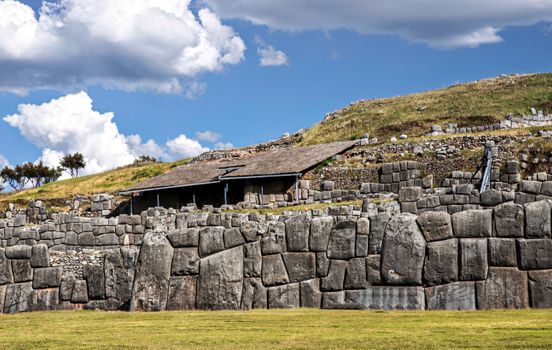
- The Vibe: Authentic and atmospheric. Wander through narrow cobblestone streets, past Inca stonework that forms the foundations of modern homes. The impressive fortress complex overlooking the town offers panoramic views and a glimpse into Inca military architecture.
- Pro-Tip: Arrive early in the morning or late in the afternoon to avoid tour groups. Explore the less-visited sections of the fortress, like the Temple of the Sun, for a more intimate experience.
- Sensory Detail: The sound of rushing water from the ancient aqueducts is a constant, soothing presence, a reminder of the Inca's mastery of hydraulics.
Pisac: Sun, Scenery, and Sacred Ruins
Pisac
offers a trifecta of experiences: a vibrant market, a stunning Inca ruin, and a charming town. The ruins, perched high above the valley, are a testament to Inca agricultural prowess and strategic planning.
- The Vibe: Panoramic and peaceful. The agricultural terraces are some of the most extensive and well-preserved in the Sacred Valley. The views from the top are simply spectacular, stretching across the valley floor.
- Pro-Tip: The market is most vibrant on Sundays, Tuesdays, and Thursdays. For a quieter experience at the ruins, visit on a weekday morning. The hike from the town to the ruins is rewarding but steep; consider a taxi or collectivo to the upper parking lot if time is limited.
- Authenticity: Look for the intricate stonework in the residential sector and the Temple of the Sun. The way the stones are fitted together without mortar is a hallmark of Inca masonry.
The Budget & Logistics: Making Your Escape a Reality
Here's a quick breakdown to help you plan your crowd-free Peruvian adventure this spring:
| Destination | Estimated Cost (USD) | Best Time to Visit (Spring) | How to Get There |
| :----------------- | :------------------- | :-------------------------- | :--------------------------------------------------------------------------------------------------------------------------------------------------------------------------------- |
| Choquequirao | $300 - $600 (trek) | May - June | Fly into Cusco (CUZ). Take a bus/taxi to Abancay, then a local bus or taxi to Capuliyoc (trek start point). Requires 4-5 days trekking. |
| Kuelap | $50 - $150 (access) | April - June | Fly into Jaen (JAE) or Tarapoto (TPP). Take a bus or taxi to Chachapoyas. From Chachapoyas, take a taxi or collectivo to Tingo Nuevo for the cable car. |
| Moray & Maras | $20 - $50 | April - June | Day trip from Cusco or Ollantaytambo. Hire a taxi or join a small group tour. |
| Ollantaytambo | $15 - $30 | April - June | Train from Cusco to Ollantaytambo (approx. 1.5-2 hours). Can also be reached by taxi or collectivo. |
| Pisac | $15 - $30 | April - June | Collectivo from Cusco to Pisac town (approx. 1 hour). Taxis are also available. |
Spring Travel Notes:
* Shoulder Season Advantage: April and May are generally considered the sweet spot of spring in Peru. You'll experience fewer crowds than in peak season, and the landscapes are lush after the rainy season.
* Weather Variability: While generally drier, expect some rain showers, especially in the early spring. Pack layers and waterproof gear.
* Booking Ahead: Even for these less-crowded sites, booking accommodation and transport in advance is wise, especially if you're traveling during Easter week or other local holidays.
Embracing the Authentic: Beyond the Tourist Trail
What truly sets these alternatives apart is the opportunity for genuine connection. You're not just seeing ruins; you're stepping into living history, interacting with communities that have preserved their traditions for generations.
- Taste the Andes: Sample chicha, a fermented corn drink, in a local picantería. Savor cuy (guinea pig) if you're adventurous, or delight in the simple perfection of lomo saltado made with locally sourced ingredients.
- Hear the Stories: Engage with local guides. Ask about the chullpas (pre-Inca burial towers) at Kuelap, or the legends surrounding the terraces of Moray. Their insights are the threads that weave a richer tapestry of understanding.
- Feel the Connection: In Choquequirao, the silence is profound. You can almost feel the energy of the Inca who walked these paths centuries ago. It's a spiritual experience that’s hard to replicate amidst a throng of tourists.
Why This Spring is the Time to Go
This spring, the stars have aligned for the discerning traveler. The world is reawakening, and the call of adventure is stronger than ever. By choosing these Machu Picchu alternatives without the crowds, you're not just getting a better travel experience; you're supporting sustainable tourism and preserving these incredible sites for future generations. You're opting for depth over volume, for connection over consumption.
So, pack your sense of wonder, your sturdy hiking boots, and your open heart. Peru's hidden wonders are calling. Will you answer?
---