The Hook: The Scent of Woodsmoke and Ancient Stories
I stepped off the rattling local bus, the crisp mountain air biting at my cheeks. It wasn't the usual postcard-perfect vista that hit me first, but the smell. A sweet, earthy aroma of woodsmoke mingled with something floral, something I couldn't quite place. Then came the sound – a rhythmic tap-tap-tap, a gentle, insistent beat that seemed to pulse from the very heart of the village. This was San Lorenzo de la Sierra, a place whispered about by those in the know, a community breathing life back into a craft that time had nearly forgotten: hand-carved wooden alebrijes. Forget dusty museums; this was living history, vibrant and alive, and I was about to become a part of it.
The Rise of the Artisan Revival: Why Your Travel Matters
In an age of rapid globalization and mass production, a powerful counter-movement is gaining momentum. Across the globe, communities are rediscovering and revitalizing ancient artisanal traditions. These aren't just quaint hobbies; they are the threads that weave the tapestry of cultural identity, the stories passed down through generations, and the livelihoods of countless artisans. Travel advisors are increasingly highlighting these "craft revival" destinations because they offer a profound and authentic travel experience, one that directly supports the preservation of heritage and empowers local economies. Your journey isn't just a vacation; it's an investment in cultural survival.
The Urgency: Why Now?
Many of these crafts are on the precipice. Younger generations, lured by urban opportunities, often lack the interest or the training to continue their ancestral skills. Economic pressures can force artisans to abandon their workshops for less demanding, often less fulfilling, work. Tourist support provides vital income, creating a sustainable economic incentive for these traditions to thrive. It shows communities that their heritage has value, both culturally and economically.
Destination Deep Dive: San Lorenzo de la Sierra, Mexico - The Alebrije Renaissance
My visit to San Lorenzo de la Sierra, nestled in the misty mountains of Oaxaca, was a revelation. This village, once on the brink of losing its alebrije carving tradition, is now a buzzing hub of creativity. The air here is thick with the scent of copal incense and the sweet, sharp tang of freshly cut wood.
H2: The Art of the Alebrije: From Dreams to Wood
Alebrijes are fantastical creatures, born from the vibrant imagination of Mexican folk art. Historically, they were carved from copal wood, each one unique, a whimsical blend of animal forms and psychedelic colors. In San Lorenzo, this tradition is being passionately resurrected.
- The Process: I watched, mesmerized, as Don Ricardo, his hands gnarled but incredibly nimble, transformed a block of copal wood into a creature that seemed to leap from a fever dream. He explained that the process begins with a sketch, often inspired by dreams or local folklore, followed by meticulous carving, sanding, and finally, the explosion of color.
- The Colors: The pigments are often derived from natural sources – cochineal for reds, indigo for blues, marigold for yellows. The intricate patterns, from swirling galaxies to delicate floral motifs, are painted with astonishing precision.
Pro-Tip: Visit the Workshops Early
To witness the true magic, aim to visit the workshops between 8 AM and 11 AM.
This is when artisans are most actively carving and painting, before the midday sun makes the work more challenging. Many artisans are happy to have visitors observe, and some even offer short, informal demonstrations. Look for the hand-painted signs outside their homes – they often indicate an open workshop.
Quick Facts: San Lorenzo de la Sierra, Oaxaca
| Category | Details |
| :---------------- | :--------------------------------------------------------------------------- |
| Estimated Costs | $ (Budget-friendly to Mid-range) <br> Accommodation: $30-70/night <br> Meals: $10-20/day <br> Alebrije purchase: $50 - $500+ (depending on size & detail) |
| Best Time to Visit | November to April (Dry season, pleasant temperatures). Avoid major Mexican holidays if you prefer fewer crowds. |
| How to Get There | Fly into Oaxaca City (OAX). From Oaxaca, take a local bus or hire a private taxi (approx. 2-3 hours). The journey itself is scenic. |
Authenticity Check: Beyond the Tourist Trail
Don't just buy the first alebrije you see. Engage with the artisans. Ask about their family's history with the craft. Some of the most profound experiences come from visiting smaller, family-run workshops tucked away on side streets. I found a gem behind a bright blue door, where a young woman named Sofia was meticulously painting feathers onto a magnificent feathered serpent, a technique passed down from her grandmother. Her passion was palpable, and her prices were incredibly reasonable.
Destination Deep Dive: Kyoto, Japan - The Enduring Elegance of Nishijin Textiles
Kyoto, the ancient imperial capital of Japan, is a city steeped in tradition. While many flock to its temples and gardens, a crucial part of its cultural heart beats within the workshops of Nishijin, the city's historic weaving district. Here, the intricate art of Nishijin-ori (Nishijin weaving) is being meticulously preserved, a craft that has adorned kimonos, obi sashes, and tapestries for over a millennium.
H2: The Silk Threads of Time: Nishijin-ori
Nishijin weaving is renowned for its complex patterns, rich textures, and the exquisite sheen of its silk threads. It's a process that demands immense skill, patience, and an artistic eye.
- The Craftsmanship: Witnessing the looms in action is like stepping back in time. The rhythmic clatter of the machinery, the whirring of threads, and the silent concentration of the weavers create an almost meditative atmosphere. Each intricate motif, from soaring cranes to delicate cherry blossoms, is woven thread by thread.
- The Materials: High-quality silk, often dyed with traditional techniques, is the primary material. The precision in selecting and threading thousands of individual silk strands is breathtaking.
Pro-Tip: Book a Workshop Experience
Many Nishijin weaving studios offer workshops where you can try your hand at simple weaving techniques or even dye your own silk threads. Book these in advance, as they are popular. A half-day workshop provides a tangible connection to the craft and a deeper appreciation for the labor involved. My experience weaving a small coaster was incredibly rewarding.
Quick Facts: Nishijin, Kyoto, Japan
| Category | Details |
| :---------------- | :-------------------------------------------------------------------------------------------------------------------------------------- |
| Estimated Costs | $$ (Mid-range to High-end) <br> Accommodation: $100-250+/night <br> Meals: $30-60/day <br> Workshop: $50-150 <br> Nishijin textile purchase: $100 - $1000+ |
| Best Time to Visit | Spring (March-May) for cherry blossoms and pleasant weather. Autumn (September-November) for vibrant fall foliage. |
| How to Get There | Fly into Kansai International Airport (KIX) near Osaka. Take the Haruka Express train to Kyoto Station (approx. 75 minutes). Nishijin is accessible by bus or subway from Kyoto Station. |
Authenticity Check: The Hidden Studios
While some larger Nishijin showrooms exist, the true heart of the craft lies in the smaller, family-run ateliers. Look for signs with traditional calligraphy and the distinct symbol of the Nishijin Textile Center. Don't be afraid to peek into open doorways; many artisans welcome respectful observation. I stumbled upon a tiny studio where an elderly master was working on a tapestry for a royal commission, his dedication a testament to centuries of skill.
Destination Deep Dive: The Atlas Mountains, Morocco - Berber Pottery's Earthy Soul
The stark, rugged beauty of Morocco's High Atlas Mountains is home to vibrant Berber communities, whose artistic traditions have remained remarkably intact. Among the most captivating is their unique style of pottery, characterized by its earthy tones, geometric patterns, and distinctive forms.
H2: Clay Whispers: The Art of Berber Pottery
Berber pottery is more than just functional; it's a visual language, a reflection of the landscape and the spiritual beliefs of its creators.
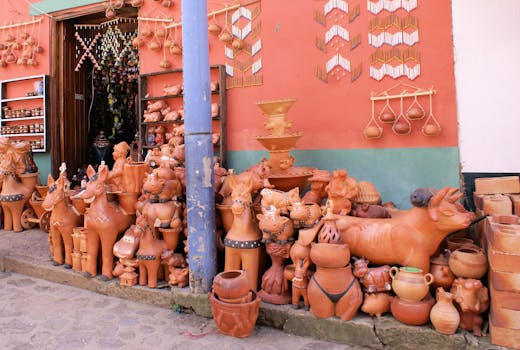
- The Earthy Palette: Unlike the brightly colored ceramics found elsewhere in Morocco, Berber pottery often features a natural, unglazed finish, showcasing the rich red and brown hues of the local clay. The decorative elements are typically incised or painted using natural pigments, creating a subtle yet striking aesthetic.
- The Designs: Geometric patterns, often symbolic of protection, fertility, or the natural world, are a hallmark of Berber pottery. These designs are not merely decorative; they carry deep cultural significance.
Pro-Tip: Stay in a Traditional Guesthouse
To truly immerse yourself in the world of Berber pottery, consider staying in a traditional riad or guesthouse in a Berber village. Many of these guesthouses are run by local families who can arrange introductions to potters, and some even offer hands-on workshops. The warmth of their hospitality is as enriching as the craft itself.
Quick Facts: High Atlas Mountains, Morocco
| Category | Details |
| :---------------- | :----------------------------------------------------------------------------------------------------------------------------------------------------------------------------------------------- |
| Estimated Costs | $ (Budget-friendly) <br> Guesthouses: $40-80/night <br> Meals: $15-30/day <br> Pottery purchase: $10 - $100+ |
| Best Time to Visit | Spring (March-May) and Autumn (September-November) offer pleasant temperatures for hiking and exploring. Summer can be very hot. |
| How to Get There | Fly into Marrakech Menara Airport (RAK). From Marrakech, hire a private taxi or join a guided tour to the High Atlas villages (e.g., Imlil, Ourika Valley). The drive can be winding but spectacular. |
Authenticity Check: The Village Potter
Seek out potters working in their villages, not just in tourist markets.
In the High Atlas, you might find potters working in open-air courtyards or simple workshops attached to their homes. Don't be shy about showing genuine interest. I spent a fascinating afternoon with a woman named Fatima, who explained the meaning behind each zig-zag and diamond in her designs, her hands stained with the very earth she worked.
How Your Travel Advisor Can Be Your Craft Revival Champion
Finding these hidden gems and navigating the nuances of supporting local artisans can be challenging. This is where a savvy travel advisor becomes invaluable.
- Insider Access: A good advisor will have connections with local guides and communities, opening doors to authentic experiences and workshops that aren't advertised online.
- Ethical Sourcing: They can help ensure your purchases directly benefit the artisans and their communities, rather than middlemen.
- Logistical Expertise: From arranging transport to recommending accommodations that support local economies, they handle the complexities so you can focus on the experience.
- Cultural Sensitivity: They can provide essential tips on respectful engagement with local communities and traditions.
Pro-Tip:
When booking with your travel advisor, explicitly mention your interest in supporting traditional crafts. This will help them tailor your itinerary to include these impactful experiences.
The Lasting Impression: More Than Just a Souvenir
When I returned home from San Lorenzo de la Sierra, clutching a vibrantly painted alebrije, it wasn't just a pretty object. It was a tangible reminder of Don Ricardo's steady hands, Sofia's infectious enthusiasm, and the resilience of a community breathing new life into its heritage.
These craft revivals are not just about preserving the past; they are about building a sustainable future. By choosing to travel with intention, by seeking out these artisans and supporting their work, you become a vital part of their story. You leave with more than just a souvenir; you leave with a connection, a deeper understanding, and the profound satisfaction of knowing your journey made a difference.