The Hook: A Whisper of the Andes, Not a Roar
I stepped off the tiny, rattling bus, the crisp Andean air biting at my cheeks. It wasn't the humid, tourist-choked air of Aguas Calientes. Instead, it was a symphony of silence, broken only by the distant bleating of llamas and the whisper of wind through ancient stones. The scent of damp earth and wild herbs filled my nostrils, a primal perfume far removed from the souvenir stands and hurried footsteps I'd imagined. Before me, bathed in the soft, diffused light of an overcast morning, lay a city carved from the very mountainside, waiting, patient and profound, for someone to truly see it. This wasn't Machu Picchu, but a place that held its soul, its mystery, and its breathtaking beauty – entirely for me.
For years, Machu Picchu has been the undisputed queen of Peruvian travel, a bucket-list item so iconic it’s practically synonymous with the country. And for good reason. It’s a marvel of human ingenuity and natural splendor. But let’s be honest, the magic can get a little lost in the throngs. The selfie-stick forest, the constant murmur of tour groups, the sheer logistical ballet required to get in – it can all detract from the profound connection you crave with these ancient wonders.
This year, the travel landscape is shifting. Savvy explorers are seeking experiences that offer the same awe-inspiring beauty and historical depth, but with an intimate, unhurried feel. They’re looking for the whisper, not the roar. And I’ve found them. Forget the queues; let’s talk about enchantment.
Beyond the Citadel: The True Heart of the Andes
While Machu Picchu is undeniably spectacular, the Inca Empire's genius wasn't confined to one mountaintop. Their civilization stretched across vast swathes of the Andes, leaving behind an incredible legacy of architectural brilliance, spiritual significance, and breathtaking landscapes. These lesser-known sites offer a more personal, profound connection to that legacy, often in settings that are just as, if not more, stunning.
1. Choquequirao: The "Other" Sacred City
Often dubbed Machu Picchu's "sister city," Choquequirao is a colossal Inca citadel perched dramatically on a ridge overlooking the Apurímac River canyon. The journey here is an adventure in itself, a challenging but incredibly rewarding trek that deters the casual visitor.
Why it's a crowd-free gem:
The primary barrier to entry is the demanding trek. It typically takes 4-5 days round trip, involving significant elevation changes and rugged terrain. This ensures that only dedicated hikers experience its grandeur.
What to expect:
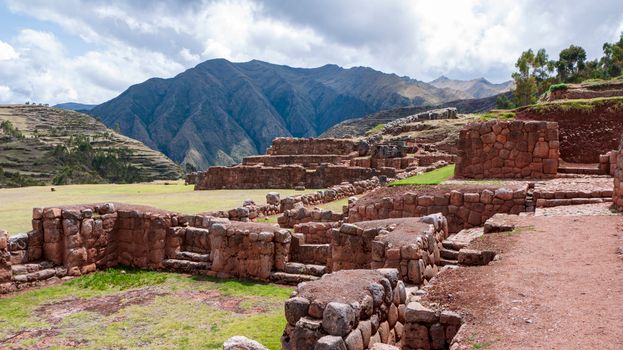
Imagine vast agricultural terraces cascading down impossibly steep slopes, intricate stonework that rivals Machu Picchu's finest, and panoramic views that will steal your breath. You'll find ceremonial plazas, residential sectors, and the famous "Llamas of the Sun" frieze, a unique artistic depiction etched into a retaining wall. The silence here is profound, broken only by the wind and the occasional condor soaring overhead.
Pro-Tip:
Pack light but smart. Trekking poles are essential for the descents. Hire a local guide; their knowledge of the Inca history and the local flora and fauna is invaluable.
2. Ollantaytambo: A Living Inca Town
While many visitors pass through Ollantaytambo on their way to Machu Picchu, few truly appreciate its significance as a living Inca town. This is one of the best-preserved examples of Inca urban planning, with original street layouts, water channels, and buildings still in use today by locals.
Why it's a crowd-free gem (relatively):
While it sees day-trippers, it lacks the sheer volume of Machu Picchu. Most people are rushing through. Staying overnight allows you to experience its magic after the crowds depart.
What to expect:
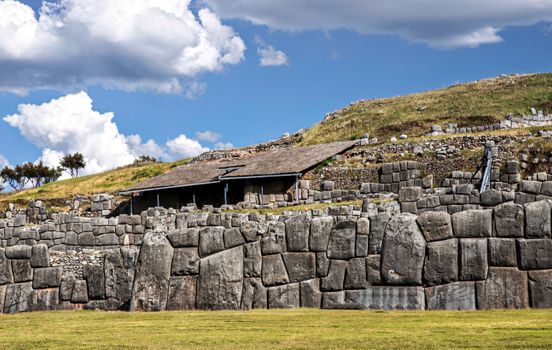
The imposing Inca fortress, with its massive terraces and megalithic stones, dominates the town. But wander down the narrow cobblestone streets, and you'll find homes with Inca foundations, ancient Inca water fountains still flowing with crystal-clear water, and a palpable sense of continuity. The local market is a vibrant explosion of color and aroma, offering a genuine taste of Andean life.
Insider Lingo:
The stonework here is called ashlar, where stones are cut so precisely they fit together without mortar. Look for the Inca Oven (horno inca) – a fascinating example of their engineering.
Pro-Tip:
Hike up to the Sun Gate (Inti Punku) for a stunning sunset view over the ruins and the valley. Visit the local chicherías (corn beer taverns) for an authentic evening experience.
3. Pisac: Terraces and a Vibrant Market
Nestled in the Sacred Valley, Pisac offers a trifecta of Inca ruins, a vibrant indigenous market, and stunning valley views. The archaeological site is perched high on a mountain, a sprawling complex of terraces, military structures, and ceremonial areas.
Why it's a crowd-free gem:
While the market is popular on Sundays, the ruins themselves are far less visited than Machu Picchu, especially during the week. The trek up to the main ruins can be strenuous, acting as a natural filter.
What to expect:
The agricultural terraces are an engineering marvel, ingeniously carved into the steep mountainside. Explore the Inca city, with its intricate stonework, astronomical observatories, and the famous Intihuatana (hitching post of the sun) – a sacred stone used for astronomical purposes. The market, particularly on Sundays, is a sensory delight, brimming with vibrant textiles, ceramics, and local produce.
Pro-Tip:
Arrive early in the morning to explore the ruins before the main market crowds descend. If you're feeling adventurous, hike the entire circuit of the ruins – it’s a full day of exploration.
4. Kuelap: The Fortress of the Cloud Warriors
Venture north to the Amazonas region, and you’ll discover Kuelap, a massive pre-Inca walled city built by the Chachapoyas people, known as the "Warriors of the Clouds." This incredible site predates Machu Picchu by centuries and offers a truly unique glimpse into a different Andean culture.
Why it's a crowd-free gem:
Kuelap's remote location and the journey involved make it significantly less crowded than its Cusco counterparts. It's a destination for the truly adventurous.
What to expect:
Kuelap is an imposing fortress, surrounded by towering stone walls up to 20 meters high. Inside, over 400 circular stone dwellings, many adorned with intricate geometric designs, are nestled within the citadel. The cloud forest setting is mystical, with mist often swirling around the ancient structures, adding to the atmosphere of mystery.
The Insider Scoop:
The Chachapoyas were renowned for their distinctive white-washed circular houses. Look for the intricate friezes depicting serpents and other symbolic figures.
How to get there:
Fly from Lima to Jaén or Tarapoto, then take a taxi or bus to Tingo Nuevo, and finally a scenic cable car ride up to Kuelap.
Pro-Tip:
Stay overnight in nearby Chachapoyas town to fully immerse yourself in the region. Consider visiting the sarcophagi of Karajia, another Chachapoyan marvel.
5. Sillustani: Pre-Inca Funerary Towers
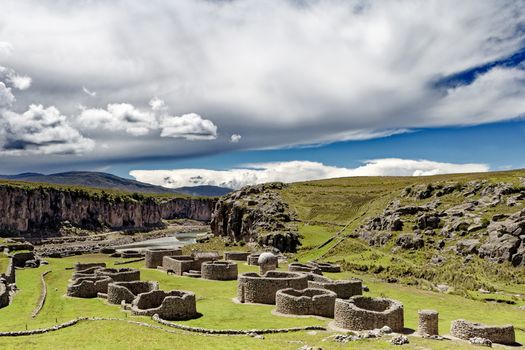
Located on the shores of Lake Umayo near Puno, Sillustani is a fascinating archaeological site featuring impressive chullpas – above-ground burial towers built by the Colla people, who preceded the Incas.
Why it's a crowd-free gem:
Often overlooked by those focused on the Inca Trail or Lake Titicaca, Sillustani offers a serene and contemplative experience.
What to expect:
These striking stone towers, some reaching up to 12 meters high, served as tombs for the Colla nobility. The site offers stunning views of the lake and the surrounding altiplano. It's a place of quiet reflection, where you can ponder the ancient burial practices and the enduring presence of these ancient structures.
Pro-Tip:
Visit during the late afternoon for the most dramatic light on the chullpas and the lake. The drive from Puno is scenic and short.
6. Moray: The Inca Agricultural Laboratory
Another gem in the Sacred Valley, Moray is an archaeological site featuring unique circular agricultural terraces that descend into the earth. These concentric rings, with their varying microclimates, are believed to have been an experimental agricultural station for the Incas.
Why it's a crowd-free gem:
While accessible, it doesn't draw the sheer volume of visitors that Machu Picchu does. It's often visited as part of a Sacred Valley tour, but its unique nature warrants a dedicated visit.
What to expect:
The mesmerizing circular terraces, resembling an amphitheater carved into the earth, are unlike anything else you'll see. The precise construction and the varying soil temperatures within each level showcase the Incas' advanced understanding of agriculture and environmental science.
The Science Behind It:
Researchers believe each level of the terraces created a distinct microclimate, allowing the Incas to experiment with growing different crops at various altitudes and temperatures.
Pro-Tip:
Combine a visit to Moray with the Maras Salt Mines for a full day of unique Sacred Valley exploration.
The Budget & Logistics: Making Your Crowd-Free Dream a Reality
Embarking on these alternative adventures doesn't mean breaking the bank. In fact, many offer a more budget-friendly experience than the highly regulated and often expensive Machu Picchu circuit.
Quick Facts for Your Crowd-Free Peruvian Adventure:
| Destination | Estimated Cost (USD) | Best Time to Visit | How to Get There |
| :--------------- | :------------------- | :---------------------- | :------------------------------------------------------------------------------------------------------------------------------------------------------------------------- |
| Choquequirao | $300 - $700 (trek) | Dry Season (May-Oct) | Trek from Cusco via Cachora or Santa Teresa. Requires 4-5 days. |
| Ollantaytambo| $10 - $30 (entry) | Dry Season (May-Oct) | Train from Cusco to Ollantaytambo. Bus from Cusco to Sacred Valley. |
| Pisac | $10 - $30 (entry) | Dry Season (May-Oct) | Bus from Cusco to Pisac town. Hire a taxi or hike to the ruins. |
| Kuelap | $50 - $150 (travel) | Dry Season (May-Oct) | Fly Lima-Jaén/Tarapoto, then ground transport to Tingo Nuevo, cable car to Kuelap. |
| Sillustani | $5 - $15 (entry) | Dry Season (May-Oct) | Day trip from Puno by taxi or organized tour. |
| Moray | $10 - $30 (entry) | Dry Season (May-Oct) | Part of Sacred Valley tours from Cusco. Can be reached by taxi or private transport. |
Note:
Costs are estimates and can vary based on accommodation, tour operators, and personal spending habits. Entrance fees for archaeological sites are often covered by the Boleto Turístico del Cusco, which is also valid for many Sacred Valley sites.
Pro-Tips for Seamless Travel:
- Book in Advance (for flights and specific tours): While these sites are less crowded, popular trekking companies for Choquequirao, for instance, can book up.
- Altitude Acclimatization: Spend at least 2-3 days in Cusco (or a similar altitude) before embarking on any treks. Drink mate de coca (coca tea).
- Pack Layers: Andean weather is notoriously unpredictable. Be prepared for sun, rain, and cold, sometimes all in one day.
- Hydration is Key: Carry a reusable water bottle and refill it whenever possible.
- Learn Basic Spanish: While many tourism professionals speak English, knowing a few phrases will enhance your interactions with locals.
- Respect Local Customs: Dress modestly when visiting villages and archaeological sites. Always ask permission before taking photos of people.
- Embrace the Journey: The travel to these sites is part of the adventure. Enjoy the stunning landscapes and the authentic encounters along the way.
The Authenticity Factor: More Than Just Stones
What truly sets these alternatives apart is their raw, unadulterated authenticity. You're not just visiting a tourist attraction; you're stepping into a living landscape where ancient history breathes alongside vibrant local culture.
In Ollantaytambo, I watched a woman meticulously weaving a brightly colored mantilla on a backstrap loom, a craft passed down through generations. The aroma of anticuchos (grilled skewers) wafted from a street vendor, a spicy, savory scent that felt as ancient as the stones themselves. At Pisac, the sheer variety of potatoes at the market – purple, yellow, striped – spoke of a deep connection to the land, a culinary heritage as rich as the Inca's engineering feats.
When I stood on the precipice at Choquequirao, the only sound was the rush of the Apurímac River far below. There were no hawkers, no queues, just me and the vastness of the Andes. It was a moment of profound connection, a feeling of being truly present in a place that has witnessed millennia of human history. This is the magic you find when you step off the beaten path. It’s in the taste of freshly baked pan serrano, the warmth of a local smile, the intricate patterns on a hand-embroidered textile, and the quiet grandeur of ruins that haven't been smoothed over by mass tourism.
Your Next Unforgettable Adventure Awaits
Choosing an alternative to Machu Picchu isn't about settling for less; it's about discovering more. It's about experiencing the profound beauty and historical depth of the Andes in a way that is intimate, personal, and utterly unforgettable. These sites offer not just breathtaking views and incredible history, but a genuine connection to a land and a culture that continues to inspire awe.
So, this year, dare to wander. Dare to seek out the whispers of the Andes. You might just find that the most profound discoveries are waiting just beyond the well-trodden path. Your crowd-free Peruvian odyssey awaits!
---