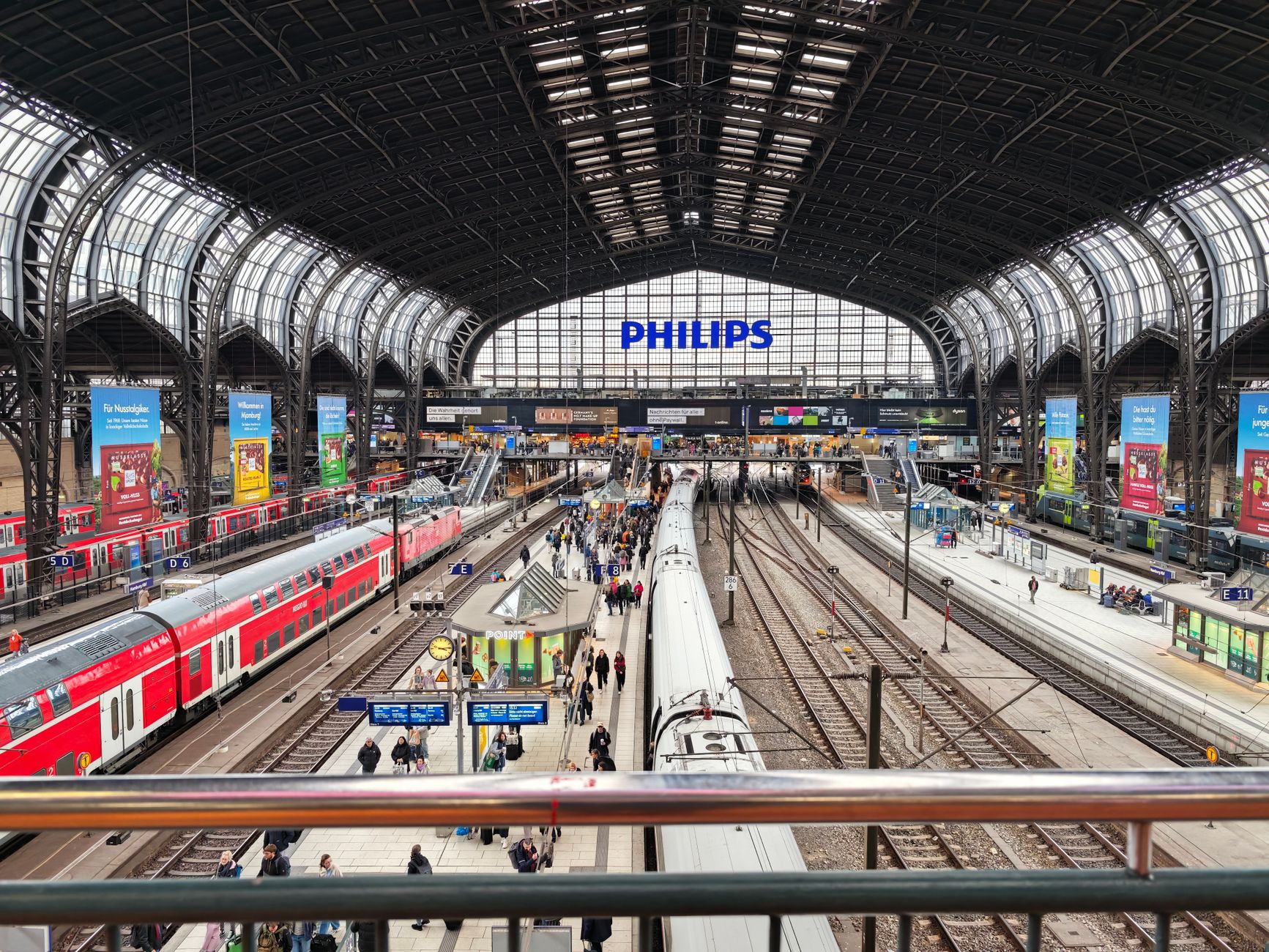
The Hook: The Sweet Scent of Freedom, Not Jet Fuel
I stepped off the train and into the crisp morning air, the scent of freshly baked croissants mingling with the faint, earthy aroma of damp soil from the nearby fields. No frantic dash through a sterile airport terminal, no agonizing wait at baggage claim, just a gentle transition from the rhythmic clickety-clack of the rails to the gentle murmur of a city waking up. This, my friends, is the magic of choosing the train over the plane for those shorter hops. It’s not just about getting from A to B; it’s about the journey itself, a slow unfurling of landscapes, a tangible connection to the places you’re traversing. And right now, more than ever, these train routes are not just viable alternatives; they are superior choices.
Why the Rails Are Winning the Short-Haul War
Let's be honest, those 1-2 hour flights often feel like a mirage of convenience. You spend more time getting to the airport, navigating security, boarding, and then getting from the destination airport to your actual hotel than you do in the air. Add to that the environmental guilt and the often jarring experience of being crammed into a metal tube, and the appeal dwindles.
Trains, on the other hand, offer a civilized, comfortable, and often breathtakingly scenic alternative. They deposit you directly into the heart of cities, allow you to stretch your legs, enjoy a meal with a view, and often prove to be more budget-friendly when you factor in all the hidden costs of flying. The "slow travel" movement isn't just a trend; it's a revelation for conscious travelers.
The Environmental Edge: A Greener Way to Explore
This is a big one. Air travel is a significant contributor to carbon emissions. Opting for a train, especially for journeys under 500 miles, can dramatically reduce your carbon footprint. Many European rail networks, for instance, are powered by renewable energy, making your journey not only enjoyable but also ethically sound. It’s about making choices that benefit not just your vacation, but the planet too.
Comfort and Convenience: Arrive Refreshed, Not Rattled
Forget cramped legroom and recycled air. Train travel offers space to move, comfortable seating, and often, the ability to work or relax with ease. You can enjoy a leisurely meal in a dining car, sip on a local wine while watching the countryside blur past, or simply recline and read. Plus, arriving directly in the city center means you’re often just a short walk or local tram ride from your accommodation. No more expensive airport taxis or convoluted shuttle bus journeys.
The Ultimate Train Routes That Are Ditching Flights
The world is waking up to the joy of train travel, and these routes are leading the charge, proving that sometimes, the old ways are the best ways.
1. The Paris-Amsterdam Express: From Eiffel Tower to Canals in a Flash
This is a classic for a reason. The Thalys high-speed train zips between Paris Gare du Nord and Amsterdam Centraal in just over 3 hours. It’s a journey that effortlessly replaces a flight that would likely take twice as long door-to-door, considering airport transfers and security.
- The Vibe: Sleek, modern, and efficient. The Thalys is a testament to European rail innovation. You’ll glide through picturesque French and Belgian countryside, catching glimpses of charming villages and rolling hills.
- Insider Tip: Book your tickets in advance, especially if you want to snag a seat in the quieter "S" class (equivalent to first class) for an even more comfortable ride. Pro-Tip: Grab a pain au chocolat from a Parisian boulangerie before you board for a truly authentic start to your journey.
- The Journey: You’ll arrive at Amsterdam Centraal, a stunning Neo-Renaissance building that’s a destination in itself, right on the edge of the canal district. From here, it’s a short walk to many hotels or a quick tram ride to explore the city’s famous waterways.
Quick Facts: Paris to Amsterdam
| Feature | Details |
| :-------------- | :------------------------------------------ |
| Train Type | Thalys High-Speed Train |
| Duration | Approx. 3 hours 15 minutes |
| Estimated Cost | $50 - $150+ (depending on booking time/class) |
| Best Time to Visit | Spring (tulips!) or Autumn (crisp air) |
| How to Get There | Depart from Paris Gare du Nord; Arrive at Amsterdam Centraal |
2. The London-Edinburgh Corridor: A Majestic Journey Through Britain
For years, the flight between London and Edinburgh was a go-to. But the East Coast Main Line offers a far more rewarding experience. The LNER Azuma trains are modern, comfortable, and offer stunning views as they race north. The journey takes around 4.5 to 5 hours, a comparable time to flying when you factor in airport logistics.
- The Vibe: Quintessentially British, with a touch of grandeur. You’ll pass through charming English market towns, see the dramatic coastline of Northumberland, and cross the iconic Royal Border Bridge.
- Insider Tip: Opt for a window seat on the right-hand side (when traveling north from London) for the best coastal views. Pro-Tip: Pack a good book and a flask of tea; it’s the perfect setting for some literary immersion.
- The Journey: You’ll arrive at Edinburgh Waverley, a station dramatically carved into the rock beneath Edinburgh Castle. It’s right in the heart of the city, making exploration immediate.
Quick Facts: London to Edinburgh
| Feature | Details |
| :-------------- | :------------------------------------------ |
| Train Type | LNER Azuma |
| Duration | Approx. 4 hours 30 minutes - 5 hours |
| Estimated Cost | $40 - $120+ (depending on booking time/class) |
| Best Time to Visit | Summer (festivals) or late Spring (longer days) |
| How to Get There | Depart from London King's Cross; Arrive at Edinburgh Waverley |
3. The Barcelona-Madrid AVE: Speed and Style Across Spain
Spain’s AVE high-speed train network is world-class. The journey from Barcelona Sants to Madrid Puerta de Atocha takes a mere 2 hours and 30 minutes. This is a prime example of how high-speed rail can genuinely beat short flights for efficiency and comfort.
- The Vibe: Smooth, fast, and sophisticated. The AVE is a marvel of engineering, slicing through the Spanish landscape with remarkable speed. You’ll see arid plains, olive groves, and eventually the outskirts of the bustling capital.
- Insider Tip: The journey is so quick, you might not even need to eat a full meal. Pack some tapas for the ride! Pro-Tip: Consider booking a "Preferente" (first class) ticket for extra legroom and a complimentary snack service.
- The Journey: Madrid Puerta de Atocha is an architectural masterpiece, with a tropical garden inside its old station building. It’s a vibrant hub, perfectly situated to begin your Madrid adventure.
Quick Facts: Barcelona to Madrid
| Feature | Details |
| :-------------- | :------------------------------------------ |
| Train Type | Renfe AVE High-Speed Train |
| Duration | Approx. 2 hours 30 minutes |
| Estimated Cost | $40 - $100+ (depending on booking time/class) |
| Best Time to Visit | Spring or Autumn (pleasant temperatures) |
| How to Get There | Depart from Barcelona Sants; Arrive at Madrid Puerta de Atocha |
4. The Tokyo-Kyoto Shinkansen: The Bullet Train Experience
No list of essential train routes would be complete without Japan's iconic Shinkansen, the bullet train. The Nozomi service between Tokyo and Kyoto takes approximately 2 hours and 15 minutes. It’s an experience that’s synonymous with Japanese efficiency and technological prowess.
- The Vibe: Futuristic, punctual, and incredibly smooth. The Shinkansen is a symphony of precision. You’ll witness the urban sprawl of Tokyo gradually give way to picturesque countryside, with the majestic Mount Fuji often making a breathtaking appearance on clear days.
- Insider Tip: Purchase an Ekiben (station bento box) before boarding for a delicious and authentic Japanese meal on the go. Pro-Tip: Try to sit on the right side of the train (when traveling from Tokyo to Kyoto) for the best chance of spotting Mount Fuji.
- The Journey: Kyoto Station is a modern marvel of steel and glass, a stark contrast to the ancient temples you’re about to explore. It’s a gateway to a city steeped in tradition.
Quick Facts: Tokyo to Kyoto
| Feature | Details |
| :-------------- | :------------------------------------------ |
| Train Type | JR Shinkansen (Nozomi service) |
| Duration | Approx. 2 hours 15 minutes |
| Estimated Cost | $120 - $150+ (can vary with Japan Rail Pass) |
| Best Time to Visit | Spring (cherry blossoms) or Autumn (fall foliage) |
| How to Get There | Depart from Tokyo Station; Arrive at Kyoto Station |
5. The Seattle-Vancouver Corridor: Pacific Northwest Charm by Rail
For those on the West Coast of North America, the Amtrak Cascades service between Seattle and Vancouver, B.C., offers a delightful alternative to a quick flight. The journey takes around 4 hours, weaving along the Puget Sound with stunning water and mountain views.
- The Vibe: Relaxed, scenic, and a breath of fresh air. This route hugs the coastline, offering glimpses of ferries, islands, and the rugged beauty of the Pacific Northwest. It’s a far cry from the sterile cabin of an airplane.
- Insider Tip: Book a seat in the Pacific Northwest Carriage for panoramic windows. Pro-Tip: Keep an eye out for wildlife like seals and eagles along the shoreline.
- The Journey: You’ll arrive at Vancouver Pacific Central Station, conveniently located near the city center, allowing for easy access to public transport and your hotel.
Quick Facts: Seattle to Vancouver
| Feature | Details |
| :-------------- | :------------------------------------------ |
| Train Type | Amtrak Cascades |
| Duration | Approx. 4 hours |
| Estimated Cost | $30 - $70+ (depending on booking time/class) |
| Best Time to Visit | Summer (best weather) or early Autumn (fall colors) |
| How to Get There | Depart from Seattle King Street Station; Arrive at Vancouver Pacific Central Station |
Planning Your Train Adventure: Pro-Tips for Seamless Travel
Choosing the train is just the first step. Here’s how to make your journey even smoother:
- Book in Advance: Like flights, train tickets are generally cheaper when booked well in advance. This is especially true for high-speed routes and during peak travel seasons.
- Understand Seat Classes: Most long-distance trains offer different classes. While standard is usually comfortable, consider upgrading for extra legroom, quieter carriages, or meal services if your budget allows.
- Pack Smart: You’ll have more freedom to move around on a train, so pack a comfortable bag you can easily manage. Consider a backpack or a small rolling suitcase.
- Embrace the Onboard Experience: Don't just sit there! Explore the dining car, strike up a conversation with fellow travelers, or simply find a quiet corner to soak in the scenery.
- Check Luggage Policies: While generally more generous than airlines, it’s always wise to check the specific luggage allowances for your chosen train operator.
- Leverage Station Amenities: Train stations are often hubs of activity. Arrive a little early to grab a coffee, a local snack, or browse the shops.
The Future of Travel is on the Rails
As we become more conscious of our environmental impact and seek more meaningful travel experiences, the train is emerging as the clear winner for short to medium-haul journeys. It’s not just about avoiding the airport; it’s about embracing a more enriching, relaxed, and scenic way to see the world. So, next time you’re planning a trip, ditch the flight and hop on board. Your adventure awaits, one scenic mile at a time.