The air, thin and crisp, carried the faint, earthy scent of damp soil and something subtly floral, a perfume of the high Andes. I stepped off the sputtering local bus, my boots sinking slightly into the muddy track, and the first thing that struck me wasn't a panoramic vista, but a profound quiet. A quiet so deep it felt almost tangible, broken only by the distant bleating of a llama and the murmur of Quechua spoken by a woman tending her small plot of potatoes. This was not the thronged postcard view of Machu Picchu; this was something else entirely. This was the real Peru, the one that exists beyond the selfie sticks and the queues.
January. The wet season in the Andes. For many, this means one thing: a less-than-ideal time to visit the Inca citadel. But for those of us who crave authenticity, who yearn for the echo of history without the cacophony of crowds, January presents an unparalleled opportunity. It's the season when the mountains truly breathe, when the emerald hues of the valleys deepen, and when Peru’s hidden wonders reveal themselves to those willing to seek them out. Forget the January rush; I’m taking you to the heart of the ancient empire, where the spirits of the Incas still dance on the wind, and the only footprints you’ll find are your own.
Beyond the Citadel: Unveiling Peru's Secret Inca Heart
Machu Picchu, yes, it’s magnificent. But Peru is a vast, ancient tapestry woven with threads of Inca ingenuity and pre-Inca mystery. In January, when the clouds often shroud the iconic citadel, it’s the perfect time to explore its less-celebrated, yet equally awe-inspiring, cousins. These are the places where you can touch the stones, feel the energy, and truly connect with a civilization that shaped a continent.
1. Choquequirao: The "Other" Inca Machu Picchu
Imagine a citadel so grand, so strategically placed, that it was once considered a royal estate and religious retreat for the Inca elite. Now, imagine it largely empty. That’s Choquequirao. Often dubbed Machu Picchu’s “sacred sister,” this sprawling complex is perched dramatically on a ridge overlooking the Apurímac Canyon. The journey here is an adventure in itself, typically a multi-day trek that deters the casual visitor.
The Experience:
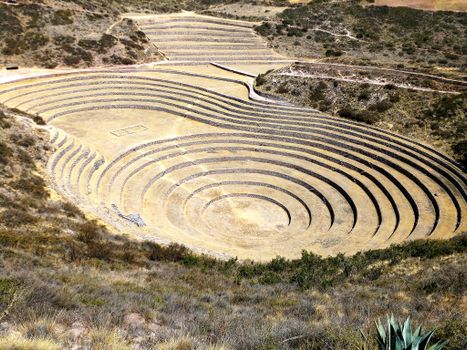
The descent into the canyon and the subsequent climb to Choquequirao are challenging, but oh, the reward! As you emerge from the cloud forest, the sheer scale of the ruins unfolds. Unlike Machu Picchu, where restoration has been extensive, Choquequirao retains a wilder, more untamed feel. You’ll wander through plazas, terraces, and temples, often with only your guide for company. The iconic Terraces of the Llamas are a particular highlight, a stunning feat of engineering that still amazes.
Pro-Tip:
The best way to experience Choquequirao in January is via a guided 4-day trek. This allows ample time to explore the site and soak in the incredible canyon views. Pack for rain and sun – the weather can change rapidly.
Quick Facts: Choquequirao Trek
* Estimated Cost: $400 - $700 USD (for a guided 4-day trek, excluding flights to Cusco)
* Best Time to Visit (for fewer crowds): January (wet season, but fewer trekkers), April-October (dry season, but more popular)
* How to Get There: Fly into Cusco, then take a bus or private transfer to Cachora (approx. 4-5 hours). The trek begins from Cachora.
2. Kuelap Fortress: The Cloud Warrior's Domain
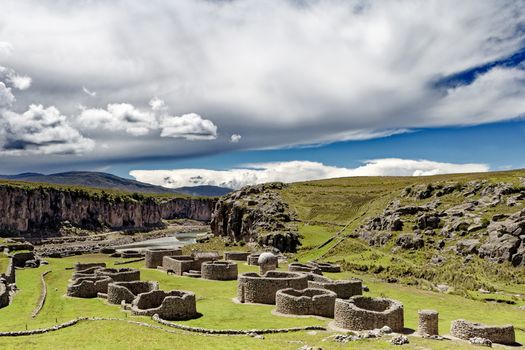
Journey north, far from the Cusco circuit, to the Amazonas region, and you’ll discover Kuelap. This colossal stone fortress, built by the Chachapoyas people (the “Warriors of the Clouds”) centuries before the Incas, predates Machu Picchu by nearly a thousand years. Its imposing walls, reaching up to 20 meters high, guard a city of over 400 circular structures, many adorned with intricate friezes.
The Experience:
Reaching Kuelap has become significantly easier in recent years thanks to a cable car system from the town of Tingo. This has brought more visitors, but January remains a sweet spot for a more serene experience. The sheer scale of Kuelap is breathtaking. As you walk through the narrow entrances and explore the inner sections, you can almost hear the Chachapoyas strategizing and living their lives within these formidable walls. The Tintero sector, a unique circular structure, is particularly fascinating.
Insider Language:
You’ll notice the distinctive Chachapoyas architecture – circular stone houses with thatched roofs, a stark contrast to the rectilinear Inca style. Look for the rhomboidal and zigzag motifs carved into the stonework, telling tales of this enigmatic civilization.
Quick Facts: Kuelap
* Estimated Cost: $150 - $300 USD (for a 2-3 day trip from Chachapoyas, including cable car and accommodation)
* Best Time to Visit (for fewer crowds): January (wet season, but less crowded than dry season)
* How to Get There: Fly from Lima to Jaén or Tarapoto, then take a bus or taxi to Chachapoyas (approx. 3-4 hours). From Chachapoyas, it's a 1.5-hour drive to the Tingo cable car station.
3. Ollantaytambo: The Living Inca Town
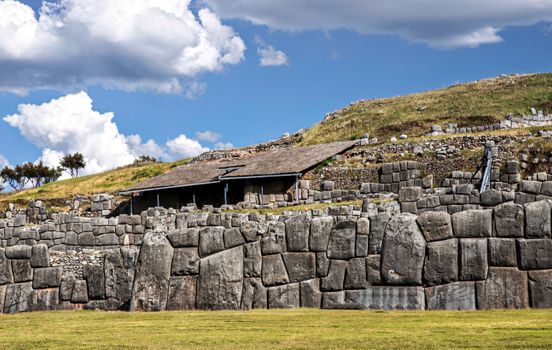
While often visited as a gateway to Machu Picchu, Ollantaytambo is a destination in its own right, and a truly spectacular one, especially in the quieter month of January. This is not just a ruin; it’s a living Inca town, where descendants of the Inca still reside in the original street grid, their homes built upon ancient foundations. The massive Inca fortress, clinging to the mountainside, offers a glimpse into the strategic and spiritual heart of the Sacred Valley.
The Experience:
Exploring Ollantaytambo in January means you can truly appreciate its intricate water channels, the colossal Temple Hill with its perfectly cut megaliths, and the sheer ingenuity of its urban planning. Walk through the narrow, cobblestone streets, past homes where generations have lived, and feel the pulse of history. Climb to the top of the fortress for panoramic views of the valley, and imagine the Inca defending this vital stronghold.
Pro-Tip:
Visit the Pinkuylluna granaries (storehouses) on the opposite side of the valley from the main ruins. They offer a different perspective and are often overlooked by the main tourist flow.
Authenticity:
The ñawpa inkas (ancient Incas) who built this place understood water management like no other. Observe the sophisticated channels and fountains that still function today, a testament to their engineering prowess.
Quick Facts: Ollantaytambo
* Estimated Cost: $50 - $100 USD (for a day trip or overnight stay, including entrance fees and local transport)
* Best Time to Visit (for fewer crowds): January (though still popular, it’s less so than peak dry season)
* How to Get There: Easily accessible by train from Cusco or by colectivo (shared taxi) from Cusco or Pisac.
4. The Vilcabamba Trail: Trekking to the Last Inca Refuge
For the truly adventurous seeking an alternative to the Inca Trail, the Vilcabamba Trail offers a challenging yet incredibly rewarding journey. This route traces the path the Incas took when they fled Cusco after the Spanish conquest, eventually establishing their last refuge in Vilcabamba. It’s a trek through dramatic landscapes, remote villages, and significant historical sites.
The Experience:
This isn't just a hike; it's a historical pilgrimage. You’ll traverse high passes, descend into lush valleys, and camp under star-filled skies. Key sites along the way include Choquequirao (often combined with this trek), Vitcos (Rosaspata), and the Yurac Rumi (White Rock), a significant Inca ceremonial site. In January, you’ll likely encounter very few other trekkers, allowing for a deep immersion in the Andean wilderness and its history.
Insider Language:
The trail often leads you through puna (high-altitude grasslands) and cloud forests, with opportunities to see unique flora and fauna. The sense of isolation is palpable, a true escape from the modern world.
Quick Facts: Vilcabamba Trail
* Estimated Cost: $600 - $1000+ USD (for a guided multi-day trek, depending on length and services)
* Best Time to Visit (for fewer crowds): January (wet season, but ideal for solitude)
* How to Get There: Typically starts with a journey to Cusco, then onward transport to a trailhead like Cachora or Huancacalle, often arranged by trekking companies.
5. Gocta Waterfall & Chachapoyas Culture
While not an Inca ruin, the region of Chachapoyas offers a wealth of cultural and natural wonders that provide a fantastic alternative to the Machu Picchu circuit, especially in January. The star attraction is the Gocta Waterfall, one of the tallest free-leaping waterfalls in the world. But the region’s appeal extends far beyond this natural marvel.
The Experience:
Imagine trekking through verdant cloud forests, the air alive with the calls of exotic birds, to reach a thundering cascade that plunges hundreds of meters into a misty pool. That’s Gocta. The hike is moderate, and in January, you’ll share the path with few others. Beyond Gocta, explore the pre-Inca Revash mausoleums (miniature cliff houses) and the Karajia Sarcophagi (tall, anthropomorphic burial containers). These offer a fascinating glimpse into the funerary practices of ancient cultures.
Authenticity:
The local cuisine in Amazonas is distinct. Try juane, a rice and chicken dish wrapped in plantain leaves, or tacacho, fried green plantains often served with pork. The flavors are robust and comforting, a taste of the jungle highlands.
Quick Facts: Gocta & Chachapoyas
* Estimated Cost: $200 - $400 USD (for a 3-4 day trip from Chachapoyas, including transport, guides, and accommodation)
* Best Time to Visit (for fewer crowds): January (wet season, but generally pleasant for trekking)
* How to Get There: Fly from Lima to Jaén or Tarapoto, then take a bus or taxi to Chachapoyas. From Chachapoyas, local transport is available to the Gocta area.
Navigating January in the Andes: Your Strategic Advantage
January in Peru means the wet season. But don't let that deter you! It’s precisely this "off-season" timing that offers the unparalleled advantage of fewer crowds. The landscapes are lush, the air is clean, and the prices for accommodation and tours can often be more favorable.
Embrace the Elements:
* Rain Gear is Essential: A good quality waterproof jacket and trousers are non-negotiable.
* Waterproof Footwear: Sturdy, waterproof hiking boots are a must.
* Layers: The weather can fluctuate wildly. Pack light, quick-drying layers.
* Sun Protection: Even on cloudy days, the Andean sun is intense. Pack sunscreen, a hat, and sunglasses.
Logistics Made Easy:
* Book in Advance (for key transport): While sites will be less crowded, booking internal flights and popular train routes (if you venture near them) a few weeks ahead is still wise.
* Embrace Flexibility: The wet season can sometimes cause minor transport delays. A relaxed attitude is your best travel companion.
* Local Guides are Gold: For off-the-beaten-path sites, hiring a local guide not only enhances your understanding but also supports the local economy and often provides access to hidden trails or insights you'd never find alone.
The Budget Advantage:
January often sees lower prices for hotels and some tours compared to the dry season. This means you can stretch your budget further, perhaps opting for a more extended stay or a higher-end experience at a comparable price.
The Verdict: Your January Adventure Awaits
Machu Picchu is iconic for a reason. But if your heart craves the raw essence of Peru, the whisper of ancient civilizations without the clamor of mass tourism, then January is your golden ticket. These alternatives – Choquequirao, Kuelap, Ollantaytambo, the Vilcabamba Trail, and the wonders of Chachapoyas – offer not just breathtaking sights, but profound connections to a land steeped in history and mystery.
So, as the world flocks to the usual suspects, you can be forging your own path, discovering the soul of Peru in the quiet grandeur of its hidden corners. This January, trade the crowds for the clouds, the queues for the quiet, and embark on an adventure that will resonate long after you've returned home. Peru is waiting, and its secrets are best discovered when the world is a little quieter.