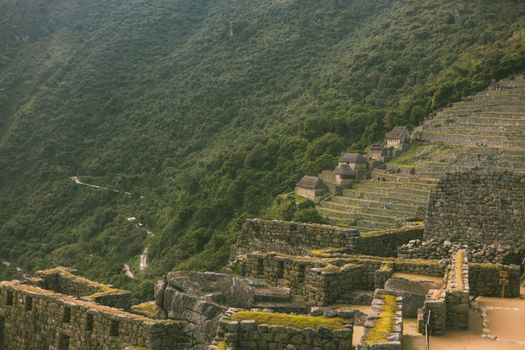
The Hook: A Whisper of the Andes, Not a Roar
I stepped off the train in Aguas Calientes, and the air, thin and crisp, was immediately thick with anticipation. Not mine, though. It was the collective hum of thousands, all champing at the bit for that iconic postcard view. The scent of damp earth mingled with fried plantains, and the distant rumble of buses promised a day of polite shuffling. I’d seen the photos, read the guides, and felt the weight of expectation. But as I navigated the throng, a different feeling began to stir – a longing for the real Andes, the ones that breathe secrets, not just sighs of awe. I craved the quiet hum of ancient stones, the rustle of condor wings, the feeling of stumbling upon something truly, profoundly mine. And that’s when I knew: the true magic of the Inca lies beyond the well-trodden path.
Beyond the Citadel: Unveiling Peru's Secret Inca Jewels
Machu Picchu is, undeniably, a marvel. But the Inca Empire was vast, its ingenuity spread across breathtaking landscapes. For those seeking a more intimate connection with Peru's ancient past, a world of equally stunning, yet refreshingly uncrowded, archaeological sites awaits. These are the places where history feels alive, where you can almost hear the footsteps of the Inca, and where the only crowds you’ll encounter are the curious llamas.
Choquequirao: The "Other" Machu Picchu, But Wilder
Imagine Machu Picchu perched precariously on a mountainside. Now, imagine it twice as large, significantly more remote, and accessible only by a challenging, multi-day trek. Welcome to Choquequirao, often dubbed Machu Picchu's "sacred sister." This sprawling citadel, meaning "cradle of gold" in Quechua, clings to a dramatic ridge, offering panoramic views that will steal your breath faster than the altitude.
Why it's a top alternative:
* Scale & Grandeur: Choquequirao is estimated to be larger than Machu Picchu, with intricate agricultural terraces, ceremonial plazas, and residential areas still being unearthed.
* Untamed Beauty: The journey itself is an adventure, traversing rugged canyons and cloud forests. The reward is unparalleled solitude amidst raw, natural splendor.
* Spiritual Resonance: Without the constant buzz of tourism, the spiritual energy of this place is palpable. You can truly connect with the site’s ancient purpose.
Pro-Tip:
The classic trek to Choquequirao takes 4-5 days, descending into the Apurimac Canyon and ascending to the ruins. For a less strenuous, yet still rewarding, experience, consider the day trip from Cachora, though this means less time to explore the vast site.
Ollantaytambo: A Living Inca Town and Fortress
While many visitors pass through Ollantaytambo on their way to Machu Picchu, few truly immerse themselves in its living history. This is not just ruins; it's a thriving Inca town, with water channels still functioning as they did centuries ago, and descendants of the Inca still calling its ancient streets home. The fortress itself, perched dramatically on a hillside, offers a glimpse into Inca military prowess and astronomical knowledge.
Why it's a top alternative:
* Living History: Wander through narrow cobblestone streets, admire the original Inca stonework in homes, and feel the pulse of a community that has preserved its heritage.
* Architectural Marvel: The Temple of the Sun, with its massive, precisely cut stones, is a testament to Inca engineering. The agricultural terraces are equally impressive, cascading down the mountainside.
* Strategic Location: Its position in the Sacred Valley makes it an excellent base for exploring other nearby sites, offering a more relaxed pace than Cusco.
Pro-Tip:
Arrive early in the morning (before 9 AM) to explore the main fortress and its terraces with fewer people. Then, spend the afternoon getting lost in the town's residential areas, observing the ancient water systems.
Pisac: Terraces, Markets, and Mountain Views
Pisac, nestled in the Sacred Valley, boasts one of the most extensive and beautiful Inca terracing systems in Peru. Beyond the agricultural terraces, the archaeological park features a fascinating military sector, a religious sector, and a royal palace. What sets Pisac apart is its vibrant, traditional market (especially on Sundays) where you can haggle for colorful textiles, ceramics, and local produce, experiencing a slice of contemporary Andean life against an ancient backdrop.
Why it's a top alternative:
* Spectacular Terraces: The sheer scale and ingenuity of the agricultural terraces are awe-inspiring, carved into the steep mountainside.
* Vibrant Culture: The Pisac market is a sensory delight – a riot of color, sound, and aroma. It’s a fantastic place to engage with local artisans and culture.
* Accessible Adventure: While the ruins require a hike, they are more accessible than many other remote sites, making it a great option for a day trip from Cusco or the Sacred Valley.
Pro-Tip:
Hike up to the ruins from the town and then descend. This way, you're walking downhill for most of the return journey, and you'll have the best views as you approach the site.
Kuelap: The Cloud Warriors' Fortress
Venturing north from Cusco, we find Kuelap, a formidable walled city built by the Chachapoyas people, the "Cloud Warriors," centuries before the Inca. Perched atop a mountain spur in the northern Andes, Kuelap predates Machu Picchu and offers a completely different architectural style and historical narrative. Its massive stone walls, some over 20 meters high, enclose over 400 circular structures, many adorned with intricate friezes.
Why it's a top alternative:
* Unique Culture: Explore the remnants of a civilization distinct from the Inca, with its own fascinating history and architectural innovations.
* Dramatic Setting: Kuelap is shrouded in mist, giving it an ethereal, almost mystical atmosphere. The surrounding cloud forest is rich in biodiversity.
* Modern Access, Ancient Feel: A cable car now whisks visitors up to the fortress, making it surprisingly accessible, yet the sheer remoteness and scale ensure a crowd-free experience.
Pro-Tip:
Combine your visit to Kuelap with a trip to the Gocta Waterfall, one of the world's tallest, for an unforgettable northern Peru adventure.
Waqrapukara: The "Horn Fortress"
For a truly off-the-beaten-path experience that feels like stepping onto another planet, consider Waqrapukara. This unusual Inca site, meaning "Horn Fortress," is dramatically situated atop a cliff face, resembling a fortress with natural rock formations that look like horns. It's believed to have been an astronomical observatory and a sacred site. The hike is challenging but incredibly rewarding, offering breathtaking Andean vistas.
Why it's a top alternative:
* Unique Landscape: The natural rock formations at Waqrapukara are unlike anything else in Peru, creating a surreal and unforgettable setting.
* Spiritual Power: The site exudes a powerful, ancient energy. It's a place for deep reflection and connection with the earth.
* Exclusivity: Due to its remoteness and the demanding trek, you're unlikely to encounter more than a handful of other visitors, if any.
Pro-Tip:
This is best done as a full-day trek from Acomayo or Cusco. Hiring a local guide is highly recommended for navigation and understanding the site's historical and spiritual significance.
The Budget & Logistics: Navigating Your Crowd-Free Adventure
Choosing an alternative to Machu Picchu doesn't mean sacrificing wonder; it often means gaining more authentic experiences and potentially saving money. Here’s a quick rundown to help you plan.
| Feature | Choquequirao | Ollantaytambo | Pisac | Kuelap | Waqrapukara |
| :------------------ | :----------------------------------------- | :-------------------------------------------- | :----------------------------------------- | :----------------------------------------------- | :---------------------------------------------- |
| Estimated Cost | $$$ (Trek permits, guide, supplies) | $$ (Entrance fees, transport) | $$ (Entrance fees, transport, market) | $$$ (Transport, entrance, cable car) | $$$ (Transport, guide, entrance) |
| Best Time to Visit | Dry Season (April-October) | Year-round (Dry: April-October is ideal) | Year-round (Dry: April-October is ideal) | Dry Season (May-October) | Dry Season (April-October) |
| How to Get There | Trek from Cachora (approx. 4-5 days) | Train from Cusco/Ollantaytambo, Bus | Bus/Taxi from Cusco/Sacred Valley | Flight to Jaen/Tarapoto, then bus/taxi & cable car | Full-day trek from Acomayo/Cusco or via Pachapata |
| Crowd Level | Very Low | Moderate (peak hours), Low (early/late) | Moderate (market days), Low (ruins) | Low to Moderate (due to cable car) | Very Low |
| Insider Tip | Pack extra water for the canyon descent. | Explore the less-visited Pinkuylluna ruins. | Visit ruins first, market second. | Stay overnight nearby for sunrise views. | Bring sturdy hiking boots for the rocky terrain. |
Note:
Costs are estimates and can vary based on travel style, accommodation, and whether you opt for guided tours.
Authenticity is in the Details: What the Experts Say
"It’s not just about seeing the stones; it’s about feeling the energy," says Elena Rossi, a seasoned Andean guide. "At Choquequirao, you can sit for hours and hear nothing but the wind. You can trace the lines of the stonework and imagine the hands that shaped them. It’s a dialogue with the past."
She emphasizes the importance of understanding the context. "Machu Picchu is a masterpiece of Inca engineering and a UNESCO site. But places like Ollantaytambo offer a living connection. When you see the water flowing through channels that have been in use for 500 years, you understand the Inca’s genius in a way that a static ruin can’t convey."
For Kuelap, the allure is in its distinctiveness. "The Chachapoyas culture is fascinatingly different from the Inca. Their circular homes, their defensive architecture – it speaks of a different worldview, a different struggle. The sheer scale of the walls at Kuelap is humbling."
The common thread? Immersion. It's about slowing down, breathing in the mountain air, and allowing the stories etched in stone and landscape to unfold at their own pace. It’s about the subtle scent of wild herbs on the trail, the vibrant hues of a weaver’s loom, the earthy aroma of chicha being brewed in a local village. These are the sensory details that transform a trip into a profound experience.
Your Crowd-Free Andean Journey Awaits
Stepping away from the well-worn path to Machu Picchu opens up a universe of discovery. Whether you’re drawn to the wild grandeur of Choquequirao, the living history of Ollantaytambo, the vibrant culture of Pisac, the enigmatic allure of Kuelap, or the surreal landscapes of Waqrapukara, Peru offers an abundance of ancient wonders waiting to be explored in peace.
These alternatives aren't just about avoiding crowds; they're about finding deeper connections, experiencing more authentic moments, and creating memories that resonate long after you've descended from the mountains. So, pack your sense of adventure, your curiosity, and your willingness to explore. The true heart of the Andes is calling, and it’s waiting just for you.