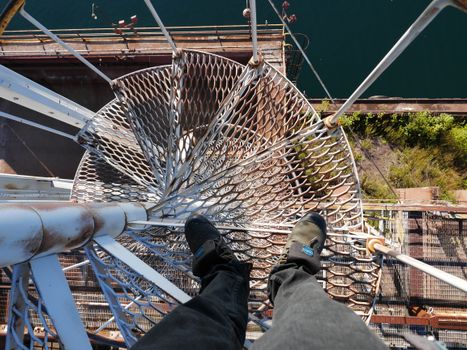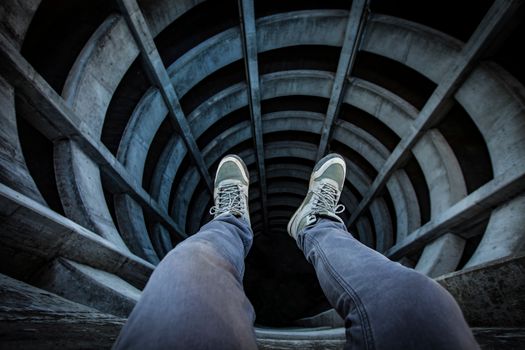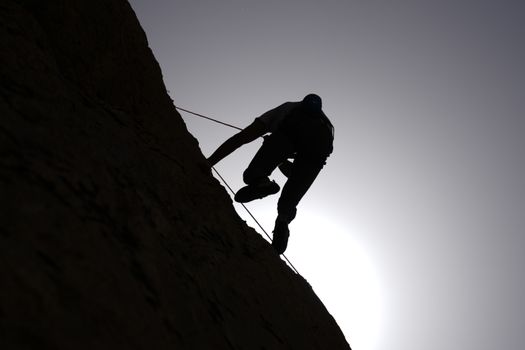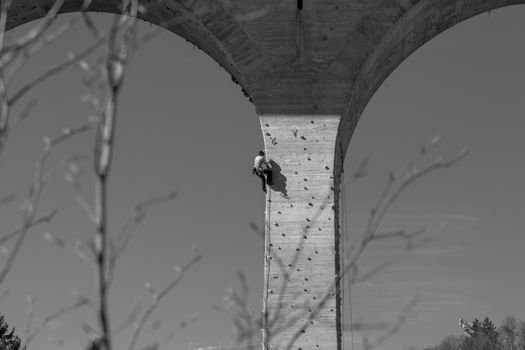
"Don't look down!" a voice from my past echoed in my ears. I was 10, perched precariously on a rickety ladder leading to a treehouse that felt a thousand feet high. My knees were shaking, my breath was shallow, and I distinctly remember a wave of nauseating dread washing over me. That, my friends, was the genesis of my lifelong, deeply ingrained fear of heights – a fear that kept me from countless adventures, from scenic overlooks to even the top rung of a step stool. For years, the mere thought of anything above the second story sent shivers down my spine.
So, you can imagine the sheer terror, and frankly, the bewilderment on my friends' faces, when I announced, "I'm going rock climbing." Laughter, followed by genuine concern, filled the air. "Are you serious, Alex? You get dizzy on an escalator!"
They weren't wrong. But a quiet, persistent whisper in my soul kept nudging me: What if? What if I could face this fear head-on, not by scaling Everest, but by finding a controlled, supportive environment where I could slowly, deliberately, reclaim my sense of balance and courage? That whisper led me down a rabbit hole of research, eventually pointing me to a surprising revelation: climbing walls aren't just for adrenaline junkies. They're for everyone, especially those of us who carry that little acrophobic baggage. And let me tell you, what I found transformed not just my relationship with heights, but my entire perspective on what I’m capable of.
This isn't about becoming a world-class climber. This is about discovering the joy of movement, the thrill of a challenge, and the profound satisfaction of telling your fear, "Not today." If you've ever dreamt of reaching new peaks, even if those peaks are just 15 feet off the ground, then buckle up. These are the climbing walls you absolutely need to experience before you die, especially if you’re afraid of heights.
The Gentle Giant: Bouldering – Your Low-Altitude Confidence Builder
My journey began not on a towering wall, but on a humble, padded floor. Bouldering, I quickly learned, is the perfect gateway drug for acrophobes. Imagine a climbing wall that never goes higher than 12-15 feet, with thick, cushy mats beneath you. No ropes, no harnesses, just you, the wall, and a puzzle to solve with your body. The beauty of bouldering lies in its focus on technique, strength, and problem-solving, rather than sheer vertical ascent. You're never far from the ground, making it incredibly unintimidating.
My first bouldering session was at The Cliffs at Callowhill in Philadelphia. Walking in, the vibrant colors of the holds against the industrial-chic walls were immediately inviting. The atmosphere was buzzing, but not intimidating. I rented shoes (around $6) and a chalk bag ($3), and after a quick safety briefing, I was off. I started on the "V0" routes – the easiest, marked with bright green tape. My goal wasn't to reach the top, but just to move, to feel the texture of the holds, to trust my feet. I probably spent the first hour just traversing horizontally, a mere three feet off the ground, feeling utterly ridiculous but also, strangely, empowered.
Why it's perfect for acrophobes:
* Low Heights: The biggest hurdle for acrophobes is the perceived distance from the ground. Bouldering minimizes this, allowing you to focus on the climb itself.
* Safe Landings: Thick crash pads mean a fall is usually just a gentle thud, not a terrifying plummet.
* Problem-Solving Focus: Your brain is so engaged in figuring out the sequence of moves that the height often becomes secondary.
* Community Vibe: Bouldering gyms are incredibly social. You'll see people cheering each other on, offering advice, and just generally having a good time. It’s a supportive environment.
Practical Tips for Your First Bouldering Session:
* Start Super Low: Don't feel pressured to go high. Traverse, practice footwork, get comfortable with the movement.
* Ask for Advice: Most regulars are happy to offer tips on technique.
* Focus on the Journey, Not the Destination: The goal is to move, to feel strong, to have fun, not necessarily to "send" every route.
* Rent Gear: Most gyms offer shoe and chalk bag rentals for $5-$10. Wear comfortable, flexible clothing.
* Cost: Day passes typically range from $15-$30, plus gear rental. Many offer discounted first-time visits.
My initial fear slowly gave way to exhilaration. I wasn't just climbing; I was dancing with gravity, solving puzzles with my body. The rush of figuring out a difficult sequence, the satisfying "thwack" of my hand hitting the final hold – it was addictive. Bouldering taught me that heights are just a perception, and that my body is capable of so much more than my fear had let me believe.
The Trusty Companion: Auto-Belay Climbing – Your Robotic Spotter
Once I felt a little more confident with bouldering, I eyed the taller walls with a mix of dread and curiosity. The thought of being tethered to another human, relying solely on their attention, was still a bit much for my anxious brain. Enter the auto-belay: the unsung hero for acrophobes venturing into roped climbing.
An auto-belay is essentially a mechanical device that automatically takes up slack as you climb and safely lowers you to the ground when you let go. It’s your ever-vigilant, perfectly consistent climbing partner, no human error involved. This was my next step, and it was a game-changer.
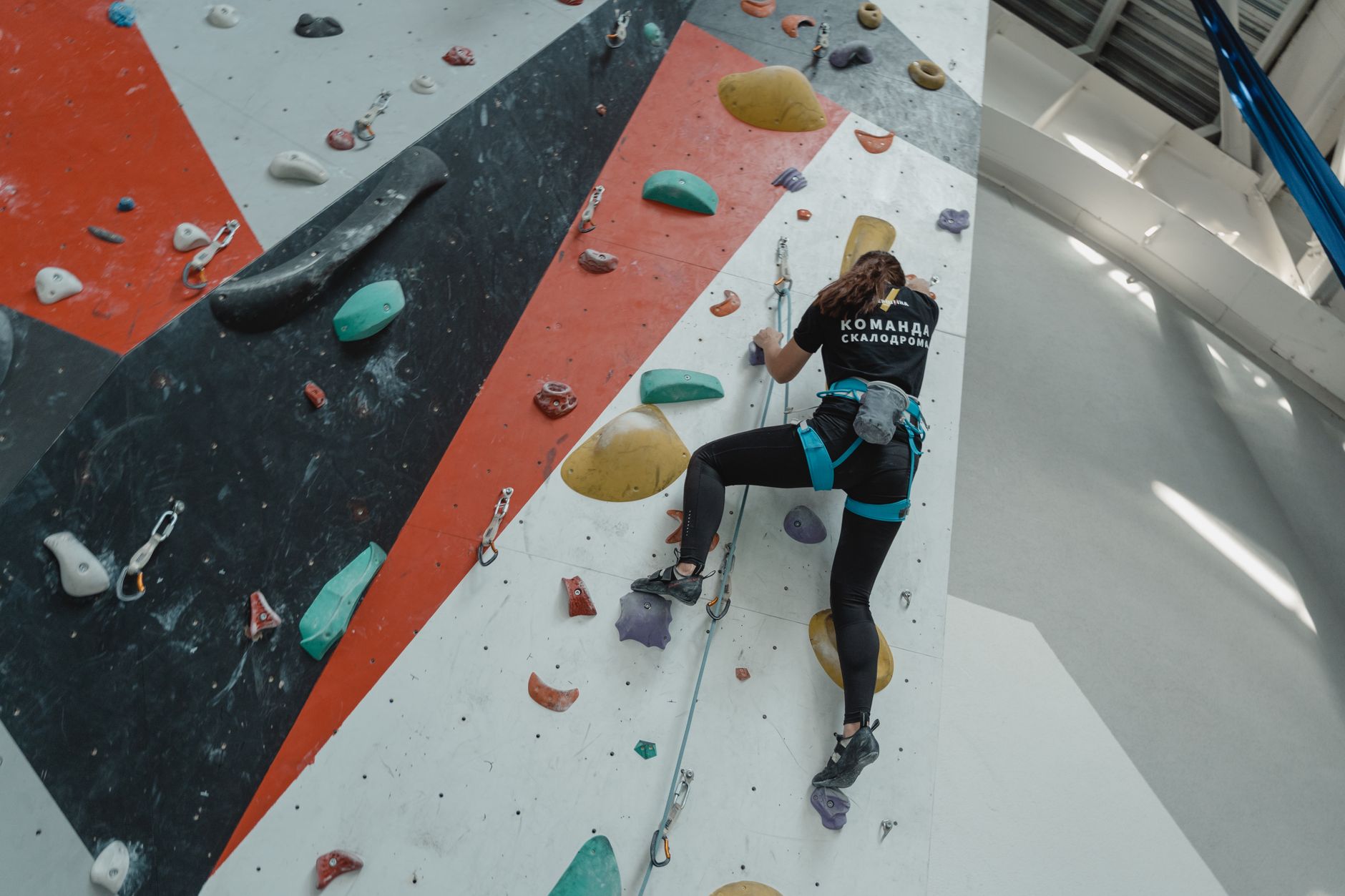
I tried auto-belay climbing at Movement Climbing, Yoga & Fitness in Lincoln Park, Chicago. This place is huge, bright, and incredibly modern. After a quick intro to the auto-belay system (it's surprisingly simple: clip in, climb, let go, descend), I found myself staring up at a 40-foot wall. My heart pounded. This was significantly higher than bouldering. But knowing that the machine would always catch me, always lower me gently, was immensely reassuring.
My first few climbs were slow, deliberate, and punctuated by deep, shaky breaths. I’d climb a few feet, pause, take a breath, and then focus on the next hold. The descent was the scariest part initially – letting go and trusting the machine to lower me. But each time, it worked perfectly, a smooth, controlled glide back to earth. The feeling of reaching the top, even of an easy route, and looking down (yes, I actually did it!) was nothing short of triumphant. It wasn't the vertigo-inducing horror I expected; it was an expansive, empowering view.
Why it's perfect for acrophobes:
* Consistent Safety: The machine's reliability is a huge comfort. You don't have to worry about a human belayer making a mistake.
* Self-Paced: You can climb at your own speed, pause whenever you need, and come down whenever you feel overwhelmed.
* Focus on the Climb: With the safety aspect handled, you can truly concentrate on your movements, balance, and strength.
* Gradual Exposure: You can choose walls of varying heights and difficulties, slowly increasing your exposure as your confidence grows.
Practical Tips for Auto-Belay Climbing:
* Trust the Machine: It’s designed to be foolproof. Let go when you're ready; it will lower you.
* Take it Slow: Don't rush. Climb a few feet, rest, breathe, then continue.
* Look Up, Not Down (Initially): Focus on the holds in front of you. As you get more comfortable, you can start to glance down.
* Rent a Harness and Shoes: Essential for auto-belay. Expect to pay $10-$15 for a day pass bundle.
* Cost: Day passes for full-service gyms (including auto-belay access) are typically $25-$35, often including gear.
The auto-belay became my personal therapist, gently pushing me higher and higher, always there to catch me. It taught me that sometimes, the biggest leaps of faith involve simply letting go.
The Playful Ascent: Clip 'n Climb & Themed Adventure Walls
Once you've built a baseline of confidence with bouldering and auto-belays, it's time to inject some pure, unadulterated fun into your climbing journey. Enter the world of themed adventure climbing walls, where the focus is less on serious technique and more on playful challenges and unique experiences. These places are designed to be engaging, distracting, and incredibly rewarding, often without feeling like "serious" climbing.
My absolute favorite experience in this category was at a Clip 'n Climb center in Bristol, UK. This isn't your typical climbing gym. Imagine an indoor playground for adults (and kids!), with 20+ individually themed climbing challenges, each with its own unique design and objective. There's a "Stairway to Heaven," a "Vertical Drop Slide," a "Speed Climb," and even a "Twister." Each station uses an auto-belay system, making it super safe and accessible.
The vibrant colors, the quirky designs, and the sheer variety make it feel less like an intimidating physical challenge and more like a game. I spent an hour and a half laughing, trying new things, and completely forgetting about my fear of heights because I was so engrossed in the novelty of each climb. One wall had giant LEGO-like bricks that spun as you climbed; another required you to scale a series of clear plastic panels, making you feel like you were floating. The "Vertical Drop Slide" (an optional add-on, but highly recommended for a thrill!) was a controlled free-fall experience that somehow cured me of my fear of falling, simply by making it so much fun.
Why it's perfect for acrophobes:
* Distraction is Key: The unique themes and challenges keep your mind engaged, often diverting attention away from the height.
* Fun-First Approach: These places prioritize enjoyment and accessibility, making the experience less intimidating.
* Variety of Challenges: If one wall feels too high, you can easily move to another with a different design or a lower perceived height.
* Family-Friendly: Great for bringing friends or family, creating a shared, supportive experience.
Practical Tips for Themed Climbing:
* Embrace the Novelty: Don't overthink it. Just jump in and try everything.
* Go with Friends: The shared laughter and encouragement make it even better.
* Check for Add-ons: Many centers have extra attractions like the "Vertical Drop Slide" or "Leap of Faith" that are worth trying for an extra boost of courage.
* Wear Activewear: Comfortable clothes are all you need.
* Cost: Sessions typically range from $20-$35 for an hour-long climb, sometimes with extra fees for special attractions.
These vibrant, playful walls taught me that confronting a fear doesn't have to be a grim, serious ordeal. It can be an adventure, a game, a burst of pure joy.
The Urban Ascent: Outdoor City Walls & Beginner Rock Parks
For those ready to take their newfound confidence outside, but not quite ready for the wild unknown of natural rock climbing, urban outdoor walls and beginner-friendly rock parks offer a fantastic bridge. These often combine the accessibility of an indoor gym with the fresh air and natural light of the outdoors, usually on structures designed specifically for climbing.
A fantastic example is the Outdoor Climbing Wall at the Olympic Park in Munich, Germany. While it's a serious training ground for experienced climbers, it also has numerous easier routes that are perfect for beginners, especially on its lower sections. The sheer scale is impressive, but the routes are well-marked, and you can stick to the lower, bouldering-style sections or use auto-belays on the taller parts. The buzz of the park, the views of the city, and the sense of being outdoors add an extra layer of exhilaration.
Another great option, if you're looking for a more natural feel without the extreme heights, are designated "rock parks" or single-pitch sport climbing areas that have very short, well-bolted routes. Places like Horseshoe Canyon Ranch in Arkansas, USA, known for its beginner-friendly routes and supportive community, offer a taste of real rock climbing on manageable heights. You'll often find routes that are only 20-30 feet high, perfect for building confidence on natural rock with a top-rope setup (where the rope is already run through an anchor at the top, making it super safe).
Why it's perfect for acrophobes:
* Fresh Air & Views: The outdoor environment adds to the adventure without the sterile feel of an indoor gym.
* Gradual Transition: Bridges the gap between indoor gyms and natural rock climbing.
* Community & Instruction: Many outdoor walls and parks have guided sessions or local groups that welcome beginners.
* Varying Heights: You can choose sections that feel comfortable, slowly increasing your challenge.
Practical Tips for Outdoor Climbing:
* Go with a Guide or Experienced Friend: Especially for natural rock, having someone knowledgeable is crucial for safety and instruction.
* Check Weather Conditions: Outdoor climbing is weather-dependent.
* Sun Protection: Sunscreen, hat, and sunglasses are a must.
* Hydration: Bring plenty of water.
* Rent Gear: If you don't own it, you'll need a harness, shoes, and potentially a helmet. Some outdoor centers or local guide services offer rentals.
* Cost: Access to outdoor walls can sometimes be free, or a small park entry fee. Guided sessions or gear rentals will be extra, often $50-$150 for a half-day experience.
My outdoor climbing experience in Munich, with the city stretching out below and the wind on my face, felt like a monumental achievement. It wasn't just about scaling a wall; it was about connecting with nature, pushing my boundaries, and realizing that the world, even from a slight elevation, is beautiful, not terrifying.
The Mindset Shift: How Climbing Transforms Your Relationship with Heights
Beyond the physical act of climbing, the most profound transformation I experienced was a shift in my mindset. Climbing isn't just about physical strength; it's a mental game. It forces you to be present, to trust your body, and to challenge those ingrained fears.
My personal journey taught me a few invaluable lessons:
- Focus on the Immediate: When I was climbing, my brain couldn't simultaneously panic about the height and figure out the next handhold. The immediate task took precedence, slowly rewiring my brain to associate heights with engagement rather than dread.
- Small Victories Accumulate: Each reach, each step, each time I let go of the auto-belay and descended safely, chipped away at my fear. It wasn’t one grand leap, but a thousand tiny acts of courage.
- Trust Your Equipment & Yourself: The gear is incredibly safe. Learning to trust the ropes, the harnesses, and especially, my own body, was liberating. My body, it turned out, was far more capable than my fear-addled mind had led me to believe.
- Community Matters: The climbing community is incredibly supportive. No one judges your fear; they celebrate your effort. Sharing stories, getting tips, and cheering for others creates a positive feedback loop.
- It's Not About the Top: For acrophobes, "success" isn't always reaching the summit. Sometimes it's just climbing one more hold than last time, or even just showing up. Celebrate every tiny step forward.
Actionable Advice for Acrophobes:
* Start with Bouldering: This is non-negotiable for building fundamental skills and confidence at low heights.
* Find a Beginner-Friendly Gym: Look for places with good reviews, a welcoming atmosphere, and plenty of auto-belays.
* Go During Off-Peak Hours: Fewer people can mean less pressure and more space to learn.
* Breathe Deeply: When anxiety hits, focus on slow, controlled breaths.
* Talk to Instructors: Many gyms offer introductory classes that cover safety and basic techniques. Tell them you're afraid of heights – they've heard it a million times and can offer tailored encouragement.
* Visualize Success: Before you climb, imagine yourself successfully completing a section or reaching the top.
* Don't Compare: Everyone's journey is different. Focus on your own progress, not what others are doing.
* Celebrate Every Small Win: Did you climb one hold higher? Did you try a new route? Pat yourself on the back!
The Ascent of a Lifetime: Your Turn to Conquer
My journey from a terrified 10-year-old on a treehouse ladder to someone who genuinely enjoys scaling walls has been nothing short of miraculous. It wasn't a sudden cure; it was a gradual, exhilarating process of pushing boundaries, trusting myself, and embracing a new kind of adventure. The fear of heights hasn't vanished entirely – a healthy respect for gravity still exists – but it no longer dictates my choices. It’s been replaced by curiosity, confidence, and a profound sense of accomplishment.
These climbing walls aren't just places to exercise; they're arenas for personal growth, vibrant communities, and unforgettable experiences. They offer a unique, safe, and incredibly fun way to challenge your limits, especially if those limits are defined by a fear of heights.
So, what are you waiting for? Stop letting your fear keep you grounded. Find a local bouldering gym, try an auto-belay, or seek out a quirky Clip 'n Climb center. Take that first step, or rather, that first handhold. You might just discover a strength, a joy, and a view you never thought possible. Your next great adventure, literally, is just a climb away.
What's your biggest fear stopping you from exploring? Share your story in the comments below! And don't forget to tag #TripsoraClimbs and #ConquerYourFear on your next climbing adventure!