From Fear to Freefall (Metaphorically!): My Journey to Conquer Heights on the Wall
The world, for me, used to be divided into two categories: things I could do with both feet firmly on the ground, and things I absolutely, unequivocally could not do. Anything involving significant elevation fell squarely into the latter. Rollercoasters? Forget it. Glass-bottomed bridges? My palms sweat just thinking about it. And don't even get me started on ladders taller than my own height. Yes, my friends, I was a card-carrying member of the Acrophobia Club.
But then, something shifted. It was a dreary November a few years back, much like the one we're anticipating in 2025. The days were shorter, the air crisp, and my usual outdoor adventures were curtailed by the chill. A friend, bless her adventurous heart, suggested we try an indoor climbing gym. My initial reaction was a polite but firm "absolutely not." Climbing? Me? The person who gets dizzy on a step stool?
Yet, her persistence, combined with my boredom, won me over. "It's different," she promised. "It's safe. It's controlled. You don't have to go high." And that, dear reader, was the crack in my fear's fortress. What I discovered was a vibrant, supportive community, an incredible physical and mental challenge, and, most importantly, a revolutionary way to slowly, gently, yet powerfully, confront my fear of heights.
If you, like the old me, feel a knot in your stomach at the mere mention of elevation, then listen up. November 2025 is not just another month; it's an opportunity. An opportunity to redefine your relationship with heights, to discover an exhilarating new hobby, and to prove to yourself that you are capable of far more than you imagine. Let's talk about why indoor climbing walls are your secret weapon against acrophobia.
The Acrophobe’s Ascent: Why Indoor Climbing is Your Best Bet for November 2025
So, why indoor climbing? Why not just, say, stare at tall buildings from a distance? The answer lies in the unique combination of safety, control, and incremental challenge that only a dedicated indoor climbing facility can offer.
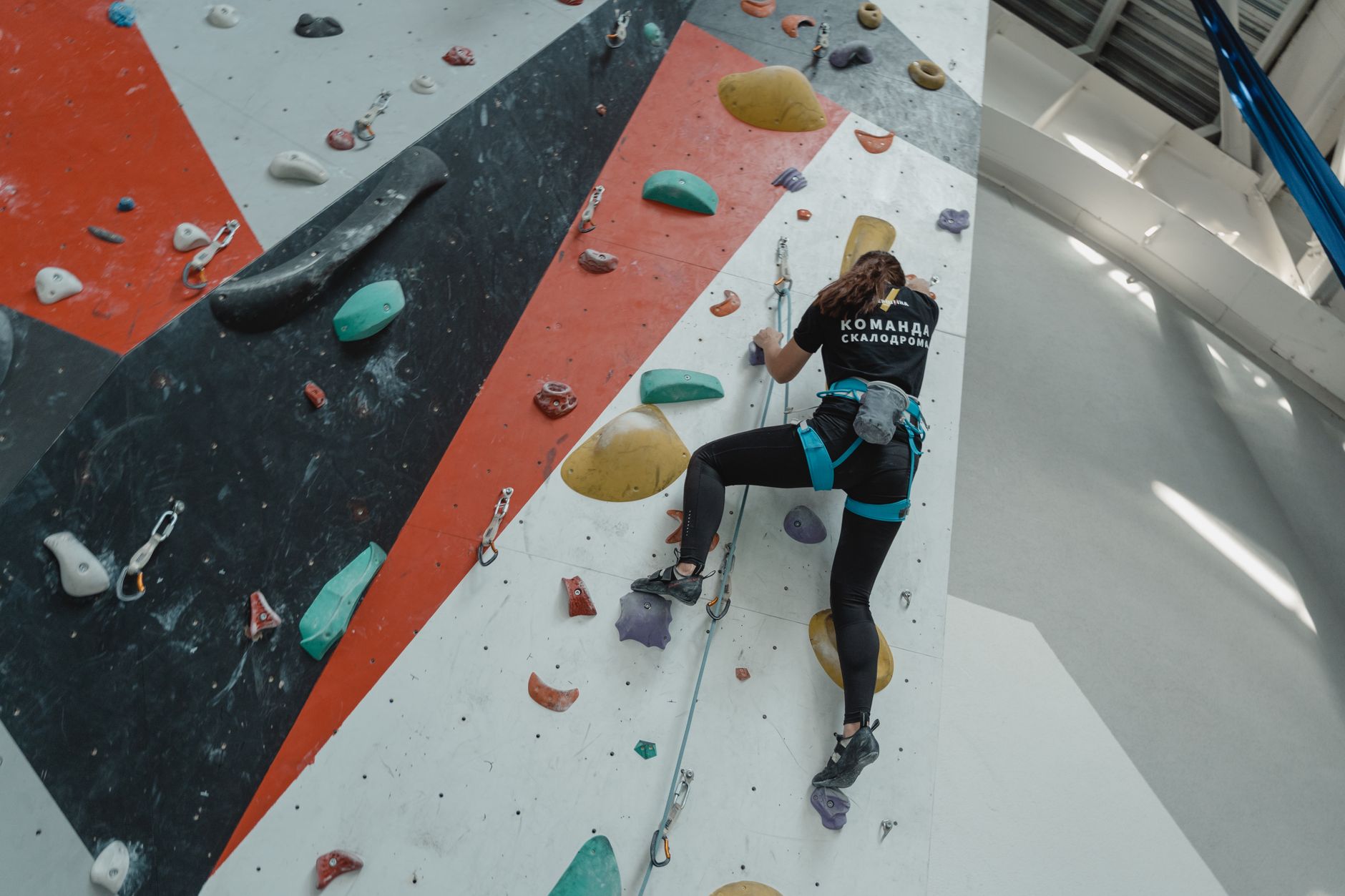
Firstly, safety is paramount. Unlike scaling a real mountain, an indoor climbing wall is a meticulously engineered environment. You'll be outfitted with a sturdy harness, connected to a robust rope system, and usually paired with a certified instructor or experienced belayer (the person who manages your rope from the ground). Thick, cushioned mats line the floors, and every piece of equipment is regularly inspected. This isn't about throwing yourself into the deep end; it's about dipping your toes in a warm, shallow pool with lifeguards on duty.
Secondly, the control factor is a game-changer for acrophobes. You dictate your ascent. You can climb one meter, two meters, or just hover a foot off the ground. There's no pressure to reach the top. The goal isn't necessarily the summit; it's the process. It's about feeling the texture of the holds, finding your balance, and trusting the equipment. If you feel overwhelmed, you simply say "take!" and your belayer will gently lower you to the ground. This agency, this complete control over your own experience, is incredibly empowering when battling an irrational fear.
Thirdly, November 2025 offers the perfect indoor escape. As the weather turns colder and outdoor activities become less appealing, indoor climbing gyms burst with energy. They offer a warm, vibrant atmosphere, a fantastic full-body workout, and a welcoming community. Imagine a crisp November afternoon, instead of being cooped up, you're challenging yourself, learning a new skill, and feeling a rush of adrenaline and accomplishment. It’s an ideal way to stay active, social, and mentally stimulated as the days shorten.
Ultimately, indoor climbing provides a safe laboratory for confronting your fear. It allows you to build a new, positive association with heights, replacing panic with confidence, one small, deliberate climb at a time.
Gearing Up (Without Getting Scared): Your First-Timer Essentials
Walking into a climbing gym for the first time can feel a bit like stepping onto an alien planet. There are ropes, harnesses, chalk dust, and people seemingly defying gravity. But don't worry, it's far less intimidating than it looks. Here's what you need to know to gear up for your first acrophobia-conquering session:
- The Gear is Your Friend:
- Climbing Shoes: These are crucial. They're tight, sticky-soled shoes designed to help you grip small holds. Most gyms offer rentals for a few dollars. Don't worry about buying them until you're hooked!
- Harness: This is your safety belt, worn around your waist and thighs. It's designed to distribute your weight comfortably and securely in case of a fall (or a gentle lowering). Again, rentals are standard.
- Chalk Bag: Not strictly essential for your first few climbs, but chalk helps keep your hands dry and improves grip. You can rent or buy a small bag.
- Belay Device & Carabiners: These are part of the safety system managed by your belayer. You won't directly operate them as a beginner.
- Types of Climbing for Acrophobes:
- Top-Roping (Your Best Bet): This is where the rope is already running through an anchor at the top of the wall. As you climb, your belayer takes up the slack, so you're always supported from above. If you let go, you only drop a few inches before the rope catches you. This constant, secure connection is incredibly reassuring for those afraid of heights. This should be your starting point.
- Bouldering: This involves climbing shorter walls (usually no more than 15 feet) without ropes or harnesses, relying on thick crash mats below. While it's great for problem-solving and strength, the feeling of being unattached, even at lower heights, might be a bit much for an initial acrophobia challenge. You can always try bouldering once you're comfortable with top-roping.
3. The Intro Class is Your Anchor:
Most climbing gyms offer a "beginner's package" or an "intro to climbing" class. This is what you want. These classes typically include:
* All necessary gear rentals.
* A safety briefing on how to put on your harness correctly.
* Instruction on basic climbing techniques (footwork, body positioning).
* Crucially, they'll teach you how to belay or, more likely for a first timer, pair you with an instructor who will belay you, allowing you to focus solely on the climb.
* Expect to pay anywhere from $30-$70 for an introductory class, often including a day pass. This is money well spent for safety and confidence.
Remember, the staff at climbing gyms are usually incredibly friendly and passionate. Don't hesitate to tell them you're nervous or afraid of heights. They've seen it all and are there to help you have a safe and positive experience.
Beyond the Grip: Techniques for Taming Your Fear Mid-Climb
So, you're harnessed up, shoes on, and staring at the wall. The instructor gives you the "climb on" command. Your heart might be racing, and that familiar knot of anxiety might tighten. This is perfectly normal! Here are some techniques I've learned that truly help tame the fear while you're on the wall:
- Focus on the Holds, Not the Height: This is my number one tip. Instead of looking down or up at the vastness of the wall, focus intently on the next handhold or foothold. What does it feel like? Is it big or small? Which way is it angled? Treat each move as a mini-puzzle. By engaging your brain with the immediate task, you distract it from the fear of falling or the distance from the ground.
- Breathe Deeply and Deliberately: When fear kicks in, our breathing becomes shallow and rapid. Consciously slow down your breathing. Take deep, slow breaths in through your nose and out through your mouth. This calms your nervous system and helps you regain control. I often find myself taking a deep breath before making a tricky move.
- Trust Your Equipment and Your Belayer: This is a mental leap, but a crucial one. Your harness, rope, and belay system are designed to be incredibly strong and reliable. More importantly, your belayer is trained and focused on your safety. Remind yourself: "The rope will catch me. My belayer has me." If you feel yourself starting to panic, simply say "take!" and your belayer will take the slack out of the rope, allowing you to rest, take a breath, and feel secure.
- Set Micro-Goals: Don't aim for the top on your first try. Your goal might be "reach the third hold." Or "make three good moves." Or "just stay on the wall for two minutes." Each small accomplishment builds confidence and shows you that you can achieve things even when you're scared. The cumulative effect of these micro-victories is incredibly powerful.
- Listen to Your Body (and Your Instructor): Don't push yourself too hard too soon. If you feel genuinely overwhelmed, it's okay to come down. A good instructor will guide you, offer tips, and encourage you without pressuring you. Remember, this is your journey, at your pace.
I remember one particular climb where I froze about halfway up. My legs were shaking, my mind screaming "get down!" My instructor, seeing my distress, calmly said, "Just look at your right foot. Can you move it to that blue hold? Don't think about anything else." Focusing on that tiny, specific task broke the spell of panic. I made the move, and then another, and before I knew it, I was much higher than I thought I could go. It's these small breakthroughs that make all the difference.
Top Climbing Walls for Acrophobes in November 2025: Your Starting Points
While I can't predict specific gym events for November 2025, I can highlight some excellent, beginner-friendly climbing gyms known for their supportive environments and strong introductory programs. Always check their websites closer to the date for specific class schedules and pricing!
1. Brooklyn Boulders (Various Locations, USA - e.g., NYC, Boston, Chicago)
* Why it's great for acrophobes: BKB is renowned for its vibrant community atmosphere and excellent beginner programs. They offer comprehensive "Intro to Climbing" classes that cover everything from knot tying to belaying, often with dedicated instructors. Their walls cater to all levels, with plenty of routes designed for absolute beginners. The staff are typically very patient and encouraging.
* What to expect: A lively, modern space with both rope climbing and bouldering. Expect to pay around $30-$40 for a day pass, with intro classes ranging from $50-$70 (often including gear and a day pass).
* November 2025 Tip: As an urban hub, BKB locations often run special events or slightly discounted packages in the colder months. Check their specific location website for "First-Timer Friday" or similar deals.
2. The Arch Climbing Wall (London, UK)
* Why it's great for acrophobes: While primarily a bouldering gym, The Arch has expanded and now offers some fantastic roped climbing facilities. What makes it excellent for beginners and those with fear of heights is their focus on clear, well-set routes and a very welcoming, diverse community. Their "Introduction to Bouldering" or "Introduction to Roped Climbing" courses are highly recommended and focus heavily on safety and foundational skills.
* What to expect: Multiple large, modern facilities across London. Day passes are typically £12-£15, with intro classes around £25-£40.
* November 2025 Tip: London in November can be chilly and damp, making indoor activities like climbing a perfect escape. The Arch often has themed climb nights or social events that can make a first visit even more fun.
3. Blocbuster (Paris, France)
* Why it's great for acrophobes: Blocbuster is a fantastic network of climbing gyms across Paris, known for their modern facilities and friendly atmosphere. While many are bouldering-focused, some locations offer roped climbing, and even their bouldering walls are designed with varying heights and difficulties, allowing acrophobes to start very low. Their staff are usually multi-lingual and adept at guiding beginners.
* What to expect: Stylish, clean gyms with a focus on fun and accessibility. Day passes are typically €15-€20. Intro courses are available and highly recommended.
* November 2025 Tip: Paris in November is beautiful but can be cold. Combining a climbing session with exploring a cozy Parisian café or museum nearby would make for a perfect travel day.
4. DAV Kletterzentren (Germany - various cities)
* Why it's great for acrophobes: The German Alpine Club (DAV) operates numerous Kletterzentren (climbing centers) across Germany. These are often large, well-equipped facilities with a strong emphasis on safety and instruction. They offer extensive roped climbing options, auto-belays (where the device automatically lowers you, so you don't need a human belayer), and often have dedicated beginner areas.
* What to expect: Professional, well-maintained facilities. Day passes around €10-€15, with comprehensive beginner courses available for a reasonable fee.
* November 2025 Tip: Germany's climbing centers are known for their high standards. Look for "Schnupperkurse" (taster courses) which are perfect for first-timers and often run year-round.
Before you go, always check the specific gym's website for their current operating hours, class schedules, and any COVID-19 related guidelines for November 2025. Booking an intro class in advance is highly recommended, especially during popular times.
Making It a Trip: Combining Climbing with November Exploration
Since you're reading this on Tripsora, you're probably someone who loves to explore! Don't just make your climbing session a one-off event; turn it into a mini-adventure. November, with its crisp air and early sunsets, offers a unique charm for travel, especially when paired with a cozy indoor activity.
Imagine flying into a city like Boston or London for a long weekend in November 2025. Dedicate a morning or afternoon to your climbing intro class. The physical exertion and mental focus will leave you feeling invigorated and accomplished. Afterwards, you'll be primed for some local exploration:
- Cozy Cafes & Hearty Meals: After a good climb, you'll have earned a delicious treat. Seek out a local cafe for a warm latte and a pastry, or a pub for a hearty meal. The post-climb glow combined with the warmth of a local eatery is pure bliss.
- Crisp Autumn Walks: If the weather permits, enjoy a walk in a nearby park or along a scenic river path. The autumn foliage, even in late November, can still be beautiful, and the fresh air is a perfect complement to an intense indoor workout.
- Cultural Immersion: Many of these climbing gyms are located in vibrant city neighborhoods. Take the opportunity to visit a local museum, art gallery, or independent shop. It's a great way to experience the local culture without the crowds of peak season.
- Relaxation & Recovery: Don't forget to factor in some relaxation! A hot bath, a good book, or even a massage can help your muscles recover and make the entire experience more enjoyable.
This blend of physical challenge, local exploration, and well-deserved relaxation is the essence of a Tripsora-worthy adventure. You're not just climbing walls; you're building memories, gaining confidence, and truly experiencing a destination.
My Personal Breakthrough: A Story of Triumph (and a Little Wobble)
I'll never forget my third climbing session. I was at a gym in Portland, Oregon, during a work trip. I'd done a couple of intro classes and felt a little more confident, but still had that internal tremor whenever I looked down from anything more than a few feet. My instructor that day pointed me to a route that looked deceptively easy from the ground – a gentle incline, but it went up quite a bit higher than I'd dared before.
I started strong, focusing on my breathing and the holds. I reached a tricky section, my left foot slipping slightly. My heart hammered. I looked down, and the floor seemed miles away. Panic started to bubble. My hands felt clammy, and my arms suddenly felt like jelly. I froze, clinging to the wall like a terrified gecko.
"Take!" I gasped, my voice barely a whisper.
My belayer, calm as ever, gently took the slack. "You're good, Sarah. You're secure. Just breathe. What's your next move?"
I hung there for a moment, eyes squeezed shut, trying to regain my composure. I focused on the feeling of the harness supporting me, the rope holding me securely. I took a deep, shuddering breath. I opened my eyes and looked at the hold right in front of my face. It was a good one, a solid crimp.
"Okay," I whispered. "I see it."
"Good," she said. "Just that one. Nothing else. You got this."
Slowly, deliberately, I shifted my weight, found the hold, and pulled myself up. Then another. And another. Each move was a victory. I didn't make it to the very top that day, but I got significantly higher than I thought I could, pushed past the point of panic, and most importantly, chose to keep going when my instinct was to retreat. Coming down, I wasn't just relieved; I was buzzing with a quiet, profound sense of accomplishment. It wasn't about reaching the summit; it was about conquering the internal resistance, the fear that held me back.
That experience taught me that overcoming fear isn't about being fearless; it's about feeling the fear and taking the next step anyway. It's about trusting yourself, your equipment, and the support system around you.
Your November 2025 Ascent Awaits
So, as November 2025 approaches, I urge you: don't let the shorter days or the chill in the air dampen your spirit of adventure. Instead, embrace the opportunity to try something truly transformative. Indoor climbing isn't just a sport; it's a journey of self-discovery, a confidence-builder, and a powerful antidote to the fear of heights.
Imagine the satisfaction of looking back at November 2025, not as just another month, but as the month you started to conquer your acrophobia. The month you discovered a new passion. The month you proved to yourself that courage isn't the absence of fear, but the triumph over it.
Ready to take the leap (safely, of course!)? Find a climbing gym near you, book an introductory class for November 2025, and prepare to redefine your limits. Share your first climbing experience with us on social media using #TripsoraClimbs – we can't wait to celebrate your ascent!
---