The wind howled around me, whipping my hair into a frenzy as I clung, white-knuckled, to a flimsy-looking railing. Below, the ancient city of Dubrovnik sprawled like a terracotta tapestry, beautiful and utterly terrifying. My heart hammered against my ribs, a frantic drumbeat of pure, unadulterated acrophobia. I wasn't even that high up, just a few meters on the city walls, but my body had seized, convinced I was about to plummet into the Adriatic. That day, I vowed to find a way to make peace with heights, or at least, to stop letting them dictate my adventures.
Years later, after countless missed opportunities for breathtaking viewpoints and adrenaline-pumping excursions, I stumbled upon a whisper in the travel community – not about grand, towering cliffs, but about unassuming, almost secretive climbing walls. These weren't your typical commercial gyms; these were places with soul, built by locals, for locals, and inadvertently, for people like me who just needed a gentle nudge, a supportive hand, and a controlled environment to face their fears. They were the kind of places locals cherished and, let's be honest, might prefer tourists didn't overrun. But as a professional travel blogger for Tripsora, it's my mission to share the truly transformative experiences, and these hidden gems? They're game-changers.
This isn't about becoming a world-class climber overnight. This is about finding your footing, building confidence, and discovering that your fear doesn't have to define your travel experiences. It's about the thrill of a small victory, the warmth of a welcoming community, and the sheer joy of doing something you never thought possible. Ready to peek behind the curtain?
The Secret Sauce: Why These Walls Are Different for Acrophobes
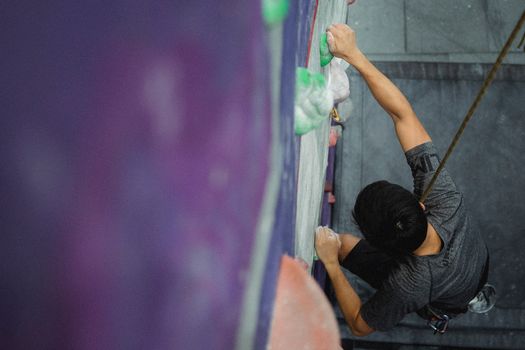
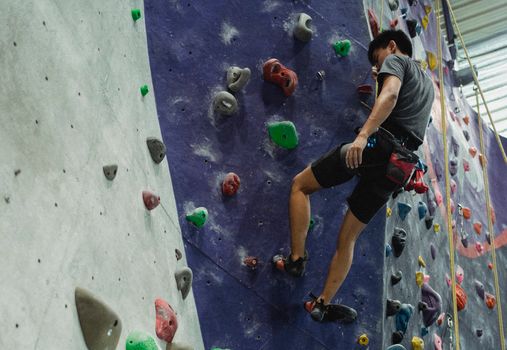
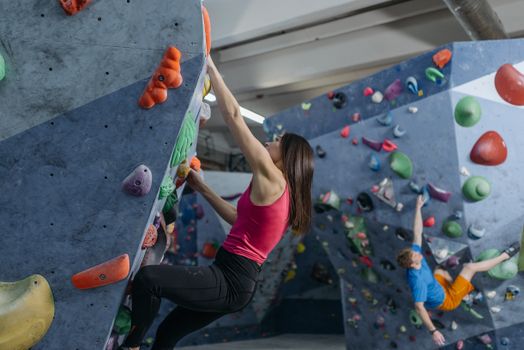
Forget the intimidating, sky-high walls of Olympic-sized climbing gyms. The spots I’m talking about specialize in a different kind of magic. They often focus on bouldering – climbing shorter routes without ropes, typically no more than 15 feet high, with thick crash pads below. This eliminates the "falling from a great height" anxiety, allowing you to focus purely on movement and problem-solving. It's like a vertical puzzle, and if you fall, it's a soft landing.
Another key feature is the prevalence of auto-belay systems on taller walls. These mechanical devices automatically take up slack as you climb and gently lower you down, removing the need for a human belayer and the associated trust issues some acrophobes might feel. It’s just you and the wall, with a silent, reliable partner.
But beyond the equipment, it’s the atmosphere that truly sets these places apart. They’re often community-run, less commercial, and foster a vibe of encouragement and camaraderie. No one is judging your slow ascent or your shaky knees. Instead, you'll find seasoned climbers offering tips, fellow beginners sharing knowing smiles, and a general sense that everyone is there to support each other's journey. It’s a safe space, both physically and emotionally, to confront your fears one handhold at a time.
Unveiling Ljubljana's Hidden Gem: The Grotto – Slovenia
My first encounter with this unique world was in Ljubljana, Slovenia. Tucked away in a repurposed industrial building, just a short walk from the buzzing Metelkova Art Centre but far enough to feel like a local secret, was "The Grotto" (Jamarji). From the outside, it looked like any other unassuming warehouse, but inside, it was a cavernous, dimly lit wonderland of textured walls and colorful holds.
The Grotto isn't flashy. It's rustic, with exposed brick, well-worn crash pads, and a scent of chalk and determination. What makes it perfect for acrophobes? Its primary focus is bouldering. The walls rarely exceed 4 meters (about 13 feet), and the routes are designed with a playful, puzzle-like quality. I remember my first session there, heart thumping, watching a group of locals gracefully navigate a tricky overhang. A friendly face, a woman named Ana, noticed my hesitation. "Just try the green route," she encouraged, pointing to a path of large, easy-to-grip holds. "It's like climbing a ladder, but more fun."
Ana introduced me to their "Mindful Movement" workshops, specifically designed for newcomers and those with anxieties. They focused on breathwork, body awareness, and celebrating small achievements. There was no pressure to reach the top, just to engage with the wall. I spent an hour just traversing horizontally, feeling the texture of the holds, learning to trust my feet, and slowly, gradually, my fear began to recede, replaced by a quiet focus. The feeling of reaching the top of a 3-meter boulder problem, knowing I could just step off onto a soft pad, was pure exhilaration.
Insider Info:
* Location: Jamarji, Trubarjeva cesta 50, Ljubljana (look for the subtle sign near Metelkova).
* Best for: Bouldering, beginner-friendly, mindful approach.
* Cost: Day pass from €10-€15 (approx. $11-$17 USD). Shoe rental available for a few extra euros.
* Getting There: A 15-minute walk from Prešeren Square or a short bus ride. Ask a local for "Jamarji" if you get lost – they'll know!
* Instagram Moment: The raw, industrial aesthetic combined with the vibrant climbing holds makes for surprisingly artistic shots. Capture the sense of focus and the supportive community.
Chiang Mai's Serene Summit: Zenith Boulder Garden – Thailand
My next discovery took me to the spiritual heart of northern Thailand, Chiang Mai. Known for its temples and lush mountains, it also harbors a surprisingly vibrant climbing scene. Away from the more commercial climbing gyms catering to experienced adventurers heading to Crazy Horse Buttress, I found "Zenith Boulder Garden". This place was a complete contrast to The Grotto – an open-air, almost meditative space nestled within a verdant garden, just outside the old city walls.
Zenith is a passion project run by a former monk turned climbing enthusiast, Somchai. He built the walls himself, incorporating elements of traditional Thai architecture and natural stone. The walls here are built into a natural slope, creating varied angles and heights that feel organic. The highest points are around 4.5 meters (15 feet), but many routes are much lower, mimicking natural rock formations.
What made Zenith special for my acrophobia was Somchai's philosophy. He believes climbing is a form of moving meditation. He encourages slow, deliberate movements, focusing on the breath and the connection between mind and body. There's a small tea house on site, and after a climb, you can sit and reflect, surrounded by bamboo and the gentle trickle of a water feature. I distinctly remember Somchai guiding me on what he called the "Elephant's Foot" route – a series of wide, stable holds designed to build trust in your lower body. He taught me to "listen to the wall," to find the rhythm of the climb, rather than fighting it. The soft earth and thick mats below felt incredibly reassuring. The air was filled with the scent of jasmine and the quiet murmur of encouragement.
Insider Info:
* Location: Zenith Boulder Garden, tucked away off Suthep Road, near Wat Umong. It's a bit tricky to find; look for a small, hand-painted sign down a narrow soi (alleyway).
* Best for: Mindful climbing, natural setting, all levels, especially beginners.
* Cost: Day pass from 250-350 THB (approx. $7-$10 USD). Shoe rental available.
* Getting There: Best by Grab (local ride-sharing app) or scooter. Tell your driver "Wat Umong," then ask a local near the temple for "Zenith Bouldering."
* Instagram Moment: The lush green backdrop, natural light, and unique architectural elements make for stunning, serene shots. Capture the peaceful post-climb tea ceremony.
Portland's Quirky Climb: The Urban Ascent Collective – Oregon, USA
Back in the US, I heard whispers of a community-focused gym in Portland, Oregon, a city renowned for its independent spirit and quirky charm. "The Urban Ascent Collective" was exactly what it sounded like: a co-operative, member-run climbing space in an old industrial building in the inner Southeast. It's the kind of place you'd walk past a hundred times without realizing the vibrant community thriving within.
Unlike the previous two, The Urban Ascent Collective has a mix of bouldering walls and a few auto-belay routes that go a bit higher, up to 10 meters (30 feet), but the focus remains on accessibility and learning. What truly sets it apart is its "pay-what-you-can" ethos for workshops and its incredibly welcoming volunteer staff. They run specific "Gravity-Defying Grooves" workshops tailored for people new to climbing or those with anxiety around heights, focusing on the basics of movement, footwork, and trusting the equipment.
My experience there was with a group of diverse individuals, some seasoned climbers, others complete novices like myself. The atmosphere was incredibly supportive, almost like a big family. One afternoon, a kind-faced volunteer named Leo spent an hour patiently guiding me on an auto-belay route. He taught me how to lean back into the harness, how to trust the rope as it gently lowered me, and how to control my descent. The small victories, like reaching a specific hold or overcoming a mental block, were celebrated by everyone. It felt less like a gym and more like a community center where climbing was just one of the many ways people connected.
Insider Info:
* Location: The Urban Ascent Collective, a discreet entrance in an industrial zone near SE 11th Ave. and Division St. Look for the colorful mural on the adjacent building.
* Best for: Community vibe, auto-belay routes, beginner workshops, inclusive atmosphere.
* Cost: Day passes from $15-$20 USD. Workshops often have a sliding scale or "pay-what-you-can" option for members.
* Getting There: Easily accessible by Portland's excellent public transport (MAX light rail or bus) or bike. Parking can be limited.
* Instagram Moment: The vibrant community and diverse group of climbers make for great candid shots. The industrial backdrop with splashes of local art creates a unique aesthetic.
Your Journey to Conquer the Crag: Practical Tips for Acrophobes
Inspired? Fantastic! Here’s how you can find your own secret climbing haven and start your journey to conquering the fear of heights:
- Start with Bouldering: This is your best friend. Low height, no ropes, soft landings. It builds confidence and strength without the added anxiety of significant drops.
- Seek Out Auto-Belay: If you want to go higher, look for gyms with auto-belay systems. It takes the human element (and potential trust issues) out of the equation, letting you focus on your climb.
- Research "Community" or "Co-op" Gyms: These are more likely to have the welcoming, supportive atmosphere you need. They often prioritize teaching and fostering a non-judgmental environment over sheer performance.
- Look for Workshops for Beginners/Anxiety: Many gyms, especially the smaller, locally-focused ones, offer specific introductory classes that address fear and technique in a gentle way.
- Go During Off-Peak Hours: Less crowded means more space, less pressure, and often more one-on-one attention from staff or other climbers. Early mornings or late afternoons on weekdays are usually best.
- Wear Comfortable Clothing: Loose-fitting athletic wear that allows for a full range of motion is ideal. Climbing shoes are essential and can usually be rented.
- Focus on the Process, Not Just the Top: Celebrate every small victory – making it halfway, trying a new move, or simply showing up. The goal isn't to be a pro, it's to challenge your comfort zone.
- Talk to Locals: When you arrive in a new city, ask around. "Are there any smaller, less busy climbing spots?" or "Where do locals go to boulder?" You'd be surprised what you can discover by striking up a conversation.
- Embrace the Fall (onto the pads!): Learning to fall safely in bouldering is part of the process. It desensitizes you to the idea of losing grip and reinforces that it's okay, you're safe.
- Hydrate and Snack: Climbing is physical and mentally draining. Keep yourself fueled.
- Patience is Key: Overcoming a phobia takes time. Some days you'll feel like you're flying, others you'll feel stuck. That's perfectly normal. Be kind to yourself.
The View from the Top (or Just a Little Way Up)
My journey from a terrified tourist clinging to a railing in Dubrovnik to someone who can confidently tackle a 4-meter boulder problem has been nothing short of liberating. It’s not just about climbing; it’s about reclaiming parts of my travel experience I thought were lost to fear. It’s about the quiet satisfaction of pushing past a mental barrier, the camaraderie of shared struggle, and the joy of discovering places that feel truly authentic and off the well-trodden tourist path.
These hidden climbing walls are more than just places to exercise; they are sanctuaries where fear is understood, patience is practiced, and personal triumphs are celebrated. They remind us that the most profound travel experiences often aren't found in guidebooks, but in the quiet corners, the local haunts, and the unexpected challenges that help us grow.
So, the next time you're planning an adventure, don't let that nagging fear of heights hold you back. Seek out these local secrets. Ask around. Be brave, be curious, and you might just find your own Grotto, Zenith, or Urban Ascent Collective – and a brand new perspective on the world, one handhold at a time.
Have you discovered a hidden gem for climbing that helped you or someone you know conquer a fear? Share your stories and secret spots in the comments below! Let's inspire each other to reach new heights!
---