The Secret Weapon for Acrophobes: How Climbing Walls Are Changing the Game (Before Everyone Else Knows It)
I remember it like it was yesterday: standing on the glass floor of the CN Tower in Toronto, my palms sweating, heart hammering against my ribs, knees threatening to buckle. Below me, a dizzying 1,122 feet of air separated me from the bustling city streets. Every rational part of my brain screamed, "You're safe! This glass is thick!" But my primal, acrophobic self was convinced I was seconds away from plummeting to my doom. I managed a shaky photo, then retreated to solid ground, vowing never to put myself in such a precarious position again.
Fast forward a few years, and you’d find me dangling 40 feet up an indoor climbing wall, a triumphant grin plastered across my face. What changed? Did I suddenly become fearless? Absolutely not. I found a secret weapon, an unsung hero in the fight against acrophobia: the humble, yet incredibly powerful, indoor climbing wall. But not just any climbing wall. I discovered a specific, burgeoning side of the climbing world that's perfectly tailored for those of us who get vertigo just looking at a tall ladder. And trust me, you'll want to get in on this before it becomes the next big thing.
The Acrophobe's Ascent: Why Indoor Climbing is Your Unexpected Ally
For years, I associated climbing with death-defying feats, sheer rock faces, and a complete disregard for gravity. The thought of it sent shivers down my spine. But indoor climbing, particularly the style I'm about to introduce you to, is a completely different beast. It's a controlled, supportive environment designed for progression, not just extreme sports.
Here's why it's a game-changer for anyone with a fear of heights:
- Controlled Environment: Unlike the unpredictable outdoors, indoor climbing gyms are meticulously designed for safety. There are padded floors, professional instructors, and well-maintained equipment. Every route is set by experts, and you know exactly what you're getting into. There are no sudden gusts of wind, no loose rocks, no unexpected weather changes.
- Focus on the Process, Not the Peril: Climbing, at its core, is a moving puzzle. Your mind becomes so engrossed in figuring out the next handhold, the optimal foot placement, and the best body position that the height often fades into the background. It's a form of active meditation, forcing you into the present moment.
- Gradual Progression: You start low. Really low. And you only go higher when you feel ready. There's no pressure to scale Everest on your first day. This gentle, step-by-step approach is crucial for rewiring your brain's fear response.
- Supportive Community: Climbing gyms are often incredibly welcoming places. You'll find people of all ages, body types, and experience levels cheering each other on. There's a shared sense of accomplishment and mutual encouragement that's incredibly empowering.
It's less about conquering a mountain and more about conquering your mind, one carefully placed foot at a time. And the best part? You don't need a single ounce of prior experience or even a hint of upper body strength to start.
Decoding the "Fear-Friendly" Walls: Your Gateway to Vertical Confidence
This is where we dive into the specific types of indoor climbing that are perfect for acrophobes. These aren't your typical towering lead walls, but rather specialized setups designed to build confidence from the ground up.
1. Bouldering: The Ground-Level Guru
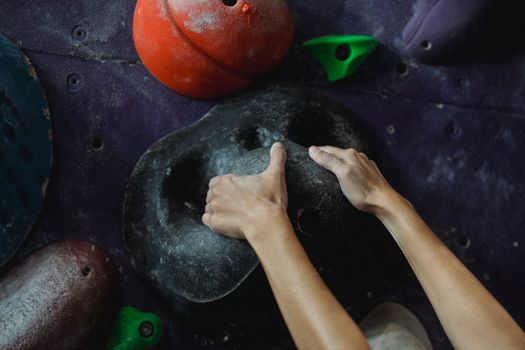
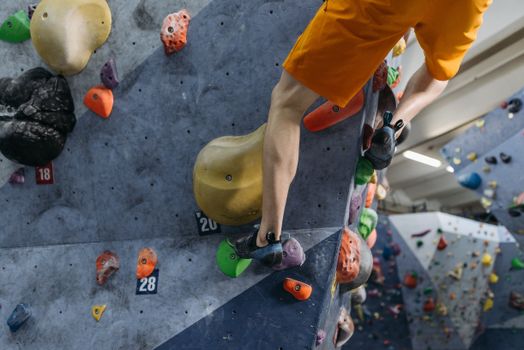
Imagine a climbing wall that's never more than 12-15 feet high, with thick, cushy crash pads covering the entire floor. That's bouldering. There are no ropes, no harnesses, and no dizzying heights. You simply climb short, challenging "problems" (routes) and, if you fall, you land safely on a bouncy mat.
Why it's perfect for acrophobes:
* No Ropes, No Perceived Danger: The absence of ropes can actually be less intimidating for some, as there's no complex gear to worry about. You're just you, the wall, and the floor a few feet below.
* Immediate Escape Route: If you feel uncomfortable, you can simply step off the wall. There's no commitment to reaching the top, no long descent. This sense of control is incredibly reassuring.
* Focus on Technique, Not Height: Bouldering is all about strength, balance, and problem-solving. Your mind is so engaged in the puzzle of the holds that the minimal height becomes an afterthought.
My first bouldering session was a revelation. I nervously eyed a bright green V0 (the easiest grade) problem, convinced I'd flail. But as I focused on the sequence of holds, my fear dissolved into concentration. The moment I reached the final hold, a mere 8 feet off the ground, I felt an almost childlike surge of triumph. It was like solving a complex puzzle with my body, and the "danger" factor was completely absent. Snap that victorious selfie, because you just conquered your first vertical challenge!
2. Auto-Belay Walls: Your Trusty Robotic Partner
Once you've built a little confidence on the boulders, auto-belay walls are your next logical step. These are taller walls (often 20-50 feet) equipped with a clever device that automatically takes up slack as you climb and gently lowers you to the ground when you let go or reach the top.
Why it's perfect for acrophobes:
* Automated Safety: You don't need a human belayer, which can be a source of anxiety for some (What if they make a mistake? What if they're distracted?). The auto-belay system is consistent and reliable.
* Gradual Height Exposure: You can climb as high or as low as you like. Want to try 10 feet? Great. Feeling brave for 20? Go for it. You control the ascent and descent.
* Smooth Descent: The gentle, controlled lowering mechanism is surprisingly comforting. It's not a sudden drop, but a graceful glide back to earth, allowing you to gradually acclimatize to the sensation of being high up.
I remember my first auto-belay climb. My hands were clammy, and my stomach did a little flip as I clipped into the device. But with each successful move upwards, a sense of calm washed over me. The descent, which I initially dreaded, became almost meditative. It was like floating, and for the first time, I experienced the sensation of height without the accompanying panic. It was exhilarating, not terrifying.
3. Fun Walls & Adventure Parks: Playful Pathways to the Peak
Increasingly, you'll find "fun walls" or "adventure climbing parks" popping up, often in family entertainment centers or dedicated youth climbing facilities. These walls feature whimsical designs, interactive elements, and varied challenges that are less about hardcore training and more about playful engagement. Think glowing holds, themed routes, or even transparent climbing surfaces.
Why it's perfect for acrophobes:
* Low-Pressure Environment: These spaces are designed for fun, not elite performance. The atmosphere is generally lighthearted and encouraging.
* Varied Challenges: Beyond traditional holds, you might find rope ladders, cargo nets, or even slides to descend. This variety keeps things engaging and less intimidating than a sheer, vertical wall.
* Focus on Experience: The goal here is to have a good time and build confidence through play. It's a fantastic way for adults to tap into their inner child and overcome fear without even realizing it.
I once stumbled upon a "fun wall" section in an adventure park in a suburban mall. It had a wall that looked like a giant tree, complete with bark-textured holds. The vibrant colors and playful design instantly reduced my apprehension. I climbed, laughed, and even raced a few kids (they won, obviously), completely forgetting my usual fear. It was a delightful reminder that sometimes, the best way to conquer fear is to make it fun.
Your First Climb: Practical Tips for a Fearless Start
Ready to take the leap (or the climb)? Here's how to ensure your first experience is positive and empowering:
- Find the Right Gym: Look for gyms that advertise "beginner-friendly," "bouldering focused," or "auto-belay specific" areas. Check their websites or call ahead. A good sign is a gym with a diverse clientele, not just super-shredded climbers. Many modern gyms are designed with inclusivity in mind.
- Take an Introductory Class: Many gyms offer a "First-Time Climber" or "Intro to Bouldering/Auto-Belay" class. These are invaluable! For an average price of $25-$50, you'll get a guided tour, learn safety protocols, basic techniques, and feel much more comfortable.
- Gear Up (Affordably): You don't need to buy anything initially. Gyms offer rental shoes and, if needed, a harness. Expect to pay $5-$10 for a full gear rental package. Wear comfortable, flexible clothing you can move freely in.
- Go with a Friend (or Solo!): A supportive friend can be great, but don't let a lack of climbing buddies stop you. Many people climb solo, and the community is usually very welcoming.
- Set Small Goals: Your goal isn't to reach the top of the tallest wall on day one. It's to try one boulder problem, or climb 10 feet up an auto-belay. Celebrate every small victory.
- Listen to Your Body (and Mind): If you feel overwhelmed, step down. Take a break. Breathe. This is about challenging yourself safely and respectfully. Remember, you're in control.
- Typical Costs: A day pass for a climbing gym usually ranges from $15-$30. Add the gear rental, and you're looking at a very affordable, active day out!
My Own Vertical Victory: From Wobbly Knees to Willing Climber
My journey didn't end with that first V0 boulder problem. I kept going back. Each time, I'd try a slightly harder boulder, or climb a few feet higher on the auto-belay. I learned to trust the equipment, to trust my body, and most importantly, to trust myself.
There was one particular auto-belay route—a challenging 45-foot wall with tiny, crimpy holds—that seemed insurmountable. For weeks, I'd stare at it, make it halfway, then lower myself, my fear winning. But one day, after a particularly encouraging session with a new climbing friend, I decided to push through. My legs were like jelly, my breath hitched with every move, but I kept telling myself, "Just one more hold. Just one more." When my hand finally slapped the top hold, a wave of pure, unadulterated triumph washed over me. I hung there, panting, looking down at the gym floor, and for the first time, there was no panic, only pride. It was a visceral, unforgettable experience.
This newfound confidence wasn't confined to the gym walls. That trembling person on the CN Tower's glass floor? They're now happily traversing suspension bridges in cloud forests, confidently hiking to mountain summits with panoramic views, and even considering a via ferrata on my next trip. Climbing didn't magically erase my fear, but it gave me the tools to manage it, to push its boundaries, and to transform it into exhilarating challenge.
Beyond the Holds: How Climbing Transforms Your Travel Mindset
This emerging trend of accessible, fear-friendly climbing isn't just a fun workout; it's a transformative travel tool.
- Unlocks New Adventures: That hike with a steep, exposed section? You'll approach it with newfound courage. That rooftop bar with incredible views? You'll savor every moment. Zip-lining, canyoning, hot air balloon rides – activities that once seemed impossible become exciting possibilities.
- Connects You to Locals: Climbing gyms are fantastic community hubs. When you travel, seeking out a local gym is an incredible way to meet people, get local recommendations, and experience a city beyond the typical tourist traps.
- Boosts Mental Resilience: The mental fortitude you build on the wall translates directly into navigating the unpredictable nature of travel. Delayed flights, lost luggage, language barriers – they all become just another "problem" to solve.
- A Unique Travel Activity: While everyone else is hitting the same museums, you'll be discovering vibrant, welcoming climbing communities, pushing your boundaries, and creating truly unique travel memories. Plus, it's a fantastic way to stay active on the road!
The Future is Up: Why This Trend Deserves Your Attention Now
The world of indoor climbing is rapidly evolving. Gone are the days when gyms were dark, intimidating spaces exclusively for hardcore athletes. Today, we're seeing a rise in brightly lit, aesthetically pleasing, and incredibly inclusive facilities designed for everyone. Boutique bouldering gyms are popping up in urban centers, and adventure parks are integrating "fun wall" concepts that cater to a broad audience.
This shift means that the opportunity to confront your fear of heights in a safe, supportive, and incredibly fun way is more accessible than ever before. It's a trend that's still somewhat under the radar for the average traveler, but it's poised to become mainstream. By embracing it now, you're not just trying a new sport; you're investing in a unique form of personal growth that will enrich every future adventure. You're becoming part of a movement before the crowds arrive.
Don't Let Fear Hold You Down, Climb Your Way Up!
If the thought of heights makes your stomach churn, I urge you to consider the humble climbing wall. It's not about becoming a world-class climber; it's about discovering an inner strength you never knew you had. It's about turning fear into focus, apprehension into accomplishment.
So, next time you're planning a trip, or even just looking for a new local adventure, seek out a climbing gym. Find one of those fear-friendly bouldering areas or an auto-belay wall. Clip in, take a deep breath, and make that first move. You might just find your new passion, unlock a world of travel possibilities, and finally, truly, conquer your fear of heights.
Now, tell me: Are you ready to take on the wall? Share your thoughts and experiences in the comments below! And don't forget to tag @Tripsora and #TripsoraClimbs when you post your vertical victories on social media!
---