Haunting Beauty: Forgotten Ghost Towns You MUST Visit Before You Die
The dust motes danced in the slivers of light piercing the broken window of the old saloon. A gust of wind whistled through the gaps in the rotting floorboards, carrying with it the faint scent of sagebrush and something else… something ancient, melancholic, and utterly captivating. I stood there, a solitary figure in a town long abandoned, and felt an undeniable thrill – a direct connection to lives lived a century ago, now just echoes in the wind. This wasn't a movie set; this was Bodie, California, and it was my first true ghost town experience. It was also the moment I became obsessed.
There’s a unique magic in forgotten places. Ghost towns aren't just dilapidated buildings; they are time capsules, monuments to human ambition, resilience, and sometimes, folly. They whisper tales of boom and bust, of fortunes won and lost, of dreams pursued under harsh sun and unforgiving earth. For the adventurous traveler, the history buff, the photographer, or simply anyone seeking a truly profound experience, these spectral settlements offer an unparalleled journey.
At Tripsora, we believe in travel that moves you, changes you, and leaves an indelible mark. And trust me, a visit to a forgotten ghost town will do exactly that. So, pack your bags, charge your camera, and prepare to step into the past. Here are the forgotten ghost towns you absolutely need to experience before you die.
---
1. Bodie, California: The Wild West Frozen in Time
If you only visit one ghost town in your life, make it Bodie. Nestled in the desolate, high desert landscape east of the Sierra Nevada, Bodie isn't just abandoned; it's preserved in a state of "arrested decay." This means that when the last residents left, they left everything behind, and the California State Parks system has ensured it stays that way.
The Story:
Bodie boomed in the late 1870s after a rich vein of gold was discovered. At its peak, it had a population of 10,000, 65 saloons, a red-light district, and a reputation for lawlessness. "Goodbye God, I'm going to Bodie" was a common phrase, reflecting its wild nature. But like all gold rushes, it eventually went bust, and by the 1940s, it was practically deserted.
What to Experience:
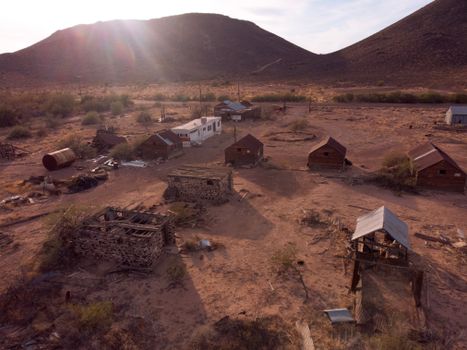
Walking through Bodie is like stepping onto a movie set, except it’s all real. You’ll see the general store still stocked with goods, the church with its altar intact, the schoolhouse with desks and slates, and hundreds of weathered wooden structures, including homes, saloons, and the stamp mill. The sheer scale and preservation are breathtaking. Look closely, and you might see dishes on a table, a child's doll, or tools left where they were last used.
Personal Anecdote:
I remember peering into a small home, seeing an old stove and a simple bed frame. I imagined the family who lived there, the harsh winters, the hope for gold. It wasn't just history; it felt like a ghost of a home, each object imbued with a story. The silence, broken only by the wind, was profound.
Practical Details:
* Location: East of Yosemite National Park, near the town of Bridgeport, CA.
* Getting There: Accessible via CA-270, a partially unpaved, sometimes rough road. A high-clearance vehicle is recommended, especially outside of summer.
* Cost: $8 per adult, $5 per child (cash only at the gate).
* Best Time to Visit: Late spring to early fall, when roads are clear of snow. Winters can be brutal and access limited.
* Tips: Wear sturdy shoes, bring plenty of water, and a wide-angle lens for your camera. Dogs are allowed on leash, but not inside buildings. Guided tours are often available during peak season and offer incredible insights.
---
2. Kennecott, Alaska: Copper King's Ghostly Empire
Imagine a ghost town nestled amidst glaciers and towering mountains, a testament to incredible human endeavor in an impossibly beautiful, remote wilderness. That’s Kennecott, Alaska, a former copper mining camp that once boasted the richest copper lode in the world.
The Story:
From 1911 to 1938, Kennecott and the nearby town of McCarthy were bustling hubs, connected to the outside world by a 196-mile railway. Miners toiled in conditions that were both dangerous and incredibly lucrative. But when the copper ran out, the entire operation was abandoned almost overnight, leaving behind massive wooden structures, equipment, and a palpable sense of a forgotten era.
What to Experience:
The sheer scale of the Kennecott Mine National Historic Landmark is awe-inspiring. The most iconic structure is the 14-story copper mill, clinging precariously to the mountainside. You can also explore the power plant, bunkhouses, and the general store. The remoteness adds to the mystique; getting there is an adventure in itself.
Personal Anecdote:
Hiking up to the mine entrance, the panoramic views of the Wrangell-St. Elias National Park were simply breathtaking. I stood at the base of the massive mill, a wooden leviathan, and tried to fathom the immense effort it took to build and operate such a complex in this wild landscape. It felt like standing on the edge of the world, witnessing a monumental human footprint.
Practical Details:
* Location: Within Wrangell-St. Elias National Park and Preserve, Alaska.
* Getting There: This is an adventure! You drive the McCarthy Road (a gravel road, often bumpy, about 60 miles long, rental car restrictions may apply) to a pedestrian-only bridge. From there, it's a 0.5-mile walk to McCarthy, and then another 4.5-mile walk or shuttle ride to Kennecott.
* Cost: No entrance fee for the park itself, but guided tours of the mill are highly recommended and cost around $30-40.
* Best Time to Visit: June to September, when the weather is mildest and access is easiest.
* Tips: Plan for at least an overnight stay in McCarthy to fully explore. Bring bear spray, rain gear, and excellent hiking boots. Book accommodations and tours in advance, as options are limited. This is a true wilderness experience, so be prepared!
---
3. St. Elmo, Colorado: A Rocky Mountain Relic
Nestled high in the Collegiate Peaks of Colorado, St. Elmo is often considered one of the best-preserved ghost towns in the state. Its picturesque setting, surrounded by aspen groves and towering peaks, makes it a favorite for photographers and history enthusiasts alike.
The Story:
St. Elmo was founded in 1880 as a bustling mining town, primarily extracting gold and silver. At its peak, it had over 2,000 residents, a telegraph office, general stores, saloons, and hotels. When the mining waned in the early 20th century, the town slowly emptied. The last train left in 1922, and the remaining residents, including the famous Stark family, held out for decades, maintaining the town.
What to Experience:
St. Elmo offers a charming, albeit eerie, glimpse into late 19th-century mining life. You can wander among dozens of well-preserved wooden buildings, including the general store (which is still open seasonally, selling snacks and souvenirs), the schoolhouse, a saloon, and numerous cabins. The town also has a resident population of chipmunks that are notoriously friendly, adding a quirky touch to your visit.
Personal Anecdote:
I loved the contrast of the vibrant green aspens and the weathered grey wood of the buildings. Inside the general store, seeing shelves lined with old tins and bottles, I could almost hear the chatter of miners. And yes, the chipmunks were adorable, practically posing for photos! It felt less desolate and more like a gentle slumber.
Practical Details:
* Location: Chalk Creek Canyon, near Buena Vista, Colorado.
* Getting There: Accessible via a well-maintained gravel road (County Road 162), suitable for most vehicles in good weather.
* Cost: Free to enter and explore.
* Best Time to Visit: Late spring through early fall. The fall foliage in the surrounding aspen groves is spectacular. The road is often impassable in winter.
* Tips: Combine your visit with a trip to the nearby Mount Princeton Hot Springs for a relaxing end to your day. The general store sometimes has snacks and drinks, but bring your own water and a picnic to enjoy the scenic surroundings.
---
4. Rhyolite, Nevada: Desert Dreams and Desolate Remains
In the stark, beautiful landscape of the Amargosa Desert, just outside Death Valley National Park, lies Rhyolite. This ghost town isn't as well-preserved as Bodie, but its dramatic ruins and unique desert art installations make it an unforgettable experience.
The Story:
Rhyolite was a classic boom-and-bust gold mining town, founded in 1905. Within a few years, it had electricity, running water, a hospital, a stock exchange, and even an opera house, with a population reaching up to 5,000. Famously, one of its most unique structures was a house built entirely from 50,000 beer bottles. But the 1907 financial panic and the declining ore quality quickly led to its demise, and by 1920, it was virtually empty.
What to Experience:
While many buildings are reduced to foundations, several impressive structures remain. The skeletal remains of the three-story bank building stand tall against the sky, as does the old jail and a portion of the train depot. The Bottle House has been partially reconstructed, and the nearby "Goldwell Open Air Museum" features a series of surreal and thought-provoking sculptures, including a ghostly Last Supper, adding a contemporary artistic layer to the historical ruins.
Personal Anecdote:
The silence in Rhyolite was deafening, amplified by the vast, empty desert. Standing by the remains of the bank, I felt the intense heat and imagined the desperation as fortunes evaporated. The contrast with the artistic installations was striking – new dreams built on the ruins of old ones. It’s a powerful place for reflection.
Practical Details:
* Location: Near Beatty, Nevada, just outside the eastern boundary of Death Valley National Park.
* Getting There: Easily accessible via paved roads (NV-374).
* Cost: Free to explore.
* Best Time to Visit: Fall, winter, or spring. Summer temperatures are extremely high and can be dangerous.
* Tips: Bring a hat, sunscreen, and plenty of water. There are no services in Rhyolite itself. Combine this with a visit to Death Valley for an incredible desert adventure. The light for photography is spectacular at sunrise and sunset.
---
5. Garnet, Montana: The Last Best Place for Ghosts
Tucked away in the Garnet Range of western Montana, Garnet is Montana's most intact ghost town. It's a bit harder to reach, especially in winter, but its authenticity and stunning natural surroundings make the effort incredibly worthwhile.
The Story:
Garnet was established in 1895 after gold was discovered in the area. At its peak, it housed around 1,000 people and included four hotels, 13 saloons, a school, and various stores. Unlike many boomtowns, Garnet had a more family-friendly atmosphere. However, by the early 1900s, the gold veins began to play out, and a devastating fire in 1912 destroyed several key buildings. World War I further sealed its fate, and it was largely abandoned by the 1930s.
What to Experience:
Maintained by the Bureau of Land Management, Garnet preserves about 30 buildings, including many cabins, two hotels (the J.K. Wells Hotel and the Dahl Saloon/Hotel), and various commercial structures. You can walk through the streets and peek into the buildings, many of which still contain original furnishings and artifacts. The isolation and the surrounding forest add to its tranquil, timeless atmosphere.
Personal Anecdote:
I visited Garnet on a crisp autumn day, the air smelling of pine and damp earth. The quiet was profound, broken only by the crunch of leaves underfoot. Walking into the J.K. Wells Hotel, seeing the old registration desk and a few scattered chairs, I could almost hear the faint murmur of conversations from a century ago. It felt incredibly peaceful, a place where nature was slowly reclaiming history.
Practical Details:
* Location: East of Missoula, Montana, in the Lolo National Forest.
* Getting There: Access is via a gravel road (Garnet Range Road). It's generally passable for most vehicles from May to October, but high-clearance or 4WD is recommended, especially after rain. Roads are closed in winter, but you can access it via snowmobile or cross-country skis.
* Cost: $3 per person (cash only) for visitors aged 16 and older.
* Best Time to Visit: Late spring to early fall (May-October) for vehicle access. Winter offers a unique, snowy experience for the adventurous.
* Tips: There are no services in Garnet, so bring all your supplies. Pack a picnic to enjoy at the picnic tables. The BLM offers interpretive materials and occasionally has staff on site. Check road conditions before you go, especially if traveling in a standard vehicle.
---
Your Ghost Town Adventure: Practical Tips for a Safe & Memorable Trip
Visiting a ghost town isn't like going to a theme park. These are real historical sites, often in remote locations, and require preparation and respect. Here's how to make your trip unforgettable:
- Do Your Research: Each ghost town has its own story, accessibility challenges, and regulations. Check official websites (State Parks, BLM, National Park Service) for opening hours, road conditions, and any specific rules.
- Safety First:
- Footwear: Wear sturdy, closed-toe shoes. You'll be walking on uneven ground, gravel, and possibly broken glass or rusty nails.
- Hydration: Always bring more water than you think you'll need, especially in desert or high-altitude locations.
- Weather: Check the forecast. Temperatures can fluctuate wildly, and storms can roll in quickly. Pack layers, rain gear, and sun protection (hat, sunscreen).
- Wildlife: Be aware of your surroundings. Ghost towns are often in wilderness areas, so encounters with snakes, bears, or other wildlife are possible.
- Structures: Never enter unstable buildings. They are often unsafe and can collapse without warning. Admire from a safe distance.
- Respect the History:
- Leave No Trace: Pack out everything you pack in. Do not litter.
- Don't Take Souvenirs: It’s illegal and disrespectful to remove artifacts from historic sites. Leave everything as you found it for future visitors to enjoy.
- Stay on Paths: Stick to designated trails or open areas to protect fragile ecosystems and historical foundations.
- Photography Etiquette: Ghost towns are incredibly photogenic!
- Golden Hour: Aim for sunrise or sunset for the most dramatic lighting.
- Details: Look for small, forgotten details – an old tool, a weathered sign, a broken window.
- Drone Use: Check regulations. Many protected areas prohibit or restrict drone usage.
- Connectivity: Cell service is often non-existent in remote ghost towns. Download maps offline and let someone know your itinerary.
- Accessibility: Some ghost towns are easily accessible by paved roads, while others require high-clearance or 4WD vehicles and may involve long drives on unpaved roads. Always confirm road conditions before heading out.
---
The Echoes of a Thousand Stories
Visiting a ghost town is more than just a sightseeing trip; it's an immersive historical journey. It's a chance to connect with the past in a way that museums, however excellent, simply cannot replicate. You stand on the very ground where people toiled, loved, celebrated, and mourned. You feel the wind that once carried their hopes and fears.
These forgotten places are poignant reminders of the transient nature of human endeavor and the enduring power of nature. They are beautiful in their decay, haunting in their silence, and utterly captivating in their untold stories. Each creaking board, each rusted artifact, each empty street holds a fragment of a life lived.
So, what are you waiting for? Stop dreaming about time travel and start planning your adventure to one of these incredible forgotten ghost towns. Add them to your bucket list, share this post with your fellow adventurers, and prepare for an experience that will stay with you long after the dust settles. The ghosts are waiting.