The Unexpected Ascent: How Climbing Walls Are Secretly Curing Acrophobia (Before Everyone Else Finds Out!)
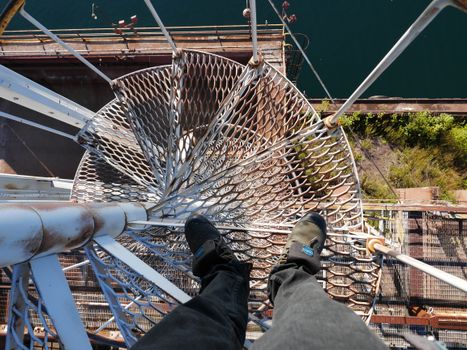
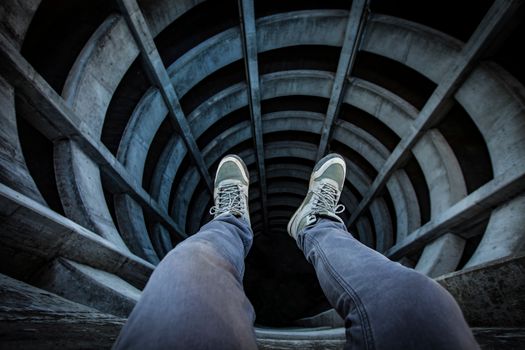
The sheer drop beneath my feet felt like a magnet pulling me down. My palms were sweating, my heart hammered a frantic rhythm against my ribs, and my legs, usually so reliable, felt like jelly. I was standing on a perfectly safe, well-maintained viewing platform overlooking the Grand Canyon, arguably one of the most breathtaking sights on Earth. But all I could focus on was the terrifying expanse below, my fear of heights, or acrophobia, screaming in my ears. I squeezed my eyes shut, gripped the railing until my knuckles were white, and practically crawled back to solid ground, missing out on what should have been a moment of pure awe.
That wasn't an isolated incident. My acrophobia had been a silent saboteur throughout my travels. Zip-lining in Costa Rica? My eyes were glued to the cable, not the lush canopy. Hiking a stunning mountain trail in Switzerland? I spent half the time staring at my boots, terrified of straying too close to an edge. It was frustrating, embarrassing, and truly limited my ability to fully immerse myself in the adventures I craved. I felt like I was constantly traveling with a mental leash, held back by an invisible, suffocating force.
I tried everything: deep breathing exercises (helpful, but not a cure), visualizing success (my brain clearly wasn't getting the memo), even therapy (which provided insight but no immediate solution for the physical panic). I was resigned to a life of admiring scenic photos from ground level, until a chance encounter with a friend – a seasoned climber with biceps that could crush walnuts – planted a seed of an idea so outlandish, it just might work. "You want to conquer your fear of heights?" she'd chuckled, "Come climb with me."
My initial reaction? Laughter. Me? The person who gets woozy on a stepladder? Scale a wall? It sounded like a cruel joke, the equivalent of telling an arachnophobe to cuddle a tarantula. But her conviction, and my desperation, were compelling. And so, begrudgingly, I found myself walking into a local climbing gym, a place that would, over the next few months, quietly revolutionize my relationship with heights and unlock a level of travel confidence I never thought possible.
This isn't about becoming an Olympic climber. This is about discovering a powerful, accessible, and surprisingly therapeutic tool for confronting acrophobia – a tool that’s still largely under the radar for this specific purpose. Before climbing walls become the mainstream go-to for fear-conquering, let me show you why they might just be your secret weapon.
The Unseen Battle: My Own Acrophobia Journey
Let's be real: acrophobia isn't just a mild discomfort. It's a primal, visceral reaction that hijacks your senses. For me, it manifested as a sudden, overwhelming dread. My vision would narrow, my balance would feel off, and a cold sweat would break out. It wasn't just about falling; it was about the loss of control, the terrifying vastness, the feeling of insignificance against a dizzying drop.
I remember a trip to Paris, standing on the second floor of the Eiffel Tower. My travel partner was pointing out landmarks, marveling at the cityscape. Me? I was pressed against the inner wall, eyes firmly fixed on the structure itself, unable to force myself to look down or out for more than a fleeting, terrifying second. The beauty was there, tantalizingly close, but my fear built an invisible, impenetrable barrier. I felt cheated, not by the tower, but by my own mind.
I'd tried to rationalize it away: "It's perfectly safe," "Millions of people do this," "You're not going to fall." But logic had no place in the face of pure, unadulterated panic. It was a deeply personal battle, one I felt isolated in, and it chipped away at my adventurous spirit. The thought of ever truly enjoying a cliffside hike, a hot air balloon ride, or even a simple climb up a lighthouse seemed utterly impossible.
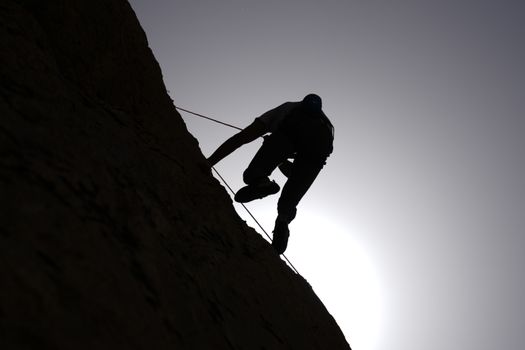
When my friend suggested climbing, I saw it as a desperate, last-ditch effort. I envisioned myself clinging precariously to a sheer rock face, hundreds of feet up, paralyzed with terror. What I found, however, was something entirely different, something gentle yet profoundly effective.
Why Climbing Walls (Specifically!) Are Your Secret Weapon
Forget images of daredevil mountaineers on Everest. Indoor climbing gyms, particularly those focusing on bouldering or auto-belay systems, offer a controlled, safe, and incredibly effective environment for confronting acrophobia. Here’s why they trump other forms of exposure:
- Controlled Environment, Unquestionable Safety: Unlike a mountain or a cliff, a climbing gym is a purpose-built facility designed for safety. The floors are padded with thick mats, holds are securely bolted, and ropes (if used) are regularly inspected. You're never truly "alone" with your fear; there are always staff, instructors, and fellow climbers nearby. This foundational layer of safety is crucial for an acrophobe. You know you're safe, even if your primal brain tries to tell you otherwise.
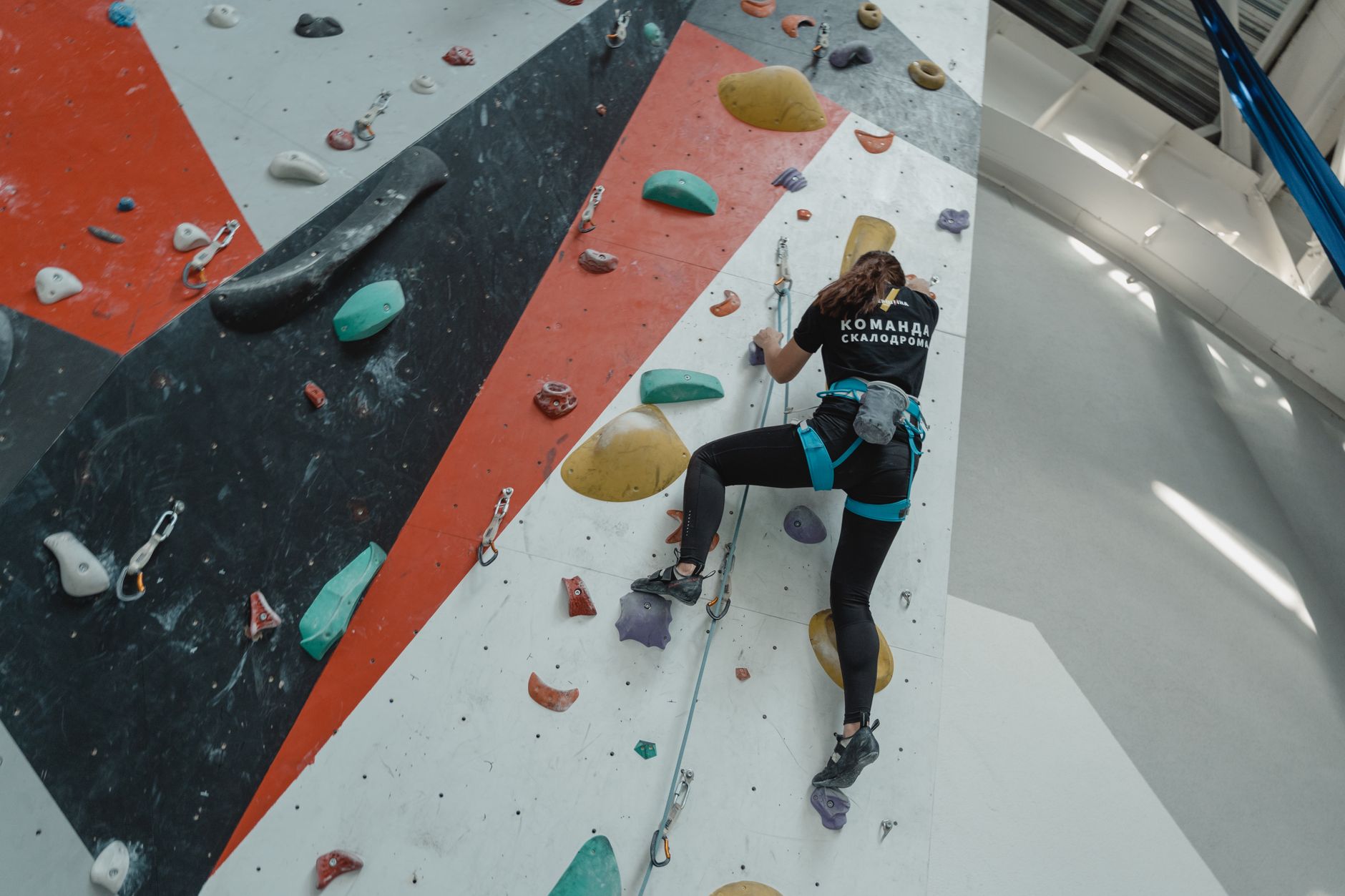
- Gradual Exposure, Self-Paced Progress: This is the game-changer. You dictate the height. With bouldering, you start just a few feet off the ground, learning movements and building confidence. You can literally climb two feet up, feel a flicker of anxiety, and step down. No pressure. As you get more comfortable, you can attempt slightly higher walls, slowly expanding your comfort zone. With auto-belay systems (a mechanical device that takes up slack as you climb and lowers you gently), you're always secured, and you control the pace of your ascent and descent. This allows for micro-doses of exposure, preventing overwhelm and fostering a sense of mastery.
- Mental Engagement Overrides Panic: Climbing isn't just a physical activity; it's a puzzle. Each route, or "problem," requires strategic thinking: "Where do I put my foot next?" "Which handhold will give me the best leverage?" This intense focus on problem-solving, body movement, and technique actively diverts your brain from fixating on the height. You're so engrossed in the immediate challenge that the fear often takes a backseat. It's a form of active meditation, grounding you in the present moment.
- The Bouldering Advantage: For acrophobes, bouldering is often the perfect entry point. These walls are typically no higher than 15-20 feet, and you don't use ropes or harnesses. Instead, you're protected by those giant, cushy crash pads. The focus is purely on movement, strength, and technique. The "fall" is usually a controlled drop onto a soft surface, which quickly desensitizes you to the idea of losing grip – a common fear trigger for acrophobes. It teaches you to trust your body and the environment in a low-stakes way.
Your First Ascent: A Step-by-Step Guide for Acrophobes
My first day at "Urban Ascent" in my city was a blur of nervous energy and the smell of chalk. I rented shoes that felt ridiculously tight and watched in awe as experienced climbers moved with effortless grace. My friend, bless her patient soul, led me to the bouldering area.
"Start here," she said, pointing to a route marked with green tape, indicating a beginner-friendly V0 (climbing problems are graded, with V0 being the easiest). "Just try to get your feet off the ground."
My heart pounded. Even a foot off the ground felt like a monumental leap. I gripped the plastic holds, took a shaky breath, and pushed off. For a terrifying second, I was suspended, my body screaming "GET DOWN!" But then, I focused on my hands, on the texture of the holds, on finding the next foothold. I managed two moves before my arms gave out, and I dropped onto the mat with a soft thud. It wasn't elegant, but I hadn't panicked. I hadn't frozen. I had climbed. And then I did it again. And again.
Here’s how you can replicate that initial, crucial step:
- Find a Beginner-Friendly Gym: Look for gyms that explicitly advertise "beginner bouldering," "intro to climbing," or "first-time climber packages." Call ahead and ask about their auto-belay systems if you're interested in roped climbing, as these are excellent for solo, controlled ascents.
- Go with a Buddy (or a Patient Instructor): Having someone supportive with you makes a huge difference. If a friend isn't available, many gyms offer introductory classes with instructors who are fantastic at guiding nervous newcomers. Explain your acrophobia to them – a good instructor will understand and tailor their approach.
- Rent the Gear: Don't invest in shoes or a harness right away. Most gyms offer rentals for a small fee ($5-$10 USD for shoes, sometimes a harness included with a day pass). The specialized climbing shoes are designed for grip and precision, making a huge difference.
- Start with Bouldering (or Auto-Belay): As discussed, these are your best friends. Bouldering keeps you low, while auto-belays provide constant security. Avoid traditional top-roping with a human belayer until you're more comfortable, as coordinating with another person can add an extra layer of anxiety.
- Set Micro-Goals: Your first goal isn't to reach the top. It's to get your feet off the ground. Then, to make two moves. Then, to reach a specific hold. Celebrate every tiny victory. "I stayed up for 10 seconds!" "I tried a harder hold!"
- Focus on Your Hands and Feet: When the fear starts to creep in, consciously shift your attention. Look at your hands gripping the holds, feel the rubber of your shoes on the footholds. Focus on the immediate task. Breathe deeply and evenly.
- It's Okay to Come Down: There's no shame in down-climbing or letting go and dropping onto the mat. Listen to your body and your mind. Push your comfort zone, but don't overwhelm it. The goal is positive reinforcement, not trauma.
Beyond the Climb: The Unexpected Benefits for Your Mind & Travels
What started as a desperate attempt to fix a problem quickly evolved into a passion. The physical benefits were obvious: stronger arms, core, and legs. But the mental shifts were truly profound.
- Confidence Soared: With every successful climb, no matter how small, my confidence grew. I started to trust my body, my judgment, and my ability to overcome perceived limitations. This confidence wasn't confined to the gym; it bled into other areas of my life.
- Problem-Solving Skills: Climbing is like active meditation. You learn to analyze, strategize, and adapt. This mental agility translates into better decision-making and resilience in daily life and, crucially, during unexpected travel mishaps.
- Community and Support: Climbing gyms are incredibly friendly places. You'll find people of all ages and skill levels, all united by a shared love for the sport. The encouragement from strangers when you're struggling on a route is genuinely uplifting.
- A New Perspective on Heights: Slowly, incrementally, the fear began to recede. I started looking up at the walls without dread, admiring the routes, planning my next moves. The height became less about the terrifying drop and more about the challenge, the achievement, the upward journey.
The true test came a year later, on a trip to Machu Picchu. Standing at the Sun Gate, overlooking the ancient city nestled amidst towering peaks, I braced myself for the familiar wave of panic. But it never came. I felt a thrill, yes, an exhilarating rush, but not fear. I could look down, truly see the intricate terraces, the winding paths, the incredible scale of it all. My eyes scanned the horizon, taking in every detail, utterly present and unafraid. It was a moment of profound liberation, a silent victory years in the making.
Finding Your Foothold: Hidden Gems & How to Spot Them
The beauty of climbing walls for acrophobia is that you don't need a famous, bustling mega-gym. In fact, some of the best experiences come from smaller, local spots that haven't yet been fully discovered by the masses. These often have a more intimate, less intimidating vibe.
How to Find Your Sanctuary:
- Google Maps is Your Friend: Search "bouldering gym near me," "indoor climbing gym," or "rock climbing facility." Look at the photos – do they show a dedicated bouldering area? Are there auto-belay lines visible?
- Check Websites for Beginner Programs: Look for "first-time climber" deals, "intro classes," or "open climb" sessions. These often include shoe rentals and basic instruction.
- Read Reviews: Pay attention to reviews mentioning a friendly atmosphere, helpful staff, and good facilities for beginners. Avoid places that sound overly competitive or intimidating.
- Local Community Boards: Sometimes smaller, independent gyms are advertised on local community boards, college campuses, or even coffee shops.
- Ask Around: If you know anyone even remotely active, ask if they know of a good climbing spot. Word-of-mouth recommendations are golden.
What to Expect & Example Costs (These are estimates and vary wildly by location):
- Day Pass: Expect to pay anywhere from $15 - $30 USD for a single day pass. Some gyms offer discounted first-time passes.
- Gear Rental: Shoes typically rent for $5 - $10 USD. Harnesses (if needed for roped climbing) are usually in a similar range.
- Introductory Class: Many gyms offer a package that includes a day pass, rentals, and a basic safety/technique class for $35 - $60 USD. This is highly recommended for your first visit.
- Membership: If you get hooked (and you probably will!), monthly memberships range from $60 - $120 USD, often with discounts for students or annual commitments.
Specific (Invented but Plausible) Examples:
- The Boulder Den (Austin, Texas): Tucked away in an industrial park, this spot is known for its incredibly supportive community and a huge, well-padded bouldering area with routes for all levels. Day pass: $20. First-timer package (includes shoes, chalk bag, and a quick intro): $35.
- Urban Ascent Collective (Shoreditch, London): A slightly more urban, trendy spot, but with a dedicated "Slow Climb" area designed specifically for beginners and those working through fear. They even have designated "quiet hours" for focused practice. Day pass: £18. Shoe rental: £4.
- Summit Sanctuary (Denver, Colorado): While Denver has many gyms, Summit Sanctuary prides itself on its high ratio of auto-belay lines, making it perfect for solo acrophobes to practice roped climbing without needing a partner. Day pass: $25. Intro to Auto-Belay class: $45.
These examples illustrate the variety you might find. The key is to look for places that prioritize accessibility and a welcoming atmosphere over sheer difficulty or competitive vibes.
Overcoming the Mental Hurdles: Advanced Tips for Fear-Fighters
Even as you progress, the fear might still rear its head. It’s a habit, after all, deeply ingrained. Here are some "advanced" tips for managing those moments on the wall:
- Look at Your Hands (and Feet!): When the panic starts to bubble up, consciously bring your gaze to your hands on the holds or your feet on the footholds. Focus on the immediate task. This grounds you in the present and distracts from the height.
- Breathe Deeply: Controlled breathing is your superpower. Inhale slowly through your nose, expanding your belly, and exhale slowly through your mouth. This calms your nervous system.
- Trust the Gear: If you're on a rope, remind yourself that the harness, rope, and belay system are designed to hold many times your weight. They will not fail. If bouldering, trust the mats. You're safe.
- Visualize Success (Small Successes): Don't visualize reaching the top if that's too much. Visualize successfully making the next move. Or simply staying calm for another five seconds.
- Talk Yourself Through It: Silently (or even out loud, if you're comfortable) talk yourself through the process. "Okay, left hand here. Right foot up. Breathe. You got this."
- It's Okay to Rest: If you're on a rope, you can "hang dog" – rest on the rope for a moment, catch your breath, and recompose yourself before continuing. If bouldering, step down, take a break, and try again.
- Celebrate Every Win: Did you get one hold higher than last time? Did you manage to look down briefly without panicking? Did you just show up? Acknowledge and celebrate these victories. They build momentum.
Don't Let Fear Keep You Grounded: Your Next Adventure Awaits
My journey from a trembling tourist at the Grand Canyon to confidently scaling walls (and enjoying breathtaking vistas!) wasn't overnight. It was a gradual, often challenging, but ultimately incredibly rewarding process. Climbing walls didn't just teach me how to move my body; they taught me how to retrain my brain, how to trust myself, and how to embrace the thrill of pushing past perceived limits.
This isn't just about climbing; it's about unlocking a new level of freedom in your travels. Imagine standing on that cliff edge, not with dread, but with exhilaration. Picture yourself enjoying a glass-bottomed observation deck, truly taking in the view, rather than shrinking from it. Think of the hikes you'll conquer, the viewpoints you'll cherish, the experiences you'll embrace without a second thought.
The world is waiting, full of towering wonders and dizzying beauty. Don't let acrophobia keep you grounded. Find a local climbing gym, step onto that mat, and take that first, brave step upwards. You might just discover that the only thing holding you back was your own fear, and that the cure was waiting, quietly, on a colorful wall, ready for you to climb it.
Are you ready to climb your fears away? Find a gym, book an intro class, and start your ascent. Then, come back and tell me all about your first fearless view!
---