The Day I Realized Voluntourism Was Broken (And How We Fix It)
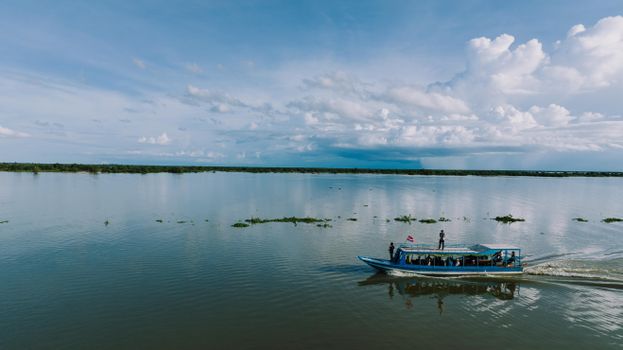
I stepped off the wooden vedette boat onto the sticky, red mud of Nosy Komba, Madagascar, and was immediately hit by the scent of fermented ylang-ylang blossoms, woodsmoke, and low-tide salt. It was June—the start of the glorious southern hemisphere winter—and the air was crisp but the sun still bit my shoulders.
I was there to write about a marine conservation initiative. Within two hours, I watched a group of well-meaning, sunburned college students trying to build a concrete sea wall. They had zero masonry experience. They laughed, took selfies, and laid uneven footings.
The next morning, I returned to find three local Malagasy builders quietly tearing down the students' work and rebuilding it from scratch. The community was paying for the wasted cement out of their own meager communal fund. The volunteers had paid $2,500 each for the "privilege" of doing manual labor they weren't qualified for, while local masons sat idle, unemployed.
That was my wake-up call.
For decades, the $170 billion voluntourism industry has operated on a flawed premise: that good intentions trump actual skills. But as we head into June 2026, a massive paradigm shift is underway. A new wave of regenerative, community-led travel is replacing the old, patronizing models.
If you want to spend your June summer vacation making a tangible, ethical difference, this guide is your blueprint. Here is how to engage in voluntourism that actually helps communities in June 2026.
---
1. The Great Voluntourism Reckoning: The 2026 Landscape
The travel industry in 2026 has no room for performative altruism. Host communities worldwide are pushing back against short-term, unvetted volunteer programs. The rise of decentralized travel platforms and hyper-local NGOs has shifted the power dynamic.
Today, ethical voluntourism is defined by one core principle: local sovereignty. If a project is not conceived, designed, managed, and owned by the local community, it is not ethical.
```
[Old Model: Top-Down] -> International Agency -> Sends Unskilled Volunteers -> Temporary Fix
[2026 Model: Bottom-Up] -> Local Community -> Identifies Skill Gap -> Invites Vetted Experts -> Long-Term Capacity
```
In June 2026, the best programs act as capacity builders, not band-aids. They don’t import unskilled labor to paint schools; they fund local painters and bring in volunteers only when specialized, non-displacement skills (like marine biology, grant writing, or solar engineering) are requested by the community.
---
2. The Golden Rules: How to Spot a Truly Ethical Project
Before you book any trip for June 2026, run the organization through this rigorous four-step audit. If they fail even one of these tests, walk away.
Rule 1: The "Local Job" Test
* The Question: Could a local person be paid to do this work?
* The Reality: If you are digging ditches, painting walls, or picking up trash, you are likely taking a paid job away from a local resident.
* The Exception: You are paying a fair wage to work alongside locals as an apprentice, supporting their economy through homestays and direct fees.
Rule 2: Radical Financial Transparency
* The Question: Where does your volunteer fee actually go?
* The Reality: Reputable organizations publish their financial leaks. At least 60-70% of your program fee should stay within the host community (paying for local staff, food, accommodation, and project materials). If the agency cannot provide a itemized breakdown of where your money goes, they are running a commercial travel agency disguised as a charity.
Rule 3: The Vulnerable Populations Policy
* The Question: Does the program allow you to work with children or vulnerable adults without a background check and a minimum three-month commitment?
* The Reality: Orphanage tourism is a major driver of child exploitation. Truly ethical organizations have strict child protection policies, require background checks, and do not offer "day volunteering" at schools or care homes.
Rule 4: Exit Strategies and Sustainability
* The Question: What happens when the volunteers leave?
* The Reality: An ethical project aims to put itself out of business. Look for programs with clear transition plans that hand full operational control over to local leaders within a defined timeframe.
---
3. Destination Spotlight: Indigenous-Led Agroforestry (Sacred Valley, Peru)
June is the dry season in the Peruvian Andes, making it the perfect month to support high-altitude agricultural restoration. In the communities surrounding Ollantaytambo, climate change is disrupting traditional potato yields and water cycles.
Instead of booking through a massive Western travel agency, look to grassroots, indigenous-led organizations like Asociación Kusi Kawsay.
- The Work: Volunteers assist local Quechua farmers in rebuilding ancient Incan terraces (andenes) and planting native, drought-resistant trees like the Polylepis (Queñua). This is not about "saving" the locals; it’s about providing the physical muscle required for heavy communal work (faena) under the direct supervision of community elders.
- The Vibe: Crisp mountain air, the smell of burning eucalyptus leaves, and the taste of chicha de jora (fermented corn beer) shared from a communal gourd at the end of a hard day’s work.
> Pro-Tip: Arrive in Cusco at least three days before your project starts. The high altitude (3,400m+) is no joke. Spend your acclimation days sipping muña (Andean mint) tea and exploring the back alleys of San Blas at sunrise to avoid the tourist crowds.
---
4. Destination Spotlight: Community-Managed Marine Conservation (Nosy Be, Madagascar)
If your passion lies in the ocean, June brings cool, dry weather and excellent underwater visibility to the Mozambique Channel. The barrier reefs around Nosy Be are facing bleaching events, but local fishers are fighting back through Locally Managed Marine Areas (LMMAs).
Programs run by grassroots marine groups like the Anjavavy Community Trust focus on restoring coral reefs and protecting mangrove forests.
- The Work: This is highly skilled voluntourism. Volunteers with scuba certifications assist local marine biologists in constructing coral nurseries using heat-resistant Acropora fragments. If you aren't dive-certified, you can assist with mangrove planting—a vital blue carbon sink.
- The Vibe: The rhythmic clack-clack of outrigger canoes, the smell of wild vanilla beans drying on woven mats, and diving into turquoise water that feels like liquid silk.
> Pro-Tip: Catch the local vedette (motorized dhow) from the Hell-Ville port to the project sites at precisely 6:30 AM. The winds pick up by mid-morning, making the crossing incredibly choppy.
---
5. Destination Spotlight: Social Enterprise Support (Phnom Penh, Cambodia)
For those with business, marketing, or tech skills, urban voluntourism in Cambodia offers a highly sustainable way to make an impact without displacing local labor.
Organizations like Friends-International run social enterprises that train marginalized youth in hospitality, culinary arts, and digital skills.
- The Work: Professional volunteers run short-term, intensive workshops for local staff in areas like digital marketing, advanced accounting, or culinary techniques. You aren't serving food; you are training the trainers.
- The Vibe: The chaotic hum of tuk-tuks, the rich aroma of lemongrass and fermented fish paste (prahok), and the inspiring energy of young Cambodians reclaiming their cultural narrative.
> Pro-Tip: When dining in Phnom Penh, look for the "ChildSafe" logo on restaurant doors. These establishments actively protect children from exploitation and funnel their profits back into local youth education.
---
6. How to Audit Your Skills: What Can You Actually Offer?
To participate in voluntourism that actually helps communities in June 2026, you must match your real-world professional skills to the needs of the community. Use this matrix to find your ideal project type:
| Your Real-World Skill | What You Should Do | What You Should Avoid | Recommended June 2026 Project |
| :--- | :--- | :--- | :--- |
| Software Engineer / IT | Train local teachers in digital literacy; set up offline server networks for rural schools. | Building school websites that locals cannot maintain. | Digital Empowerment Costa Rica |
| Biologist / Environmentalist | Conduct biodiversity surveys; train local guides in ecological monitoring. | Hands-on wildlife rehabilitation (unless qualified vet). | Madagascar Reef Monitoring |
| Tradesperson (Carpenter/Plumber) | Run vocational workshops for local youth; work alongside local master builders. | Unsupervised building projects without local permits. | Andean Terrace Restoration, Peru |
| Generalist / No Special Skills | Focus on cultural exchange, language practice, and supporting local tourism. | Teaching English without a TEFL certification; manual labor. | Homestay & Trail Maintenance, Nepal |
---
7. The Logistics Blueprint: June 2026 Ethical Travel Planner
Planning an ethical volunteer trip requires meticulous preparation. Here is your quick-reference logistics guide for the top three destinations in June 2026.
Quick Facts & Budget Estimator
| Destination | Best Way to Get There | June Weather | Recommended Duration | Est. Local Weekly Cost (USD)* |
| :--- | :--- | :--- | :--- | :--- |
| Sacred Valley, Peru | Fly to Cusco (CUZ) via Lima, then take a local collectivo taxi to Ollantaytambo. | Sunny, dry days (20°C/68°F), freezing nights (0°C/32°F). | 2–4 Weeks | $350 - $500 |
| Nosy Be, Madagascar | Fly directly to Fascene Airport (NOS) via Addis Ababa or Réunion Island. | Dry, pleasant breeze (25°C/77°F), low humidity. | 3–6 Weeks | $450 - $600 |
| Phnom Penh, Cambodia | Fly to Phnom Penh International (PNH) via Bangkok or Singapore. | Warm, occasional monsoon showers (30°C/86°F). | 2–3 Weeks | $300 - $450 |
\*Note: Costs reflect local homestays, meals, and direct community contributions, excluding international flights.
What to Pack for Ethical June Travel
* A "Lifestraw" or Gravity Water Filter: Never contribute to the local plastic waste crisis. Bring a heavy-duty reusable filtration system.
* Modest, Culturally Respectful Clothing: In Peru, pack warm wool layers. In Madagascar and Cambodia, keep shoulders and knees covered, especially when entering communal spaces.
* A Skill-Share Mentality: Bring physical copies of teaching materials, open-source manuals, or tools that you can leave behind for the community to use long after you are gone.
---
The Last Word: Travel as an Act of Humility
The most important thing you can pack for your trip in June 2026 is humility.
We do not travel to "save" the world. We travel to learn from it, to support local initiatives that are already working, and to ensure our tourism dollars are redistributed to the people who protect the places we love to visit.
When you choose a volunteer project that puts the community in the driver's seat, you stop being a tourist seeking a feel-good photo op. You become a partner in a global movement toward a fairer, more sustainable way to explore this beautiful planet.
---