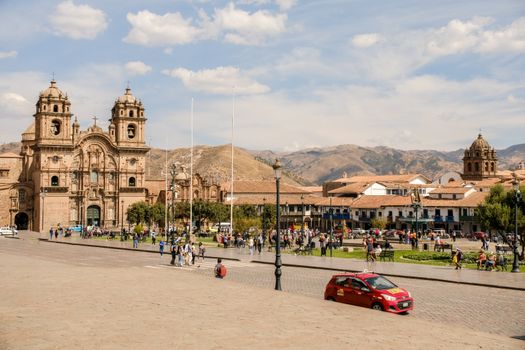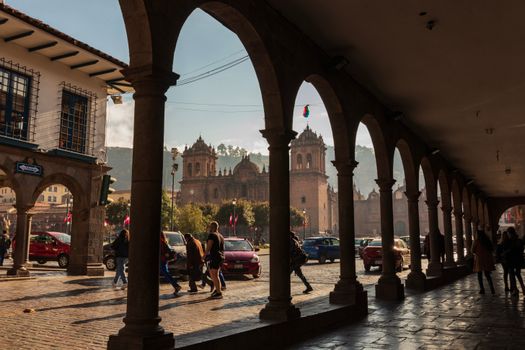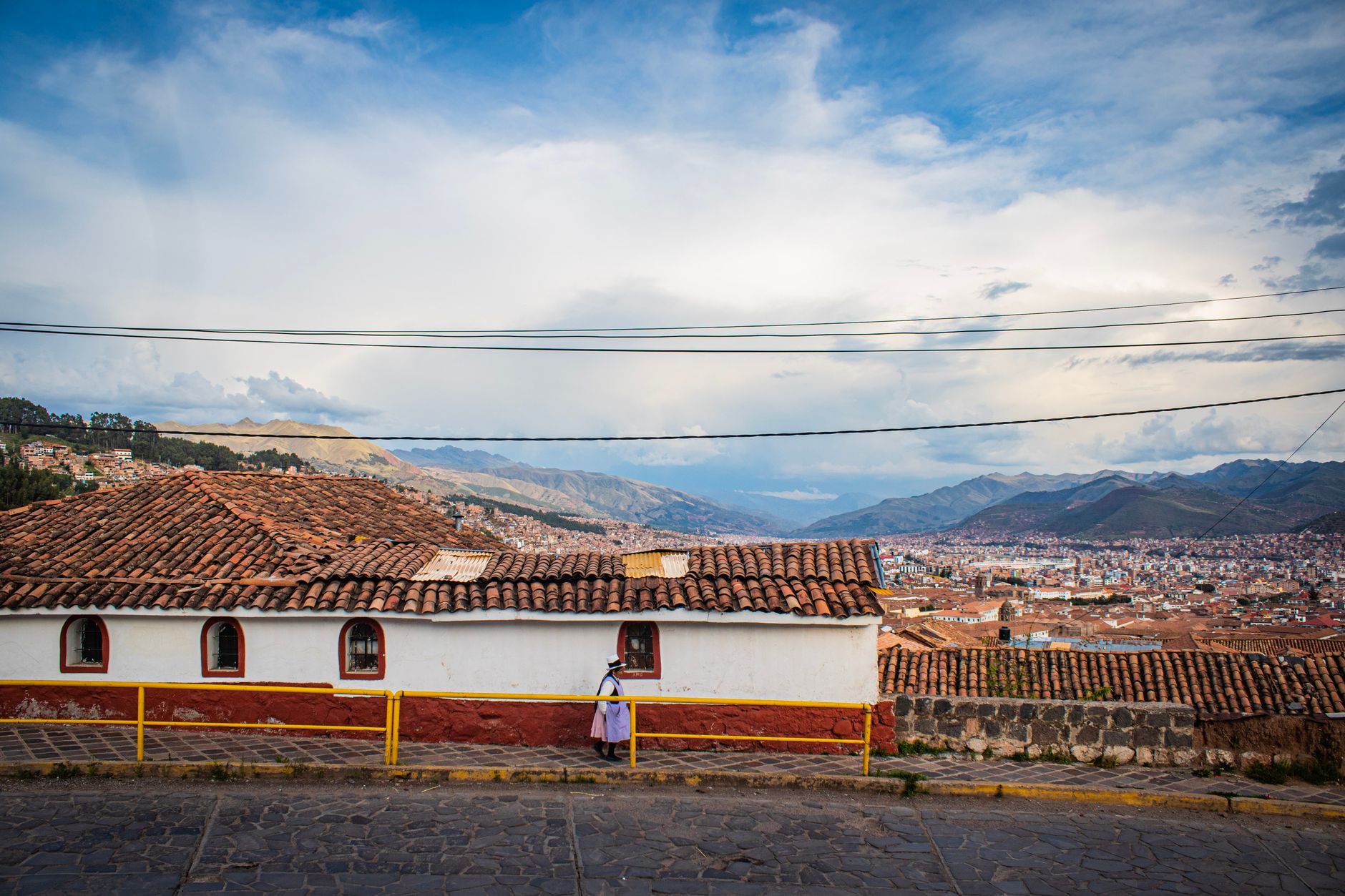
Executing a well-planned 2 days in Cusco itinerary requires balancing ambitious sightseeing with the physical demands of high altitude. Situated at 3,399 metres (11,152 feet) above sea level in the Peruvian Andes, the former capital of the Inca Empire requires a measured pace on your arrival day. This 48-hour guide takes you through the heart of the imperial city, pairing architectural masterworks such as Qorikancha and Saqsaywamán with authentic Andean street life, culinary traditions, and practical advice to maximise your brief stay.
| Stage | Day 1 Focus | Day 2 Focus |
|---|---|---|
| Morning | Plaza de Armas, Cusco Cathedral, Calle Loreto | Saqsaywamán archaeological complex, Cristo Blanco |
| Afternoon | Qorikancha (Temple of the Sun), San Pedro Market | San Blas artisan district, Twelve-Angled Stone |
| Evening | Traditional Andean dinner around Plaza Regocijo | Pisco tasting and regional dining on Calle Triunfo |
| Transit / Walking | Gentle walking: approx. 3–4 km on flat stone streets | Short uphill taxi ride (15 mins), downhill walking: 4 km |
| Key Costs (approx.) | Cathedral (£9), Qorikancha (£3.50), Market lunch (£4–£7) | Partial Boleto Turístico (£15), Taxi (£2.50), Dinner (£12–£25) |
Where to Stay in Cusco
Choosing the right neighbourhood makes an enormous difference to your experience, especially when dealing with the city's steep topography and thin air.
- Centro Histórico (Historic Centre): This is the most convenient area for a short visit. Staying within three or four blocks of the Plaza de Armas keeps you close to major landmarks, tour departures, and restaurants without forcing you to climb steep staircases when you are tired. It is generally safe and well-patrolled, though street-facing rooms can suffer from early-morning traffic and church bells.
- San Blas: Perched on a hillside just northeast of the main square, San Blas offers quiet, whitewashed pedestrian alleys, craft workshops, and panoramic views over red-tiled rooftops. The major drawback is the physical ascent; climbing the steep stone steps of Cuesta de San Blas with luggage or while acclimatising can be exhausting.
- Santa Ana and Lucrepata: Located slightly further out, these residential districts provide lower room rates and a genuine neighbourhood feel. However, navigating back and forth across town requires regular taxi rides, which cuts into a compressed 48-hour schedule.
Getting Around the City
Cusco's historic core is compact and best explored on foot, provided you take the inclines slowly. Walking from the Plaza de Armas to most central landmarks takes fewer than fifteen minutes. Comfortable walking shoes with reliable grip are essential, as centuries-old cobblestones become slick when wet.
For destinations higher up the hillside, such as the ruins of Saqsaywamán, official taxis offer an affordable alternative to strenuous uphill walking. Taxis do not operate with meters; always agree on the fare before stepping inside the vehicle. A typical ride across the central district costs between 7 and 10 Peruvian Soles (approx. £1.50 to £2.20). Avoid hailing unmarked street cars after dark; ask your hotel to call a registered radio taxi or use an app like Uber.
Arriving from Alejandro Velasco Astete International Airport takes roughly 20 to 30 minutes by taxi to the city centre, costing approx. £7 to £10. Official airport taxi desks inside the terminal provide fixed-rate, prepaid vouchers that avoid street negotiation.
Day 1 of Your 2 Days in Cusco Itinerary: Historic Centre and Incan Temples
Morning: Plaza de Armas and the Cusco Cathedral
Dedicate your first morning to gentle walking while your body adapts to the elevation. Begin at the Plaza de Armas, the historical and cultural epicentre of Cusco. During the Inca period, this expansive plaza was known as Huacaypata, a ceremonial space flanked by royal palaces. Spanish conquistadors later built their own civic and religious buildings atop these polished stone foundations.
Start with a visit to the Cathedral Basilica of the Assumption of the Virgin, constructed between 1560 and 1664 using stone blocks quarried from nearby Inca sites. Inside, examine the extensive collection of Cusqueña school religious art, notably Marcos Zapata's famous 18th-century painting of the Last Supper depicting Jesus and his apostles dining on Andean guinea pig (cuy) and native maize beer (chicha). Entry to the cathedral complex costs approx. £9 (40 PEN); confirm opening times locally, as morning services may restrict tourist access.
From the cathedral steps, take a short, flat 5-minute walk south along Calle Loreto (Intikijllu). This narrow alley features some of the finest surviving Inca imperial stonework in the city, where massive green-diorite blocks join together without mortar so precisely that a knife blade cannot slip between them.
Afternoon: Qorikancha and Mercado Central de San Pedro
Continue walking south for five minutes along Calle El Sol to reach Qorikancha, the Golden Temple. In pre-Columbian times, this was the wealthiest and most sacred sanctuary in the Inca realm, with exterior walls once sheeted in solid gold plates that were stripped during the Spanish conquest. Following the invasion, the Church and Convent of Santo Domingo were constructed directly atop the temple's curved ashlar masonry. An entry ticket costs approx. £3.50 (15 PEN). Inside, you can clearly observe the stark architectural contrast: fine, earthquake-resistant Incan joints supporting Spanish baroque arcades.
From Qorikancha, walk ten minutes west to the Mercado Central de San Pedro, designed in the 1920s by French engineer Gustave Eiffel. This sprawling covered market provides a direct window into Andean life. Rows of vendor stalls display native potatoes, giant kernels of Sacred Valley corn, wheels of Andean cheese, medicinal herbs, and handwoven textiles.
For lunch, walk through the market's soup and cooked food sections, or head to a traditional restaurant outside the market gates for dishes such as lomo saltado (stir-fried beef with onions and tomatoes over rice) or pastel de choclo (sweet corn bake). A hearty local meal in this area typically costs approx. £4 to £7.
Pro tip: Drink plenty of water and sip local muña (Andean mint) or coca tea throughout your first day, but avoid heavy meals, alcohol, and strenuous uphill climbs during your first twelve hours at altitude.
Evening: Gentle Stroll and Andean Cuisine
As dusk settles over the city, the colonial facades around Plaza Regocijo and Plaza San Francisco light up. Spend an easy evening browsing the artisan stalls set up near the arch of Santa Clara. For dinner, seek out restaurants featuring regional ingredients like rainbow trout (trucha), roasted alpaca loin, or quinoa soup. Expect to spend approx. £12 to £20 per person for an evening meal at an established restaurant. Retire early to rest and continue your acclimatisation.
Day 2: Saqsaywamán Fortress and the San Blas Quarter
Morning: The Megaliths of Saqsaywamán
Begin your second day by heading to the monumental fortress and ceremonial complex of Saqsaywamán, located on the northern ridge overlooking Cusco. To conserve your energy, take a 15-minute taxi from the Plaza de Armas directly to the upper entrance (approx. £2.50 / 12 PEN) rather than climbing the steep pedestrian trail.
Entry requires the Boleto Turístico del Cusco (Cusco Tourist Ticket). For this itinerary, purchase the Circuit II partial ticket (valid for 1 or 2 days depending on the circuit option), which costs approx. £15 (70 PEN). You can purchase this ticket at the checkpoint entrance with cash.
Walk along the three tiers of zig-zagging megalithic walls, designed to represent the teeth of the sacred puma. Some individual limestone blocks weigh well over 100 tonnes, fitted together with geometric precision. Allow two hours to explore the central esplanade, the circular foundation of the Muyuqmarka tower, and the natural rock slides known as the Rodaderos. If time permits, take a 10-minute walk further uphill to the white statue of Cristo Blanco for a wide panorama across the entire Cusco valley.
Pro tip: Always carry your physical passport when using the Boleto Turístico, as park rangers at archaeological checkpoints regularly cross-reference ticket stubs with government identification.
Afternoon: Artisan Streets of San Blas
Instead of hiring a taxi back down, take the stone steps leading south from Saqsaywamán into the hillside neighbourhood of San Blas. Walking downhill is easy on the lungs and leads you through quiet stone passageways past small studios owned by woodcarvers, ceramicists, and painters.
Stop for lunch at a café around the Plazoleta San Blas, where you can sample fresh vegetable quiches, Andean grain bowls, and native fruit juices. After lunch, visit the San Blas Church to view its 17th-century pulpit, carved from a single trunk of cedar wood.
From the plazoleta, descend via Calle Hatun Rumiyoc. Stop to examine the famous Twelve-Angled Stone (Piedra de los Doce Ángulos), set into the exterior wall of the Archbishop’s Palace. This green stone block features twelve separate corner cuts that fit seamlessly into the surrounding masonry, demonstrating the heights of Inca stonemasonry skill.
Evening: Pisco and Regional Gastronomy
Conclude your 48 hours in Cusco with a relaxed evening exploring the culinary scene along Calle Triunfo and Calle Choquechaka. Visit an Andean tasting bar to sample a traditional Pisco Sour, made with Peruvian grape brandy, lime juice, simple syrup, egg white, and Angostura bitters (approx. £5 to £8). Follow this with dinner at a restaurant specialising in contemporary Novoandina cuisine, celebrating native ingredients like purple corn, tarwi, and lake trout. Check dinner reservations in advance if you plan to visit popular dining rooms during peak travel months (June to August).
Estimated Costs for 48 Hours in Cusco
Expenses in Cusco vary depending on your choice of accommodation and dining style. All figures below are approximate guidelines in British Pounds (GBP); exchange rates and ticket prices fluctuate, so verify current rates before travelling.
- Budget Accommodation: Approx. £15 to £35 per night for a clean double room in a modest guesthouse.
- Mid-Range Accommodation: Approx. £50 to £110 per night for a well-located boutique hotel in Centro Histórico.
- Sightseeing & Admissions: Approx. £28 total (Boleto Turístico partial pass £15, Cathedral £9, Qorikancha £3.50).
- Daily Food & Drink: Approx. £15 to £30 per day, covering a mix of casual market stalls, mid-range bistros, and bottled water.
- Local Transport: Approx. £8 to £12 total for short taxi hops and airport transfers.
Common Mistakes to Avoid in Cusco
- Overexerting on Day 1: Ascending steep staircases or taking long hikes right after landing triggers acute mountain sickness (soroche). Keep walking flat and slow for your initial 12 to 24 hours.
- Relying exclusively on credit cards: While upscale restaurants and hotels accept cards, small market stalls, taxis, and the Boleto Turístico ticket booth often accept only physical Peruvian Soles in cash. Carry small denominations; vendors rarely have change for 100 Soles notes.
- Ignoring sun protection: Because of the high altitude and thin atmosphere, UV levels are intense throughout the year, even on overcast days. Always carry mineral sunscreen, dark sunglasses, and a wide-brimmed hat.
- Drinking tap water: Municipal tap water in Cusco is not safe for travellers to drink directly. Use filtered refill stations or boiled water, and be cautious with raw salad washed in untreated water.
- Underestimating evening temperature drops: Daytime temperatures in the Andes can feel warm under direct sunlight, but temperatures typically drop close to freezing after sunset between May and September. Dress in removable layers, including thermal wear and fleece.
Plan Your Trip
Coordinate every detail of your Andean journey by building a custom day-to-day schedule on Tripsora. Our intuitive trip-planning platform helps you balance transport times, opening hours, and altitude pacing for an unforgettable stay in Peru.
Frequently asked questions
Is 2 days in Cusco enough time?
Two days is sufficient to see the core highlights of the imperial city, including the Plaza de Armas, Qorikancha, San Pedro Market, and Saqsaywamán. However, if you plan to visit Machu Picchu or the Sacred Valley, you should allow at least four to five days in total.
How do you prevent altitude sickness in Cusco?
Spend your first day resting, drinking plenty of water, and avoiding alcohol and heavy meals. Local remedies such as coca tea or muña tea can alleviate mild symptoms, while medications like acetazolamide can be discussed with your physician before travel.
Do I need to buy the Boleto Turístico in advance?
You do not need to buy the Boleto Turístico in advance; it can be purchased in cash at the entrance of any included site, such as Saqsaywamán. There are no online advance bookings for this specific regional municipal pass.
What is the best time of year to visit Cusco?
The dry season from May to October offers clear skies, minimal rain, and optimal conditions for walking and photography. The rainy season runs from November to April, with January and February experiencing the heaviest Andean downpours.
Can I visit Machu Picchu during a 2-day trip to Cusco?
Fitting Machu Picchu into a two-day stay leaves almost no time to explore Cusco itself, as the round trip by train takes up an entire day. It is strongly recommended to dedicate your 48 hours to Cusco and schedule Machu Picchu as an additional excursion.