The Death of the Authentic Bangkok Night Market (And Where to Go Instead)
I stepped off the overnight train, my collar damp with humidity, and was immediately hit by the scent of scorched lard, fermented shrimp paste, and sweet, charcoal smoke. But I wasn't in Bangkok. There were no neon "rainbow cheese toast" signs, no massive tour buses idling by the curb, and not a single influencer filming a reaction video. Instead, the only sounds were the rhythmic thud of a heavy cleaver hitting a tamarind-wood chopping block and the low, melodic chatter of locals ordering their breakfast in a dialect I had never heard in Thailand's capital.
For years, Bangkok was the undisputed mecca of street food. But let’s speak plainly: the golden era of Yaowarat and Jodd Fairs has passed. Over-regulation has pushed historic vendors off the sidewalks, rents have skyrocketed, and menus have been sanitized to appeal to mass tourism.
If you want the raw, unscripted, and mind-blowingly delicious street food experience that first made Southeast Asia famous, you have to look beyond Thailand's borders. These five emerging food markets offer superior flavors, lower prices, and—most importantly—room to breathe.
---
1. Yongle Market (Tainan, Taiwan)
The Undisputed Capital of Southern Taiwanese Soul Food
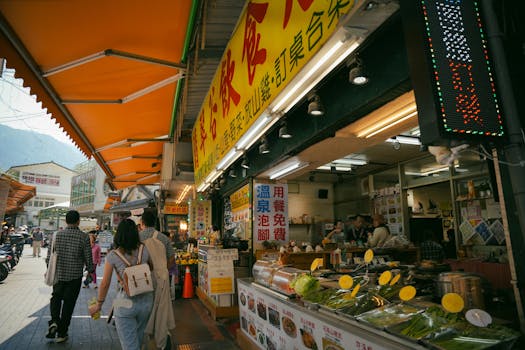
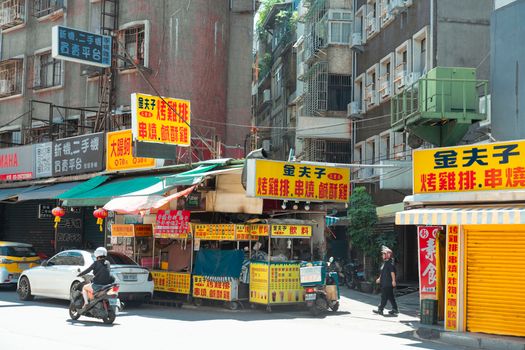
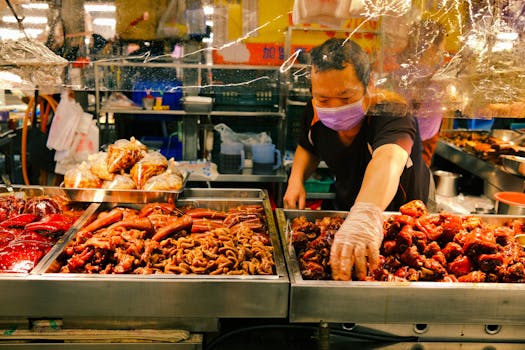
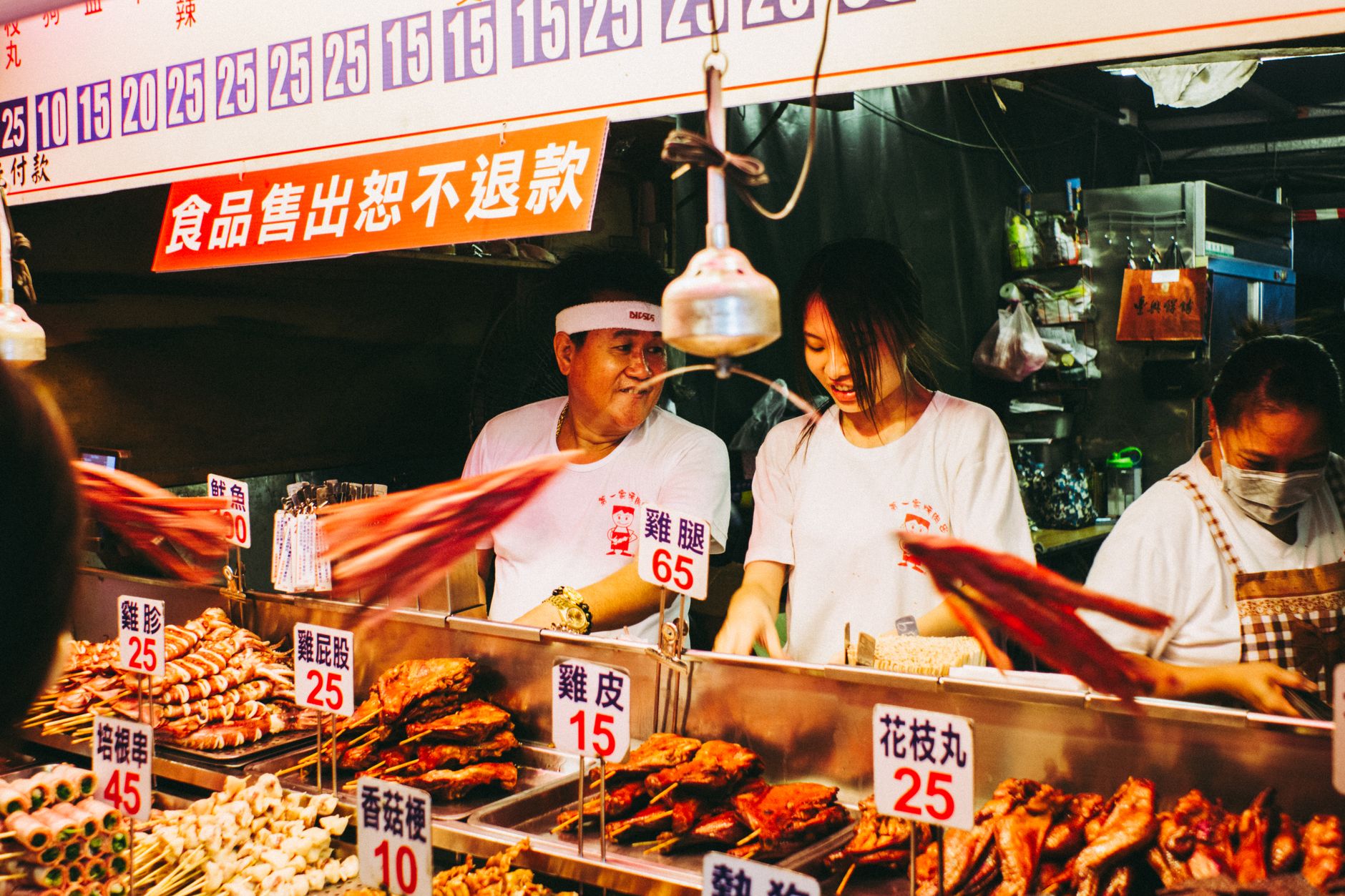
While Taipei gets the international press, Tainan is where Taiwanese people go when they want to eat seriously. Yongle Market, located along Guohua Street, is a sprawling, mid-century concrete labyrinth that serves as the beating heart of southern Taiwanese gastronomy. Here, recipes have been passed down through three or four generations, completely unchanged by modern culinary trends.
```
[Guohua Street Entrance]
│
├── Fu Sheng Hao (Wa-gui / Savory Rice Cakes)
│
└── A-Chuan Beef Soup (Raw beef seared with boiling broth)
```
What to Order
* Wa-Gui (Savory Rice Pudding): Head straight to Fu Sheng Hao. This dish consists of rice slurry mixed with pork, dried shrimp, and shiitake mushrooms, steamed in a ceramic bowl and drenched in a thick, sweet soy glaze. It is eaten with a specialized bamboo paddle.
* Fresh Beef Soup: At A-Chuan Beef Soup, thin slices of raw, locally raised beef are placed in a bowl, and boiling hot broth infused with beef bones and medicinal herbs is poured directly over them. The beef cooks instantly to a perfect, tender medium-rare right before your eyes.
Pro-Tips
* The Golden Hour: Arrive by 7:30 AM. Tainan's food culture is heavily morning-centric. By noon, the best beef soup stalls have sold out of their daily meat allotment and are washing down their counters.
* The Hidden Alley: Walk past the main stalls on Guohua Street and slip into the narrow residential corridors behind them. You will find elderly vendors selling hand-peeled water caltrops and slow-drip Taiwanese coffee from their living rooms.
---
2. Pasar Kranggan: Second Floor (Yogyakarta, Indonesia)
The Gen-Z Culinary Incubator in a Traditional Wet Market
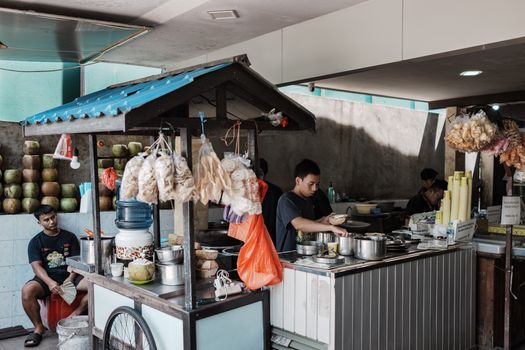
Yogyakarta is famous for its ancient temples, but its food scene is undergoing a quiet revolution. Pasar Kranggan is a traditional wet market by day, selling stacks of turmeric roots, fresh coconut shreds, and fiery bird's eye chilies. However, if you climb the narrow concrete staircase to the second floor, you enter an entirely different world.
This upper deck has been transformed into a micro-food hall where young, creative chefs are blending traditional Javanese flavors with modern culinary techniques.
```
[Traditional Wet Market - Ground Floor]
│ (Take the south-side concrete stairs)
▼
[Gen-Z Micro-Food Hall - Second Floor]
├── Sora Coffee & Jamu (Traditional tonics meets craft soda)
└── Bake & Batter (Artisanal pastries with local spices)
```
What to Order
* Modernist Jamu: At Sora, try their sparkling Jamu. They take the traditional Javanese herbal health tonic (made from ginger, turmeric, and tamarind) and clarify it, serving it over ice with a splash of tonic water and a slice of dehydrated citrus.
* Gudeg Yu Djum (Ground Floor): Before heading upstairs, seek out the ground-floor vendors selling Gudeg—a sweet, rich jackfruit stew simmered for hours in coconut milk and teak leaves, served with crispy beef skin crackers (krecek).
Pro-Tips
* The Secret Entrance: Do not use the main street-facing stairs. Walk deep into the dry-goods section of the ground floor, past the spice merchants, and look for the unmarked, blue-painted metal staircase. It leads directly to the coolest pocket of the market.
* Best Time to Visit: 4:00 PM to 8:00 PM. This is when the daytime market vendors wind down, and the upstairs artisanal stalls come alive with local artists and students.
---
3. Cecil Street Market (Penang, Malaysia)
The Blue-Collar Hawker Sanctuary Free of Tourist Hype
Most travelers in Penang flock to Chulia Street or Gurney Drive, where they wait in hour-long lines for heavily commercialized Char Kway Teow. Locals know better. They head to Cecil Street Market, a massive, industrial-sized wet market and hawker center in George Town that remains resolutely blue-collar.
Underneath its towering corrugated iron roof, you will find some of the most complex, smoke-infused flavors in Malaysia, served at a fraction of tourist-district prices.
```
[Wet Market Section] ─── (Divider Wall) ─── [Hawker Food Section]
│
├── Stall 83 (Duck Meat Koay Teow Th'ng)
└── Crispy Apom Stall (Coconut crepes)
```
What to Order
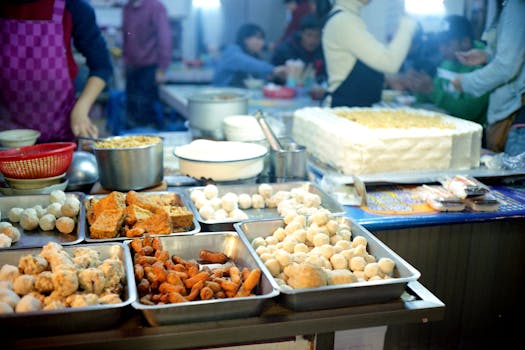
* Duck Meat Koay Teow Th'ng: Locate Stall 83. This bowl of flat rice noodles is served in a crystal-clear, intensely savory broth brewed from duck bones, topped with tender shredded duck meat, pork slices, and bouncy, handmade fishballs.
* Crispy Apom: For dessert, find the elderly uncle baking Apom (thin, crispy coconut crepes) over individual clay charcoal stoves. They are sweet, smoky, and melt in your mouth.
Pro-Tips
* The Seating Protocol: The hawker center is divided into informal zones. You must sit at a table near the stall you intend to buy drinks from. Ordering a drink (like a cold Kopi O or fresh nutmeg juice) is your "rent" for the table.
* Avoid the Lunch Rush: Visit at 10:30 AM. You will catch the sweet spot between the early morning grocery shoppers and the chaotic local lunch rush.
---
4. Lau Ya Keng Food Court (Kuching, Sarawak)
Bornean Gastronomy Opposite a Temple of Incense
Kuching was named a UNESCO Creative City of Gastronomy, yet its food scene remains delightfully undiscovered by mainstream Western tourism. Lau Ya Keng, located on historic Carpenter Street, is not a sprawling market but a highly curated food court set directly opposite the smoke-filled, red-lanterned Hiang Thian Siang Ti Temple.
Eating here is a multi-sensory experience: the scent of burning incense mingles with the aroma of bubbling pork bone broth and wild Bornean herbs.
```
[Hiang Thian Siang Ti Temple]
│ (Across the narrow street)
▼
[Lau Ya Keng Food Court]
├── Corner Stall (Sarawak Laksa with 30+ ingredient paste)
└── Lau Ya Keng Kolo Mee (Fragrant lard-tossed noodles)
```
What to Order
* Sarawak Laksa: Anthony Bourdain famously called this the "Breakfast of the Gods." Unlike its sweeter Peninsular cousin, Sarawak Laksa uses a complex paste made from over 30 herbs and spices, blended with coconut milk and chicken broth, served over rice vermicelli, fresh prawns, and shredded chicken.
* Kolo Mee: Springy egg noodles tossed in a fragrant, savory mixture of lard, light soy sauce, and shallot oil, topped with sweet red barbecue pork (char siu) and minced savory pork.
Pro-Tips
* The Perfect Condiment: Never eat Sarawak Laksa without preparing your sambal plate. Squeeze the tiny, fragrant local calamansi lime directly into the dark prawn paste (belacan) sambal provided on the side, dip your prawns in it, and then stir the remaining paste into your soup.
* Best Time to Visit: 8:00 AM. Grab a table near the street edge so you can watch the morning temple rituals while you eat.
---
5. De Tham Street & Chợ Đêm Cần Thơ (Can Tho, Vietnam)
The Real-Deal Southern Vietnamese Street Feast
While tourists pack the narrow alleys of Hanoi's Old Quarter or Saigon's Ben Thanh Market, the true culinary heart of the Mekong Delta beats in Can Tho. De Tham Street, which transforms into a bustling food street as the sun sets, offers a dizzying array of southern Vietnamese specialties that rely on the incredibly fresh herbs, fruits, and river seafood of the Delta.
```
[Mekong Riverfront] ─── (3 Blocks Inland) ─── [De Tham Street]
│
├── Bánh Cống Stalls (Mung bean & shrimp cakes)
└── Hủ Tiếu Khô (Dry glazed noodles with pork)
```
What to Order
* Bánh Cống: A savory, deep-fried cake made from a batter of rice flour, mung beans, and shredded taro, topped with whole river shrimp. It is wrapped in fresh mustard leaves, wild mint, and basil, then dipped in a sweet-and-sour fish sauce (nước chấm).
* Hủ Tiếu Khô (Dry Hủ Tiếu): Chewy tapioca noodles tossed in a rich, caramelized soy glaze, topped with sliced pork loin, quail eggs, crispy shallots, and fresh chives, served with a side bowl of steaming pork bone broth.
Pro-Tips
* Skip the Pier Stalls: The food stalls directly on the Ninh Kieu Pier are overpriced and tailored to domestic tourists. Walk three blocks inland to De Tham Street for authentic flavors and local prices.
* Look for the Low Stools: The rule of thumb in Vietnam always applies here: the lower the plastic stool, the better the food. Look for stalls where locals are parked on tiny blue stools right on the curb.
---
Logistics & Budget Comparison
To help you plan your crowd-free culinary expedition, here is a breakdown of what to expect at each of these emerging food markets:
| Market Name & Location | Average Cost Per Meal (USD) | Best Time to Visit | How to Get There (Insider Route) |
| :--- | :--- | :--- | :--- |
| Yongle Market (Tainan, Taiwan) | $3.00 – $5.00 | 7:30 AM – 10:00 AM | Take the High-Speed Rail to Tainan Station, then the local Shalun line train to Tainan Main Station. Walk 15 minutes down Minquan Road. |
| Pasar Kranggan (Yogyakarta, Indonesia) | $1.50 – $3.00 | 4:00 PM – 8:00 PM | Take a local ride-share (Gojek) directly to the market entrance on Jalan Pangeran Diponegoro. Head straight to the back stairs. |
| Cecil Street Market (Penang, Malaysia) | $2.00 – $4.00 | 10:30 AM – 12:00 PM | Avoid the tourist trishaws. Take the free CAT shuttle bus from the George Town ferry terminal to the Lebuh Cecil stop. |
| Lau Ya Keng (Kuching, Malaysia) | $2.50 – $4.50 | 8:00 AM – 11:00 AM | Located right in the historic center of Kuching. Walk down Carpenter Street; it is directly opposite the temple. |
| De Tham Street (Can Tho, Vietnam) | $1.50 – $3.50 | 6:00 PM – 9:00 PM | Fly directly into Can Tho International Airport, or take a comfortable 3-hour limousine bus from Saigon. Walk inland from Ninh Kieu Pier. |
---
The Epicurean Survival Guide: How to Eat Safely and Authentically
Navigating these uncrowded, raw food markets requires a slightly different approach than eating at a sanitized, tourist-friendly night market in Bangkok. Keep these golden rules in mind to maximize your experience and keep your stomach happy:
- Observe the Water Line: Do not be afraid of ice. In modern Taiwan, Malaysia, and urban Indonesia/Vietnam, ice is commercially produced from purified water. If the ice has a uniform, cylindrical shape with a hole down the middle, it is factory-made and completely safe to consume.
- Follow the Taxi Drivers and Pensioners: If you see a table occupied by local taxi drivers or elderly residents reading the morning paper, sit down immediately. They have decades of experience navigating the local food scene and will only spend their money on high-quality, authentic stalls.
- Carry the "Street Food Toolkit": Always carry a small pack of wet wipes, a pocket-sized bottle of hand sanitizer, and a pack of tissue paper. Many of these traditional markets do not have public handwashing stations or napkins at the tables.
- Embrace the Language Barrier: Don't let a lack of English menus deter you. Pointing, smiling, and holding up one finger to indicate "one portion" works universally. The vendors in these emerging markets are incredibly proud of their food and are almost always delighted to feed a curious traveler.
---