The Wake-Up Call: Why Your Travel Dollars Aren't Reaching the Ground
I stepped off the twin-otter floatplane onto the cedar-scented wooden dock of Klemtu, British Columbia. The air was thick with the brine of the cold Pacific and the sweet, heavy aroma of damp hemlock needles. There were no tour buses, no souvenir stalls hawking plastic trinkets, and no corporate hotel chains. Just the soft slap-slap of dark water against the hull of a zodiac and the distant, echoing cry of a bald eagle.
I was standing in the ancestral territory of the Kitasoo Xai'xais Nation, home to one of the most successful community-owned tourism enterprises on Earth.
For decades, mainstream tourism has suffered from a quiet, devastating disease known to economists as "tourism leakage." In typical developing-nation destinations, up to 80% of every dollar spent by travelers leaks out of the host country, ending up in the pockets of foreign airlines, international hotel conglomerates, and offshore booking agencies. The local communities—the very people whose culture, land, and resources are being showcased—are left with low-wage service jobs and environmental degradation.
But a quiet revolution is happening. Elite travel strategists and conservation experts are pointing to a new gold standard: Indigenous tourism with profit-sharing models. These are not merely "eco-friendly" hotels that ask you to reuse your bath towels. These are sophisticated, community-owned, and community-operated enterprises where profits are legally bound to fund local infrastructure, language revitalization, healthcare, and ecological defense.
If you want your next adventure to leave a footprint of genuine empowerment, these are the five expert-recommended, profit-sharing Indigenous travel experiences to book right now.
---
1. Spirit Bear Lodge (Klemtu, British Columbia)
### Where Wildlife Tourism Funds Coastal Sovereignty
```
"We don't just guide people to see the bear; we manage the territory that keeps the bear alive."
```
Deep within the Great Bear Rainforest of British Columbia lies Spirit Bear Lodge, a striking architectural tribute to traditional Coast Salish longhouses. Constructed from massive, hand-cleared red cedar beams and overlooking the tranquil waters of the Inside Passage, the lodge is 100% owned and operated by the Kitasoo Xai'xais First Nation.
```
┌──────────────────────────────────────────┐
│ SPIRIT BEAR LODGE MODEL │
└─────────────────────┬────────────────────┘
│
100% Kitasoo Xai'xais Owned
│
┌──────────────────────────────┼──────────────────────────────┐
▼ ▼ ▼
┌──────────────┐ ┌──────────────┐ ┌──────────────┐
│ Guardian │ │ Language & │ │ Direct Local │
│ Watchmen │ │ Cultural │ │ Employment │
│ Program │ │ Programs │ │ & Training │
└──────────────┘ └──────────────┘ └──────────────┘
```
The Profit-Sharing Mechanics
Every dollar generated by Spirit Bear Lodge is directly reinvested into the community of Klemtu. The lodge's profits fund the Kitasoo Xai'xais Guardian Watchmen, a local indigenous ranger force that patrols the marine and terrestrial territories, monitors salmon populations, deters illegal poaching, and conducts scientific research. Additionally, profits support local youth mentorship programs and language nests designed to preserve the endangered Sgüüxs language.
- The Experience: You will head out on small, respectful zodiac excursions to spot the rare Kermode (Spirit) bear—a black bear carrying a recessive gene that turns its fur a creamy white. You'll walk through ancient cedar groves where trees bear the scars of bark harvested by ancestors hundreds of years ago without killing the tree.
- Pro-Tip: Book your stay for late September. This coincides with the peak of the salmon run. Ask for Jimmy, a veteran Kitasoo guide who can identify individual bears by their fishing styles along the spawning creeks.
---
2. Tierra de los Yachaqs (Sacred Valley, Peru)
### Decolonizing the Andean Travel Economy
The Sacred Valley of Peru is famous for Machu Picchu, but the millions of tourists who rush through the valley rarely leave a dime in the high-altitude farming communities that line the ridges. Tierra de los Yachaqs ("Land of the Wise") changed that by organizing a collective of eight indigenous, Quechua-speaking communities into a self-governing tourism association.
```
┌──────────────────────────────────────────┐
│ TIERRA DE LOS YACHAQS MODEL │
└────────────────────┬─────────────────────┘
│
8 Quechua Communities Co-op
│
┌──────────────────────────┴──────────────────────────┐
▼ ▼
┌──────────────┐ ┌──────────────┐
│ Open-Ledger │ │ Community │
│ Profit Pool │ │ Development │
└──────┬───────┘ └──────┬───────┘
│ │
├─► Greenhouses & Irrigation ├─► Elder Care
└─► Seed Preservation Banks └─► Education
```
The Profit-Sharing Mechanics
Unlike corporate agencies that hire locals as cheap labor, Tierra de los Yachaqs operates on an open-ledger, community-pooled profit model.
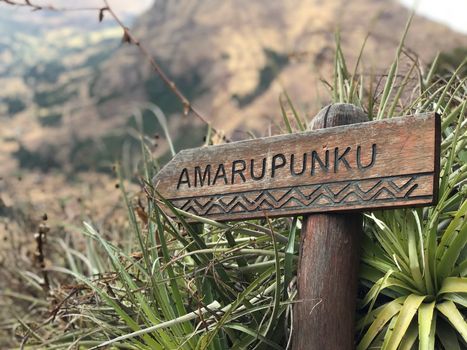
Each of the eight villages offers a unique cultural immersion (from natural textile dyeing in Amaru to ancient farming techniques in Janac Chuquibamba). All profits are collected into a communal fund managed by an elected council. This fund has built high-altitude greenhouses to diversify local diets, installed clean water filtration systems, and created seed banks to protect over 150 varieties of native Andean potatoes.
- The Experience: You won't find canned folklore shows here. Instead, you'll join family members in the fields, learn the complex iconography of backstrap weaving, and sit down to a pachamanca—an Andean feast of alpaca, local herbs like huacatay (black mint), and native tubers cooked underground on white-hot river stones.
- Pro-Tip: Arrive in the village of Amaru by 8:30 AM. The morning mountain mist lifting off the terraced fields is spectacular, and you’ll have the chance to participate in the intimate K'intu (coca leaf blessing) with the village elders before the midday sun hits.
---
3. Campi ya Kanzi (Chyulu Hills, Kenya)
### Maasai-Led Luxury That Safeguards the Savannah
Located in the shadow of Mount Kilimanjaro, Campi ya Kanzi is a luxury eco-lodge built entirely from volcanic stone, local thatch, and fallen timber. It operates on a historic partnership with the Maasai community of the 280,000-acre Mbirikani Group Ranch.
The Profit-Sharing Mechanics
The lodge doesn't just hire Maasai staff; it pays a direct, legally mandated conservation surcharge of $120 per guest, per day directly to the Maasai Wilderness Conservation Trust (MWCT).
This trust is run by a board of Maasai elders and funds:
1. The Wildlife Compensation Program: Reimbursing pastoralists for livestock killed by lions, preventing retaliatory killings.
2. Employment: Funding salaries for over 100 local Maasai rangers.
3. Community Health & Education: Fully staffing and supplying local primary schools and a medical clinic.
```
┌────────────────────────────────────────────────────────────────────────┐
│ CAMPI YA KANZI REVENUE FLOW │
├──────────────────────────┬─────────────────────────────────────────────┤
│ Guest Surcharge ($120/d) │ ──► Maasai Wilderness Conservation Trust │
├──────────────────────────┼─────────────────────────────────────────────┤
│ Ecosystem Protection │ ──► Funds 100+ Maasai Rangers & Patrols │
├──────────────────────────┼─────────────────────────────────────────────┤
│ Human-Wildlife Peace │ ──► Direct Financial Compensation for lost │
│ │ livestock (prevents predator poisoning) │
└──────────────────────────┴─────────────────────────────────────────────┘
```
- The Experience: This is the antithesis of the crowded safari parks of Kenya. You will explore the volcanic hills on foot, guided by a Maasai tracker who will teach you to read the footprints of leopards in the dust and identify the medicinal properties of the Olorien (wild olive) tree.
- Pro-Tip: Skip the game-drive vehicle on day two. Ask for a full-day walking safari with Parashi, a senior Maasai tracker. Walking through big-game territory on foot is a sensory experience that will change how you perceive the African bush forever.
---
4. Whirinaki Forest Footsteps (North Island, New Zealand)
### Walking the Ancient Podocarp Forests with the Ngāti Whare
While New Zealand's Great Walks are globally famous, they are often managed by state agencies with minimal direct revenue pipelines to local iwi (tribes). In the remote central North Island, the Ngāti Whare tribe has taken control of their ancestral heritage through Whirinaki Forest Footsteps.
The Profit-Sharing Mechanics
Operating under a joint-management treaty with the Crown, the Ngāti Whare trust owns and operates this walking guiding company.
All profits are directed toward tribal development initiatives, including:
* Kōhanga Reo (Māori language immersion preschools).
* Active ecological restoration of the Whirinaki podocarp forest, including a native tree nursery that aims to plant 1 million indigenous trees to heal lands damaged by historical logging.
* Direct employment opportunities for tribal youth, training them in conservation science and eco-tourism management.
```
* The Experience: You will hike through a cathedral-like temperate rainforest dominated by giant, 1,000-year-old totara, kahikatea, and rimu trees. Your guide will share the whakapapa (genealogy) of the forest, explaining how the plants, birds, and people are inextricably linked.
* Pro-Tip: Wear sturdy, deeply treaded waterproof boots. The forest floor of Whirinaki is a giant, primordial sponge, and you will be crossing shallow, crystal-clear streams. Ask your guide to perform the traditional karakia (incantation) to request safe passage before entering the deeper, sacred parts of the forest.
```
---
How to Spot Genuine Profit-Sharing vs. "Indigenous Washing"
As demand for ethical travel skyrockets, corporate operators are increasingly using "Indigenous washing" to market their trips. Use this quick checklist to vet your next tour operator before booking:
- [ ] Who owns the land and assets? Genuine models feature land and infrastructure owned directly by the community or tribe, not leased to a foreign operator for a nominal fee.
- [ ] Where do the profits go? Look for transparent, public-facing impact reports. A legitimate operator can tell you exactly what percentage of bookings goes to community funds (e.g., "100% of lodge profits go to the Kitasoo Xai'xais Nation's community fund").
- [ ] Who is telling the story? If you are guided through Indigenous lands by a non-indigenous guide reciting a script, it is not an authentic, equitable partnership.
- [ ] Is the community self-governing? The community must have the right to say "no" to tourism, to close off sacred sites during ceremonial seasons, and to set their own visitor caps.
---
The Logistics: Quick Facts & Budget Guide
| Destination | Est. Cost (USD) | Best Time to Visit | How to Get There | Key Impact Metric |
| :--- | :--- | :--- | :--- | :--- |
| Spirit Bear Lodge (Canada) | $1,800 - $2,500/night (all-inclusive packages) | late August to mid-October | Floatplane from Port Hardy or regional flight to Bella Bella, then water taxi to Klemtu. | Funds the Guardian Watchmen coastal patrol program. |
| Tierra de los Yachaqs (Peru) | $80 - $150/day (day tours & homestays) | May to October (dry season) | Fly to Cusco, take private transport or local bus to Pisac/Sacred Valley. | Direct funding for high-altitude community greenhouses. |
| Campi ya Kanzi (Kenya) | $950 - $1,400/night (luxury all-inclusive) | June to October; January to March | Charter flight from Nairobi directly to the lodge's private airstrip. | $120/day guest fee funds Maasai Wilderness Conservation Trust. |
| Whirinaki Forest Footsteps (NZ) | $180 - $350/day (guided hikes) | November to April (Southern Hemisphere summer) | Drive 1.5 hours southeast from Rotorua into the Te Urewera region. | Profits fund local Māori language nests and native tree nursery. |
---
The Last Word: Travel as an Act of Restitution
We can no longer afford to view travel as a passive, consumerist activity. When you choose to bypass corporate-owned resorts in favor of Indigenous profit-sharing models, your vacation becomes an active investment in global conservation, cultural survival, and economic justice. You aren't just visiting a destination; you are helping to defend it.
---