Have you ever returned from a trip feeling… a little empty? Like you saw all the "sights" but missed the real heartbeat of a place? I've been there. More times than I care to admit, I’ve found myself standing in a crowded tourist trap, snapping a photo, and thinking, "Is this all there is?" It felt like I was just scratching the surface, a fleeting visitor observing from afar, rather than truly connecting.
That feeling began to change a few years ago during a trip to Peru. After a whirlwind of Machu Picchu and Cusco, I stumbled upon a small, unassuming sign for a local weaving cooperative. Intrigued, I veered off the well-trodden path. What followed wasn't just a shopping experience; it was an immersion. I spent an afternoon with a group of Quechua women, learning about their ancient weaving techniques, the significance of each color and pattern, and sharing laughter over cups of coca tea. I saw firsthand how their artistry provided livelihoods, kept their culture alive, and empowered their community. It wasn't just a transaction; it was a profound connection. And it blew my mind.
That day sparked a revelation: travel could be so much more than just ticking off bucket list items. It could be a powerful force for good, a way to directly support local communities, preserve cultures, and create genuine, unforgettable experiences. This, my friends, is the magic of community tourism.
What Exactly is Community Tourism (and Why It's NOT Voluntourism)?
Before we dive into some truly incredible projects, let's clarify what we mean by community tourism. Simply put, it's tourism that is owned, managed, and run by local communities for their direct benefit. This means:
- Economic Empowerment: Profits stay within the community, providing fair wages, funding local services (schools, healthcare), and creating sustainable livelihoods.
- Cultural Preservation: It celebrates and safeguards local traditions, languages, and heritage, often inviting travelers to learn directly from community members.
- Environmental Stewardship: Many projects are deeply rooted in sustainable practices, protecting natural resources and biodiversity.
- Authentic Connection: It offers travelers a chance to move beyond the tourist bubble, fostering genuine interactions and a deeper understanding of local life.
Now, let's address the elephant in the room: How is this different from voluntourism? While voluntourism often has good intentions, it can sometimes be problematic. Unskilled volunteers might take jobs from locals, create dependency, or even perpetuate a "white savior" narrative. Community tourism, on the other hand, focuses on supporting existing, locally-led initiatives through your presence and spending, rather than trying to "fix" things. You're a respectful guest, a learner, and a supporter, not a temporary aid worker.
Ready to travel with purpose and have your mind truly blown? Here are 7 community tourism projects worth supporting that will change the way you see the world:
---
1. The Artisanal Heartbeat: Empowering Women Weavers in the Peruvian Andes
Remember my Peruvian revelation? This is a prime example. High in the Sacred Valley, indigenous Quechua communities have preserved ancient textile traditions for centuries. However, the influx of mass-produced goods and the pressure of modern life threatened these invaluable skills.
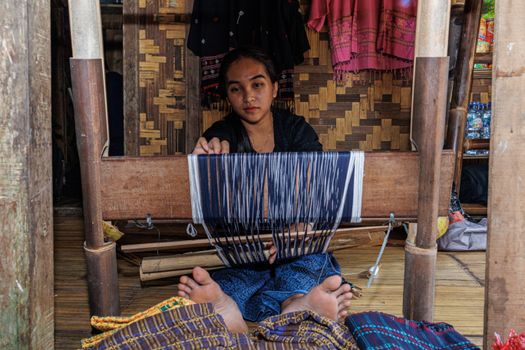
- The Project: Organizations like the Center of Traditional Textiles of Cusco (CTTC) and numerous independent cooperatives (like those found in villages such as Chinchero or Patacancha) work directly with indigenous women weavers. They provide fair prices for their exquisite textiles, support the revival of natural dyeing techniques, and create a platform for these women to share their art and culture with the world. My personal encounter was at a small cooperative outside Pisac, where a woman named Elena, with hands calloused from years of spinning alpaca wool, patiently showed me how they turn raw fiber into vibrant threads using plants and insects. Her laugh, as I fumbled with a drop spindle, was infectious.
- Your Mind-Blowing Experience: Imagine stepping into a world of vibrant colors and intricate patterns. You'll witness the entire process, from shearing alpaca and sheep, to washing, spinning, and naturally dyeing the wool with plants like cochinilla (a tiny insect that creates stunning reds!). You can even try your hand at weaving on a backstrap loom, gaining a profound appreciation for the skill and time involved. The best part? When you purchase a hand-woven scarf, blanket, or wall hanging, you know exactly whose hands created it and that your money directly supports these incredible women and their families, helping to preserve a precious cultural heritage.
- Practical Tips: Look for cooperatives that clearly state their mission to support local artisans and preserve traditions. Don't be afraid to ask questions about their practices. While bargaining is common in some markets, these cooperatives often have fixed, fair prices – respect them. A beautiful alpaca scarf might cost anywhere from $30-$100, a small price for a piece of art and a story.
- Instagram-Worthy: Rows of colorful textiles drying in the Andean sun, women in traditional attire demonstrating weaving, the stunning mountain backdrop. #AndeanWeavers #SacredValleyTextiles #EthicalSouvenirs
---
2. Guardians of the Wild: Indigenous-Led Ecotourism in the Amazon Rainforest (Ecuador)
The Amazon is a treasure trove of biodiversity, but it's under constant threat. Who better to protect it than the communities who have lived in harmony with it for millennia?
- The Project: In the heart of Ecuador's Yasuni National Park, the Huaorani Ecolodge (operated by the Huaorani people) is a pioneering example. This award-winning lodge allows travelers to experience the Amazon through the eyes of its indigenous guardians. The Huaorani, once known as fierce warriors, now lead the charge in sustainable tourism, using revenue to protect their ancestral lands from oil extraction and illegal logging, and to fund education and healthcare for their community.
- Your Mind-Blowing Experience: My stay at an indigenous-led lodge in a remote part of the Amazon was utterly transformative. Waking up to the symphony of the jungle – howler monkeys, exotic birds – was surreal. Local guides, with an encyclopedic knowledge of the forest passed down through generations, led us on treks, pointing out medicinal plants, tracking elusive wildlife (we spotted monkeys, sloths, and countless birds!), and sharing their deep spiritual connection to the land. We learned to use a blowgun, paddled dugout canoes, and even participated in a traditional shamanic ceremony. It wasn't just a nature tour; it was a masterclass in living sustainably and understanding the delicate balance of an ecosystem. The night walk, where we saw the glowing eyes of caimans in the river, still gives me chills!
- Practical Tips: Research lodges that are genuinely owned and managed by indigenous communities. Look for certifications or partnerships with reputable conservation organizations. Expect to pay a premium (often $250-$500+ per person per night, including transfers, guides, and meals) – this ensures fair wages and direct funding for conservation efforts. Book well in advance.
- Instagram-Worthy: Stunning wildlife photos, lush jungle landscapes, traditional canoes on winding rivers, genuine interactions with indigenous guides. #AmazonEcotourism #IndigenousTravel #YasuniNationalPark #TravelWithPurpose
---
3. Culinary Connections: Preserving Traditions Through Food Tours in Hoi An, Vietnam
Food is the ultimate universal language, and in Vietnam, it's a vibrant tapestry of history, culture, and community.
- The Project: While many cooking classes exist, look for those directly run by local families or small community groups in places like Hoi An. Projects like "Thanh Dong Organic Farm & Cooking Class" or smaller, family-run enterprises aim to showcase traditional Vietnamese cooking, often starting with a visit to a local market to source ingredients directly from small farmers and vendors. They share family recipes passed down through generations, ensuring culinary heritage isn't lost.
- Your Mind-Blowing Experience: My Hoi An cooking class started with a bike ride through rice paddies to a bustling local market. Our guide, a charismatic woman named Linh, introduced us to her favorite vendors, explaining the nuances of different herbs and spices. Back at her family's home, we learned to make incredibly fresh spring rolls, savory Banh Xeo pancakes, and the iconic Pho. It wasn't just about cooking; it was about the stories she shared about her family, her village, and the role food plays in Vietnamese life. Eating together at the end, sharing our perfectly (or imperfectly!) crafted dishes, felt like being welcomed into her home and heart. The flavors were incredible, but the connection was even richer.
- Practical Tips: Seek out classes that emphasize local ingredients, support small-scale farmers, and are led by community members rather than large, corporate tour operators. Ask about the origin of their ingredients. Prices typically range from $30-$70 for a half-day class.
- Instagram-Worthy: Vibrant market scenes, colorful fresh ingredients, hands-on cooking action, beautifully plated Vietnamese dishes. #HoiAnFood #VietnameseCooking #LocalEats #FoodieTravel
---
4. Heritage Keepers: Revitalizing Ancient Villages through "Albergo Diffuso" in Italy
Imagine a hotel where the rooms are scattered across an entire ancient village, bringing new life to forgotten corners. This unique concept is a powerful form of community tourism.
- The Project: The "Albergo Diffuso" (scattered hotel) model originated in Italy and is gaining traction across Europe. It involves restoring abandoned or underutilized homes within a historic village and integrating them into a single hospitality operation. The reception, restaurant, and common areas are centrally located, but guests sleep in beautifully restored houses throughout the village. This model breathes economic life back into depopulated areas, creates jobs for locals (from cleaning to guiding), and preserves architectural heritage without destroying the village's authentic character. Think of a place like Santo Stefano di Sessanio in Abruzzo, or various small "borghi" across regions like Umbria or Basilicata.
- Your Mind-Blowing Experience: I spent a magical few days in a small, hilltop village in Le Marche, staying in an "Albergo Diffuso." My "room" was a charming, stone-walled apartment with a tiny balcony overlooking rolling vineyards. Each morning, I'd walk to the central square for a cappuccino, greeting the local baker and the elderly women chatting on benches. I took a cooking class with a nonna, visited a local artisan who made olive wood carvings, and hiked ancient trails. There were no big resorts, no tourist buses; just the quiet rhythm of authentic Italian life. It felt like stepping back in time, and knowing my stay directly supported the village's revival made it even more special.
- Practical Tips: Search specifically for "Albergo Diffuso" in Italy (or similar heritage village restoration projects in Portugal, Spain, or Greece). Book directly with the village's managing cooperative or local owners. Engage with the local community – dine at their trattorias, buy from their shops. Prices vary widely, but often offer excellent value for an authentic, immersive experience.
- Instagram-Worthy: Cobblestone streets, ancient archways, stunning panoramic views, charming village life, rustic interiors. #AlbergoDiffuso #ItalianVillages #SlowTravelItaly #HeritageTourism
---
5. Ocean Advocates: Marine Conservation & Community-Based Diving in Palawan, Philippines
The Philippines boasts some of the world's most breathtaking marine ecosystems, but they face immense pressure from overfishing and pollution. Local communities are stepping up as protectors.
- The Project: In areas like El Nido and Coron in Palawan, local communities and small, ethical dive operators are partnering to promote sustainable marine tourism. They offer diving and snorkeling tours, but with a strong emphasis on conservation – coral restoration, marine debris clean-ups, and educating tourists about responsible practices. Many also provide alternative livelihoods for former fishermen, training them as dive guides or boat captains, thereby reducing destructive fishing practices. The Community-Based Sustainable Tourism (CBST) program in El Nido is a great example, empowering local communities to manage and benefit from their natural resources.
- Your Mind-Blowing Experience: Diving in Palawan was already a dream, but doing it with a local, community-focused dive center elevated the experience. Our divemaster, a former fisherman named Rico, pointed out not just the incredible diversity of fish and corals, but also explained the ongoing coral restoration projects the community was undertaking. He passionately shared stories of how his village had transformed from relying on destructive fishing methods to becoming stewards of the sea. We participated in a beach clean-up after a dive, and seeing the collective effort to protect this paradise was truly inspiring. The vibrant underwater world, knowing it was being actively protected by the very people who depend on it, was a profound experience.
- Practical Tips: Look for dive centers with PADI Green Star Awards or those explicitly partnered with local conservation NGOs. Ask about their waste management, local employment practices, and what portion of your fee goes back to the community or conservation efforts. Expect dive prices similar to other reputable centers (e.g., $30-$50 per dive, often with packages available).
- Instagram-Worthy: Stunning underwater photos of vibrant coral reefs and marine life, pristine white-sand beaches, traditional outrigger boats (bangka), smiling local guides. #PalawanDiving #MarineConservation #ElNido #SustainableDiving
---
6. Mountain Homestays: Cultural Immersion in the Himalayas (India/Nepal)
Beyond the trekking routes, some remote Himalayan villages are inviting travelers to experience their daily lives, providing income while preserving their unique cultures.
- The Project: In regions like Spiti Valley, Himachal Pradesh (India), or the Annapurna region (Nepal), local families offer homestays. These aren't fancy hotels; they are genuine invitations into their homes. Initiatives like Spiti Ecosphere in India or various trekking agencies working with local families in Nepal facilitate these experiences, ensuring fair compensation and supporting community development projects like solar energy installation or traditional craft revival.
- Your Mind-Blowing Experience: My week-long homestay in a remote Spitian village, high in the Indian Himalayas, was the most humbling and enriching travel experience I've ever had. I lived with a Buddhist family, sharing their simple, delicious meals (often dal, rice, and fresh vegetables from their garden), sleeping in a traditional room, and participating in their daily routines. I helped harvest peas, learned to make momos from scratch, and spent hours listening to stories from the patriarch, a wise old man with twinkling eyes. There was no internet, no fancy amenities, just genuine connection, incredible hospitality, and the breathtaking beauty of the mountains. It taught me profound lessons about resilience, contentment, and the power of human connection.
- Practical Tips: Book through reputable local organizations that vet homestays and ensure fair practices. Be prepared for basic amenities (shared bathrooms, simple food). Bring small gifts (school supplies for children, tea for the family) but always ask if appropriate. Be respectful of local customs and traditions. Homestays are incredibly affordable, often $10-$30 per night including meals.
- Instagram-Worthy: Stunning mountain landscapes, traditional village life, smiling faces of local families, colorful prayer flags, hearty home-cooked meals. #HimalayanHomestay #SpitiValley #CulturalImmersion #AuthenticIndia
---
7. Safari with a Soul: Community-Owned Conservancies in Kenya
Safari tourism often brings concerns about land use and local benefit. Community-owned conservancies are changing that narrative.
- The Project: In Kenya, the Maasai Mara Conservancies (like Ol Pejeta or Naboisho Conservancies, bordering the main Maasai Mara National Reserve) are pioneering a model where local Maasai communities lease their land to tourism operators. In return, they receive a monthly income, employment opportunities (as rangers, guides, lodge staff), and funding for community projects. This model incentivizes conservation, as the communities directly benefit from healthy wildlife populations and protected ecosystems.
- Your Mind-Blowing Experience: Staying at a tented camp within a Maasai-owned conservancy was an entirely different safari experience. Our Maasai guide, Joseph, shared not only his incredible knowledge of wildlife tracking but also his deep cultural insights. He taught us about Maasai traditions, the challenges of coexistence with wildlife, and the pride his community felt in protecting their land. We went on walking safaris and night drives (activities often restricted in national parks), offering unique perspectives. Knowing that every dollar spent directly contributed to the Maasai community's well-being and the conservation of this vital ecosystem made every lion sighting and every sunset even more impactful.
- Practical Tips: When booking a safari, specifically look for lodges and camps located within community conservancies and inquire about their direct benefits to the local community. Research their conservation initiatives. These experiences can be pricier than national park safaris, but the direct impact and exclusivity are worth it.
- Instagram-Worthy: Epic wildlife photography, stunning savannah landscapes, traditional Maasai warriors, beautiful safari camps. #MaasaiMara #CommunityConservancy #KenyaSafari #EthicalSafari
---
How YOU Can Be a Mind-Blowing Community Tourism Supporter
Ready to ditch the tourist traps and embrace travel that truly makes a difference? Here’s how you can be a responsible and impactful community tourism supporter:
- Research, Research, Research: Not all projects claiming to be "community-based" are created equal. Look for transparency. Does the organization clearly state how profits are distributed? Is there evidence of local ownership and leadership? Check reviews and reputable ethical travel guides.
- Ask Questions (Respectfully!): Don't be afraid to inquire about the project's impact, how local people are involved, and where your money goes. Your interest shows you care.
- Be a Respectful Guest: Learn a few basic phrases in the local language. Dress appropriately. Always ask permission before taking photos of people. Be open to learning and adapting to local customs. Remember, you are a guest in someone else's home and culture.
- Buy Local, Eat Local, Hire Local: This is perhaps the simplest and most direct way to support communities. Purchase souvenirs directly from artisans, dine at family-run restaurants, and hire local guides.
- Leave No Trace: Practice responsible tourism. Minimize your waste, conserve water and energy, and respect natural environments.
- Share Your Story: The best way to support these projects is to spread the word! Share your experiences on social media, tag the projects, and inspire your friends and family to travel with purpose. Use hashtags like #TravelWithPurpose #CommunityTourism #EthicalTravel #SupportLocal.
- Manage Expectations: Remember, these are authentic experiences, not always polished resorts. Embrace the simplicity, the genuine connections, and the occasional unexpected challenge – that's where the real magic happens.
The Journey Begins Now!
These community tourism projects aren't just about seeing new places; they're about experiencing the world in a way that truly matters. They offer profound cultural immersion, direct support to communities, and a chance to witness firsthand how your travel choices can be a force for good.
My Peruvian revelation, the Amazonian whispers, the Spitian warmth – these aren't just memories; they're vivid reminders of the power of travel to connect, to empower, and to transform. These aren't just trips; they're investments in a better world, for both the traveler and the host community.
Ready to transform your next trip into an unforgettable journey of impact and connection? Start planning your mind-blowing community tourism adventure today! Have you experienced a fantastic community project? Share your favorite initiatives and stories in the comments below – let's inspire each other to travel better!
---