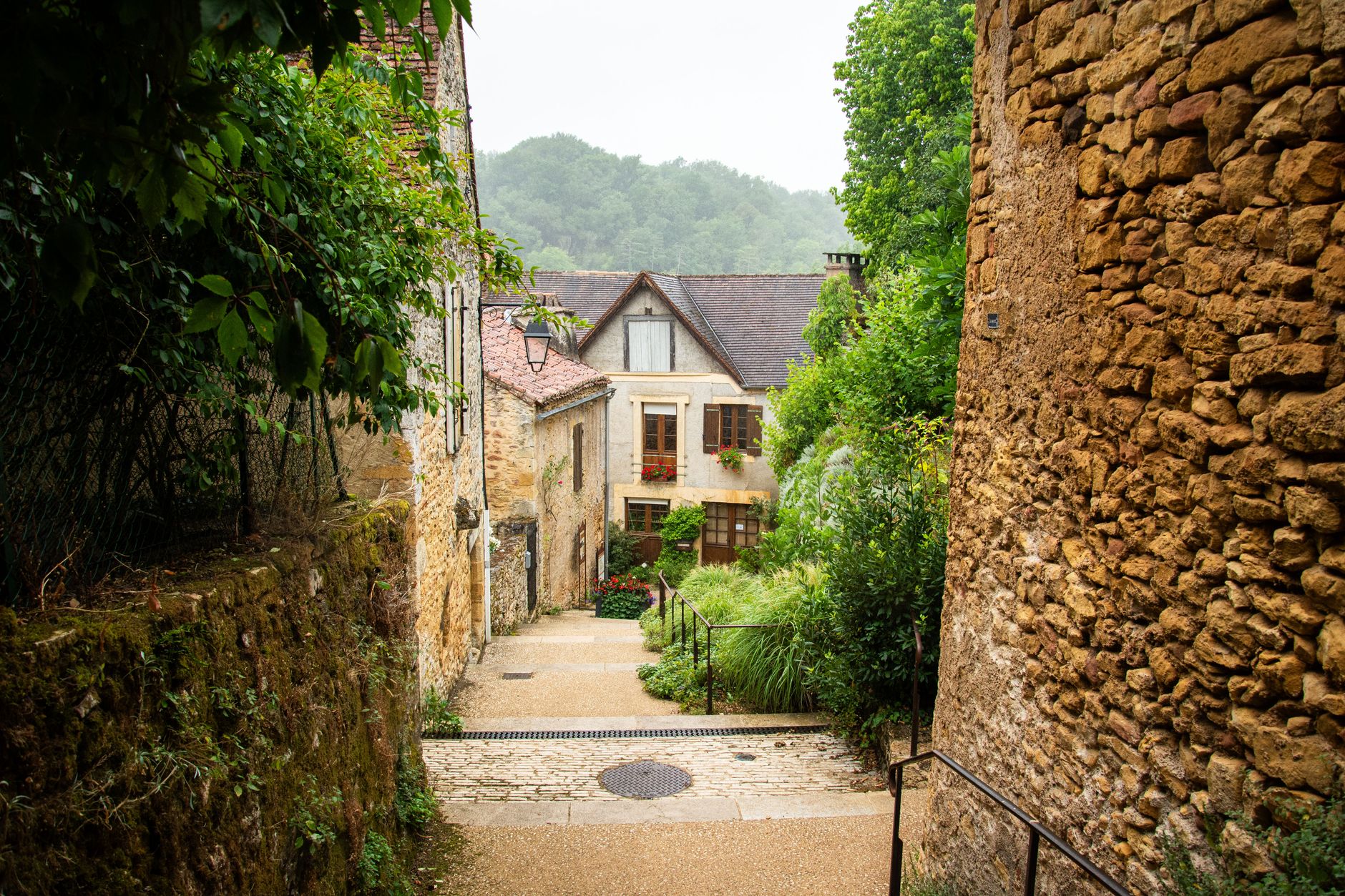
The Echo of a Century: Finding Villages Where Time Stopped (Before Everyone Else Does)
I remember it like it was yesterday: the crisp, cool air of the Carpathian mountains, the scent of woodsmoke mingling with pine, and the distant, rhythmic clang of a blacksmith’s hammer. I’d spent three days traversing winding dirt roads and navigating forgotten footpaths, guided only by a hand-drawn map and the vague directions of a shepherd I’d met hours earlier. My destination? A tiny, nameless hamlet nestled deep in a valley, rumored to exist almost entirely outside the modern world.
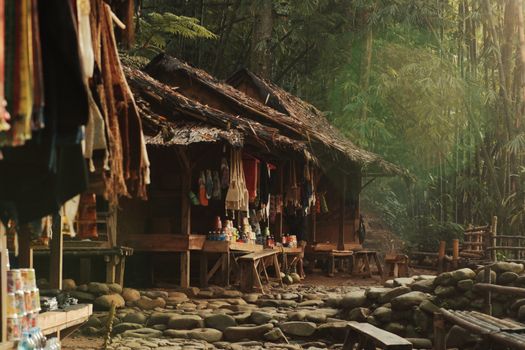
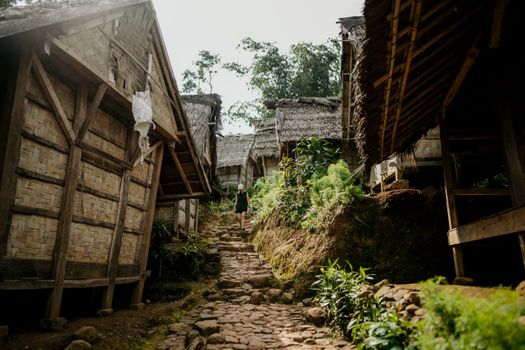
As I rounded the final bend, the scene that unfolded before me took my breath away. Wooden houses, their roofs heavy with moss, clustered around a small, ancient church. Chickens scratched in dusty yards, children chased a runaway goat, and an old woman, her face a roadmap of sun-kissed wrinkles, spun wool on a porch, her movements as timeless as the mountains themselves. There was no paved road, no buzzing electricity lines, no garish signs. Just life, simple and profound, unfolding exactly as it had for generations. It was a moment of pure, unadulterated wonder – a glimpse into a past I thought only existed in history books.
That trip ignited a passion in me: to seek out these extraordinary places, these "time-capsule villages," before the inevitable march of progress, and tourism, changes them forever. And I want to share that journey with you. Because while the world shrinks daily, there are still pockets of unspoiled authenticity waiting to be discovered, if you know where to look, and how to travel responsibly.
The Allure of the Unspoiled: Why Now is the Time to Go
Why chase these elusive, off-grid communities? The answer is simple: authenticity. In a world saturated with filtered photos and curated experiences, these villages offer something profoundly real. They are places where:
- Time slows down: The pace of life is dictated by the sun and seasons, not Wi-Fi signals or deadlines. It's a natural digital detox.
- Culture is lived, not performed: Traditions, crafts, and daily rituals aren't put on for tourists; they are the fabric of existence.
- Connections are genuine: Without the usual tourist infrastructure, interactions are often deeper, more personal, and far more memorable. You're a guest, not a customer.
- The landscape is pristine: Often, the very remoteness that preserved these villages also protected their natural surroundings, offering breathtaking, untouched beauty.
But here's the crucial part: these places are not static. The world is changing rapidly, and even the most remote corners will eventually feel its influence. Roads will be paved, guesthouses will pop up, and convenience will slowly erode tradition. The window to experience these true time capsules is closing. This isn't about rushing to exploit them, but about approaching them with respect, curiosity, and a deep appreciation for their fragile beauty, before they become just another item on a crowded itinerary.
Europe's Whispering Corners: Beyond the Postcard Perfection
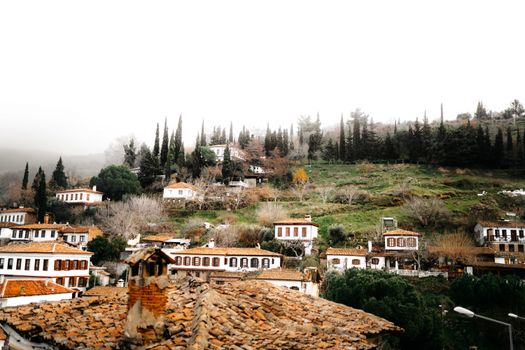
When you think of Europe, bustling cities and iconic landmarks often come to mind. But beyond the well-trodden paths lie regions where life moves at a different cadence, where ancient stone villages cling to hillsides, and the scent of history hangs heavy in the air.
Where to Look:
- The Abruzzo & Molise Regions, Italy: While Tuscany gets all the glory, central Italy’s lesser-known regions are a treasure trove of medieval hamlets. Think villages like Santo Stefano di Sessanio (though gaining popularity, it's a good example of restoration efforts) or the truly remote, unnamed villages in the Apennine mountains. Here, you'll find shepherds, traditional pasta makers, and a quiet resilience.
- My Anecdote: I once spent an afternoon in a tiny Abruzzese village, just watching an old man mend fishing nets outside his stone house. We didn't share a language, but a shared smile and nod felt like the deepest conversation. Later, his wife insisted I try her homemade arrosticini (lamb skewers) – a simple, unforgettable feast.
- The Massif Central, France: Far from the glitz of the Riviera or the romance of Paris, this rugged, mountainous heartland of France is dotted with stunning, isolated villages. Think of places like Salers (a bit more known, but still authentic) or the countless tiny communities in the Cantal or Lozère departments. Here, cattle farming and traditional cheese-making are still king.
- The Balkans (Albania, Northern Greece, Montenegro): The mountainous interiors of these countries hide villages where ancient customs and hospitality are paramount. In Albania's Accursed Mountains or the Zagorochoria region of Greece, you can find stone villages seemingly forgotten by time, often only accessible by challenging hikes or rough tracks.
- Practical Tip: Roads can be challenging. A 4x4 or a local driver is highly recommended for deeper exploration. Expect very basic accommodation (guesthouses, homestays) and cash-only transactions. Budget around €40-60/day for food and basic lodging.
Asia's Ancient Rhythms: Where Traditions Thrive Unseen
Asia, with its immense diversity, holds countless pockets where time has seemingly stood still. From the high mountains to remote islands, ancient ways of life persist, often tied to spiritual beliefs and deep respect for nature.
Where to Look:
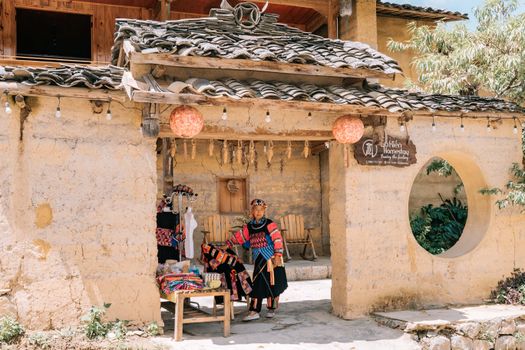
- Northern Laos & Remote Vietnam (Hill Tribe Regions): Venture beyond Luang Prabang or Sapa, and you'll find yourself among vibrant hill tribe communities (like the Hmong, Akha, Lahu). These villages often maintain unique languages, intricate textile traditions, and animist beliefs.
- My Anecdote: Trekking through a remote part of Laos, I was invited into a Hmong family's home for dinner. We sat on the floor, sharing sticky rice and pungent jungle greens, communicating through gestures and laughter. It was a profound lesson in hospitality and simplicity.
- Specifics: Many of these are accessible via multi-day trekking tours from larger towns, which often include homestays. Prices for such tours can range from $50-100 per day, including guides, food, and accommodation. Always ensure your tour operator practices ethical tourism and directly benefits the communities.
- Remote Japanese Islands (e.g., Goto Islands, Seto Inland Sea): While Japan is known for its bullet trains and high tech, its smaller, more isolated islands offer a glimpse into a slower, more traditional way of life. Fishing villages, small shrines, and a deeply ingrained sense of community persist.
- Georgia's Svaneti Region: High in the Caucasus mountains, the villages of Svaneti (like Ushguli, a UNESCO site, though becoming more known) are famous for their ancient stone defensive towers. Life here has been shaped by isolation and harsh winters for centuries.
- Practical Tip: Public transport is sparse. Marshrutkas (shared vans) are common, but for true exploration, hiring a driver or joining a small local tour is best. Expect guesthouse stays and hearty, simple food. Budget around $30-50/day in these regions.
Latin America's Living Histories: Echoes of the Past
Latin America is a continent of vibrant cultures and dramatic landscapes. Beyond the colonial cities and popular beaches, indigenous communities in remote mountains and rainforests continue to live much as their ancestors did.
Where to Look:
- The Andean Highlands (Peru, Ecuador, Bolivia): High in the Andes, many Quechua and Aymara communities maintain traditional farming methods, weaving techniques, and spiritual practices. Think of villages far from the Sacred Valley's main circuit in Peru, or the small communities around Lake Titicaca in Bolivia.
- My Anecdote: I remember hiking near a small village in the Peruvian Andes, stumbling upon a local market day. Women in brightly colored traditional dress bartered for potatoes and alpaca wool, their voices echoing off the mountains. The air hummed with a quiet energy that felt ancient and vital.
- Oaxaca, Mexico (Artisan Villages): While Oaxaca City is a tourist hub, the surrounding valleys are dotted with villages specializing in specific crafts – black pottery, weaving, mezcal production. While some are on the tourist trail, many smaller ones offer a more authentic glimpse into artisan life.
- Amazonian Communities (with extreme caution and respect): Accessing truly isolated communities requires ethical, experienced guides and a deep understanding of indigenous rights and environmental protection. This isn't about 'visiting' but about respectful, limited cultural exchange, often requiring specific permits.
- Practical Tip: For Andean villages, local buses are an adventure! Learn some basic Spanish or Quechua phrases. Homestays are often the best way to experience local life. Expect to pay in local currency (Peruvian Sol, Bolivian Boliviano, Ecuadorian US Dollar). Daily budgets can be very low, $20-40/day for food and accommodation.
The Art of Slow Travel: How to Be a Responsible Explorer
Finding these villages is only half the journey; experiencing them responsibly is the other, more important half. These aren't theme parks; they are living communities, often fragile and vulnerable to external influences.
- Do Your Homework (But Not Too Much): Research the region's culture, customs, and basic language phrases. Knowing a simple "hello" or "thank you" can open doors. However, avoid over-planning every minute; allow for serendipity.
- Go Local, Stay Local, Eat Local:
- Accommodation: Opt for family-run guesthouses or homestays. Your money directly supports the local economy.
- Food: Eat at small, local eateries or markets. It's often the most delicious and authentic food anyway.
- Transport: Use local buses, shared taxis (collectivos/marshrutkas), or hire local drivers. This gives you a more immersive experience and supports local livelihoods.
- Budgeting: These experiences are almost always more affordable than mainstream travel. Expect to pay anywhere from $20-$80 USD per day, depending on the region and your comfort level.
- Respect Culture & Customs:
- Dress Modestly: Especially in religious or conservative areas.
- Ask Before Photographing: A simple gesture or spoken request goes a long way. Some communities may prefer not to be photographed, or might expect a small payment for portraits.
- Learn Basic Phrases: Even a few words in the local language show respect.
- Observe & Listen: Don't impose your own pace or expectations. Watch how people interact, listen to their stories (if shared), and adapt.
- Minimize Your Footprint:
- Pack Light: Reduces your impact and makes navigating remote areas easier.
- Reduce Waste: Carry a reusable water bottle, avoid single-use plastics, and take all your trash with you.
- Be Mindful of Resources: Water and electricity might be scarce.
- Be a Giver, Not Just a Taker:
- Buy Local Crafts: Directly from the artisan, not a reseller.
- Engage with Purpose: Offer to help with a task (if appropriate), share a skill, or simply engage in friendly conversation.
- Consider Ethical Volunteering: If you have skills that can genuinely benefit the community (e.g., teaching, healthcare), research reputable organizations.
Planning Your Time-Travel Journey: Logistics & Practicalities
Embarking on a journey to truly isolated villages requires a bit more preparation than a typical city break.
- Getting There:
- Public Transport: Often the most authentic, but also the slowest and least predictable. Be prepared for long waits, crowded buses, and rough roads.
- Shared Taxis/Vans: A common option in many developing countries, offering a balance of local experience and slightly faster travel.
- Renting a 4x4: For ultimate flexibility, especially in mountainous or unpaved regions. Be comfortable driving on challenging terrain.
- Local Guides: In very remote areas, a local guide is invaluable for navigation, translation, and cultural insights.
- Accommodation:
- Homestays/Guesthouses: The most common and recommended option. Expect simple facilities (shared bathrooms, cold water, no Wi-Fi).
- Small Family-Run Hotels: Rare in truly isolated villages, but might be found in slightly larger, still-authentic towns nearby.
- Food & Drink:
- Local Markets: A fantastic way to source fresh produce and experience local life.
- Small Restaurants/Stalls: Don't expect extensive menus. Eat what's fresh and local.
- Water: Always carry a water filter/purifier or sufficient bottled water, as potable water sources may be limited.
- Connectivity:
- Expect Little to No Wi-Fi: Embrace the digital detox!
- Local SIM Card: Purchase one in a larger town before heading out; coverage will be spotty but might offer occasional connection.
- Health & Safety:
- Basic First-Aid Kit: Essential for minor cuts, blisters, and common ailments.
- Travel Insurance: Always, always have comprehensive travel insurance.
- Inform Someone: Let a friend or family member know your general itinerary and expected return.
- Cash: ATMs are non-existent in these villages. Carry enough local currency for your entire stay.
Preserving the Magic: Your Role as a Guardian of Authenticity
These time-capsule villages offer an unparalleled opportunity to connect with humanity's roots, to witness a way of life that is rapidly fading. But with this privilege comes a responsibility. Our presence, no matter how well-intentioned, has an impact.
The goal isn't to "discover" and then publicize these hidden gems for mass tourism. It's about fostering a mindful approach to travel. When you return home, share your experience – the feeling of connection, the lessons learned, the beauty of slow travel – rather than simply broadcasting the exact coordinates of a fragile, untouched community. Encourage others to seek out their own "time-stopped" moments, to travel with an open heart and a respectful spirit, and to understand that the true value of these places lies not in their Instagrammability, but in their very existence.
Let's be the generation of travelers who understand that the greatest adventures are found not in conquering new places, but in humbly experiencing them, learning from them, and helping to preserve their unique magic for those who come after us.
Ready to Step Back in Time?
The call of the unspoiled is louder than ever. These villages, where the past whispers in every breeze and tradition guides every step, are waiting. They won't wait forever. So, pack your bags, open your mind, and prepare for a journey that will not only transport you across geographical distances but also across the centuries.
Which hidden corner of the world calls to you first? Share your thoughts in the comments below, and let's inspire a new wave of responsible, authentic exploration! Don't forget to share this post with your fellow adventurers using #TripsoraTimeCapsule and #SlowTravelGems!
---