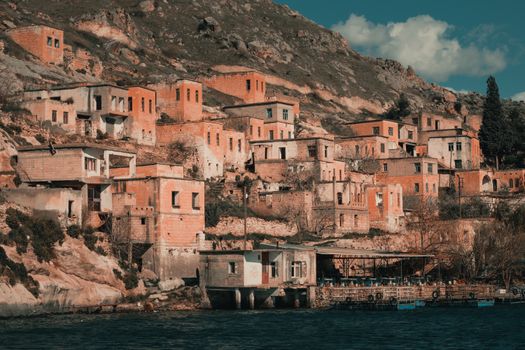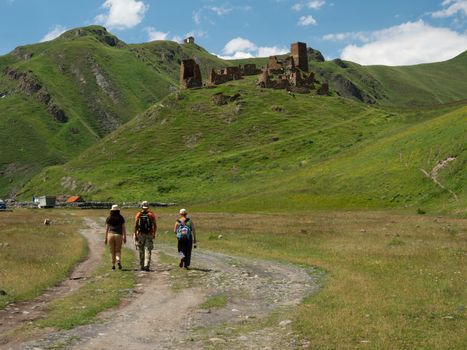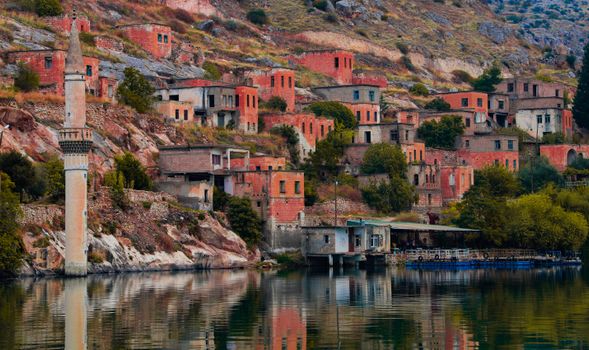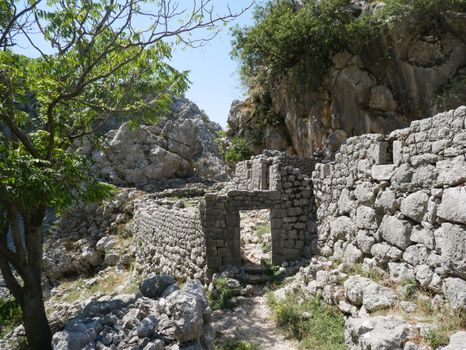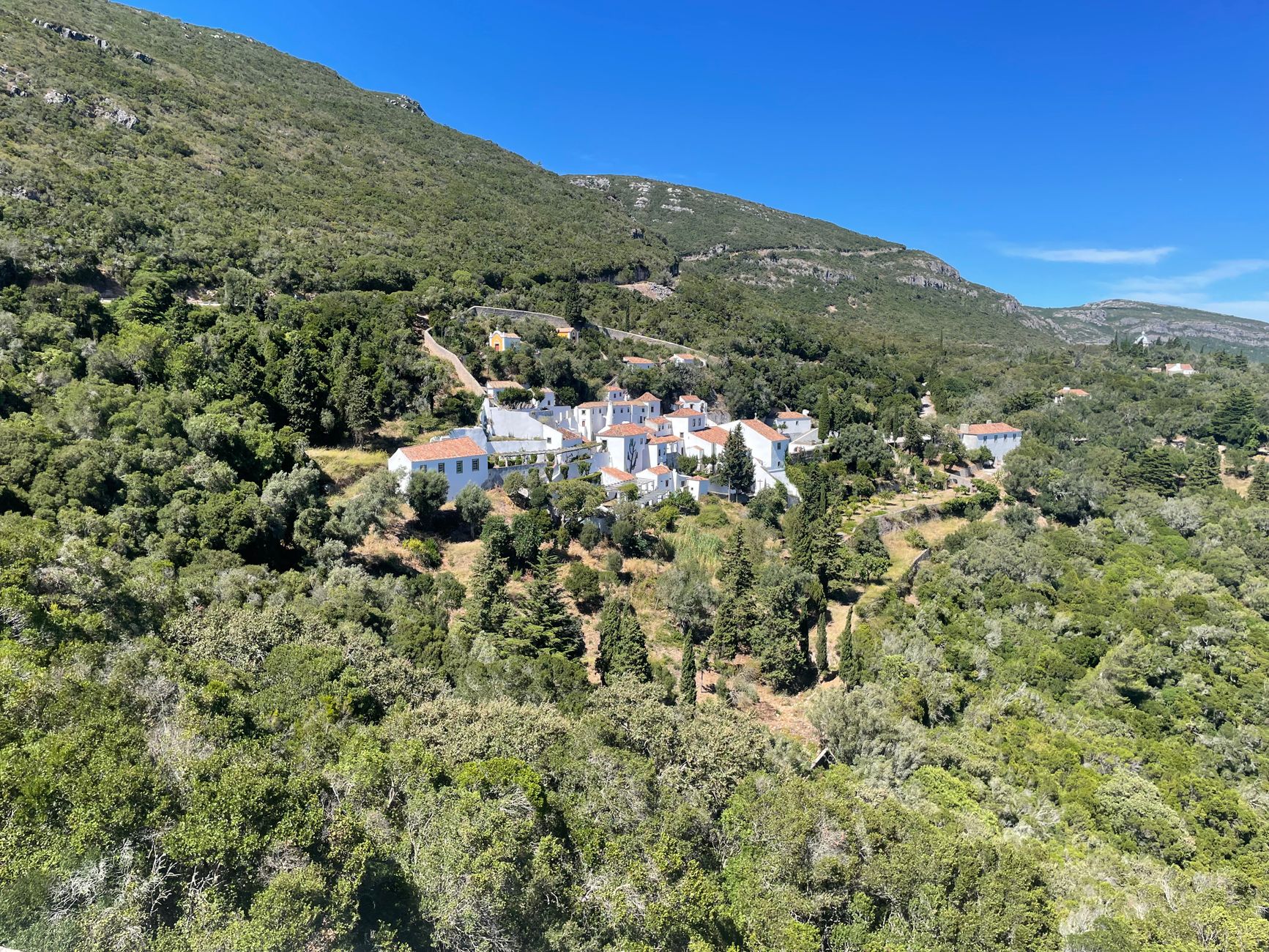
The crisp mountain air bites at my cheeks, a familiar sting that always reminds me I’m alive, truly alive. Below, a patchwork of ancient terraced fields unfurls, leading to a cluster of stone houses clinging to the hillside like forgotten limpet shells. Smoke curls lazily from a few chimneys, a silent invitation. This isn't a postcard-perfect scene from a glossy travel magazine; it’s raw, real, and breathtakingly beautiful. This is a hidden village, the kind you only find if you’re willing to walk for it.
My journey to find these pockets of untouched authenticity began years ago, on a supposedly "off-the-beaten-path" trek in Southeast Asia. I’d envisioned pristine landscapes and genuine local encounters. Instead, I found myself jostling with hundreds of other tourists, following a well-trodden path lined with souvenir stalls, leading to a village where traditional dances felt more like a performance than a celebration. The magic was diluted, the authenticity, manufactured.
It was a pivotal moment. I realized that true discovery wasn't about following the crowd, but about forging my own path, literally and figuratively. Since then, my compass has been set on a different kind of adventure: hiking trails that lead to places yet to be 'discovered' by the masses, villages where life unfolds as it has for centuries, offering a profound connection that mass tourism simply cannot replicate.
If your soul yearns for genuine connection, for the thrill of discovery, and for stories that resonate long after you've returned home, then grab your hiking boots. Because today, I'm sharing some of the most incredible trails that lead to hidden villages, places where you can still feel the heartbeat of a culture before the world catches on.
The Lure of the Uncharted Path: Why Seek These Hidden Gems?
In a world increasingly connected and explored, the idea of a truly 'hidden' place feels almost mythical. Yet, they exist. These villages, often nestled deep within mountain ranges, valleys, or remote coastlines, have been preserved by their very inaccessibility. Reaching them requires effort, patience, and a willingness to step outside your comfort zone. But the rewards? They are immeasurable.
Imagine sharing a meal with a family whose ancestors have lived in the same stone house for generations, their faces etched with stories of the land. Picture waking up to the sound of roosters and distant cowbells, not traffic. Envision hiking through landscapes so pristine, you feel like the first person to ever witness their majesty. These experiences aren't just Instagram-worthy; they're soul-stirring. They offer a chance to understand different ways of life, to learn from communities that live in harmony with nature, and to rediscover a simpler, more profound sense of self.
But here’s the crucial part: these places are fragile. They thrive on their authenticity. Our role as travelers is not to 'conquer' them, but to engage respectfully, sustainably, and consciously. The goal is to leave nothing but footprints and take nothing but memories (and maybe a few ethically sourced handicrafts!).
1. Trailblazing Through the Sicilian Hills: Valle dei Sospiri & Sentiero Antico, Italy
My first truly immersive hidden village experience wasn't in some far-flung corner of Asia, but right in the heart of Europe, on the sun-drenched island of Sicily. While the coast buzzes with tourists, the interior holds secrets, none more enchanting than the fictional 'Valle dei Sospiri' (Valley of Sighs), a name locals say comes from the whispers of ancient winds through its olive groves.
The Trek: Sentiero Antico (The Ancient Path)
* Location: Deep in the Madonie Mountains, Sicily, Italy. The nearest accessible town is Castelbuono, though you’ll need a local transfer to the trailhead.
* Difficulty: Moderate. Approximately 4-5 hours of hiking, 12km (7.5 miles) with some steep ascents and descents. The path is well-worn but rocky in places.
* Best Time to Visit: Spring (April-May) for wildflowers and mild temperatures, or Autumn (September-October) for harvest festivals and cooler weather. Avoid peak summer when temperatures soar.
The Sentiero Antico begins subtly, a narrow track weaving through ancient olive groves, the air thick with the scent of wild rosemary and thyme. As you climb higher, the views open up, revealing rolling hills dotted with cork oak trees and distant glimpses of the Tyrrhenian Sea. The trail itself is a journey through time, passing crumbling Roman aqueducts and shepherd huts that look as if they haven't changed in centuries. You might encounter a lone shepherd, his flock of sheep bells jingling, offering a nod and a weathered smile.
After a final, winding descent through a chestnut forest, Valle dei Sospiri appears, a huddle of ochre and terracotta houses spilling down a gentle slope. It’s not on any major map, and that's its charm. The village square, no bigger than a large living room, is dominated by a gnarled fig tree and a stone fountain.
The Village Experience:
My first night in Valle dei Sospiri, I stayed in a small agriturismo (farm stay) run by a matriarch named Nonna Maria. She didn't speak a word of English, and my Italian was rudimentary, but we communicated through gestures, laughter, and an incredible meal of homemade pasta with wild boar ragu, fresh ricotta, and local wine. The villagers, numbering maybe 150, live a life deeply connected to the land, cultivating olives, grapes, and raising livestock. There’s no Wi-Fi in the village square, and mobile reception is spotty – a blessing in disguise. Evenings are spent on stoops, chatting with neighbors, or in the tiny, candlelit trattoria, where the conversation flows as freely as the local wine.
Practical Tips:
* Getting There: Fly into Palermo (PMO) or Catania (CTA). Rent a car and drive to Castelbuono, then arrange a local guide/transfer. Nonna Maria’s nephew, Marco, often picks up hikers for a small fee (€30-50, depending on distance).
* Accommodation: Limited to a few family-run agriturismi or guesthouses. Expect basic but clean rooms. Book directly by calling ahead (ask your transfer driver to help if needed). Average cost: €50-80/night including breakfast.
* What to Bring: Sturdy hiking boots, water bladder (2-3L capacity), sun protection, layers for changing weather, a basic first-aid kit, cash (ATMs are non-existent), and a phrasebook.
* Instagram Moment: The view of Valle dei Sospiri emerging from the chestnut forest is pure magic. Capture the vibrant colours of Nonna Maria's garden.
2. Into the Mist of the Laotian Highlands: Ban Pha Tang & The Cloud Serpent Trail, Laos
Venturing further afield, my journey took me to the remote Phongsali Province in northern Laos, a region of dramatic karst mountains, dense jungle, and mist-shrouded valleys. This is where I found Ban Pha Tang, a village seemingly suspended in time, accessible only by a challenging, yet profoundly rewarding, trek.
The Trek: The Cloud Serpent Trail
* Location: Phongsali Province, Northern Laos. The trailhead is a few hours’ drive from Phongsali town, near the Nam Ou River.
* Difficulty: Challenging. This is a multi-day trek (2-3 days, 25-35km / 15-22 miles), often involving steep, muddy ascents, river crossings, and dense jungle paths. A local guide is essential.
* Best Time to Visit: Dry season (October-April) to avoid heavy rains and leeches. November-February offers cooler, clearer weather.
The Cloud Serpent Trail lives up to its name. It winds like a serpent through the clouds, taking you through bamboo forests, past cascading waterfalls, and across rickety suspension bridges. The air is thick with the scent of damp earth and exotic flora. You might spot monkeys swinging through the canopy or hear the distant call of tropical birds. The path is often overgrown, requiring your guide to hack through vines. This isn't a manicured trail; it's a wild, untamed adventure.
After two days of relentless trekking, often climbing above the cloud line, the jungle gives way to terraced tea plantations. And there, nestled amidst the emerald green, is Ban Pha Tang – a collection of wooden stilt houses, smoke curling from their thatched roofs.
The Village Experience:
Ban Pha Tang is home to an ethnic minority group, known for their ancient tea-growing traditions. I stayed in a homestay, a simple room with a mosquito net, sharing meals of sticky rice, fresh river fish, and jungle vegetables with a family of seven. The days were spent helping with the tea harvest (a surprisingly meditative task), watching the women weave intricate textiles, and listening to the elders recount stories passed down through generations. There's no electricity for most of the day, so evenings are lit by oil lamps, creating a warm, intimate glow. The genuine hospitality and the raw beauty of their way of life left an indelible mark.
Practical Tips:
* Getting There: Fly into Luang Prabang (LPQ), then take a 12-hour bus or a scenic slow boat up the Nam Ou River to Phongsali. From Phongsali, arrange a local guide and transport to the trailhead through a reputable tour agency in town.
* Permits & Guides: A local guide is mandatory for most treks in this region due to remote terrain and ethnic village protocols. Costs vary but expect to pay around $50-80 USD per day, including food and homestay fees.
* Accommodation: Homestays are the norm. Be prepared for basic facilities – squat toilets, bucket showers. It’s part of the authentic experience.
* What to Bring: Lightweight, quick-drying clothing, good hiking shoes (waterproof recommended), insect repellent, water purification tablets/filter, headlamp, small gifts for your host family (e.g., school supplies, simple medicines), and an open mind.
* Instagram Moment: The mist-shrouded tea plantations at dawn. A portrait of an elder with their traditional pipe.
3. Conquering the Caucasus Peaks: Kalaati & Chalaadi Glacier Path, Georgia
Georgia, a land of ancient legends and breathtaking landscapes, has been slowly emerging on the travel radar. But tucked away in the remote Svaneti region of the Greater Caucasus Mountains, I found 'Kalaati,' a fictional village that encapsulates the spirit of the real Svaneti – medieval stone towers, fiercely proud people, and trails that challenge your spirit.
The Trek: Chalaadi Glacier Path
* Location: Svaneti region, Georgia, starting from the town of Mestia. The path branches off towards a fictional village 'Kalaati' near the Chalaadi Glacier.
* Difficulty: Moderate to Challenging. The main path to Chalaadi Glacier is relatively easy (3-4 hours return, 8km / 5 miles). However, the detour to Kalaati involves a steep, unmarked ascent (additional 2-3 hours return), requiring good navigation skills or a local guide.
* Best Time to Visit: June to September, when the snow has melted and trails are accessible. July and August offer the warmest weather.
The Chalaadi Glacier Path itself is stunning, following the roaring Mestiachala River through a lush valley, surrounded by towering peaks. But for Kalaati, you peel off the main path, following a faint goat trail that scrambles up a steep, forested ridge. The air thins as you gain elevation, and the sounds of the river fade, replaced by the whisper of the wind through pine trees. The reward for this arduous climb is a panoramic view of the valley and, eventually, the sight of Kalaati’s iconic stone Svan towers piercing the sky.
The Village Experience:
Kalaati is a vision from a medieval past. Its houses are built of stone, and many feature the distinctive Svan defensive towers, remnants of a time when communities protected themselves from invaders. I stayed in a guesthouse run by a family whose ancestry in Kalaati stretches back centuries. Evenings were spent around a crackling fire, sharing khachapuri (cheese bread) and khinkali (dumplings) and toasting with homemade chacha (grape brandy). The Svan people are known for their hospitality, their polyphonic singing, and their deep connection to their traditions. It’s a place where you feel history breathing around you.
Practical Tips:
* Getting There: Fly into Kutaisi (KUT) or Tbilisi (TBS). Take a marshrutka (minibus) to Mestia (approx. 5-7 hours from Kutaisi, 9-10 hours from Tbilisi). From Mestia, arrange a local guide to take you to Kalaati.
* Accommodation: Guesthouses are plentiful in Mestia, but in Kalaati, options are limited to a few family-run guesthouses. Book ahead through your guide. Expect basic but comfortable rooms. Average cost: €30-50/night including dinner and breakfast.
* What to Bring: Good hiking boots, warm layers (even in summer, mountain evenings are cool), rain gear, water bottle, cash (Georgian Lari), and a sense of adventure.
* Instagram Moment: The iconic Svan towers against a backdrop of snow-capped peaks. A candid shot of a Svan family sharing a meal.
4. The Andes' Best Kept Secret: Pueblo Escondido & El Sendero del Cóndor, Colombia
Colombia has shed its past reputation and blossomed into a vibrant, welcoming destination. While many flock to Medellín or Cartagena, the real magic, for me, lies hidden in its vast Andean interior. My search led me to 'Pueblo Escondido' (Hidden Town), a fictional coffee-growing village nestled high in the mountains, accessible via a breathtaking trail.
The Trek: El Sendero del Cóndor (The Condor's Path)
* Location: High in the Cordillera Central of the Colombian Andes, near Salento. The trailhead is a short jeep ride from Salento, towards the Cocora Valley.
* Difficulty: Moderate to Challenging. This is a full-day trek (6-8 hours, 18-22km / 11-14 miles) with significant elevation changes, often muddy terrain, and some river crossings.
* Best Time to Visit: Dry season (December-March and July-August) to avoid heavy rains, though the cloud forest can be wet year-round.
El Sendero del Cóndor begins in the famous Cocora Valley, with its iconic wax palms, but quickly veers off onto a less-traveled route. You ascend through dense cloud forest, the air humid and alive with the chirping of unseen birds. The path can be slippery and steep, but the reward is immense: glimpses of majestic Andean condors soaring overhead (hence the name!) and panoramic views of verdant valleys and distant peaks. You’ll cross rustic wooden bridges over rushing rivers and pass small, isolated fincas (coffee farms).
After hours of climbing, the forest thins, revealing a plateau. And there, tucked into a natural amphitheater of mountains, is Pueblo Escondido. It's a small, colorful village, a splash of vibrant hues against the muted greens and browns of the Andes.
The Village Experience:
Pueblo Escondido is a working coffee village, its economy and rhythm dictated by the coffee harvest. I stayed in a charming, brightly painted guesthouse run by a coffee farmer and his family. Mornings started with the aroma of freshly brewed coffee, followed by tours of their small finca, learning about the entire coffee process from bean to cup. Evenings were alive with the sounds of cumbia music drifting from the village square, where locals gathered to dance, play dominoes, and share stories. It’s a place of warmth, generosity, and an infectious zest for life. The community here has embraced sustainable tourism, ensuring visitors contribute directly to their livelihoods.
Practical Tips:
* Getting There: Fly into Pereira (PEI) or Armenia (AXM), then take a bus or taxi to Salento (approx. 1 hour). From Salento, take a Willy (shared jeep) to the Cocora Valley, then begin your hike. Arrange a guide for the Pueblo Escondido extension.
* Accommodation: A few charming guesthouses and homestays. Book through your guide or a local agency in Salento. Average cost: $30-60 USD/night.
* What to Bring: Waterproof hiking boots, rain jacket, layers (temperatures can change quickly), insect repellent, water filter, sun hat, cash (Colombian Pesos), and a willingness to dance!
* Instagram Moment: The vibrant colors of Pueblo Escondido against the lush green Andes. A candid shot of a coffee farmer at work, surrounded by his plants.
Your Blueprint for Unearthing Hidden Gems: Practical & Responsible Travel
The thrill of discovering these places comes with a responsibility. Here's how you can be a thoughtful, impactful traveler:
1. Research Like a Detective:
* Go Local: Look for blogs, forums, and travel agencies specifically catering to local travelers. They often share lesser-known spots.
* Maps & Satellite View: Spend time on Google Maps or OpenStreetMap. Look for areas with minimal road access, then zoom in on satellite view for faint trails or clusters of buildings.
* Ask Locals (Respectfully): Once you're in a general region, ask local guides, guesthouse owners, or even taxi drivers about places they go for peace and quiet. Phrase it as "Where do you go to escape the tourists?"
* Specialty Tour Operators: Some niche operators focus on community-based tourism or off-the-beaten-path experiences. They often have established relationships with these villages.
2. Travel Responsibly & Sustainably:
* Leave No Trace: Pack out everything you pack in. This means all trash, including organic waste.
* Support Local Economies: Stay in locally owned guesthouses, eat at local eateries, hire local guides, and buy handicrafts directly from artisans. Haggle respectfully, but understand that your few dollars can make a significant difference.
* Respect Culture & Traditions: Dress modestly, especially in religious areas. Ask permission before taking photos of people. Learn a few basic phrases in the local language. Be mindful of noise levels.
* Minimize Your Footprint: Reduce plastic use, conserve water and energy. Consider offsetting your carbon emissions.
* Be Prepared for Basic Amenities: Embrace it! Part of the charm of these places is their simplicity. Don't expect five-star luxury.
3. Essential Gear & Safety:
* Footwear: Sturdy, broken-in hiking boots are non-negotiable. Waterproof is often a bonus.
* Layers: Weather in mountainous regions can change dramatically. Pack moisture-wicking base layers, a fleece or down mid-layer, and a waterproof/windproof outer shell.
* Navigation: A reliable offline map app (e.g., Maps.me, Gaia GPS), a compass, and knowing how to use them. A local guide is often the best navigation tool.
* Water: A water bladder (2-3L capacity) and a water filter or purification tablets.
* First-Aid Kit: Basic supplies for blisters, cuts, pain relief, and any personal medications.
* Communication: A power bank for your phone. Consider a satellite messenger for truly remote areas. Let someone know your itinerary.
* Cash: Always carry small denominations of local currency. ATMs are rare to non-existent.
* Insurance: Comprehensive travel insurance is a must for remote hiking.
4. Embrace the Unexpected:
Things will go wrong. Plans will change. That's the beauty of true adventure. Be flexible, patient, and open to the journey. The magic often lies in the detours and the unplanned encounters.
The Path Less Traveled Awaits
The world is full of wonders, and many of its most profound experiences are still waiting to be discovered by those willing to seek them out. These hiking trails to hidden villages offer more than just physical challenge; they offer a journey into the heart of cultures, a connection with the land, and a chance to rediscover the simple joys of authentic travel.
So, are you ready to trade the crowded tourist trails for a path less traveled? To swap Wi-Fi for real-life connections? To find a piece of the world that still feels genuinely untouched? These villages are calling. Answer the call, lace up your boots, and embark on an adventure that will forever change the way you see the world – and yourself.
Have you stumbled upon a hidden gem on your travels? Share your stories and tips in the comments below! Let's inspire each other to explore more responsibly and authentically.