Zero-Waste Travel Packing: 7 Mind-Blowing Essentials That Will Revolutionize Your Adventures!
I still remember the moment it clicked. I was standing on a pristine beach in Koh Lanta, Thailand, the kind you see on postcards, with powdery white sand and turquoise water stretching to the horizon. But right there, nestled between a perfect seashell and a piece of coral, was a plastic soda bottle. Then another. And another. It wasn't just a few; it was a constant, heartbreaking stream washing ashore, a stark contrast to the paradise around me.
That trip, though beautiful, left me with a gnawing feeling. Every single-use plastic water bottle I bought, every tiny hotel shampoo, every plastic-wrapped snack felt like a betrayal of the very beauty I was there to experience. I knew I couldn't change the world overnight, but I could certainly change how I traveled. And that’s when my journey into zero-waste travel began – a journey that has not only lightened my environmental footprint but also my backpack, my wallet, and my travel stress!
Zero-waste travel isn't about perfection; it's about conscious choices. It’s about packing smarter, living lighter, and leaving nothing but footprints (and maybe a few Instagram-worthy shots). Over the years, I’ve experimented with countless items, endured a few travel mishaps (hello, exploding liquid soap!), and finally curated a list of absolute game-changers. These aren't just "nice-to-haves"; they are the core essentials that will blow your mind with their utility, sustainability, and sheer convenience.
Ready to ditch the disposables and embrace a more mindful way to wander? Let’s dive into the zero-waste packing essentials that have revolutionized my trips!
---
1. The Hydration & Caffeine Heroes: Reusable Water Bottle & Collapsible Coffee Cup
Let's start with the big two. If there's one thing that generates more waste than anything else on the road, it's single-use plastic bottles and coffee cups. Think about it: a flight, a bus ride, a day of sightseeing – each can easily generate 3-5 disposable items.
The Problem:
An estimated 1 million plastic bottles are bought every minute globally, and coffee cups are often lined with plastic, making them unrecyclable in most facilities. The environmental impact is staggering.
The Solution:
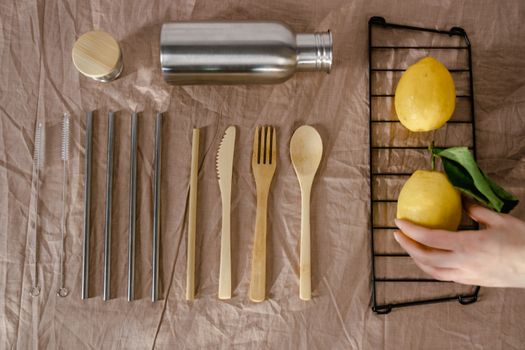
* Insulated Stainless Steel Water Bottle: This is your absolute non-negotiable. I swear by my 24oz Hydro Flask (or similar brands like Klean Kanteen). It keeps water icy cold in the scorching heat of Bali and my tea piping hot on a chilly morning trek in Patagonia.
* Why it's a game-changer: Beyond saving countless plastic bottles, many airports now have refill stations, and cafes are often happy to top you up. In some places, like Europe, you can often drink tap water, making refills a breeze. Even in places where tap water isn't safe, you can often find large filtered water dispensers at guesthouses or buy large jugs to refill from, still drastically reducing your individual plastic use.
* My Story: I once calculated how many plastic bottles I didn't buy on a two-week trip through Vietnam, simply by refilling my bottle at hotels and cafes. It was easily over 30 bottles! The sense of accomplishment, not to mention the money saved (even small amounts add up!), was huge.
* Tips: Look for one with a wide mouth for easy cleaning and adding ice. A carabiner clip can be handy for attaching to your daypack.
* Price Range: $25-$50
- Collapsible Silicone Coffee Cup: My Stojo cup is a marvel of engineering. It collapses down to a tiny disc, fitting into even the smallest purse or pocket.
- Why it's a game-changer: Whether it's a morning coffee at the airport, a smoothie from a local market, or even a beer at a festival, this cup has seen it all. No more guilt over disposable cups, and many cafes offer a discount for bringing your own!
- My Story: I was in Rome, desperate for an espresso, and noticed the tiny, single-use cups. My Stojo cup (which I usually save for larger drinks) became my emergency espresso cup. The barista was delighted, and I felt like a zero-waste superhero, sipping my coffee guilt-free while walking past the Colosseum.
- Tips: Make sure it's leak-proof. Rinse it out immediately after use to prevent smells or stickiness.
- Price Range: $15-$25
---
2. Personal Care, Planet-Friendly Style: Solid Toiletries & Reusables
This category is where many travelers struggle, relying on those tiny, plastic-laden hotel amenities or buying travel-sized plastic bottles. Not only are these wasteful, but they're also expensive per ounce!
The Problem:
All those mini plastic bottles, plastic toothbrushes, and disposable cotton pads create a mountain of waste, often ending up in landfills or oceans.
The Solution:
* Solid Shampoo, Conditioner & Soap Bars: This is the ultimate zero-waste hack. Lush, Ethique, and countless artisanal brands offer fantastic solid bars that last for ages.
* Why it's a game-changer: No liquids means no leaks in your bag (a traveler's worst nightmare!), no TSA restrictions, and significantly less plastic waste. They're also incredibly concentrated, meaning one bar can last for months.
* My Story: I once had a full bottle of conditioner explode in my backpack on a bus from Chiang Mai to Pai. Everything was sticky. Everything. The switch to solid bars was born out of that sticky, fragrant disaster, and I've never looked back. My hair is healthier, my bag is safer, and my conscience is clear.
* Tips: Store them in a reusable, breathable tin or a fabric soap bag. Let them dry completely between uses to prolong their life.
* Price Range: $10-$20 per bar (lasts 2-3 months)
- Bamboo Toothbrush & Toothpaste Tabs/Powder: A simple swap that makes a huge difference.
- Why it's a game-changer: Bamboo toothbrushes are biodegradable, unlike plastic ones. Toothpaste tabs (small, chewable tablets) or powder come in refillable glass jars, eliminating plastic tubes.
- My Story: I was skeptical about toothpaste tabs at first, but after a few uses, I was hooked. They're incredibly convenient – no gooey mess, no squeezing out the last bit of paste, and TSA-friendly. Plus, the minty freshness is comparable to traditional paste.
- Tips: Let your bamboo toothbrush dry fully to prevent mold. Store toothpaste tabs in a small, airtight container.
- Price Range: Toothbrush $5-$8, Tabs/Powder $10-$15
- Reusable Cotton Pads & Menstrual Cup/Reusable Pads: For those who use them, these are massive waste reducers.
- Why it's a game-changer: Reusable cotton pads (bamboo or organic cotton) replace hundreds of disposable ones for makeup removal or toning. A menstrual cup (like DivaCup or Lunette) or reusable cloth pads can last for years, eliminating the constant need for single-use products.
- My Story: My first time trying a menstrual cup before a long backpacking trip felt like a huge leap of faith. But honestly, it was the best decision. No more worrying about finding products in remote areas, no more carrying around used wrappers, and complete freedom during swimming and hiking. It's a game-changer for active travelers.
- Tips: Practice using a menstrual cup before your trip. Pack a small wet bag for used reusable pads. Wash reusable cotton pads with your laundry.
- Price Range: Cotton pads $10-$20 (for a pack), Menstrual cup $25-$40
---
3. Culinary Adventures, Waste-Free: Portable Cutlery & Containers
Eating on the go is a huge part of travel, but it often comes with a side of plastic forks, styrofoam containers, and plastic bags.
The Problem:
Single-use cutlery, plates, and containers for takeaways are a huge contributor to plastic pollution, especially in street food-heavy destinations.
The Solution:
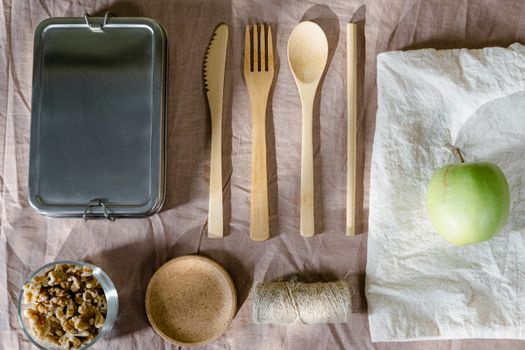
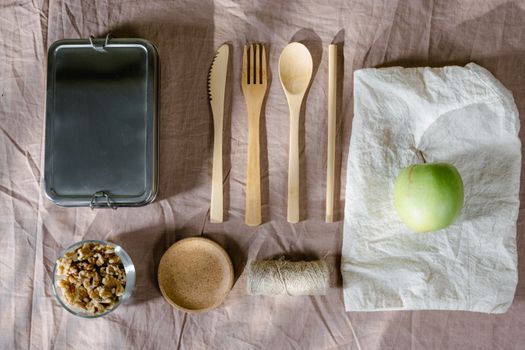
* Portable Cutlery Set (Bamboo or Stainless Steel): A small pouch with a fork, spoon, knife, and maybe even a reusable straw and chopstick set.
* Why it's a game-changer: From street food stalls in Bangkok to picnic lunches in Parisian parks, having your own cutlery means never having to accept a plastic alternative. It's surprising how often you'll use it.
* My Story: I was at a bustling night market in Kuala Lumpur, and the vendor handed me a plastic fork. I politely pulled out my bamboo set, and his face lit up. He gave me an extra portion and a thumbs-up. It's a small gesture, but it sparks conversations and makes a difference.
* Tips: Choose a lightweight set. Keep it clean by rinsing immediately after use or carrying a small cloth napkin for wiping.
* Price Range: $10-$25
- Collapsible Silicone Food Container: This is a revelation. It collapses almost flat when empty but expands to hold a decent meal.
- Why it's a game-changer: Perfect for packing leftovers from a restaurant, bringing your own lunch on a day trip, or even using it to carry snacks. It eliminates the need for styrofoam or plastic takeaway containers.
- My Story: Exploring the vibrant markets of Mexico City, I found myself overwhelmed by delicious street food. Instead of getting a new styrofoam box for each item, I used my collapsible container to carry a mix of tacos and tamales back to my Airbnb. It saved waste and meant I had a delicious, varied dinner without extra cost. It also doubles as a bowl for instant noodles or oatmeal!
- Tips: Look for food-grade silicone, microwave-safe, and leak-proof.
- Price Range: $15-$30
- Reusable Snack Bags (Silicone or Fabric): Ditch the Ziploc bags!
- Why it's a game-changer: Ideal for nuts, fruit, sandwiches, or even small toiletries. They're washable, durable, and come in various sizes.
- My Story: I used to go through so many plastic sandwich bags on hiking trips. Now, my Stasher bags (reusable silicone bags) hold everything from trail mix to my phone, keeping it dry and safe. They're surprisingly versatile and easy to clean.
- Tips: Silicone bags are great for wetter items; fabric bags are good for dry snacks.
- Price Range: $10-$20 per bag
---
4. The Smart Traveler's Wardrobe & Laundry: Merino Wool & Laundry Bar
Packing light is inherently a zero-waste principle – less stuff means less consumption, less energy used in transport, and less potential waste. But what if your clothes could also reduce waste?
The Problem:
Over-packing leads to heavier bags, more laundry (using more water and energy), and sometimes the purchase of unnecessary items on the road.
The Solution:
* Merino Wool Clothing: This is my secret weapon for minimalist, zero-waste packing. Merino wool is naturally odor-resistant, moisture-wicking, temperature-regulating, and quick-drying.
* Why it's a game-changer: You can wear a merino wool shirt for days without it smelling. This means you pack fewer clothes, do less laundry, and stay fresh. From a long-sleeved base layer for chilly mountain mornings to a lightweight t-shirt for humid city exploration, merino wool adapts.
* My Story: On a three-week trip through New Zealand, I packed only two merino wool t-shirts, one long-sleeve, and a pair of leggings. I wore them constantly, washing them only once or twice by hand. They dried overnight and never smelled. It felt like magic, and my tiny backpack thanked me.
* Tips: Invest in good quality merino wool (Icebreaker, Smartwool are popular). Hand wash or machine wash on a gentle cycle with cold water.
* Price Range: $50-$100+ per item (but they last for years)
- Travel Laundry Bar & Stain Stick: For those quick washes.
- Why it's a game-changer: A solid laundry bar (often made with natural ingredients) is perfect for hand-washing clothes in a sink. It eliminates plastic detergent bottles and is super concentrated. A solid stain stick can tackle unexpected spills without needing a full wash.
- My Story: I once spilled red wine on my favorite white shirt during a dinner in Lisbon. My solid stain stick, a quick scrub, and a rinse in the sink saved the day (and the shirt!). It's amazing how effective these little bars are.
- Tips: Look for biodegradable options. Pack a universal sink stopper (often a flat silicone disc) to make sink washing easier.
- Price Range: $5-$15
---
5. Beyond the Basics: Tech & Comfort with a Conscience
Even our tech can be more sustainable.
The Problem:
Reliance on disposable batteries, paper books, and heavy, bulky towels.
The Solution:
* E-reader: A Kindle or Kobo is a zero-waste dream for bookworms.
* Why it's a game-changer: Instead of buying physical books (which require paper, printing, and shipping, and often end up discarded after reading), an e-reader provides access to thousands of titles in one lightweight device. It saves space in your bag and resources.
* My Story: I used to bring physical books on trips, often leaving them behind to save space. My Kobo now holds my entire travel library, accessible anywhere, anytime. It’s been a godsend on long bus rides across Argentina and quiet evenings in remote hostels.
* Tips: Download books before you leave home to avoid data charges or unreliable Wi-Fi.
* Price Range: $100-$200
- Reusable Microfiber Travel Towel: Compact, quick-drying, and durable.
- Why it's a game-changer: Many hostels don't provide towels, or charge extra. This towel is lightweight, takes up minimal space, and dries incredibly fast, preventing mildew and the need for disposable options.
- My Story: I once forgot my towel and had to buy a cheap, disposable-feeling one in a small town in Italy. It shed everywhere and felt awful. Never again! My trusty microfiber towel has been with me through countless showers in questionable hostels and swims in crystal-clear lakes.
- Tips: Choose a size appropriate for your needs (body vs. hand towel). Wash regularly to maintain absorbency.
- Price Range: $15-$30
---
6. The Mindset Shift: Making Zero-Waste a Lifestyle on the Road
Beyond the physical items, the most crucial zero-waste essential is a conscious mindset. It’s about making intentional choices, even when it’s not the easiest option.
- Say "No, Thank You" Gracefully: This is a skill. When offered a plastic bag, a straw, or a disposable coffee lid, a polite "No, thank you, I have my own" or "No, thank you, no bag please" goes a long way. In some cultures, you might need to be more assertive, but always with respect.
- Research & Plan Ahead: Before you arrive in a new city, a quick search for "water refill stations [city name]" or "zero-waste stores [city name]" can save you a lot of hassle. Apps like RefillMyBottle or Tap can help you find places to top up your water bottle.
- Embrace Imperfection: Zero-waste travel isn't about being perfect; it's about doing your best. You will encounter situations where avoiding plastic is impossible. Don't beat yourself up. Every conscious choice you make contributes. It's a journey, not a destination.
- Support Local & Sustainable Businesses: Choose accommodations that prioritize sustainability, eat at restaurants that source locally, and buy souvenirs from artisans directly, reducing packaging and supporting the local economy.
- Pack Light, Pack Smart: Every item you bring should serve multiple purposes. A sarong can be a towel, a blanket, a skirt, or a head covering. Packing cubes help keep things organized and prevent over-packing. Less stuff means less to carry, less to lose, and less potential waste.
---
Conclusion: Your Journey, Your Impact
My journey into zero-waste travel started on a plastic-strewn beach in Thailand, a moment that blew open my perception of how my travels impacted the world. It evolved into a lifestyle that has made my adventures richer, more mindful, and surprisingly, more convenient.
These seven zero-waste travel essentials aren't just items; they're tools for transformation. They empower you to be a more responsible traveler, to reduce your footprint, and to connect more deeply with the places you visit. Imagine the collective impact if every traveler adopted even a few of these habits!
So, are you ready to ditch the disposables, embrace the reusable, and truly revolutionize your next adventure? Start small, pick one or two items from this list, and see the difference it makes. Your future self, your wallet, and our beautiful planet will thank you.
What are YOUR go-to zero-waste travel essentials? Share your wisdom in the comments below! Let's inspire each other to travel better, one sustainable swap at a time.
---