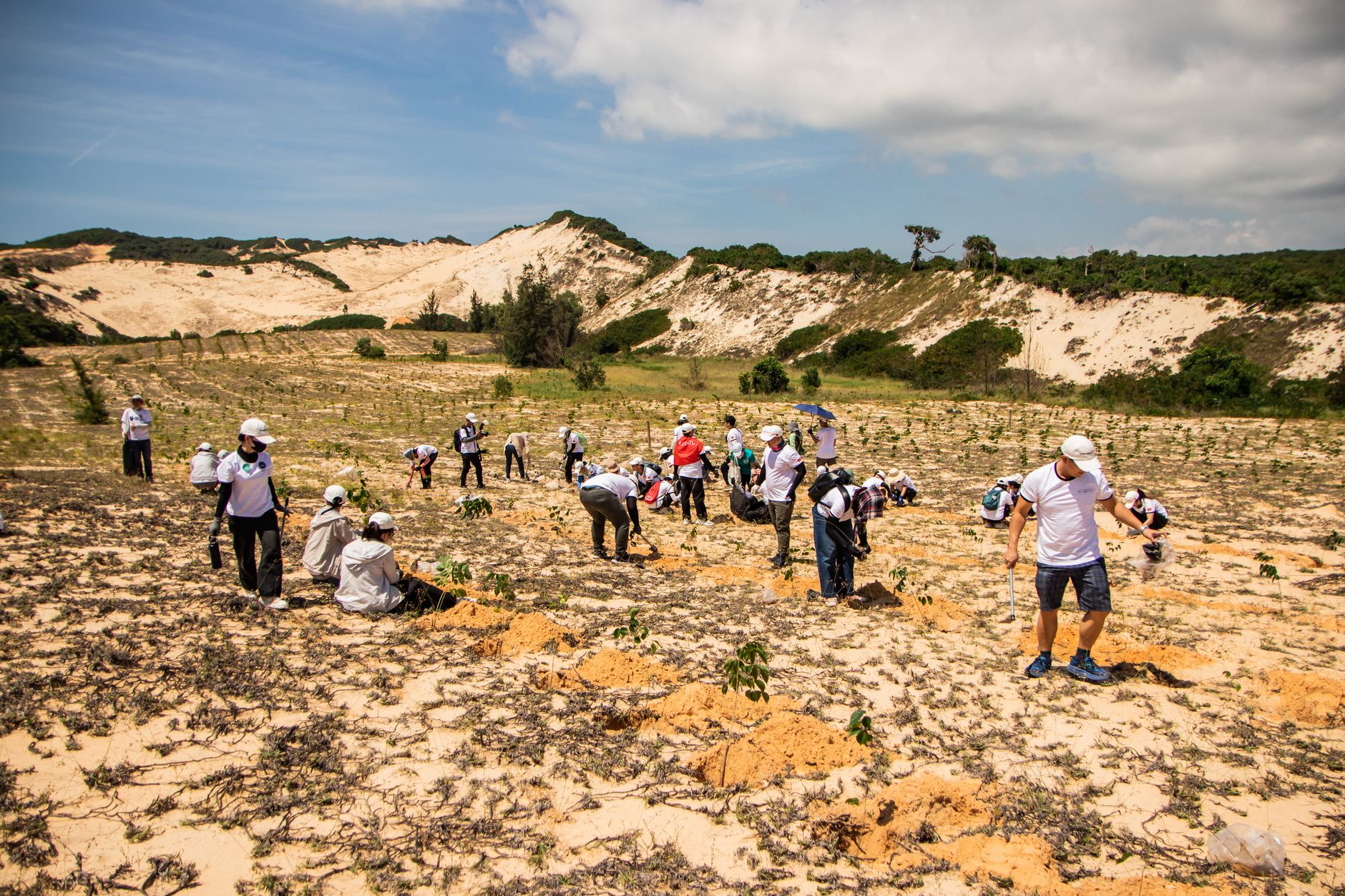
Tree planting is a visible way to help restore land that has been cleared, burned or degraded. Some organizations invite volunteers to join planting days in deforested regions, offering a hands-on experience that can be rewarding and educational. Yet tree planting is not always as simple as it sounds. Trees planted in the wrong place, with the wrong species, or without follow-up care may die or provide little ecological benefit. The quality of a volunteer trip depends on the design of the project, the involvement of local communities and the honesty of the organizers. This guide explains how to judge these trips carefully.
What reforestation work involves
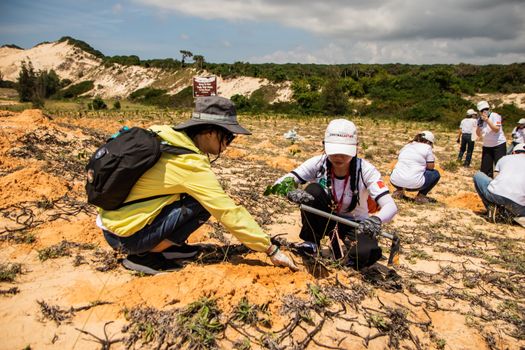
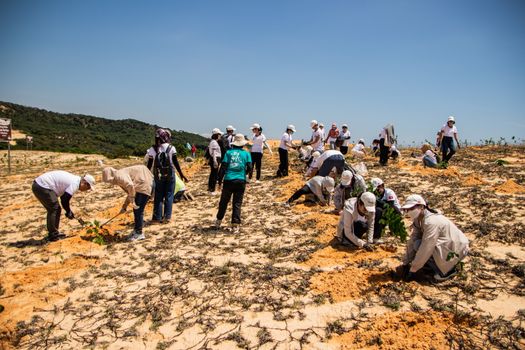
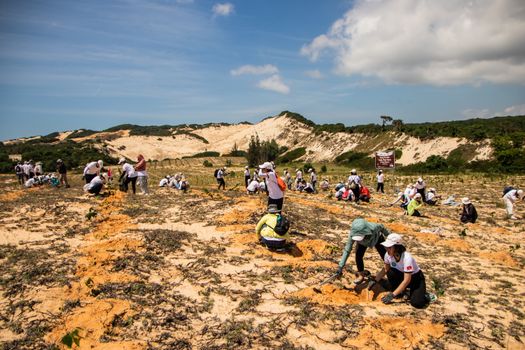
Reforestation may include preparing soil, digging holes, planting seedlings, watering, mulching and protecting young trees from grazing animals. Some projects also restore natural regeneration by removing barriers and allowing native species to return. Monitoring is important, since survival rates and growth determine whether the project succeeds. Volunteers may help with nursery work, collecting seed, mapping sites or recording data, depending on the program.
Judging a program's credibility
Credible programs explain what they plant, why those species were chosen and how survival is measured. They work with foresters, ecologists or local land managers and can describe the land tenure arrangements for the site. Be cautious of programs that promise large numbers of trees without any information about follow-up. Ask whether the organization has published results, and whether independent reviewers have assessed the work.
Avoiding greenwashing and harmful placements
Tree-planting schemes sometimes attract criticism when they plant non-native species in unsuitable places, prioritize numbers over ecological value, or displace local people. Ask whether the site was chosen with scientific input and whether it suits native vegetation. Check if the project considers water, soil and biodiversity, and whether it works with rather than around local communities. A trip that looks impressive in photographs may still do little long-term good.
Working with local communities
Good restoration projects involve people who live on the land. Ask how local residents benefit, whether they are employed or trained, and whether their knowledge shapes the project. Volunteers should understand that they are guests in a community's working landscape. Learn about local priorities and be open to instructions from site coordinators.
Physical demands and conditions
Planting work is physically tiring. Expect early starts, hot or wet weather, rough terrain and long hours bent over. Wear sturdy boots, protective gloves, long sleeves and a hat. Insect repellent and sun protection are essential. Accommodation may be basic, and mobile coverage may be limited. Check the program's safety procedures and medical arrangements before joining.
Costs and what they cover
Some programs charge fees to cover accommodation, food, transport and project costs. Understand what your contribution pays for and whether a portion funds the restoration work itself. Compare inclusions across programs, and be wary of arrangements that seem to offer much more than their stated costs can support. Ask for a written breakdown.
Practical tips
Research organizations carefully, read independent reviews and ask specific questions about survival rates, species and follow-up. Check whether the program is registered or accountable to a recognized body in the country where it operates. Pack appropriate clothing, a refillable bottle, a first-aid kit and any personal medication. Keep your expectations realistic: a single day of planting is one step in a longer process. Consider supporting the project after your visit through reporting or donations, since sustained care matters most. Finally, leave the site as you found it and respect any instructions about protected areas.
Who This Suits and Who It Doesn't
Tree-planting trips tend to suit people who are physically active, comfortable with repetitive outdoor work and interested in ecology. They can appeal to those who want a hands-on contribution and who enjoy learning practical skills, such as preparing soil or caring for seedlings. Volunteers who are patient and who understand that restoration takes years rather than days often find these trips meaningful.
They may be less suitable for people with limited mobility, back problems, serious allergies or medical conditions that make heat and strenuous work risky. Those who prefer comfortable accommodation or a varied sightseeing schedule may find basic camps and long working days tiring. Travelers who are uncertain about the organizer's credibility should reconsider, particularly where the program is unclear about its results. In such cases, a donation to an established restoration body, or support for local conservation groups, may be a more useful way to help.
Frequently Asked Questions
Does one day of planting make a real difference?
One day contributes to a longer process. Seedlings need protection, watering and monitoring for many seasons, so the most valuable projects combine volunteer effort with ongoing care.
How can I check whether trees are surviving?
Ask the organizer whether survival rates are recorded, how often they are measured and whether results are published. Independent reviews or reports from partner organizations can add useful context.
Should I bring my own tools or gloves?
Check the packing list first. Many programs supply tools, but sturdy gloves, boots and sun protection are usually expected from volunteers. Bring a refillable water bottle and any personal medication you need.
Tree-planting trips can be a meaningful way to contribute to restoration when they are well designed and honestly presented. The most valuable programs combine good science, local partnership and long-term care, and volunteers who ask careful questions help ensure that every seedling has a fair chance to grow.