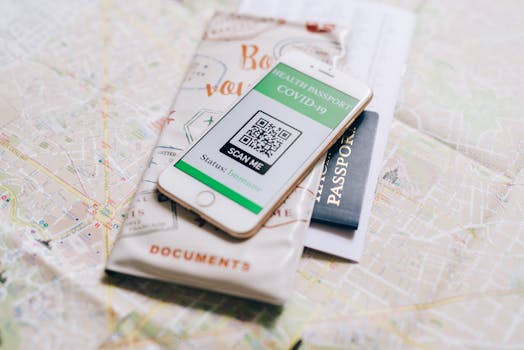
The Hook: A New Dawn of Frictionless Travel
I stepped off the sleek, hydrogen-powered maglev train at Tokyo’s Shinjuku Station, and the first thing that hit me wasn't the heat of a mid-July afternoon, but the scent of roasted hojicha green tea drifting from a nearby kiosk, clean and unmasked. There were no paper forms to fumble with, no frantic searches for QR codes, and no aggressive health marshals.
Instead, a subtle, near-invisible biometric scanner at the gate flashed a soft green light as I walked through. My digital health credentials, flight details, and customs declarations—pre-verified via Tripsora’s encrypted travel portal—had synced seamlessly. I was in.
```
[ Invisible Biometric Gate ]
│
┌───────────────────┴───────────────────┐
▼ ▼
[Health Verified] [Identity Synced]
│ │
└───────────────────┬───────────────────┘
▼
[ Seamless City Access ]
```
By July 2026, the global travel landscape had permanently shifted. The chaotic, reactionary policies of the early 2020s gave way to a sophisticated era of "invisible safety." The countries that thrived didn't just survive the tail-end of global health crises; they completely redesigned the visitor experience. They proved that public health and high-end tourism are not mutually exclusive—they are codependent.
Here is my definitive, boots-on-the-ground report on the countries that handled pandemic-era health security best for tourism in July 2026.
---
1. Japan: The Masterclass in Contactless Biophilic Urbanism
Japan did not just reopen its borders; it completely rebuilt the entry experience. By integrating advanced biometrics with local municipal health databases, the country eliminated the friction points that used to make international travel a headache.
The Seamless Arrival
At Haneda and Narita airports, the traditional bottleneck of customs has been replaced by walk-through "Smart Corridors." Your facial signature is your passport, your health declaration, and your train ticket. I went from the airplane cabin to the platform of the Narita Express in exactly nine minutes.
Micro-Distanced Hospitality
In Kyoto, the hospitality sector has embraced what locals call Kūki-shin (air mindfulness). Traditional ryokans have integrated medical-grade, silent HEPA filtration systems behind classic shoji paper screens.
At the luxury Ryokan Kurama, my dinner of seasonal ayu sweetfish and mountain vegetables was served with absolute privacy, using silent, automated wooden panels that slide open from the kitchen, preserving the meditative silence of the room.
- Pro-Tip: To experience Kyoto's Arashiyama Bamboo Grove without the crowds, use the city’s real-time density map (available on the official tourism app). Head there at exactly 6:15 AM on a Tuesday. You’ll have the towering green stalks and the morning mist entirely to yourself.
---
2. Iceland: Decentralized Geothermal Isolation
Iceland took a different approach to health-safe tourism: sheer space and digital dispersal. Instead of allowing tourists to clog the classic Golden Circle route, the Icelandic government used smart-pricing incentives and infrastructure grants to guide travelers toward its wildest, most remote corners.
```
[ Reykjavik Hub ]
│
┌────────────────┴────────────────┐
▼ ▼
[Westfjords Route] [Eastfjords Route]
(Eco-vouchers applied) (Geothermal wellness)
```
The Westfjords Frontier
I spent five days driving through the deep, dramatic fjords of the Northwest. The air here smells of salt, crushed basalt, and wild thyme. Iceland’s national travel app, SafeTravel IS, didn't just monitor local weather; it acted as a real-time crowd-mitigation tool, offering eco-vouchers (discounts on local dining and fuel) if you chose routes with lower visitor density.
Geothermal Wellness, Safely Managed
At the newly opened Forest Lagoon (Skógarböðin) in Akureyri, guest capacity is strictly capped via automated digital wristbands. I soaked in the mineral-rich, 40°C volcanic waters while looking out over the Eyjafjörður fjord, surrounded by birch trees, with at least fifteen yards of personal space in every direction.
- Pro-Tip: Skip the crowded Blue Lagoon. Instead, drive to the remote village of Drangsnes in the Westfjords. There are three concrete hot tubs built directly into the seawall, free to use, and maintained by the local community. The hidden changing room is behind the bright red wooden shed across the road.
---
3. Singapore: The Sovereign Clean-Tech Sanctuary
If Iceland is the queen of natural isolation, Singapore is the emperor of high-tech urban defense. The city-state treated the pandemic not as a temporary emergency, but as a catalyst to build the cleanest, most resilient urban tourism hub on earth.
Biophilic Air and Smart Greenhouses
Walking through the spectacular Jewel Changi Airport, you are surrounded by a indoor rainforest fed by recycled rainwater and purified by massive, industrial-grade photocatalytic air scrubbers. Every public surface—from escalator handrails to elevator buttons—is coated with a permanent, self-disinfecting antimicrobial copper-ion layer.
The Contactless Culinary Scene
Singapore’s famous hawker centers, like Maxwell Food Centre, have been completely digitized without losing their soul. I ordered my plate of Hainanese chicken rice from Tian Tian via a universal, localized web app.
When my food was ready, I retrieved it from a temperature-controlled, UV-sanitized locker using a quick tap of my phone. No queues, no cash, just tender chicken and perfectly seasoned rice eaten under the shade of a massive rain tree.
- Pro-Tip: For a spectacular, crowd-free view of the skyline, skip the Marina Bay Sands observation deck. Instead, head to the rooftop garden of CapitaSpring at 5:00 PM. It is a lush, four-story vertical park open to the public, with strict capacity limits that ensure you can watch the sunset in peace.
---
4. New Zealand: The Regenerative Sanctuary
New Zealand’s strategy for July 2026 was built on a simple premise: value over volume. Having kept its borders tightly controlled for years, the country reopened with a focus on high-value, low-impact travelers who are willing to participate in the country’s biosecurity and ecological preservation.
The Tiaki Promise in Action
Every visitor to New Zealand must sign the Tiaki Promise—a commitment to care for the land, culture, and people. In 2026, this is backed by a digital visitor portal that coordinates your itinerary with local conservation efforts.
Isolated Luxury in Fiordland
I took a hybrid-electric catamaran deep into Milford Sound. The sheer granite cliffs rose out of the dark water like sleeping giants, waterfalls cascading thousands of feet into the sea.
Because the government restricted the number of daily vessels to just a fraction of pre-pandemic levels, the only sound was the rush of water and the occasional call of a Fiordland crested penguin.
- Pro-Tip: If you plan to hike the famous Routeburn Track, book your permit through a certified local Maori guiding outfit. Not only do they have priority access to permits, but their guides also provide deep cultural context that turns a beautiful walk into a profound spiritual journey.
---
5. Rwanda: High-Value Conservation and Health-First Wildlife Tourism
Rwanda has quietly become the gold standard for luxury, health-secure wildlife tourism in Africa. By prioritizing both the health of its human citizens and its highly vulnerable mountain gorilla populations, Rwanda created a pristine, ultra-exclusive sanctuary.
Protecting Our Closest Relatives
To trek in Volcanoes National Park, tourists must undergo a rapid PCR test at a local clinic in Kigali, with results delivered to their smartphones within three hours. During the trek, masks are mandatory when in proximity to the gorillas—a rule designed to protect the primates from human pathogens.
The Eco-Lodge Safe Haven
I stayed at a luxury forest lodge constructed from local volcanic stone and sustainable eucalyptus wood. The lodge operates on a "closed-loop" health system: all staff live on-site, undergo regular health screenings, and are trained in advanced hygiene protocols.
Sitting by the outdoor fireplace (chimney) with a glass of South African Pinotage, watching the mist roll over the Virunga volcanoes, I felt completely insulated from the anxieties of the modern world.
- Pro-Tip: When booking your gorilla trekking permit, request to be assigned to the 'Susa' group. This family of gorillas lives higher up the mountain, making the hike longer and more physically demanding, which naturally deters larger tourist groups.
---
Comparative Analysis: Tourism Logistics & Budgets (July 2026)
To help you plan your next high-authority escape, I’ve compiled the essential logistics, estimated costs, and safety ratings for these five standout destinations:
| Country | Key Safety Innovation | Best Time to Visit | Est. Daily Budget (USD) | How to Get There (Insider Route) |
| :--- | :--- | :--- | :--- | :--- |
| Japan | Seamless biometric borders & micro-distanced ryokans | Late Autumn / Spring (July is hot but crowd-free) | $250 - $500 (Mid to Luxury) | Fly direct to Haneda (HND); take the monorail directly to Hamamatsucho to bypass highway traffic. |
| Iceland | Digital crowd-dispersal app & remote eco-vouchers | June - August (Midnight Sun) | $300 - $600 (High-cost destination) | Fly into Keflavík (KEF); rent a hybrid 4x4 with integrated SafeTravel GPS navigation. |
| Singapore | Photocatalytic air filtration & UV-sanitized dining | Year-round (Consistent tropical climate) | $200 - $450 (Premium urban) | Fly Singapore Airlines direct to Changi (SIN); use the MRT system for contactless travel. |
| New Zealand| Daily visitor caps & regenerative tourism portals | December - February (July is winter skiing season) | $350 - $700 (Eco-luxury focus) | Fly to Auckland (AKL), then take a domestic electric turboprop to Queenstown (ZQN). |
| Rwanda | Closed-loop eco-lodges & primate health protocols | June - September (Dry season) | $600 - $1,500 (High-end conservation) | Fly to Kigali (KGL); hire a private driver with an electric safari vehicle for the drive to Musanze. |
---
The Blueprint: How to Choose Your Next Destination
As you plan your travels for the remainder of 2026, look for countries that demonstrate three core pillars of modern travel design:
- Invisible Tech: If a country still requires you to carry physical paper health forms or wait in three-hour customs lines, skip it. The best destinations have integrated health-security into their digital border architecture.
- Decentralization: Choose countries that actively encourage you to visit secondary and tertiary destinations. This protects local communities from overtourism and protects you from crowded bottlenecks.
- Community-First Health: The safest destinations for tourists are those that take care of their locals first. Look for places with robust public healthcare systems, high local vaccination/immunity rates, and fair wages for hospitality workers.
Travel in July 2026 is no longer about checking boxes or rushing through crowded monument gates. It is about slow, deliberate, and deeply respectful exploration. By choosing destinations that have invested in the future of public health and sustainable infrastructure, you aren't just taking a vacation—you are participating in the quiet, glorious renaissance of global travel.
---