Master Ancient Melodies: Your Nov 2025 Global Music Quest!
I remember the first time I truly heard a sitar. It wasn't on a recording, not through headphones, but live, echoing across the Ganges at sunrise in Varanasi. The notes weren't just sounds; they were stories, centuries of devotion, joy, and sorrow woven into intricate patterns. It wasn't just music; it was a language I suddenly longed to speak. That moment ignited a fire in me – a desire to not just listen, but to learn, directly from the hands that carry these ancient traditions.
If you, like me, dream of transcending the role of a mere tourist and diving deep into the soul of a culture, then mark your calendars. November 2025 presents a truly unique window for an adventure that will resonate long after the final note fades: learning traditional music from living masters around the globe. This isn't about quick lessons; it's about cultural immersion, personal growth, and forging a connection to humanity through its oldest universal language.
Why November 2025? The Magic of the Off-Season Symphony
You might be wondering, "Why November 2025 specifically?" It's not just a random date on the calendar; it’s a strategic sweet spot for cultural immersion and authentic learning experiences.
Firstly, November often falls squarely in the shoulder season for many of the world's most captivating destinations. This means fewer crowds, more agreeable weather (often cooler and drier than peak summer or monsoon seasons), and, critically, better availability. When the throngs of tourists thin out, masters who might otherwise be booked solid or performing extensively suddenly have more time to dedicate to serious students.
Secondly, many cultures host significant festivals and celebrations in the late autumn, often before the deep chill of winter sets in. Imagine learning the nuances of a flamenco bulería in Seville, then experiencing a local festival where its raw power comes alive on the streets. Or mastering a segment of a Japanese gagaku piece and then witnessing a temple performance where its spiritual significance is palpable. These events offer invaluable context and inspiration that no textbook can provide.
Lastly, the quietude of November allows for deeper focus. The bustling energy of summer gives way to a more reflective atmosphere, perfect for the meditative practice required to truly grasp a new instrument or vocal technique. It’s a time for introspection, connection, and growth – the ideal backdrop for a musical pilgrimage.
Finding Your Maestro: Where to Look & What to Expect
The quest for a true master isn't like booking a hotel. It requires research, respect, and often, a touch of serendipity. Here’s how to approach it:
Where to Begin Your Search:
- Local Cultural Centers & Conservatories: Many countries have institutions dedicated to preserving and teaching traditional arts. For example, in India, look for music gharanas (schools/lineages) or ashrams that specialize in classical music. In Spain, check with flamenco cultural associations in Andalusia.
- Ethnomusicology Departments: Universities with strong ethnomusicology programs often have connections to traditional musicians and can provide leads or even short-term workshop opportunities.
- Specialized Tour Operators: A few niche travel companies focus specifically on cultural immersion and can arrange lessons with respected local teachers. While often pricier, they handle the logistics and vetting.
- Word-of-Mouth & Local Connections: Once you're on the ground, ask around! Engage with local musicians, shopkeepers, and guesthouse owners. A personal recommendation is often the gold standard.
- Online Forums & Social Media Groups: Niche groups dedicated to specific instruments or music traditions can be a goldmine for recommendations and advice.
What to Expect from a Master:
Learning from a "master" (or sensei, guru, maestro, ustad) is profoundly different from a typical music lesson.
* Beyond Technique: While technique is crucial, masters often impart the cultural context, philosophy, and spiritual significance behind the music. You'll learn why a note is played a certain way, not just how.
* Oral Tradition: Many traditional forms are taught orally, by imitation and repetition, rather than sheet music. Be prepared to listen intently and absorb.
* Patience & Dedication: Progress can be slow. Masters value dedication and respect for the tradition above quick mastery. You might spend days on a single phrase.
* Cultural Etiquette: Be mindful of local customs. Bowing in Japan, removing shoes in India, or addressing your teacher with appropriate titles are all part of the respectful learning process.
* A Unique Connection: This isn't just a transaction. You're entering a lineage, a personal relationship that can be deeply rewarding and even life-changing.
Deep Dive into Destinations & Instruments: My Top Picks for November 2025
Let me share some specific destinations and musical traditions that are ripe for exploration in November 2025, drawing from my own adventures and research.
1. Kyoto, Japan: The Serenity of Shakuhachi or Koto
Imagine yourself in a quiet Kyoto machiya, the crisp autumn air carrying the scent of burning incense. You sit on a tatami mat, facing a venerable sensei, the delicate sound of a shakuhachi flute or a koto zither filling the air. This was my dream, and in a way, it became my reality. I spent a week in Kyoto, not just visiting temples, but seeking out the city's musical heart.
- The Experience: Learning shakuhachi (a bamboo flute) or koto (a stringed instrument) in Japan is a lesson in mindfulness and discipline. The music is often meditative, rooted in Zen Buddhism and court traditions. My sensei, a soft-spoken woman in her late 70s, didn't just teach me notes; she taught me the importance of silence between notes, the breath, the spirit. Each session felt like a moving meditation.
- Finding a Sensei: Look for traditional music schools (e.g., Sankyo-kai for shakuhachi) or cultural centers in Kyoto. Some temples also offer short introductory workshops. Websites like "Japan Traditional Culture Promotion & Development Organization" can also be a starting point. Expect to pay around ¥5,000 - ¥10,000 per hour for a private lesson. Group workshops might be less.
- Cultural Immersion: Beyond your lessons, November in Kyoto offers breathtaking autumn foliage (Koyo), tea ceremonies, and serene garden visits. Imagine practicing your newly learned melodies amidst the fiery maples of Tofuku-ji or Eikando Zenrin-ji.
- Instagram Moment: A perfectly framed shot of your sensei demonstrating on a koto with a sliding paper screen (shoji) in the background, or a close-up of your hands attempting a shakuhachi note, bathed in soft, natural light.
2. Seville, Spain: The Passion of Flamenco Guitar or Cante
There's nothing quite like the raw, visceral emotion of flamenco. The rhythmic clap of hands (palmas), the stomp of a dancer's foot, the soul-wrenching cry (cante), and the intricate strumming of the guitar – it's a language of pure passion. Seville, the heart of Andalusia, is the undisputed capital of flamenco.
- The Experience: I vividly recall my first flamenco guitar lesson in a small studio in Triana. My maestro, a gruff but kind man named Ricardo, had hands that moved like lightning, yet could coax the most tender melodies from his instrument. He emphasized not just technique but duende – the spirit, the soul of flamenco. My initial attempts were clumsy, but feeling the rhythm take hold, even imperfectly, was electrifying. November is perfect for this, as the intense summer heat has subsided, making the city’s vibrant nights even more enjoyable.
- Finding a Maestro: Seville boasts numerous flamenco schools, many offering intensive courses or private lessons. Look for reputable institutions like the Fundación Cristina Heeren de Arte Flamenco or smaller, independent studios in neighborhoods like Triana and Macarena. Private lessons can range from €30 - €60 per hour. Group classes are often more affordable.
- Cultural Immersion: Spend your evenings at a tablao (flamenco venue) like "El Arenal" or a more intimate local bar for an authentic peña (flamenco club) experience. Wander through the Santa Cruz quarter, savor tapas, and let the city's infectious energy seep into your soul.
- Instagram Moment: A dynamic shot of a flamenco dancer's swirling skirt and a guitarist's intense focus at a tablao, or a close-up of your hands on a classical guitar, framed by the intricate architecture of Seville.
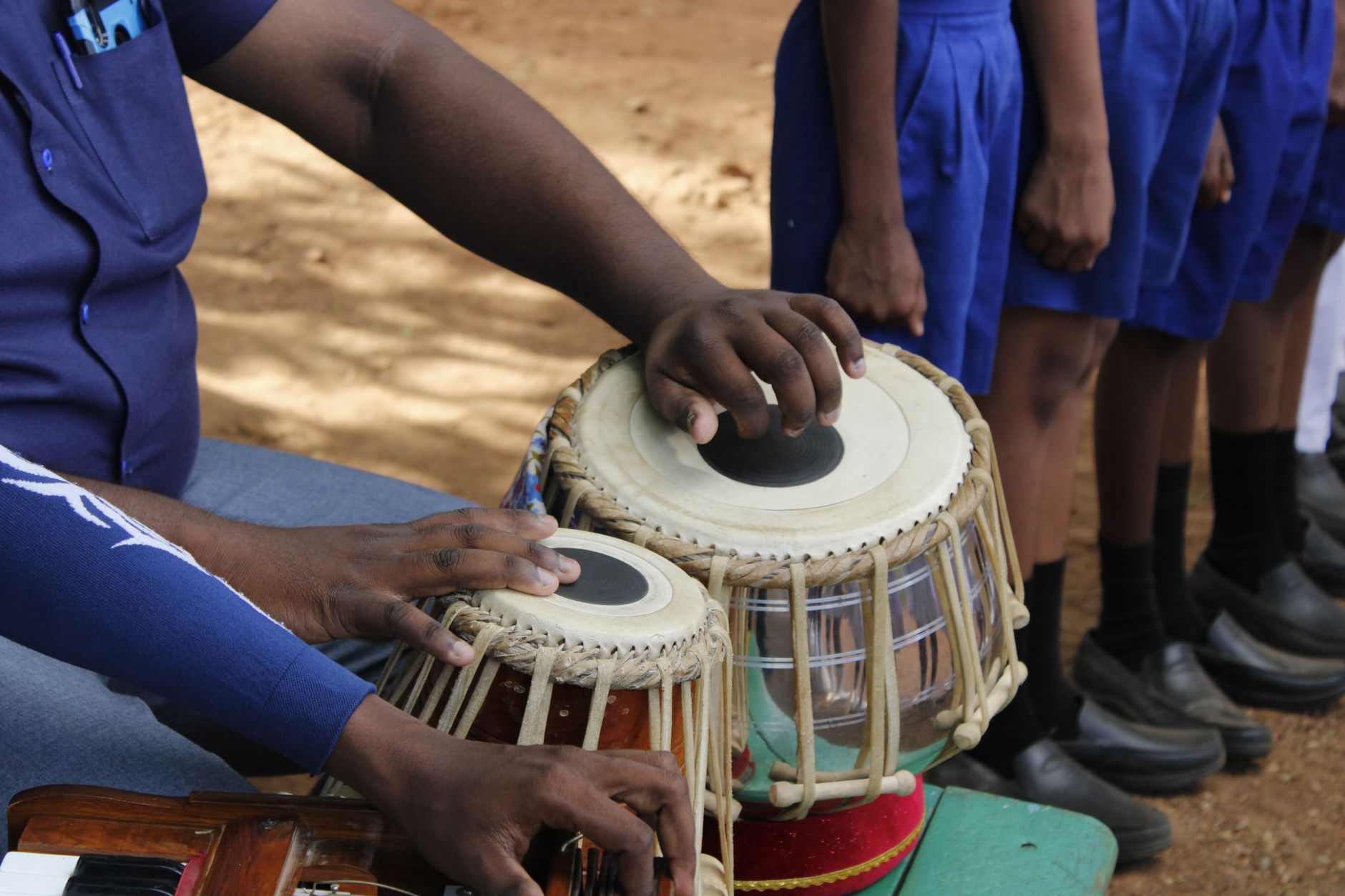
3. Varanasi, India: The Spiritual Resonance of Sitar or Tabla
My sitar moment by the Ganges wasn't just a fleeting encounter; it was a calling. Varanasi, India's spiritual capital, is also a profound center for classical Indian music. Learning here isn't just about notes; it's about connecting with a tradition that views music as a path to the divine.
- The Experience: I enrolled in a week-long workshop at a small music ashram near the Dashashwamedh Ghat. My guru, a gentle elderly man with a twinkle in his eye, taught me basic ragas on the sitar. The lessons began with meditation, focusing on breath and sound, before we even touched the instrument. The atmosphere was one of deep respect and patience. Practicing by the river as the morning mist rose was an experience I'll never forget. November's cooler weather makes exploring the ghats and enduring long practice sessions much more comfortable.
- Finding a Guru: Varanasi has many music schools and ashrams that cater to foreign students. Reputable ones include the Varanasi School of Music or individual teachers connected to the city's long musical lineage. Expect to pay anywhere from ₹500 - ₹1500 per hour for private lessons, often with discounts for longer commitments. Some ashrams offer packages including accommodation and meals.
- Cultural Immersion: Beyond your lessons, immerse yourself in the daily rituals of Varanasi: witness the Ganga Aarti ceremony, take a boat ride at dawn, explore the labyrinthine lanes, and visit ancient temples. The city itself is a living symphony of sights and sounds.
- Instagram Moment: A striking photo of the colorful ghats at sunrise with your sitar (or tabla) in the foreground, or a candid shot of your guru demonstrating a complex raga with intense concentration.
4. Dingle, Ireland: The Heartbeat of Irish Folk Music
If your soul yearns for the lively jigs, reels, and haunting ballads of Celtic tradition, then the Dingle Peninsula in County Kerry, Ireland, is your musical sanctuary. This ruggedly beautiful region is a living museum of Irish culture, where music flows as freely as the stout in the pubs.
- The Experience: My first evening in Dingle, I stumbled into a pub where a spontaneous session was in full swing. Fiddles, tin whistles, bodhráns, and guitars created a joyous cacophony. I quickly realized this was where I needed to be. I found a local fiddle player, a jovial farmer named Liam, who offered lessons in his cozy cottage. He taught me by ear, focusing on the lilt and ornamentation crucial to Irish music. It wasn’t formal; it was learning by doing, by listening, and by joining in. November means fewer tourists, cozier pub sessions, and the raw beauty of the Irish landscape all to yourself.
- Finding a Teacher: Dingle has a vibrant music scene. Ask at local music shops (like "Dingle Music Shop"), pubs, or cultural centers. Many musicians offer private lessons. You might find teachers specializing in fiddle, tin whistle, bodhrán (Irish drum), or even traditional singing. Lessons can range from €25 - €50 per hour.
- Cultural Immersion: The real learning happens in the pubs. Attend traditional music sessions (seisiúin) nightly. Don't be shy; ask if you can join once you have a few tunes under your belt. Explore the dramatic coastline, ancient ring forts, and enjoy the legendary Irish hospitality.
- Instagram Moment: A vibrant shot inside a cozy Irish pub with musicians playing, a pint of Guinness on the table, or a dramatic landscape photo of the Dingle Peninsula with your instrument silhouetted against the sky.
Preparing for Your Musical Pilgrimage: Practical Tips
Embarking on a musical journey of this kind requires more than just a passport and a dream. Here's some actionable advice:
- Budget Wisely:
- Flights & Accommodation: November often offers better deals than peak season, but book flights 6-9 months in advance for the best rates. Consider guesthouses, homestays, or Airbnb for more authentic experiences.
- Lesson Fees: Factor in the cost of private lessons (as outlined above), which can add up. Some masters prefer longer, intensive blocks.
- Instrument Rental/Purchase: Will you bring your own instrument (if portable)? Rent one locally? Or perhaps buy a traditional instrument as a souvenir (and a serious commitment to practice!)?
- General Living Costs: Research daily expenses for food, transport, and cultural activities in your chosen destination.
- Logistics & Planning:
- Visa Requirements: Check well in advance if you need a visa for your destination.
- Travel Insurance: Absolutely essential. Ensure it covers medical emergencies and potential instrument damage/loss.
- Packing: Pack light but smart. Include a small notebook and a voice recorder (with your teacher's permission) to capture lessons. Consider a travel-friendly instrument if you have one.
- Language Basics: Learn a few key phrases in the local language. Even a simple "hello," "thank you," and "I want to learn music" can go a long way in showing respect and opening doors.
- Cultivate a Learning Mindset:
- Patience is Key: You won't become a master in a week. Focus on the process, the cultural exchange, and the joy of learning.
- Open-Mindedness: Be prepared for teaching styles that differ from what you're used to. Embrace the cultural nuances.
- Respect the Tradition: You are a guest in their musical heritage. Show genuine interest, humility, and gratitude.
- Practice, Practice, Practice: Make time each day for dedicated practice, even if it's just a short session.
Beyond the Notes: The Transformative Power of Music Travel
This isn't just about learning to play a few tunes; it's about a profound cultural exchange. When you sit down with a master, you're not just learning music; you're learning history, philosophy, and a way of life. You'll gain:
- Deeper Cultural Understanding: Music is a window into the soul of a people. You'll understand their stories, joys, and struggles in a way that mere sightseeing can't achieve.
- Personal Growth: The discipline, patience, and humility required to learn from a master will challenge and expand you.
- Unique Friendships: The bonds formed with your teacher and fellow students can last a lifetime, creating a network of global connections.
- A Lifelong Skill & Story: You'll return home not just with souvenirs, but with a new skill, a deeper understanding of the world, and incredible stories to share.
- A Sense of Connection: In a world that often feels divided, music reminds us of our shared humanity.
Your Symphony Awaits in November 2025!
The call of the sitar, the passion of the flamenco guitar, the serenity of the shakuhachi, the joy of the Irish fiddle – which melody resonates with your soul? November 2025 offers a unique, unmissable opportunity to step beyond the ordinary and embark on a truly transformative musical journey.
Don't just dream about it; start planning your musical pilgrimage today! Research your chosen destination, reach out to potential teachers, and prepare for an adventure that will forever change how you hear, see, and experience the world.
Which traditional instrument are you dreaming of mastering? Share your musical aspirations in the comments below, and don't forget to tag #TripsoraMusicMasters when you embark on your journey! Let's make November 2025 a global symphony of learning and connection.
---