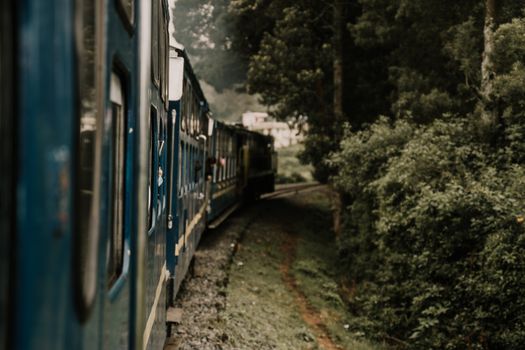
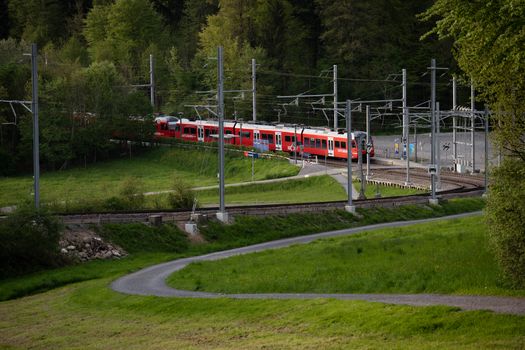
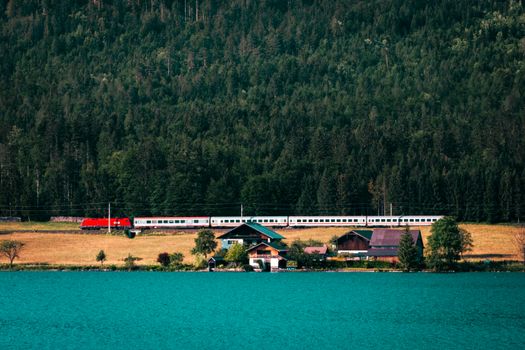
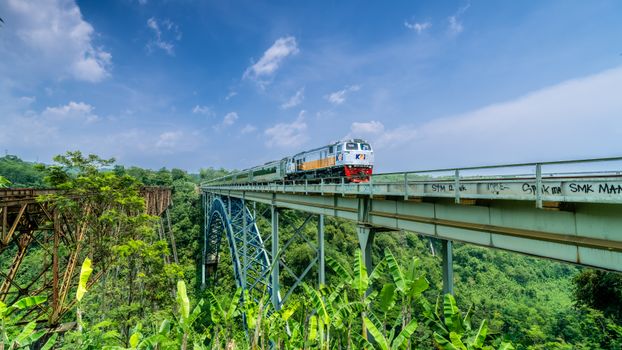
Plenty of articles explain why rail beats short flights on speed. This one takes a different angle. It is about journeys that are worth taking for their own sake, where choosing the train means you gain something a plane could never give you: a landscape, a rhythm, an unhurried arrival. If you are weighing a short flight against a train and the trip is meant to be enjoyable, not just efficient, these are the kinds of routes worth considering.
Timetables, fares and seasonal services change, so treat the details below as a starting point and check official operator websites before you book.
What makes a journey worth the train
A good replacement for a short flight tends to have a few ingredients in common:
- A reasonable length. Somewhere between two and five hours is a sweet spot. Long enough to settle in, short enough not to tire you.
- Views that matter. Mountains, coastlines, rivers, vineyards or old towns slipping by.
- A comfortable train. Wide windows, decent seats and a table if you want one.
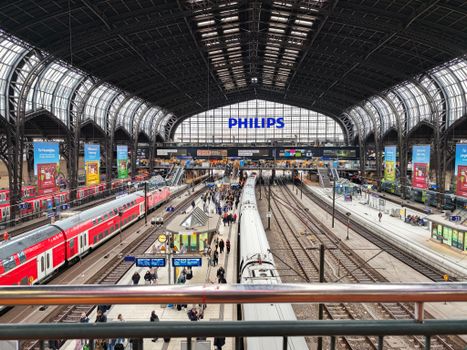
- Stations that are part of the experience. Many great railway stations are attractions in their own right.
- Good onward connections. You step off and keep traveling without a stressful transfer.
The best trips combine several of these. Here are some examples of corridors that do.
Lake and mountain days in Switzerland
Switzerland is the textbook case for rail that feels like sightseeing. Its trains are punctual and frequent, and many connect cities that you might otherwise reach by a short hop. A journey from Zurich toward Lucerne or Lugano, for example, passes lakes and alpine valleys, and in the case of the Gotthard route, runs through some of the most impressive engineering in Europe.
Reasons to pick the train here:
- Airports are not especially convenient for most inner-Swiss trips, so flying rarely makes sense.
- Panoramic carriages are available on some scenic lines, with large windows and sometimes reserved seating.
- Stations in places like Lucerne put you at the lakefront within minutes.
Some of the best-known scenic services require reservations and may carry a supplement, so look closely at the booking page. Seasonal timetables can also affect the more famous panoramic trains.
The Rhine and the river towns of Germany
Heading between Frankfurt, Cologne and nearby cities, the train can follow stretches of the Rhine, where castles and vineyards line the hillsides. Germany's fast intercity services link major cities efficiently, and regional trains along the river are slower but wonderfully scenic.
A combination worth considering is a fast train for most of the distance and a regional train for the prettiest stretch. That gives you speed and scenery in one day. Some routes also connect directly to airports, so rail can replace a short domestic leg even for people who arrive by air.
Tip: if scenery is your goal, sit on the side of the train facing the river. The timetable and route maps online will help you choose which side that is.
Northern Spain by rail
Spain's best-known high-speed lines run through the heart of the country, but the north offers a different feel. Trains between cities such as Madrid and Valladolid or the cities of the Basque Country glide through high plateaus and rolling hills. In some areas, narrow-gauge lines trace the green coast, offering slower but characterful rides.
These trips suit travelers who want a feel for regional food and landscapes. Combine a morning train with a long lunch in a city market, then move on in the afternoon. You are using the train as both transport and part of the day's plan.
Japan's coastal and mountain lines
The Shinkansen is the headline, but Japan's wider network is full of trips that work as flight replacements. A journey on the Tokaido line between Tokyo and Kyoto or Osaka can include a view of Mount Fuji on a clear day, usually from the side of the train that faces the mountain. Seat choice matters, and many travelers reserve a window seat on the correct side.
Beyond the main line, local and limited express services link smaller cities, hot spring towns and coastal areas. For some of these, rail is simply the natural option because airports are distant or unnecessary.
Planning notes:
- Reserved and unreserved cars may both be available on some trains.
- Luggage rules on some Shinkansen services require reserving a space for oversized bags.
- Rail passes for visitors have changed in recent years, so check the official pages for current options.
Italy: hills, coasts and city centers
Italy's rail network allows travelers to hop between Milan, Florence, Rome and Naples quickly, and some of those trips feel like a highlight reel. Emerging from the fast line near Florence, you see Tuscany's rolling hills. Heading south toward Naples, the land gets more dramatic, with the sea appearing at times.
The great appeal of Italy by train is the arrival. Stations like Milano Centrale and Roma Termini put you in the middle of things. You do not need to find a shuttle bus, wait for a taxi or negotiate a motorway.
If you want a gentler pace, regional trains between smaller towns can be inexpensive and surprisingly beautiful. Check the operator for tickets, and remember to validate where required.
Britain and the coast
Britain has several routes that substitute for short domestic flights, such as London to Edinburgh, which runs along the east coast for a stretch and offers sea views in places. The journey takes around four to five hours, which pushes the limits of a short-flight replacement but is still popular, with airports often a hassle at both ends.
Another attractive option is London to the southwest of England, where parts of the line run right beside the sea. In that case the train competes less with flying and more with driving, but the experience is similar: you gain a view and avoid traffic.
Central Europe: Vienna, Prague, Budapest
The capitals of Central Europe form a cluster that is well suited to rail. Vienna to Budapest and Vienna to Prague both offer direct services, and travelers often combine several cities in a single loop. Journeys run from a couple of hours to around four, which is a comfortable length to enjoy the scenery and have a meal on board.
Some airlines have also shifted their short routes in the region toward rail in recent years, particularly where good train links exist. Whether a specific route is still available changes, so check with the operator.
Choosing seats and carriages
A few small choices can improve any scenic trip:
- Pick the right side. Research the route to find which side has the views.
- Choose a window. It sounds obvious, but when booking you often have to select it deliberately.
- Think about direction. Some people dislike riding backward; seat maps often show direction of travel.
- Look for panoramic or observation cars. These are available on a few routes.
- Quiet carriages. If you want to read or rest, request a quiet coach where offered.
Timing your trip
The same route can feel totally different depending on when you travel.
- Morning light often gives the best views and avoids afternoon haze.
- Weekdays are usually calmer than Fridays and Sundays.
- Seasons change the scenery: autumn color, spring blossoms, winter snow.
- Daylight hours matter more in winter, because an evening train may deliver little to see.
If a trip is mostly about views, it can be worth shifting your departure to catch the light.
Making the train part of the plan
Rather than treating a journey as dead time, build it into your day.
- Pack a picnic from a local market. Check the operator's rules on food and drink, but many allow it.
- Download a map so you can follow your progress.
- Keep a notebook or camera handy for photos through the window; clean glass and a steady hand help.
- Plan a stop halfway. Breaking a longer route into two shorter legs can let you explore a town you would otherwise bypass.
Combining rail with other modes
Some of the best itineraries mix modes sensibly. You might fly into one city, take a train to another, and fly home from a third. This open-jaw approach avoids backtracking and lets you use rail on the sections where it shines.
Other combinations:
- Train plus ferry for island destinations.
- Train plus bus for villages without stations.
- Train plus bicycle, where operators allow bikes, for a gentle rural trip.
A sample two-city weekend by rail
To see how this works in practice, imagine a long weekend that uses the train as the backbone of the plan. You arrive by air in a major hub, such as Zurich, Vienna or Milan, and spend the first night there. On the second morning you take a train of around two to three hours to a smaller city on a lake or river, and spend the afternoon on foot, with a long lunch and an evening stroll. On the final day you ride back through a different valley or along a different shore if the network offers an alternative route, and leave on a flight the next day.
Nothing about this plan needs a second airport transfer, and each leg has a view. The cost is mostly the rail tickets and a night or two of accommodation, and you avoid the hidden cost of ground transport to remote airports.
Small habits that make long windows more fun
- Wipe the window with a tissue if it is smudged, and avoid wearing bright clothing that reflects in the glass.
- Keep your camera shutter fast, because the scenery moves quickly.
- Look ahead as well as sideways; the best views often open around a bend.
- Put your phone down for part of the trip. A landscape is easier to enjoy if you are actually watching it.
Frequently asked questions
Are scenic train rides expensive?
It varies. Regular services cost the same whether or not the view is nice. Special panoramic or heritage trains may carry a premium. Compare the standard option with the special one before you decide.
How early should I book popular scenic routes?
For the most famous trains and for holiday periods, book as early as tickets are released. For regular services, you can often wait, but fares can rise as the date nears.
Is it worth paying for first class on a scenic route?
Sometimes. A first-class seat may be quieter and more spacious, but standard class often has the same windows. Look at the specific carriage layout before paying extra.
Can I do these trips as day excursions?
Many can, since journeys under three hours leave time for sightseeing. Check the last train back and leave a margin so you do not miss it.
Summary
Choosing the train over a short flight does not have to be only a practical decision. On the right route, it becomes a highlight of the trip: Swiss lakes, the Rhine valley, Japanese mountains, Tuscan hills, British coastline and Central European capitals all reward travelers who take the ground route. Pick routes of two to five hours, choose your seat with care, travel in good light, and build the journey into your day. Always confirm timetables, supplements and seasonal changes with the official operator, and enjoy the quiet luxury of arriving somewhere having actually seen how you got there.