Epic Free Camping: Unforgettable Spots You Need to Experience Before You Die
I still remember my first time. It was a crisp autumn evening, somewhere deep in the Kaibab National Forest, just outside the Grand Canyon's South Rim. The sun dipped below the horizon, painting the sky in fiery oranges and purples, and as the last light faded, a canopy of stars exploded above me – more stars than I’d ever seen in my life. My little Subaru Outback, packed to the brim with camping gear, was my only companion. There was no campground host, no designated site, no fee. Just me, the vast wilderness, and an overwhelming sense of freedom.
That night, something fundamentally shifted in my approach to travel. I realized that some of the most profound, most beautiful experiences weren't found behind the gates of expensive resorts or within the confines of crowded campgrounds. They were out there, in the wild, waiting to be discovered, and best of all, they were free.
Since then, "free camping" – or boondocking, dispersed camping, wild camping, whatever you want to call it – has become my absolute obsession. It’s not just about saving money (though that's a huge perk for us budget-conscious adventurers); it’s about solitude, unparalleled access to nature, and the sheer thrill of forging your own path. It’s about waking up to views that would cost hundreds a night in a hotel, but here, they’re all yours, compliments of Mother Nature.
If you’ve ever dreamed of a life less ordinary, of adventures that push boundaries and connect you deeply with the planet, then this guide is for you. I’m going to share my hard-won knowledge, personal anecdotes, and specific, jaw-dropping locations where you can experience the magic of free camping before you kick the bucket. Get ready to pack your bags and chase those unforgettable sunrises!
The Magic of Free Camping: Why Go Wild?
First, let's talk about why free camping is such a game-changer. Beyond the obvious financial savings (which, let's be honest, means more money for experiences, delicious local food, or that emergency tire repair!), the benefits are profound:
- Unrivaled Solitude: Ditch the noisy RV parks and crowded campgrounds. Free camping often means you're the only one for miles, allowing for deep introspection and a true connection with nature.
- Flexibility & Spontaneity: No reservations needed! You can follow the weather, a whim, or a local recommendation without being tied to a booking. This is the essence of true road trip freedom.
- Access to Incredible Locations: Many of the most breathtaking vistas, trailheads, and scenic drives are bordered by public lands where dispersed camping is permitted. You're literally sleeping at the doorstep of adventure.
- Authentic Experience: There’s something deeply satisfying about being self-sufficient in the wild. It builds confidence, problem-solving skills, and a profound appreciation for simple comforts.
- Closer to Nature: Wake up to birdsong, watch wildlife from your doorstep, and fall asleep under a blanket of stars so bright they feel tangible. This is immersion, not just observation.
It's important to differentiate between various terms. In the US, "dispersed camping" typically refers to camping on public lands (like National Forests or Bureau of Land Management (BLM) land) outside of designated campgrounds. "Boondocking" often refers to RV camping without hookups, usually in remote areas. In Europe, it's generally called "wild camping," and rules vary significantly by country. Regardless of the name, the spirit is the same: self-sufficient camping in undeveloped areas.
Your Toolkit for Freedom: Essential Gear & Prep
Before you hit the road, preparation is key. Free camping means no facilities – no water, no toilets, no trash cans. You are entirely self-reliant.
- Navigation is Non-Negotiable: Forget Google Maps for finding these spots. You need apps like iOverlander (crowd-sourced info on campsites, water, dump stations), Gaia GPS (for detailed topo maps and public land overlays), and FreeCampsites.net. Always download offline maps! Many incredible spots are down unpaved, sometimes challenging, roads.
- Vehicle Suitability: While some spots are accessible by 2WD, many require higher clearance or even 4x4, especially after rain or snow. Know your vehicle's limits and don't push them – getting stuck miles from anywhere is no fun.
- Self-Sufficiency is Paramount:
- Water: Bring more than you think you’ll need for drinking, cooking, and basic hygiene.
- Power: Solar panels, a portable power station, or a robust car battery setup are crucial for charging devices and running small appliances.
- Waste Management: This is huge. Pack it in, pack it out – everything. That includes food scraps, toilet paper, and human waste. For the latter, a portable toilet or a trowel for digging catholes (at least 6 inches deep, 200 feet from water sources) is essential.
- Shelter: A reliable tent, comfortable sleeping bag, and sleeping pad are your basic comforts. For van lifers, ensure your setup is cozy and functional.
- Safety First:
- Tell someone your plans: Share your itinerary and expected return time with a trusted friend or family member.
- Weather: Check forecasts diligently. Remote areas can experience rapid weather changes.
- Wildlife: Store food securely, be aware of local wildlife (bears, coyotes, etc.), and know how to react in an encounter. Bear spray is a good investment in some areas.
- Fire Restrictions: Always check local fire regulations. A small campfire is magical, but wildfires are devastating.
- Leave No Trace (LNT): This isn't just a suggestion; it's the golden rule of free camping.
- Plan Ahead & Prepare
- Travel & Camp on Durable Surfaces
- Dispose of Waste Properly
- Leave What You Find
- Minimize Campfire Impacts
- Respect Wildlife
- Be Considerate of Other Visitors
Embrace these principles, and you'll preserve these incredible places for everyone, including yourself, for years to come.
North American Wonders: US & Canada's Best Free Spots
North America, especially the US, is a free camper's paradise thanks to vast tracts of public land managed by the BLM and National Forests.
USA: A Land of Endless Horizons
- Sedona, Arizona (National Forest Land):
- The Vibe: Imagine waking up to the iconic red rock formations glowing under the rising sun, the air crisp and infused with the scent of juniper. This was my second free camping experience, and it solidified my love for it. The sheer beauty of Sedona is unparalleled, and being able to sleep among those geological wonders without paying a dime is truly special.
- Where to Go: Head out on Loy Butte Road or Forest Road 525 (often called "Secret Mountain Road"). These dirt roads off US-89A and AZ-179 respectively, lead to numerous pull-offs and clearings perfect for a tent or van. My personal favorite memory here was a chilly morning, sipping coffee while watching hot air balloons drift silently over the red canyons. It felt like a dream.
- Details: Roads can be washboarded; high clearance is recommended. Cell service can be spotty. Respect the sacredness of the land.
- Grand Staircase-Escalante National Monument, Utah (BLM Land):
- The Vibe: This place is simply immense. It’s a landscape of raw, untamed beauty – slot canyons, towering mesas, and endless desert vistas. Free camping here isn't just about saving money; it's about fully immersing yourself in one of America's most remote and spectacular regions. The stargazing? Unrivaled. I once spent a week here, moving between different spots, and felt like I was on another planet.
- Where to Go: Hole-in-the-Rock Road and Cottonwood Canyon Road are legendary. These long, unpaved roads (check conditions before you go, especially after rain!) offer countless designated and undesignated pull-offs. You'll find spots overlooking vast canyons, tucked away in quiet washes, or perched on high plateaus.
- Details: Extremely remote. Bring all your water and supplies. Roads can be impassable when wet. Low to no cell service. Pack out absolutely everything.
- Big Sur, California (Los Padres National Forest):
- The Vibe: While much of Big Sur's iconic coastline is private or state park land, there are hidden gems in the mountains just inland. It’s a different Big Sur experience – less about ocean views from your doorstep, more about redwood forests and mountain serenity, but still within easy reach of the dramatic coast.
- Where to Go: Plaskett Ridge Road (off Highway 1, south of Kirk Creek Campground) is a popular, albeit sometimes challenging, option. It's a steep, winding dirt road that leads to incredible views of the Pacific in places. You'll find dispersed sites tucked among the trees. I remember driving up this road in my old van, heart pounding, only to be rewarded with a sunset view over the ocean that made the white-knuckle drive completely worth it.
- Details: Road conditions vary wildly. Check with the Forest Service. Fire restrictions are common, especially in dry seasons.
- Colorado Rockies (National Forests):
- The Vibe: Colorado is a free camper's dream, with millions of acres of National Forest land. From towering 14,000-foot peaks to alpine lakes and dense pine forests, you can find a slice of mountain paradise.
- Where to Go: Areas around Crested Butte (Kebler Pass area, though some spots are paid), Salida (near Monarch Pass), Ouray, and the San Juan National Forest are fantastic. Look for Forest Service Roads (FS Roads or NF-XXX) off major highways. My favorite spot was near Salida, parked by a small stream, falling asleep to the sound of rushing water and waking up to elk grazing in a meadow.
- Details: Higher elevations mean colder nights, even in summer. Watch for sudden thunderstorms. Many roads are only open seasonally due to snow.
Canada: Crown Land Adventures
- British Columbia (Forest Service Roads):
- The Vibe: BC offers incredible access to mountains, lakes, and coastal forests via its extensive network of Forest Service Roads (FSRs). It's a truly wild experience, perfect for those seeking solitude.
- Where to Go: Research specific FSRs around popular areas like Squamish, Whistler, or the Okanagan Valley. Sites along lakeshores or with mountain backdrops are common. Use apps like iOverlander, but also look for local forums or government resources, as rules can change. I once found a stunning spot overlooking a fjord near Squamish, completely alone with the eagles soaring overhead.
- Details: FSRs can be rough; 4x4 often recommended. Be aware of active logging operations. Respect local wildlife and fire bans.
European Escapes: Wild Camping Across the Pond
Wild camping in Europe is a different beast. While designated free campsites are rare (outside of specific countries), some nations embrace a "right to roam" or tolerate discreet wild camping.
- Scotland (The "Right to Roam"):
- The Vibe: Scotland is arguably the best place for wild camping in Western Europe. The Land Reform (Scotland) Act 2003 grants a "right to roam," meaning you can camp on most unenclosed land, provided you do so responsibly. Picture dramatic lochs, rugged mountains, and ancient castles as your backdrop.
- Where to Go: The Isle of Skye offers breathtaking spots, though they can be popular. The North Coast 500 (NC500) route is dotted with incredible opportunities. I vividly remember a night by Loch Ness, setting up my tent as a mist rolled in, feeling like I was stepping back in time. Just be discreet, arrive late, leave early, and leave no trace.
- Details: Adhere strictly to Leave No Trace. Avoid enclosed fields, private gardens, and clearly cultivated land. Be prepared for midges in summer!
- Norway (Allemannsretten):
- The Vibe: Similar to Scotland, Norway's "Allemannsretten" (everyman's right) allows public access to most uncultivated land. This means you can camp in some of the most stunning landscapes on Earth – think dramatic fjords, towering mountains, and pristine forests.
- Where to Go: Along the Atlantic Ocean Road, in the Lofoten Islands, or deep within the Jotunheimen National Park area. The views are simply mind-blowing. Find a quiet spot by a fjord, or high up in the mountains with panoramic views.
- Details: Camp at least 150 meters (about 500 feet) from inhabited houses/cabins. Don't stay longer than two nights in the same spot without permission. Be hyper-vigilant about LNT.
- Estonia (RMK Campsites):
- The Vibe: A true hidden gem for free camping! Estonia's State Forest Management Centre (RMK) maintains a network of hundreds of free, well-maintained campsites across the country. These aren't wild camping in the traditional sense, but they are free and often in incredibly beautiful, remote locations.
- Where to Go: Check the RMK website for an interactive map. You'll find sites in national parks like Lahemaa and Soomaa, along the Baltic coast, and deep in ancient forests. Many have fire pits, picnic tables, and sometimes even basic shelters or dry toilets. It’s a fantastic way to explore Estonia's unique wilderness without breaking the bank.
- Details: These sites are popular with locals. Respect the facilities and keep them clean.
Beyond the Beaten Path: Australia & New Zealand's Free Gems
Down Under offers incredible opportunities for free camping, though rules and availability can be different.
- Australia (Designated Free Camps & Bush Camping):
- The Vibe: Australia is vast, and its free camping options are equally expansive. From coastal havens to outback stations, you can find incredible spots. It’s perfect for exploring the diverse landscapes of this continent.
- Where to Go:
- Nullarbor Plain: As you cross this immense, treeless plain, you'll find numerous roadhouses and roadside rest areas that allow overnight stays. It's not glamorous, but the vastness and the incredible stargazing are unforgettable.
- National Parks & State Forests: Many national parks offer free or very low-cost campsites (e.g., some in Queensland, NSW). State forests generally allow dispersed camping. Use apps like WikiCamps Australia religiously – it's the bible for free camping there.
- Outback Stations: Some working cattle stations offer free or cheap campsites, often with basic amenities, providing a unique cultural experience.
- Details: Be prepared for extreme heat, flies, and remote conditions. Always carry plenty of water. Check fire restrictions. Many free camps are just gravel pull-offs, but some are true gems.
- New Zealand (DOC Freedom Camping & Self-Contained Vehicles):
- The Vibe: New Zealand is synonymous with breathtaking scenery, and freedom camping allows you to immerse yourself in it without the hefty price tag. The rules are stricter here, largely due to past misuse, but it's still possible to find incredible free spots.
- Where to Go: The Department of Conservation (DOC) manages many free or low-cost basic campsites. Look for designated "Freedom Camping" areas, particularly on the South Island. I found stunning spots near Lake Pukaki (with views of Mount Cook!), along Haast Pass, and in various remote areas. The key is to have a self-contained vehicle (certified to hold wastewater for at least three days), as this is often a requirement.
- Details: Always check local council bylaws and DOC regulations. Fines for illegal freedom camping are steep. Dispose of waste properly. Be respectful of the pristine environment.
Making it Instagram-Worthy & Shareable
You're out there having these incredible, once-in-a-lifetime experiences – you have to share them! But do it responsibly.
- Capture the Moment: Don't just take a photo; tell a story. Focus on the golden hour light, the vastness of the landscape, the coziness of your camp, or the awe on your face. Drone shots can capture the epic scale.
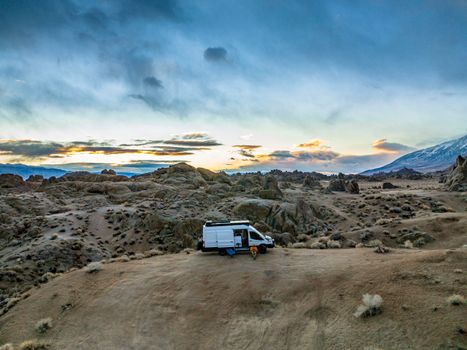
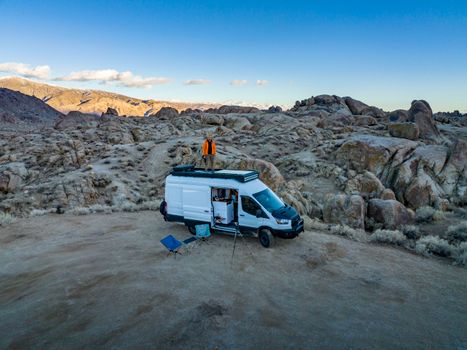
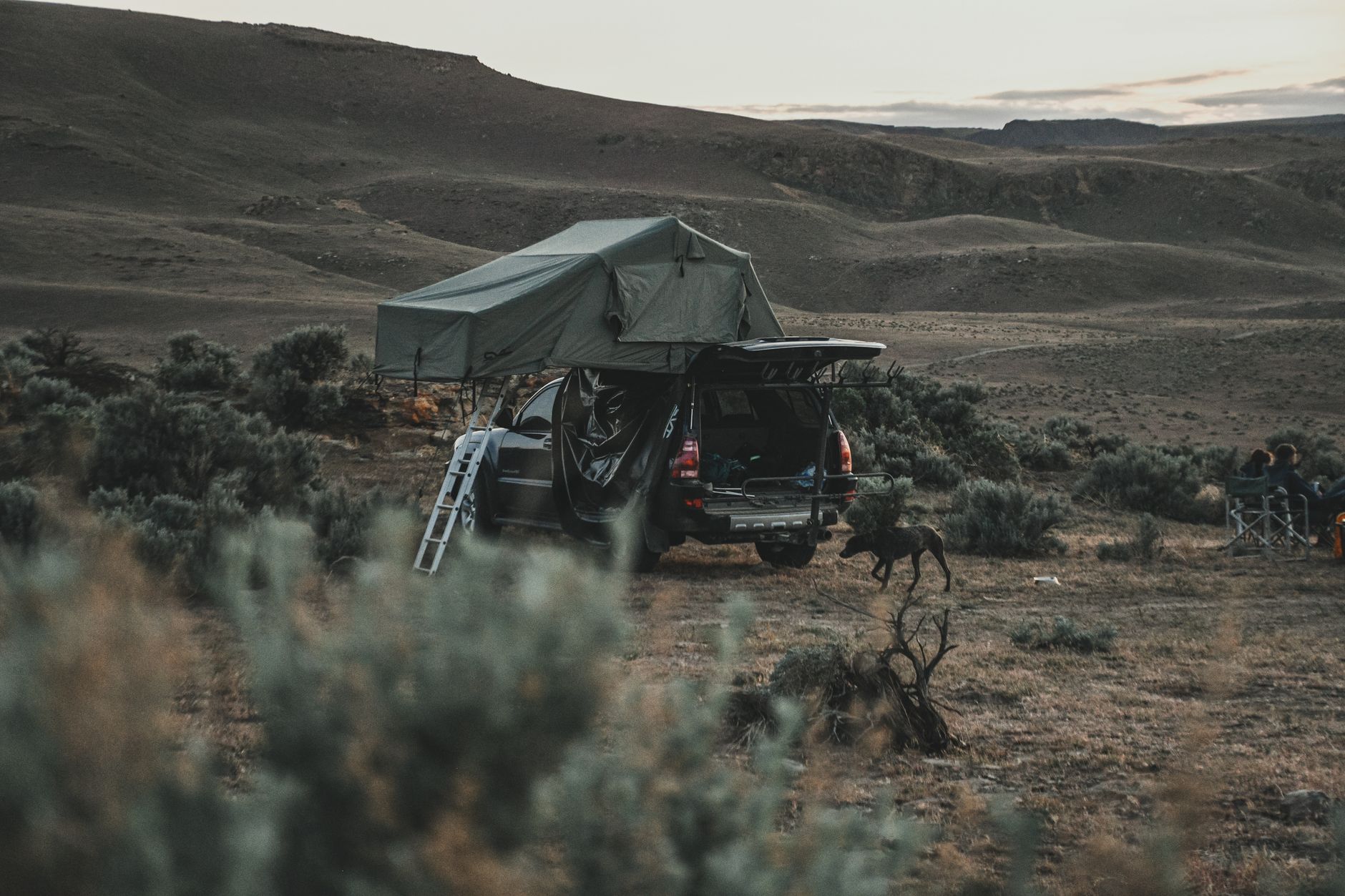
- Show, Don't Just Tell: Let your photos convey the feeling of solitude, adventure, and connection to nature. A tent pitched against a backdrop of mountains, a van parked overlooking a desert vista, or a campfire under a million stars – these are viral gold.
- Responsible Sharing: When sharing locations, consider the impact. Some free campers prefer to keep truly remote, pristine spots secret to prevent overcrowding and environmental damage. Geotagging broader areas (e.g., "Grand Staircase-Escalante National Monument") rather than exact coordinates can be a good compromise. Always emphasize Leave No Trace in your captions.
- Hashtags are Your Friend: #FreeCamping #WildCamping #Boondocking #VanLife #DispersedCamping #BudgetTravel #AdventureTravel #RoadTrip #ExploreMore #LeaveNoTrace #EpicViews #TravelBucketList
Your Next Great Adventure Awaits
Free camping isn't just a way to save money; it's a philosophy, a lifestyle, and a gateway to some of the most profound travel experiences you'll ever have. It challenges you, inspires you, and connects you to the raw beauty of our planet in a way that few other forms of travel can.
From the red rocks of Arizona to the wild lochs of Scotland, and the vast outback of Australia, these incredible, free camping spots are waiting to be explored. They are places where memories are forged under starlit skies, where the only alarm clock is the sunrise, and where the greatest luxury is the freedom to be truly present in nature.
So, what are you waiting for? Start planning your epic adventure today. Research those routes, pack your gear, and prepare to experience the world in a whole new, utterly unforgettable way.
Have you discovered a breathtaking free camping spot that blew your mind? Share your stories and recommendations in the comments below – let's inspire each other to explore more of this incredible world, one free campsite at a time!
---