Chasing Whispers of Spring: My Obsession with Nature's Fleeting Masterpieces
The memory is as vivid as if it were yesterday: standing beneath a canopy of cherry blossoms in Ueno Park, Tokyo, the air alive with the gentle rustle of petals falling like pink snow. It wasn't just a beautiful sight; it was an experience. A whisper of nature, a fleeting moment of pure, unadulterated magic that you know will only last for a precious few days before disappearing for another year. That's when I became a bloom chaser.
For me, spring isn't just a season; it's an annual pilgrimage, a thrilling treasure hunt for the planet's most spectacular and ephemeral floral displays. We're talking about those "blink and you'll miss it" wonders that erupt in a riot of color, transforming landscapes into living art installations. These aren't your garden-variety perennials; these are the rock stars of the floral world, making a grand entrance and exit in a matter of weeks. And trust me, they are trending right now, with travelers around the globe scrambling to witness their once-a-year glory.
At Tripsora, we believe travel should be about experiencing the extraordinary, making memories that linger long after the petals have fallen. So, grab your camera, pack your sense of adventure, and let's dive into the most sought-after, once-a-year spring blooms that are absolutely dominating travel wish lists this season.
1. Sakura Season: Chasing Japan's Fleeting Pink Dream
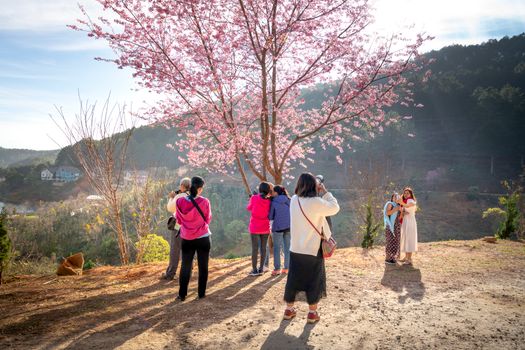
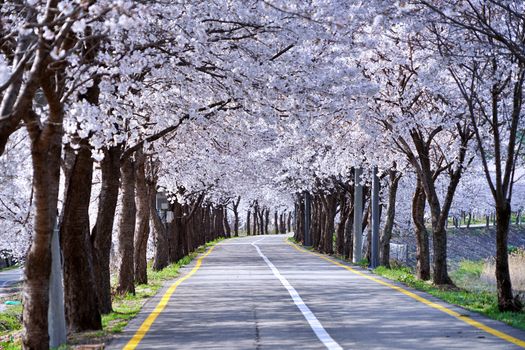
There's no bloom more synonymous with ephemeral beauty than the Cherry Blossom (Sakura). In Japan, it's more than just a flower; it's a cultural phenomenon, a symbol of life's transient beauty, celebrated with joyous hanami (flower viewing) picnics. The feeling of walking under a tunnel of delicate pink and white petals, watching them dance in the breeze before gently settling on the ground, is profoundly moving. It truly feels like walking through a dream.
My Anecdote:
My first Sakura season in Japan was nothing short of magical. I remember sitting under a blossoming tree in Shinjuku Gyoen National Garden in Tokyo, a bento box lunch beside me, watching families laugh and friends share sake. When a gust of wind sent a shower of petals swirling around us, it felt like the world was showering us with confetti. It was a moment of perfect serenity amidst the bustling city, a reminder to simply be and appreciate the fleeting beauty.
Where to Witness the Magic:
* Tokyo, Japan: Ueno Park, Shinjuku Gyoen, Chidorigafuchi Moat, Meguro River.
* Kyoto, Japan: Arashiyama, Philosopher's Path, Maruyama Park.
* Washington D.C., USA: The Tidal Basin (around the Jefferson Memorial) is iconic.
* Vancouver, Canada: Stanley Park, Queen Elizabeth Park.
* Paris, France: Parc de Sceaux (just outside the city), Champ de Mars.
When to Go:
Generally late March to early April in Japan and D.C., sometimes extending into mid-April in cooler regions. The bloom window is incredibly narrow, often just 1-2 weeks at peak.
Tripsora's Pro Tips for Sakura Chasers:
* Book Early: Flights and accommodation for Japan's Sakura season sell out months in advance. Seriously, start planning a year out if you can!
* Follow Forecasts: The Japan Meteorological Corporation releases detailed cherry blossom forecasts. These are your bible!
* Go Local: Grab a bento box and a picnic blanket and join the locals for a hanami party.
* Sunrise Strolls: Beat the crowds at popular spots by visiting right at dawn. The light is also incredible for photos.
* Respect Culture: Don't shake trees for petals, don't climb on branches, and be mindful of litter.
Instagram-Worthy Shots:
Petal-strewn paths, close-ups of delicate blossoms against a clear blue sky, wide shots of people picnicking under the trees, reflections in water bodies.
2. Holland's Kaleidoscope: Immense Tulip Fields and Beyond
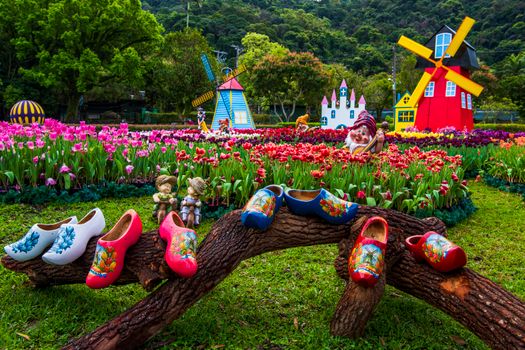
If you've ever dreamt of walking through a painting, the Dutch Tulip Fields are your canvas. The sheer scale and vibrant blocks of color are almost unbelievable. From fiery reds and sunny yellows to deep purples and multi-hued stripes, these carefully cultivated fields stretch as far as the eye can see, creating a breathtaking, kaleidoscopic landscape.
My Anecdote:
Cycling through the Bollenstreek region outside Lisse, the Netherlands, was an experience I'll never forget. The air was crisp, carrying the faint, sweet scent of a million blooms. I remember stopping my bike, just absorbing the vibrant stripes of color, feeling a profound sense of joy. Keukenhof Gardens itself is a masterpiece, but seeing the vast, agricultural fields felt like discovering the true heart of Holland's tulip magic.
Where to Witness the Magic:
* Keukenhof Gardens, Lisse, Netherlands: The most famous and meticulously curated flower park.
* Bollenstreek Region, Netherlands: The area between Leiden and Haarlem, surrounding Keukenhof, is where you'll find the vast commercial fields.
* Skagit Valley, Washington, USA: Hosts a famous Tulip Festival each April.
* Istanbul, Turkey: Hosts an annual Tulip Festival in April, decorating parks like Emirgan Park with millions of tulips.
When to Go:
Mid-April to early May is peak season, but it can vary. Keukenhof is typically open from late March to mid-May.
Tripsora's Pro Tips for Tulip Explorers:
* Rent a Bike: The best way to explore the Bollenstreek fields is by bicycle. Many rental shops are available.
* Visit Keukenhof Early: Arrive right when the gates open (8 AM) or in the late afternoon (after 3 PM) to avoid the densest crowds.
* Stay on Paths: Do NOT walk into the commercial fields unless explicitly invited by a farmer. This damages the bulbs and future harvest. Admire from the edges!
* Combine with Windmills: Take a day trip to Kinderdijk to see iconic windmills, often framed by early spring blooms.
Instagram-Worthy Shots:
Wide-angle shots of endless rows of tulips, close-ups of specific varieties, people cycling past fields, drone shots (where permitted) for the ultimate perspective.
3. Into the Enchanted Forest: Discovering Europe's Bluebell Carpets
Step into a Bluebell Wood in spring, and you'll feel like you've stumbled into a fairytale. These ancient woodlands, predominantly found in the UK and parts of Western Europe, are transformed into a mystical, fragrant carpet of vibrant blue and purple. The dappled sunlight filtering through the new green leaves, casting an ethereal glow on the delicate bells, is an experience of pure tranquility.
My Anecdote:
My trip to Hallerbos, "The Blue Forest," in Belgium was like stepping onto a movie set. A gentle mist hung in the air, enhancing the dreamlike quality of the bluebells stretching endlessly between the trees. There was a hushed reverence among visitors, everyone speaking in whispers, lost in the sheer beauty. The delicate, sweet scent was unforgettable, a true sensory delight.
Where to Witness the Magic:
* Hallerbos, Belgium: Known worldwide as "The Blue Forest," just south of Brussels.
* National Trust Sites, UK: Ashridge Estate (Hertfordshire), Blickling Estate (Norfolk), Hardcastle Crags (West Yorkshire), and countless local woods across the UK.
* Puy-de-Dôme, France: Certain areas in the Auvergne region can have stunning bluebell displays.
When to Go:
Late April to mid-May is typically the best time, but check local bloom reports as it can vary year to year. The bloom period is relatively short, around 2-3 weeks.
Tripsora's Pro Tips for Bluebell Seekers:
* Stay on Paths: Bluebells are incredibly fragile. Walking off designated paths can damage them and prevent them from returning next year.
* Misty Mornings: Visit on a slightly overcast or misty morning for the most atmospheric photos and to avoid harsh sunlight.
* Wear Layers: Woodland temperatures can be cooler, and paths might be muddy, so sturdy, waterproof shoes are a must.
* Check Local Reports: Many local councils and National Trust sites update their websites with bloom status.
Instagram-Worthy Shots:
Forest paths disappearing into a sea of blue, close-ups of the delicate bells, dappled sunlight filtering through the trees, wide shots capturing the sheer scale of the blue carpet.
4. Wisteria Wonderland: Drowning in Purple Perfection
Imagine walking through a tunnel, not of concrete, but of fragrant, cascading purple, white, and pink flowers. That's the magic of Wisteria. While individual wisteria vines are common, it's the spectacular wisteria tunnels and massive trees that truly captivate, creating a dramatic, romantic, and utterly unforgettable floral experience.
My Anecdote:
Kawachi Fuji Garden in Kitakyushu, Japan, was a destination I'd dreamed of for years. When I finally walked into its famous wisteria tunnels, it was overwhelming in the best possible way. The sheer weight of the blossoms, the intense fragrance, the way the light filtered through the purple cascades – it felt like being inside a living, breathing fairytale. The crowds were significant, but the beauty made every moment worth it.
Where to Witness the Magic:
* Kawachi Fuji Garden, Kitakyushu, Japan: Home to the world-famous wisteria tunnels.
* Ashikaga Flower Park, Tochigi, Japan: Features a magnificent 150-year-old wisteria tree, a wisteria tunnel, and a stunning wisteria dome.
* Private Gardens: Many stately homes and botanical gardens around the world (e.g., in the UK, Italy, USA) have impressive wisteria displays, though perhaps not on the same scale as Japan's dedicated parks.
When to Go:
Late April to early May is prime wisteria season in Japan.
Tripsora's Pro Tips for Wisteria Wonders:
* Book Tickets in Advance: Especially for Kawachi Fuji Garden, tickets are often sold via a lottery system or require advance purchase from convenience stores in Japan. Do your research!
* Go Early/Late: As with most popular bloom spots, hitting the gardens right at opening or an hour before closing will give you the best chance for crowd-free photos.
* Look Up! The best views are often directly above you as the wisteria cascades down.
* Be Prepared for Crowds: These spots are incredibly popular, so manage your expectations for solitude.
Instagram-Worthy Shots:
Long tunnel shots, close-ups of the individual racemes (flower clusters), people silhouetted against the purple backdrop, wide shots of the massive wisteria trees.
5. Nature's Spontaneous Art: From Golden Poppies to Superblooms
Sometimes, nature decides to put on an unscheduled, utterly spectacular show. These are the Superblooms, often characterized by vast fields of wildflowers, most famously the vibrant orange California Poppies. Dependent on specific rainfall patterns, these events are unpredictable, making them all the more thrilling to chase. When they happen, entire landscapes are transformed into fiery, golden seas.
My Anecdote:
I was lucky enough to catch a slice of the California Superbloom a few years back, heading to the Antelope Valley California Poppy Reserve. The drive itself was part of the adventure, with cars pulled over to the side of the road as soon as the first splashes of orange appeared. Walking along the trails, surrounded by an ocean of brilliant poppies, the air buzzing with bees, felt like witnessing a secret, joyful explosion of life. It was a reminder that some of the best travel moments are unplanned.
Where to Witness the Magic:
* Antelope Valley California Poppy Reserve, USA: The most famous spot for California poppies.
* Walker Canyon, Lake Elsinore, California, USA: Another popular (and sometimes notoriously crowded) superbloom spot.
* Anza-Borrego Desert State Park, California, USA: Known for a diverse range of desert wildflowers during a superbloom.
* Various Deserts & Grasslands: Superblooms can occur in other arid regions globally after exceptional rainfall.
When to Go:
Highly variable! Typically March to April for California poppies, but entirely dependent on winter rainfall. You must follow current bloom reports.
Tripsora's Pro Tips for Superbloom Hunters:
* Check Local Reports DAILY: Websites like California State Parks, specific park sites, and local news outlets will have the most up-to-date bloom status. Social media (hashtags like #CASuperbloom) is also a great resource.
* Go Mid-Week, Early Morning: Weekends can be gridlocked with traffic and crowds.
* Stay on Designated Paths: This is crucial. Walking off-trail crushes the delicate wildflowers, preventing them from reseeding and returning next year. "Take only pictures, leave only footprints" is the golden rule.
* Pack Essentials: Water, sunscreen, hats, comfortable shoes, and patience for crowds and potentially long waits.
Instagram-Worthy Shots:
Expansive field shots with a wide-angle lens, close-ups of individual poppies, people dwarfed by the landscape, golden hour light bathing the fields.
6. Purple Rain Down Under: Jacaranda Season in Australia & Beyond
While many spring blooms are associated with the Northern Hemisphere, the Southern Hemisphere has its own breathtaking floral spectacle: the Jacaranda. These magnificent trees erupt in a profusion of lavender-purple blossoms, creating stunning avenues and urban parks bathed in a dreamy, vibrant hue. When the petals fall, they form a soft, purple carpet on the ground, making every step feel magical.
My Anecdote:
My visit to Grafton, New South Wales, Australia, during their Jacaranda Festival was a feast for the senses. The entire town was awash in purple, from the streets lined with ancient trees to the festive atmosphere in the parks. I remember looking up at the canopy, feeling completely enveloped in color, and then looking down at the thick carpet of petals on the ground – it was like walking through a dream. The scent was subtle but sweet, adding to the overall enchantment.
Where to Witness the Magic:
* Grafton, New South Wales, Australia: Famous for its Jacaranda Festival, with hundreds of trees.
* Sydney, Australia: Paddington, Kirribilli, Lavender Bay, and the Royal Botanic Garden.
* Brisbane, Australia: Many streets and parks, particularly the University of Queensland.
* Pretoria, South Africa: Known as "Jacaranda City," with over 70,000 trees.
When to Go:
October to November for Southern Hemisphere spring.
Tripsora's Pro Tips for Jacaranda Journeys:
* Visit During a Festival: Grafton's Jacaranda Festival is a fantastic way to experience the blooms with local culture and events.
* Explore Different Streets: Don't stick to just one spot; wander through various neighborhoods to find hidden gems and less crowded avenues.
* Mind the Petals: While beautiful, fallen jacaranda petals can be sticky, especially on cars and shoes.
* Look for Contrasts: The purple looks stunning against historic architecture or the blue of a clear sky.
Instagram-Worthy Shots:
Tree-lined streets creating purple tunnels, close-ups of the delicate bell-shaped flowers, thick carpets of fallen petals on pathways, iconic landmarks framed by jacaranda trees.
7. The Golden Wave: Rapeseed Fields of Europe
While perhaps not as delicate or culturally significant as some other blooms, the vast, undulating Rapeseed (Canola) Fields that blanket parts of Europe in spring are a spectacular sight. Imagine rolling hills painted in an intense, vibrant yellow that seems to glow under the sun. It's a truly immersive visual experience, especially when combined with picturesque villages and castles.
My Anecdote:
Driving through the German countryside in spring, I was utterly captivated by the endless fields of bright yellow. We pulled over at one point, and I walked to the edge of a field. The sheer scale was breathtaking, and the buzzing of countless bees was a gentle soundtrack. It felt like stepping into a giant, sunny painting, a perfect contrast to the ancient stone villages nestled among the hills. The scent, a slightly sweet and earthy aroma, filled the air.
Where to Witness the Magic:
* Rügen Island, Germany: Especially beautiful with the Baltic Sea backdrop.
* Mecklenburg-Vorpommern, Germany: Vast stretches of fields.
* Provence, France: While famous for lavender, rapeseed fields also appear in spring before the lavender blooms.
* Dorset & Wiltshire, UK: Rolling hills covered in yellow.
* Tuscany, Italy: Often seen interspersed with cypress trees and vineyards.
When to Go:
Late April to mid-May.
Tripsora's Pro Tips for Rapeseed Revelers:
* Road Trip! These fields are best discovered on a scenic drive through the countryside.
* Look for Contrasts: Frame the bright yellow with green trees, blue skies, or ancient architecture for stunning photos.
* Be Mindful of Farmers: These are working fields. Do not enter them without permission. Admire from the edges of roads or designated viewpoints.
* Beware of Allergies: The pollen can be intense for those with hay fever.
Instagram-Worthy Shots:
Wide-angle shots of rolling yellow hills, roads winding through the fields, close-ups of the bright yellow flowers, drone shots (where permitted) for incredible patterns.
Practical Tips for the Ultimate Bloom Chaser
Chasing these once-a-year wonders requires a bit of planning and a lot of passion. Here are my essential tips to make your floral adventure unforgettable:
- Timing is EVERYTHING: This cannot be stressed enough. "Peak bloom" windows are incredibly narrow, sometimes just a few days.
- Follow Bloom Forecasts: Most popular bloom destinations (especially cherry blossoms and superblooms) have dedicated websites, meteorological services, or local tourism boards that provide real-time bloom updates. Check them daily!
- Be Flexible: Weather can shift bloom times. Try to build a buffer into your travel plans if possible.
- Book Ahead, Way Ahead: For popular destinations like Japan during Sakura or the Netherlands during tulip season, flights and accommodations can be booked out and significantly more expensive months in advance. Start planning now for next spring!
- Go Early or Late in the Day: To avoid the biggest crowds and get the best light for photography, aim to visit popular spots right at opening or an hour before closing. Sunrise and sunset offer magical light.
- Respect Nature: This is paramount.
- Stay on Paths: Whether it's fragile bluebells or commercial tulip fields, walking off designated paths damages the plants and their ecosystems.
- Leave No Trace: Pack out everything you pack in.
- Do NOT Pick Flowers: Let everyone enjoy their beauty, and allow them to reseed for next year.
- Gear Up:
- Comfortable Shoes: You'll be doing a lot of walking.
- Camera Gear: A good camera (or smartphone), extra batteries, and memory cards are essential. Consider a wide-angle lens for expansive field shots.
- Portable Charger: Your phone will be working overtime with photos and navigation.
- Layers: Spring weather can be unpredictable.
- Water & Snacks: Especially if you're exploring remote areas.
- Embrace the Journey: Sometimes the most beautiful blooms are found unexpectedly, off the beaten path. Keep your eyes open, talk to locals, and be open to spontaneous detours.
- Combine with Local Culture: Don't just see the flowers; immerse yourself in the local culture. Enjoy a hanami picnic, cycle through Dutch villages, or savor regional cuisine.
The Bloom Awaits: Your Next Unforgettable Adventure
There's something profoundly moving about witnessing nature's fleeting artistry. These once-a-year blooms remind us to slow down, appreciate the present moment, and marvel at the incredible beauty our planet has to offer. They are more than just pretty flowers; they are invitations to experience wonder, to connect with the rhythm of the seasons, and to create memories that will last a lifetime.
So, which ephemeral masterpiece will you chase first? Will it be the pink snow of Sakura, the vibrant carpets of Dutch tulips, or the mystical bluebell woods? The time to plan your unforgettable floral adventure is now.
Which of these trending blooms is calling your name? Share your dream bloom destination in the comments below, and don't forget to tag #TripsoraBlooms in your spring travel photos! Happy chasing!
---