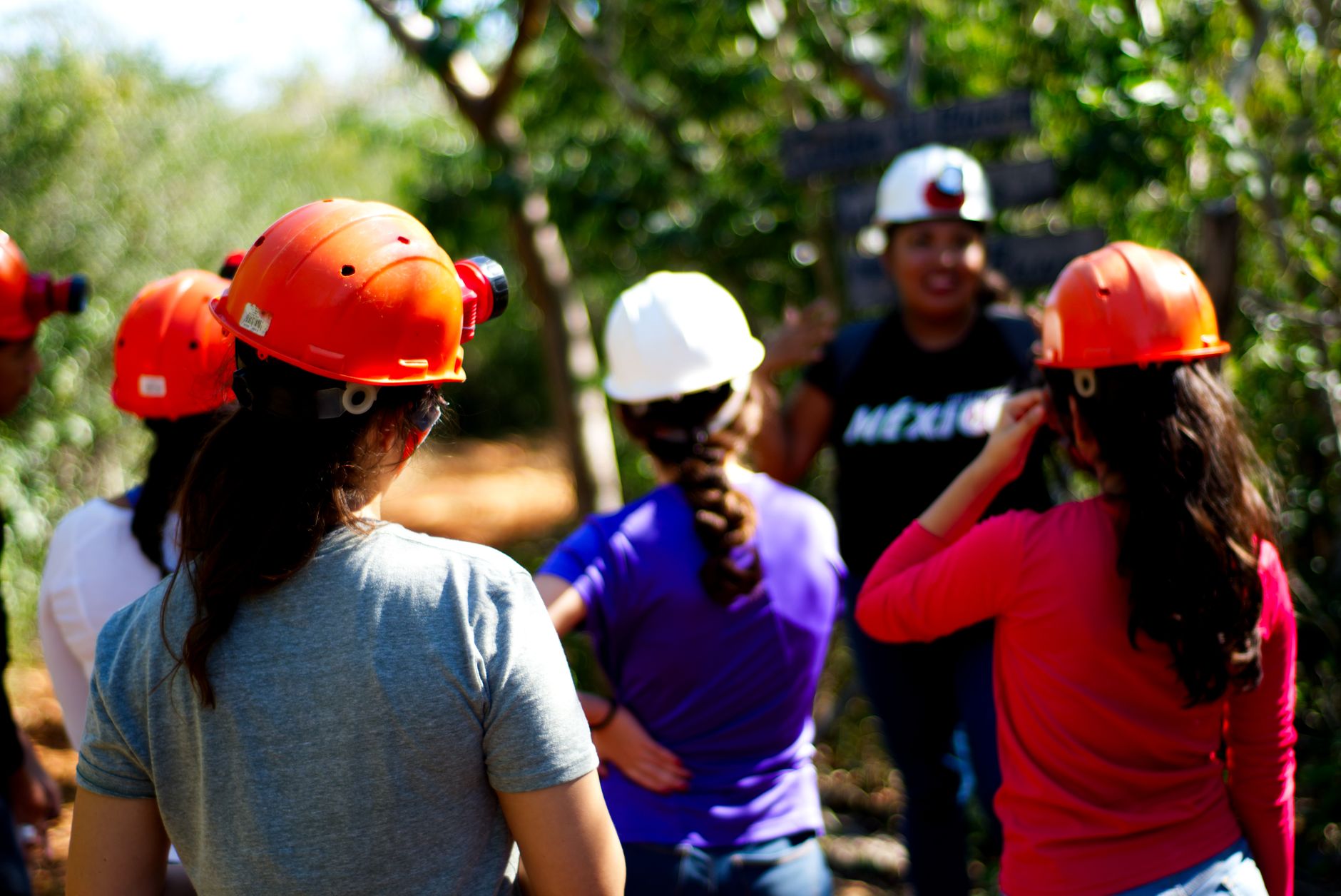
Uncharted Learning: Epic Educational Adventures You Haven't Heard Of (Yet!)
I used to think "educational trip" meant dusty museums, droning lectures, and maybe a souvenir pencil. My idea of adventure, on the other hand, involved adrenaline-pumping activities with little thought beyond the next selfie. Then, one sweltering summer, I found myself not in a classroom, but knee-deep in a remote Costa Rican cloud forest, tracking elusive quetzals with a local biologist named Mateo. My 'textbook' was the living, breathing jungle, and my 'professor' was a man who spoke the language of the forest, teaching me not just ornithology, but the delicate balance of an entire ecosystem.
That trip wasn't just a vacation; it was a revelation. It proved that learning doesn't have to be confined to four walls, and adventure doesn't have to be mindless. It showed me a different kind of travel – one where curiosity is your compass, and every experience is a lesson. These aren't your typical package tours or even the well-trodden paths of popular voluntourism. We're talking about educational trips that feel like adventures before they become mainstream; journeys so unique, so immersive, you'll feel like an intrepid explorer discovering them for the first time.
Are you ready to trade the predictable for the profound? To truly connect with a place, its people, and its natural wonders, all while gaining incredible knowledge and skills? Good. Because your next transformative journey is waiting, just beyond the horizon of the ordinary.
1. The Call of the Wild: Hands-On Conservation & Scientific Expeditions
Forget watching nature documentaries; imagine becoming part of one. These trips plunge you into the heart of vital conservation efforts or groundbreaking scientific research, giving you a front-row seat (or a working role!) in understanding our planet.
Marine Marvels: Coral Restoration in Raja Ampat, Indonesia
Picture this: waking up to the sound of gentle waves, then spending your day diving into sapphire waters, meticulously replanting coral fragments onto a struggling reef. Raja Ampat, often dubbed the "Amazon of the Seas," is a biodiversity hotspot facing threats, and organizations there are working tirelessly to protect it. I once spent two weeks with a small, local NGO in a remote part of Raja Ampat, living in a rustic bungalow on stilts. My days were a blend of morning dives to monitor existing reefs, afternoon sessions in a makeshift 'coral nursery,' and evenings spent learning about marine biology from passionate conservationists.
- The Experience: You'll learn about coral propagation, marine species identification, and the complex ecology of coral reefs. It's physically demanding but incredibly rewarding. You're not just observing; you're actively contributing to the health of the ocean. The underwater photography opportunities are, as you can imagine, out of this world – truly Instagram-worthy moments that tell a story.
- Cost & Details: These are often volunteer programs, so expect to pay a program fee (ranging from $1,500 - $4,000+ for 2-4 weeks, often including basic accommodation, food, and expert guidance, but excluding international flights). Look for reputable NGOs like The Coral Guardian or smaller, local initiatives often partnered with dive centers.
- Tripsora Tip: Pack reef-safe sunscreen, a good underwater camera, and be prepared for basic living conditions. The remote beauty is part of the adventure!
Wildlife Tracking & Research in Namibia's Deserts
If big cats and vast, arid landscapes call to you, consider a wildlife tracking expedition in Namibia. Beyond the popular safaris, there are opportunities to join research teams monitoring cheetahs, leopards, and even desert-adapted elephants. I once spent a week with a conservancy project near the Brandberg Mountain, learning to read tracks, set camera traps, and identify individual animals by their unique markings. It wasn't about seeing the animals from a distance; it was about understanding their lives, their movements, and their challenges.
- The Experience: You'll gain practical skills in field research, GPS navigation, and animal behavior. It's exhilarating to follow tracks for hours, knowing you're contributing to vital data that informs conservation strategies. The nights under the Milky Way are simply unforgettable.
- Cost & Details: These are often small-group, guided expeditions or volunteer placements with organizations like the Cheetah Conservation Fund or specific conservancies. Expect costs from $2,000 - $5,000+ for 1-2 weeks, including expert guides, accommodation (often rustic camps), and meals.
- Tripsora Tip: Bring sturdy hiking boots, binoculars, and a good zoom lens for your camera. Patience is key – wildlife research isn't always instant gratification, but the moments of discovery are priceless.
2. Digging Up History: Archaeological & Anthropological Journeys
Why read about ancient civilizations when you can help uncover them? These trips offer a rare chance to get your hands dirty at archaeological sites or immerse yourself deeply in living cultures, gaining insights far beyond any textbook.
Unearthing Ancient Secrets: Archaeological Digs in Jordan
Forget the Indiana Jones movies; real archaeology is meticulous, rewarding work. I once joined a field school near the ancient city of Petra, Jordan, not just visiting the rose-red city, but working alongside archaeologists. For three weeks, my days were spent carefully brushing away millennia of sand, sifting dirt, and meticulously documenting pottery fragments. The thrill of finding something – even a small, unremarkable shard – that hadn't seen the light of day for thousands of years, was electrifying.
- The Experience: You'll learn fundamental archaeological techniques: stratigraphy, artifact identification, mapping, and documentation. It's physically demanding, often under the sun, but the connection to history is profound. You're not just a tourist; you're a participant in uncovering the past.
- Cost & Details: Look for university-affiliated digs or programs offered by organizations like Earthwatch Institute. Programs typically last from one week to a month, costing anywhere from $1,000 - $5,000. This often covers field training, basic lodging, and meals.
- Tripsora Tip: Pack light, breathable clothing, a wide-brimmed hat, sturdy boots, and plenty of sunscreen. Be prepared for early mornings and dusty conditions.
Living History: Cultural Immersion with the Sámi in Arctic Norway
Instead of just observing a culture, imagine living within it. I had the privilege of spending a week with a Sámi reindeer herding family in northern Norway, far above the Arctic Circle. This wasn't a performance; it was an authentic glimpse into a traditional way of life. I learned about their deep connection to the land, their unique language (Joik), and even helped with daily tasks like preparing traditional meals and tending to the reindeer.
- The Experience: This is profound anthropological learning. You'll gain an understanding of indigenous cultures, sustainable living, and the challenges faced by traditional communities in the modern world. It's a humbling and enriching experience that redefines your perspective on human connection and resilience.
- Cost & Details: These are often small-scale, community-led initiatives, sometimes found through specialized ethical travel agencies. Costs can vary widely but expect to pay around $1,500 - $3,000+ for a week, often including accommodation (traditional lavvu tents or cabins), food, and guided activities.
- Tripsora Tip: Research ethical guidelines for interacting with indigenous communities. Always seek permission before photographing. Pack warm layers, even in summer, and an open mind.
3. Starry Nights & Cosmic Insights: Astronomy & Accessible Science
Gaze not just at the stars, but through them. These adventures combine breathtaking natural phenomena with scientific understanding, turning the night sky into your personal classroom.
Stargazing & Astrophotography in Chile's Atacama Desert
Forget city lights; imagine lying under a canvas of a billion stars, so bright you feel like you could reach out and touch them. The Atacama Desert in Chile is one of the driest places on Earth, making it a prime location for celestial observation, home to some of the world's most powerful telescopes. I spent a long weekend there, not just gawking, but participating in workshops that taught me basic celestial navigation and even how to capture stunning astrophotography with my own camera.
- The Experience: You'll learn about constellations, galaxies, nebulae, and the science behind our universe from expert astronomers. Many programs offer access to powerful telescopes and guidance on capturing the night sky. It's a truly humbling and awe-inspiring experience that puts everything into perspective.
- Cost & Details: Multi-day tours and workshops often include expert guides, powerful telescopes, and sometimes astrophotography lessons. Prices for multi-day tours can range from $500 - $2,000, depending on duration and inclusions. Look for operators based in San Pedro de Atacama.
- Tripsora Tip: Bring a tripod and a camera with manual settings if you're interested in astrophotography. Dress warmly, as desert nights can be surprisingly cold.
Volcanology Expeditions: Hiking Active Volcanoes in Iceland or Sicily
For those who prefer their science a little more fiery, consider an expedition to an active volcanic region. Places like Iceland or Sicily's Mount Etna offer incredible opportunities to learn about geology, plate tectonics, and the raw power of our planet. My trip to Iceland included a guided hike across a newly formed lava field, with a volcanologist explaining the different rock formations and the immense forces that shaped the landscape.
- The Experience: You'll gain a deeper understanding of geological processes, volcanic activity, and earth sciences. Guided tours prioritize safety while offering incredible insights into these dynamic environments.
- Cost & Details: Guided multi-day tours focused on volcanology can range from $1,000 - $3,000+, often including specialized guides, safety equipment, and accommodation.
- Tripsora Tip: Wear sturdy hiking boots, bring waterproof and windproof layers, and carry plenty of water. Always follow your guide's instructions for safety.
4. The Art of Living: Craft, Cuisine & Language Immersion
Learning isn't just about facts; it's about skills and understanding culture through daily life. These trips dive into the heart of a culture's artistic, culinary, or linguistic traditions.
Mastering Ancient Arts: Traditional Pottery in Japan
Imagine yourself in a small, traditional workshop in rural Japan, learning the ancient art of pottery from a master artisan. This isn't a quick souvenir stop; it's a deep dive into Japanese aesthetics, discipline, and the philosophy behind craftsmanship. I once spent a week in Mashiko, a renowned pottery town, where I learned the basics of throwing clay, glazing, and even the intricate tea ceremony associated with specific pottery styles.
- The Experience: You'll acquire a new skill while gaining profound cultural insights. It's meditative, challenging, and incredibly rewarding to create something with your own hands, guided by generations of tradition.
- Cost & Details: Look for small, independent workshops or craft schools. Week-long courses can range from $800 - $2,500, often including materials and sometimes accommodation in traditional guesthouses.
- Tripsora Tip: Be patient and open to learning from a different cultural perspective. Embrace the quiet dedication required for these traditional arts.
Culinary Anthropology: Farm-to-Table Experiences in Rural Italy
Food is more than sustenance; it's history, culture, and community. A culinary anthropology trip takes you beyond cooking classes, immersing you in the entire food ecosystem. I once joined a small group in Tuscany, not just learning to make pasta, but visiting local farms, harvesting ingredients, learning about regional agricultural practices, and understanding the slow-food movement directly from producers.
- The Experience: You'll learn traditional cooking techniques, understand the importance of seasonal ingredients, and gain insight into the socio-economic impact of food production. It's a delicious way to connect with a culture.
- Cost & Details: These specialized culinary tours often last 3-7 days, costing $1,500 - $4,000+, including accommodation (often in agriturismos), all meals, cooking lessons, and excursions.
- Tripsora Tip: Bring comfortable shoes for farm visits, an appetite, and a notebook to jot down recipes and cultural insights.
5. Practicalities & Planning Your Off-Grid Learning Adventure
Ready to embark on your own unique educational adventure? Here’s how to turn that dream into a booking.
How to Find These Hidden Gems:
* Specialized Tour Operators: Look beyond mainstream travel agencies. Companies like Earthwatch Institute, National Geographic Expeditions (for specific research trips), and smaller, niche adventure travel companies often partner with scientific or cultural projects.
* University & Research Programs: Many universities offer field schools, summer programs, or citizen science initiatives open to non-students. Check the websites of anthropology, archaeology, biology, or environmental science departments.
* Conservation NGOs: Directly contact local conservation organizations in your area of interest. Many rely on volunteers and offer structured programs.
* Cultural Exchange Programs: For craft or language immersion, look for cultural centers, specific artisan guilds, or language schools that offer extended, immersive experiences rather than just basic lessons.
Budgeting for the Unconventional:
These trips aren't always cheap, but they offer immense value.
* Program Fees: Many educational trips, especially volunteer or research-based ones, require a program fee. This usually covers accommodation, food, expert guidance, and logistical support. Factor this in carefully.
* Flights & Visas: Don't forget international airfare, domestic transfers, and any necessary visas.
* Insurance: Comprehensive travel insurance, including medical evacuation, is crucial for off-the-beaten-path adventures.
* Personal Spending: While many programs are all-inclusive, budget for souvenirs, personal treats, and any extra excursions.
* Fundraising: Some organizations offer fundraising support or scholarships for their programs.
Solo vs. Group Travel:
Many of these experiences are designed for small groups, fostering camaraderie and shared learning. However, some cultural immersion or craft apprenticeships can be arranged for solo travelers, offering a more intense personal experience. Weigh your preferences for independence versus built-in companionship.
Packing Essentials (Beyond the Obvious):
* Research Specifics: Your packing list will vary wildly depending on the environment (desert, jungle, arctic). Research thoroughly.
* Layering: Always pack layers. Weather can change quickly, especially in remote areas.
* Sturdy Gear: Good quality hiking boots, waterproof outerwear, and a reliable daypack are often essential.
* Tech: Portable power banks, appropriate adapters, and a good camera (with protective gear) are key.
* First-Aid Kit: A comprehensive personal first-aid kit is non-negotiable.
* Ethical Travel Kit: Reusable water bottle, tote bag, reef-safe sunscreen, and biodegradable toiletries.
Ethical Considerations & Responsible Tourism:
* Support Local: Choose organizations that genuinely benefit local communities, employ local staff, and respect cultural norms.
* Environmental Impact: Opt for sustainable practices. Minimize your waste, respect wildlife, and leave no trace.
* Cultural Sensitivity: Learn a few phrases of the local language, dress respectfully, and be open to different customs. Ask before taking photos.
The Journey of Transformation
These educational adventures are more than just trips; they are investments in yourself and the world. They’re about connecting, learning, and growing in ways a traditional classroom never could. You'll return home not just with photos and souvenirs, but with new skills, a deeper understanding of our planet, and stories that will captivate everyone who listens. You'll be transformed, armed with knowledge and experiences that few others possess.
So, are you ready to trade the familiar for the phenomenal? To dive deep into a subject, a culture, or a landscape, and emerge transformed? The world is vast, and its lessons are endless. Stop waiting for these incredible experiences to become mainstream; be the one who discovers them first.
---