The Whisper of Pines and the Symphony of Serenity
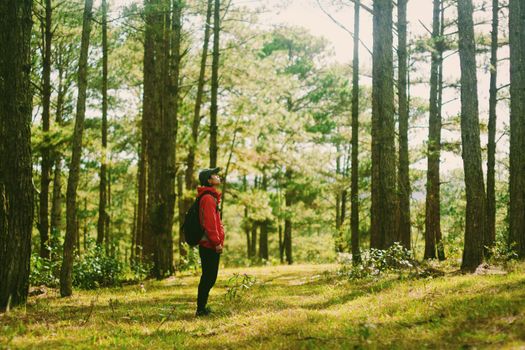
I stepped off the tiny regional train, the crisp mountain air hitting my lungs like a long-lost friend. It wasn't just air; it was an infusion. The scent of damp earth, sun-warmed pine needles, and something faintly floral, like wild thyme crushed underfoot. The rhythmic hush of leaves overhead, punctuated by the cheerful chatter of unseen birds, was a balm to my city-jangled nerves. This wasn't just a walk; this was an immersion. This is the magic of forest bathing, and today, I'm taking you to the trails where science meets soul, the ones the experts swear by.
For too long, we’ve equated wellness with sterile environments and expensive treatments. But the truth, as backed by rigorous scientific research, is far simpler and infinitely more accessible: nature is our most potent apothecary. Forest bathing, or shinrin-yoku as it’s known in Japan, isn't just a trendy buzzword; it's a therapeutic practice with tangible, measurable benefits for our physical and mental health. And I’ve scoured the globe to bring you the definitive list of trails where this ancient wisdom is best experienced, curated by those who understand its power intimately.
Decoding the Science: Why Forests Heal
Before we lace up our boots, let’s get grounded in the why. It’s not just the fresh air; it’s a complex interplay of natural elements that trigger profound physiological changes.
- Phytoncides: Nature's Immune Boosters. These are airborne compounds released by trees, particularly conifers. Studies have shown that inhaling phytoncides can increase the number and activity of our natural killer (NK) cells – a type of white blood cell crucial for fighting off infections and even cancer. Think of it as your immune system getting a natural, organic tune-up.
- Reduced Cortisol Levels: The Stress Melter. The data is unequivocal: spending time in forest environments significantly lowers levels of cortisol, the body’s primary stress hormone. Lower cortisol means less anxiety, better sleep, and a calmer disposition. I’ve personally experienced this immediate shift; the knot in my stomach simply dissolves as I walk deeper into the trees.
- Improved Mood and Cognitive Function: Research consistently links forest bathing to reduced symptoms of depression and anxiety, as well as enhanced concentration, creativity, and problem-solving abilities. It’s like a mental reset button, clearing the fog and sharpening your focus.
- Lowered Blood Pressure and Heart Rate: The gentle, calming environment of a forest naturally encourages relaxation, leading to measurable decreases in blood pressure and heart rate. It’s a gentle, organic way to support cardiovascular health.
Expert Picks: The Trails That Deliver True Shinrin-Yoku
These aren't just pretty paths; these are carefully selected locations where the forest’s therapeutic properties are amplified. They’ve been recommended by leading forest therapy practitioners, environmental psychologists, and wellness gurus who understand the nuances of deep nature immersion.
1. The Yakushima Island Forests, Japan: Ancient Wisdom, Living Proof
For the ultimate pilgrimage, Yakushima is unparalleled. This UNESCO World Heritage site boasts ancient cedar trees (yakusugi) that are thousands of years old. Walking here feels like stepping back in time, into a realm where nature reigns supreme.
- Why it’s expert-recommended: The sheer age and majesty of the trees create an awe-inspiring atmosphere that amplifies the psychological benefits of forest bathing. The high concentration of ancient cedars means a potent dose of phytoncides.
- My Experience: I’ll never forget the feeling of standing beneath Jomon Sugi, the oldest tree on the island, estimated to be between 2,170 and 7,200 years old. The silence was profound, broken only by the drip of moisture from moss-laden branches. It was humbling, grounding, and utterly restorative.
- Pro-Tip: Hire a local guide. They understand the subtle energies of the forest and can point out hidden moss gardens and ancient spirits (or so the legends say!). The Shiratani Unsuikyo Ravine is particularly magical, often cited as an inspiration for Studio Ghibli’s Princess Mononoke.
- Quick Facts:
- Estimated Cost ($): $50-$150 per day (guides, transport, entrance fees).
- Best Time to Visit: Spring (April-May) for pleasant weather and lush greenery, or Autumn (October-November) for vibrant fall colors. Avoid Golden Week (early May) and Obon (mid-August) for fewer crowds.
- How to Get There: Fly to Kagoshima Airport (KOJ) on Kyushu island, then take a ferry or a short flight to Yakushima Airport (KUM).
2. The Redwood National and State Parks, USA: Giants of Tranquility
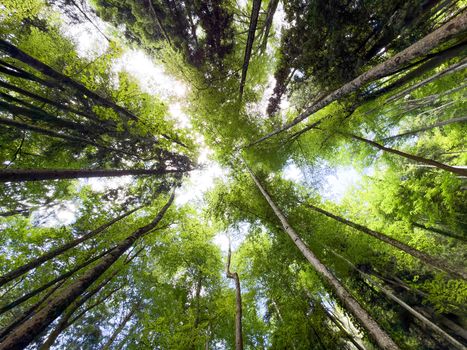
Imagine walking amongst titans, trees so tall they seem to kiss the sky. The California Redwoods are not just trees; they are natural cathedrals, and their presence is profoundly calming.
- Why it’s expert-recommended: The sheer scale of the redwoods creates an immediate sense of perspective and insignificance, which can be incredibly liberating. The dense canopy filters sunlight, creating a dappled, ethereal light that enhances the meditative experience.
- My Experience: Wandering the Lady Bird Johnson Grove trail felt like being in a sacred space. The air was cool and moist, smelling of rich, dark soil and the faint, sweet scent of redwood bark. The silence was so deep, you could almost hear your own heartbeat.
- Pro-Tip: For an even more profound experience, visit early in the morning. The mist often hangs low, creating an otherworldly atmosphere, and you'll have the trails largely to yourself. The Stout Grove offers incredible photo opportunities with its dramatic light shafts.
- Quick Facts:
- Estimated Cost ($): $0 (park entrance is free, but some specific areas may have day-use fees). Accommodation and food will vary.
- Best Time to Visit: Summer (June-August) for dry weather, though spring and fall offer fewer crowds and beautiful misty mornings.
- How to Get There: Fly into Eureka/Arcata Airport (ACV) or San Francisco International Airport (SFO) and drive north (approx. 4-5 hours from SFO).
3. The Black Forest, Germany: Mystical Woods and Medicinal Herbs
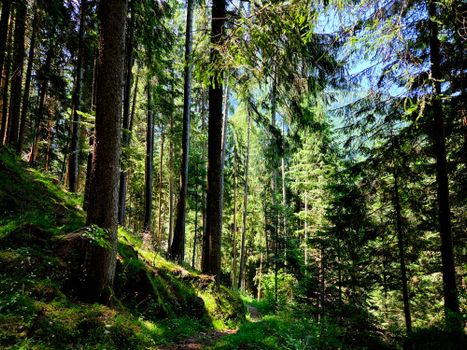
Germany’s Black Forest is legendary, not just for its cuckoo clocks and cakes, but for its dense, ancient woodlands that have inspired folklore and healing practices for centuries.
- Why it’s expert-recommended: The combination of diverse tree species (pine, fir, beech) creates a rich aromatic profile. Many areas are managed with sustainability and biodiversity in mind, ensuring a pristine natural environment. Local wellness retreats often incorporate forest bathing into their programs.
- My Experience: I spent a week in a small village near Titisee. My daily walks were along trails carpeted with pine needles, the air thick with the invigorating scent of fir resin. I’d often pause by a babbling brook, listening to its music, and feel the tension drain from my shoulders. The local herbal teas, made from forest-foraged ingredients, were the perfect accompaniment.
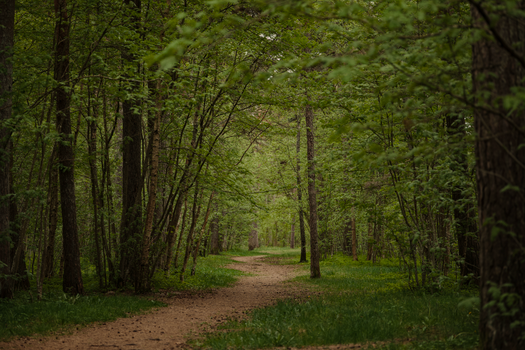
- Pro-Tip: Look for trails marked as "Kurweg" (health paths) or "Naturlehrpfad" (nature trails). These are often specifically designed for mindful walking and appreciating the natural environment. The Lotharpfad trail, a path through an area devastated by a storm and now regenerating, offers a powerful lesson in nature’s resilience.
- Quick Facts:
- Estimated Cost ($): $40-$100 per day (depending on accommodation, food, and activities). Many trails are free.
- Best Time to Visit: Spring (April-May) for wildflowers, Summer (June-August) for warm days, or Autumn (September-October) for stunning foliage. Winter can be magical with snow, but trails may be less accessible.
- How to Get There: Fly into Baden Airpark (FKB) or Stuttgart Airport (STR), then take a train or car.
4. The Arashiyama Bamboo Grove, Japan: An Otherworldly Sanctuary
While technically a grove rather than a vast forest, the Arashiyama Bamboo Grove offers an intensely sensory forest bathing experience that is both unique and profoundly effective.
- Why it’s expert-recommended: The sheer density and height of the bamboo stalks create a unique acoustic and visual environment. The rustling of the bamboo in the wind is incredibly soothing, and the dappled light filtering through the stalks is mesmerizing.
- My Experience: Walking through Arashiyama is like entering another dimension. The towering stalks create a natural tunnel, the light a soft, verdant glow. The wind whispers through the bamboo, a gentle symphony that silences the mental chatter. It’s a place that demands you slow down and simply be.
- Pro-Tip: Visit at sunrise or sunset. The crowds can be overwhelming during peak hours. The soft, diffused light during these times is perfect for photography and for a more intimate connection with the grove. Consider renting a bicycle to explore the surrounding Togetsukyo Bridge and Tenryu-ji Temple.
- Quick Facts:
- Estimated Cost ($): $10-$30 per day (transport, local snacks). The grove itself is free.
- Best Time to Visit: Early morning or late afternoon to avoid crowds. Spring and Autumn offer pleasant weather.
- How to Get There: Take a train to Saga-Arashiyama Station from Kyoto Station. It’s a short walk from the station.
5. The Hoh Rainforest, Olympic National Park, USA: Emerald Immersion
This is temperate rainforest at its finest – a world draped in moss, where ancient trees stand sentinel and the air is thick with the scent of life.
- Why it’s expert-recommended: The sheer abundance of mosses and ferns creates an incredibly lush and verdant environment. The damp, cool air is rich with the earthy aromas of decay and renewal, a potent olfactory experience.
- My Experience: The Hall of Mosses trail is aptly named. It felt like walking through a fairy tale, with massive Sitka spruce and Western hemlock trees dripping with vibrant green mosses. The silence was broken only by the distant call of a bird and the soft crunch of my boots on the forest floor. I felt a deep sense of peace, a connection to something ancient and enduring.
- Pro-Tip: Wear waterproof layers, as this is a rainforest! The best time for that ethereal misty look is usually in the morning or after a rain shower. The Spruce Nature Trail offers a slightly different perspective, with more open views of the Hoh River.
- Quick Facts:
- Estimated Cost ($): $30 (Olympic National Park entrance fee, valid for 7 days). Accommodation and food will vary.
- Best Time to Visit: Summer (July-September) for the driest weather. Spring and Fall offer lushness but expect rain.
- How to Get There: Fly into Seattle-Tacoma International Airport (SEA) and drive to Olympic National Park (approx. 3.5-4 hours). The Hoh Rainforest is on the western side of the park.
Your Forest Bathing Toolkit: Beyond the Trail
While the trail is the stage, your approach is the performance. Here’s how to maximize your shinrin-yoku experience:
- Slow Down. Way Down. This isn't a hike for speed. Amble. Stop. Sit. Notice the tiny details.
- Engage Your Senses. Actively smell the pine, feel the bark, listen to the birds, taste the clean air.
- Be Present. Put away your phone (unless it's for photos!). Let go of your to-do list. Just be here, now.
- Connect with the Trees. Place your hand on a tree trunk. Feel its energy. Imagine its roots anchoring it to the earth.
- Breathe Deeply. Inhale the forest air, exhale your worries.
The Budget & Logistics: Making it Happen
Forest bathing doesn't need to break the bank. Many of the most profound experiences are found on free public trails. The costs below are estimations and can vary wildly based on your travel style.
| Location | Estimated Daily Cost ($) | Best Time to Visit | How to Get There |
| :------------------------------------- | :----------------------- | :---------------------------------------------------- | :--------------------------------------------------------------------------------------------------------------------- |
| Yakushima Island, Japan | $50 - $150 | Spring (Apr-May), Autumn (Oct-Nov) | Fly to Kagoshima (KOJ), then ferry or flight to Yakushima (KUM) |
| Redwood National & State Parks, USA | $0 - $50 | Summer (Jun-Aug), Spring/Fall for mist | Fly to ACV or SFO, then drive north |
| Black Forest, Germany | $40 - $100 | Spring (Apr-May), Summer (Jun-Aug), Autumn (Sep-Oct) | Fly to FKB or STR, then train/car |
| Arashiyama Bamboo Grove, Japan | $10 - $30 | Early morning/late afternoon, Spring/Autumn | Train to Saga-Arashiyama from Kyoto |
| Hoh Rainforest, Olympic NP, USA | $30 (park fee) | Summer (Jul-Sep), Spring/Fall for lushness | Fly to SEA, then drive to Olympic NP |
Insider Tip:
Many national parks offer annual passes that can save you money if you plan to visit multiple parks within a year. Look into local forest therapy guides; they often offer affordable group sessions that provide a structured and deeply enriching experience.
Your Invitation to Reconnect
The world is a stressful, demanding place. But just a few hours spent mindfully immersed in a forest can recalibrate your entire being. These trails are not just destinations; they are invitations. Invitations to slow down, to breathe, to heal, and to remember our deep, inherent connection to the natural world.
So, which scientifically proven, expert-recommended forest bathing trail will you explore first? The whisper of the pines awaits.