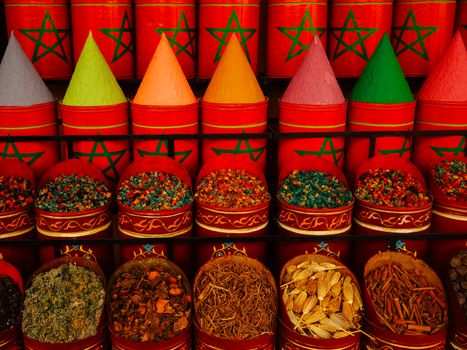
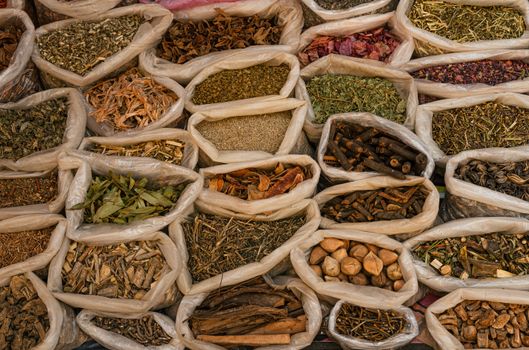
Spices have shaped global trade for centuries, and many of the plants that produce them still grow on small family farms and plantations in tropical regions. Visiting a spice plantation offers a close look at how pepper vines are trained, how vanilla orchids are pollinated by hand and how cinnamon bark is harvested and dried. Tours vary from short walks with tastings to full-day experiences that include cooking. This guide explains what to expect and how to choose a visit that is informative and respectful.
Common growing regions and crops
Many spices are associated with specific regions because of climate, altitude and soil. Pepper, cardamom, cinnamon, clove and nutmeg are grown in parts of South and Southeast Asia, and islands in the Indian Ocean and Caribbean are known for certain spices. Vanilla is grown in several tropical regions, and hand pollination is a labor-intensive part of its production. Farms often combine several crops, so a visit may include more than one spice. Research which crops are typical for the area you plan to visit, since that will shape what you see and taste.
How spices are harvested and processed
Harvest methods depend on the spice. Pepper berries are picked when they reach the right stage, then dried or processed in different ways depending on the style being produced. Vanilla pods are cured over a long period through cycles of heating, sweating and drying. Cinnamon is harvested from the bark of certain trees, and cardamom pods are picked and dried carefully to preserve aroma. Guides often show drying racks, sorting areas and grinding equipment, which helps explain why spices vary in flavor between batches and origins. Watching these stages can make the spice rack at home feel very different.
Choosing a tour and visiting respectfully
Look for tours that explain the crop, farming methods and processing stages in clear terms. Check whether tastings, cooking demonstrations or meals are included, and how long the visit takes. Ask whether the farm works with local cooperatives or community programs, and whether visitors contribute to the local economy through direct purchases. Spice farms are working agricultural sites, so follow your guide and avoid entering drying areas or fields without permission. Ask before photographing workers, and be mindful of the time they spend on tours. Dress appropriately, particularly if the farm is linked to a village or religious site.
A decision framework for picking a plantation
Begin with your goal. If you want to understand growing and processing, choose a tour with a knowledgeable farmer or guide and time to ask questions. If you want to taste and compare, look for a visit that includes structured tastings of several spices or preparations. If you are interested in cooking, a class that uses farm-grown ingredients may suit you best. Next, consider the season, since harvest and processing activities change through the year, and some crops may not be visible at certain times. Finally, consider access. Many plantations involve uneven paths, outdoor heat and long walks, so a farm that matches your fitness and comfort level will be more enjoyable.
Common mistakes to avoid
A frequent mistake is expecting every farm to look the same. Plantations vary widely in scale, crop mix and visitor facilities, so comparing them directly can be unhelpful. Another error is visiting in the hottest part of the day without water or sun protection. Visitors also sometimes wear open shoes, which is risky on wet or muddy paths. Some travelers photograph people or drying areas without asking, which can be uncomfortable for workers. Finally, many visitors buy spices without checking import rules, leading to problems at borders.
What to check before booking
Before you book, confirm the language the guide speaks and whether translation is available. Ask what the tour includes, such as tastings, meals or transport from town, and whether there is a minimum group size. Check the expected duration and whether the route involves steep or uneven ground. Ask about the season, since activities and visible stages change over the year. Find out whether the farm accepts card payments or only cash, and whether purchases go directly to growers or cooperatives. Review customs rules for both your departure and destination countries, as regulations for carrying food products differ and some items may need to be declared or may be restricted.
Who a spice plantation visit suits, and who it may not
Spice plantation visits can suit food lovers, home cooks, students of agriculture or anthropology and travelers who enjoy learning through touch and smell. They often work well for families with older children and for small groups looking for an active, educational outing. On the other hand, a plantation visit may not suit travelers who want a quick, air-conditioned stop, or those who have difficulty walking on uneven ground in heat. People with allergies should ask about exposure to pollen, dust and strong aromas in the processing areas.
Frequently asked questions
Are spice farm tours worth the time?
For many visitors, yes, especially those who want to understand where flavors come from. Tours vary, so checking what is included helps set expectations.
Can I buy spices directly from the farm?
Often, yes. Buying directly can support producers, but compare quality and check packaging and labeling before purchasing.
How should I store spices after the trip?
Keep them in airtight containers, away from heat, light and moisture, to help preserve aroma and flavor.
Spice plantation visits can deepen your appreciation for the ingredients in everyday cooking while connecting you to the farms and communities that grow them. Choosing a responsible tour, learning about each crop and respecting the working nature of the farm will help make the visit rewarding for everyone involved.