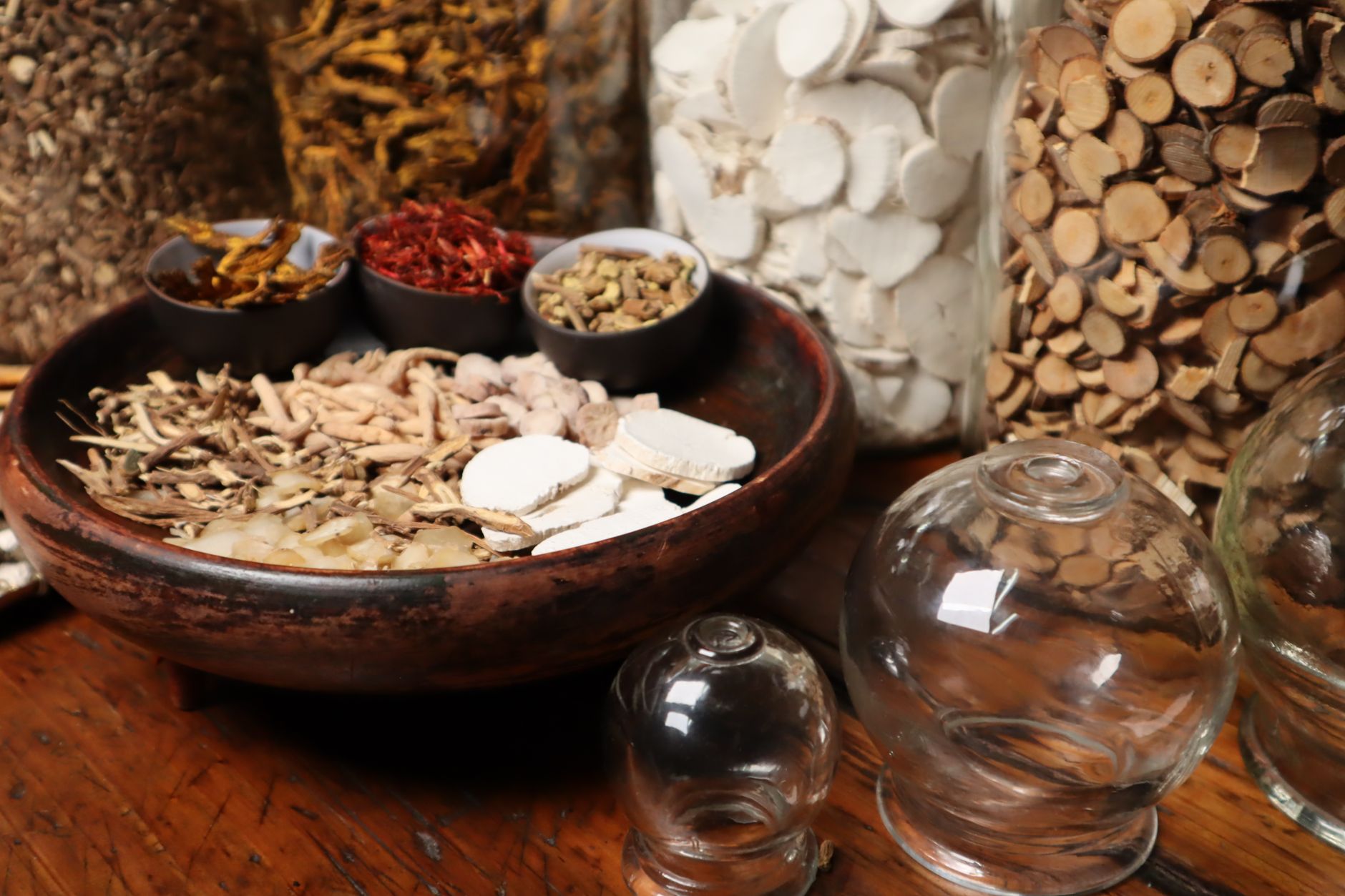
The Scent of Mugwort and Dried Ginseng
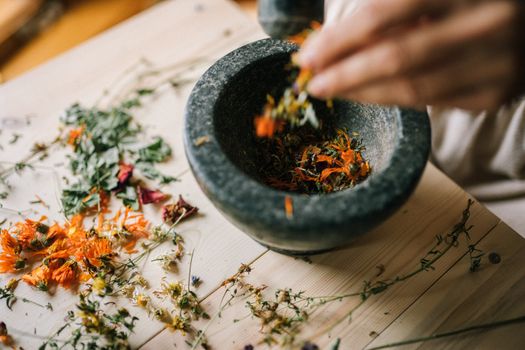
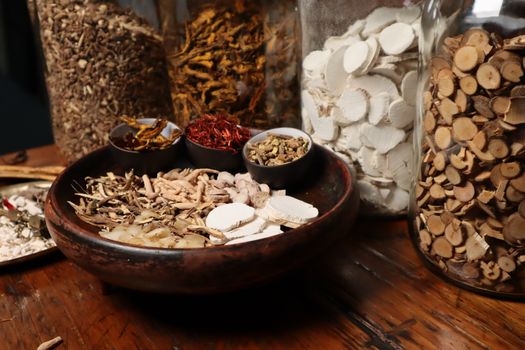
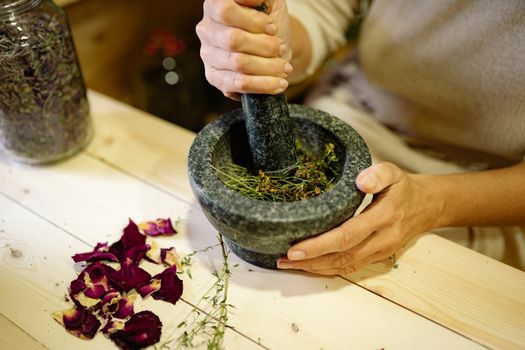
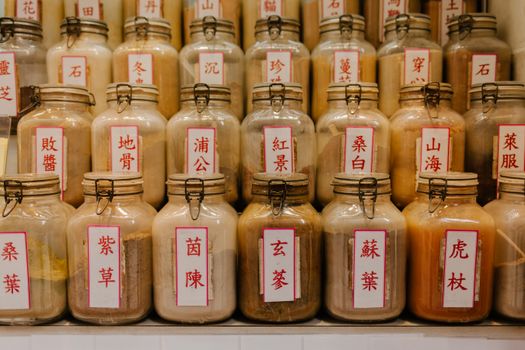
I stepped through the carved timber doorways of a apothecary off Seoul’s Dongdaemun district, and the ambient sensory shock immediately hit me: the deep, earthy bitterness of aged Panax ginseng, the prickle of burning moxa (Artemisia vulgaris) hanging in the warm air, and the methodical thump-thump of a brass mortar pulverizing dried licorice root.
This was not a museum exhibit or a boutique spa for luxury wellness tourists. This was a neighborhood medical center packed with local office workers on lunch breaks, mothers holding toddler prescriptions, and seniors receiving state-subsidized acupuncture.
According to WHO global reports, up to 80% of the population in certain developing and developed nations relies on traditional medicine for primary health needs. In these countries, herbal formulations, bone-setting, pulse diagnosis, and thermal therapies are fully integrated into mainstream healthcare systems, backed by national insurance, research universities, and rigorous legislation.
If you are looking to experience authentic, scientifically recognized traditional medicine on your travels, here are the top countries where ancient healing remains mainstream care.
---
1. South Korea: The Modern World of Insurance-Backed Hanbang
Recent survey data from South Korea's Ministry of Health and Welfare shows that over 85% of Korean adults have utilized Hanbang (traditional Korean medicine) therapies, with national health insurance covering everything from clinical consultations to cupping (Buhang) and acupuncture (Chim).
```
[Mainstream Integration Index]
South Korea: ██████████ 85%+ Population Usage
Hospital Access: Fully Integrated (NHIS Covered)
Key Modality: Hanbang / Acupuncture / Moxibustion
```
In urban centers like Seoul, Hanbang operates in tandem with modern biomedicine. Doctors cross-refer patients: a broken ankle might be set using digital X-rays in one wing, while the swelling and pain management are handled via customized herbal decoctions (Hanyak) in the next.
```
[Western Medical Wing] ──┐
├─► Integrated Hospital System
[Hanbang Pharmacy Wing] ──┘
```
Where to Experience It
* Yangnyeongsi Herbal Medicine Market (Seoul): Spanning hundreds of specialized stalls and modern clinics.
* Pro-Tip: Take Seoul Subway Line 1 to Jegi-dong Station (Exit 2). Walk directly into the market before 9:00 AM to watch merchants process raw roots using traditional guillotine cutters (Yat-dool). Head inside the Seoul K-Medicity Center for an English-guided pulse diagnosis and personalized herbal footbath ($10 USD).
---
2. India: The AYUSH Powerhouse of Ayurveda and Unani
In India, traditional systems are so central to public health that they are governed by a dedicated cabinet-level government body: the Ministry of AYUSH (Ayurveda, Yoga & Naturopathy, Unani, Siddha, and Homoeopathy). Government datasets indicate that over 70% of India's rural population relies on traditional medicine for primary care, supported by over 3,000 specialized AYUSH hospitals nationwide.
Rather than competing with modern medicine, Ayurvedic hospitals treat acute and chronic metabolic, musculoskeletal, and autoimmune conditions using formulations refined over millennia.
Key Botanical Ingredients You'll Encounter
* Ashwagandha (Withania somnifera): Adaptogen for cortisol regulation.
* Turmeric/Curcumin (Curcuma longa): Systemic anti-inflammatory.
* Guduchi (Tinospora cordifolia): Potent immunomodulator used in classical Kashayam (herbal broth) formulations.
Where to Experience It
* Kottakkal Arya Vaidya Sala (Kerala): Founded in 1902, this charitable institution represents the gold standard of clinical Ayurveda, operating research centers, hospitals, and manufacturing units.
* Pro-Tip: Book clinical consultations at least 4 to 6 months in advance for their Kozhikode or Kottakkal branches. Avoid commercial "Ayurvedic massage parlors" along beach strips; insist on institutions registered with the local state Ayurvedic Medical Education Department.
---
3. China: Traditional Chinese Medicine (TCM) in Modern Public Hospitals
Data from the National Health Commission of China reveals that TCM accounts for approximately 40% of all healthcare delivery in the country. Almost every major public general hospital in Tier-1 to Tier-3 cities features a dedicated TCM department operating alongside Western cardiology, oncology, and orthopedics.
TCM practitioners utilize precise diagnostic frameworks, including:
1. Mai Zhen (Pulse Diagnosis): Assessing 28 distinct pulse qualities across three positions on each wrist.
2. She Zhen (Tongue Diagnosis): Evaluating coating thickness, color, and sublingual vein topography to map internal organ patterns.
```
[Cun] ── Heart / Small Intestine
Pulse: [Guan] ── Liver / Gallbladder
[Chi] ── Kidney / Bladder
```
Where to Experience It
* Tong Ren Tang (Beijing): Established in 1669 to serve the royal court of the Qing Dynasty, this iconic pharmacy now operates as a high-tech multi-story diagnostic and dispensary hub.
* Pro-Tip: Visit the Tong Ren Tang flagship branch on Dashilan Street in Beijing. Head to the upper floors at 8:00 AM to secure an appointment ticket (Gua Hao) for senior TCM physicians. Watch the apothecaries balance brass scales with lightning speed as they assembly-line 12-ingredient herbal formulas.
---
4. Indonesia: The Daily Ritual of Jamu
In Indonesia, traditional medicine is an active, daily routine. National health surveys indicate that over 80% of Indonesians consume Jamu—a traditional botanical tonic system—to maintain vitality, boost immunity, and manage everyday ailments. In 2023, UNESCO officially inscribed Jamu wellness culture onto the Representative List of the Intangible Cultural Heritage of Humanity.
Unlike clinical systems that require a doctor's prescription, Jamu is distributed both through institutional health networks and mobile street vendors known as Mbok Jamu—women carrying woven bamboo baskets (Gendong) packed with glass bottles of freshly ground botanical concoctions.
```
[Fresh Rhizomes]
(Turmeric, Ginger, Galangal)
│
▼
[Pestle & Mortar Grinding]
│
▼
[Kunir Asam] ──► (Anti-inflammatory / Digest)
[Beras Kencur] ──► (Energy / Muscle Relief)
```
Key Preparations
* Kunir Asam: Fresh shredded turmeric (Curcuma longa), tamarind juice, and palm sugar; taken to reduce systemic inflammation and ease menstruation.
* Beras Kencur: A blend of aromatic ginger (Kaempferia galanga), raw rice powder, cardamom, and honey; taken for physical fatigue and respiratory health.
Where to Experience It
* Yogyakarta (Java): The cultural capital of Jamu production.
* Pro-Tip: Skip the processed, powdered Jamu sold in tourist shops. Head to Ngateron Market or Beringharjo Market in Yogyakarta around 6:30 AM. Look for elderly vendors preparing fresh extractions directly from raw rhizomes. Ask for "Jamu Pahit" if you want the high-potency, bitter digestive formula made from Andrographis paniculata (Sambiloto).
---
5. Bhutan: State-Funded Dual-Healthcare via Sowa Rigpa
Bhutan stands out as one of the few nations on Earth where Sowa Rigpa (the ancient Buddhist Science of Healing) is 100% integrated into the national public health system at zero cost to citizens. When a patient walks into a clinic in Bhutan, they are offered two doors: one leading to a Western-trained physician, and the other to a Drungtsho (traditional doctor).
```
[Patient Entry]
│
┌───────────────┴───────────────┐
▼ ▼
[Western Clinic] [Sowa Rigpa Clinic]
- Diagnostics - Pulse Diagnosis
- Surgery/Meds - Golden Needle / Herbal
```
Sowa Rigpa combines elements of Ayurvedic philosophy, traditional Chinese medicine, and indigenous Himalayan botanical knowledge. Treatments involve complex multi-ingredient mineral and herbal remedies, along with targeted physical therapies like Serkhang (golden needle therapy) and thermal baths (Menchu).
Where to Experience It
* National Institute of Traditional Medicine (Thimphu): Perched on a ridge overlooking the Thimphu Valley, this hub serves as a hospital, university, and pharmacological manufacturing center.
* Pro-Tip: Visitors can access the institute's museum and public dispensary gallery. To witness how high-altitude Himalayan botanicals (like Cordyceps sinensis) are cataloged and processed, arrive between 10:00 AM and 12:00 PM on weekdays.
---
Logistics & Quick Facts Comparison
| Destination | Target System | Primary Clinic Location | Average Consult Cost (USD) | Best Travel Season |
| :--- | :--- | :--- | :--- | :--- |
| South Korea | Hanbang | Yangnyeongsi Market, Seoul | $15 – $45 | Oct – Nov / Apr – May |
| India | Ayurveda | Arya Vaidya Sala, Kerala | $20 – $60 | Oct – Mar (Dry Season) |
| China | TCM | Tong Ren Tang / Guanganmen, Beijing | $10 – $35 | Sep – Nov |
| Indonesia | Jamu | Beringharjo Market, Yogyakarta | $1 – $5 (Street Tinctures) | May – Sep (Dry Season) |
| Bhutan | Sowa Rigpa | National Institute, Thimphu | Free (Public) / Tour Included | Mar – May / Sep – Nov |
---
Ethical Rules for the Conscious Travel Journalist
When exploring traditional medicine destinations around the world:
- Avoid Wildlife-Derived Ingredients: Request purely botanical or mineral-based prescriptions. Reject any formulations containing rhino horn, pangolin scales, tiger bone, or bear bile. Legitimate modern practitioners in China, Korea, and Vietnam easily substitute these with plant alternatives.
- Respect Sacred Protocols: In systems like Sowa Rigpa and Ayurveda, the preparation of medicine involves spiritual chants and precise timing matched to solar or lunar cycles. Maintain quiet observation in working dispensaries.
- Verify Clinical Credentials: Look for official state accreditations (e.g., AYUSH certification in India, licensed K-Doc status in South Korea, or state medical licenses in China).
---
Final Thoughts: The Future is Integrative
Traditional medicine isn't a relic of the past—it’s an active, evidence-based pillar of global healthcare. By visiting these regions and engaging with their traditional medical institutions, you step into living health ecosystems that have kept populations thriving for millennia.
Ready to plan your holistic itinerary? Check out our complete array of ethical destination guides on Tripsora, and subscribe to our newsletter for field updates straight from the road!
---