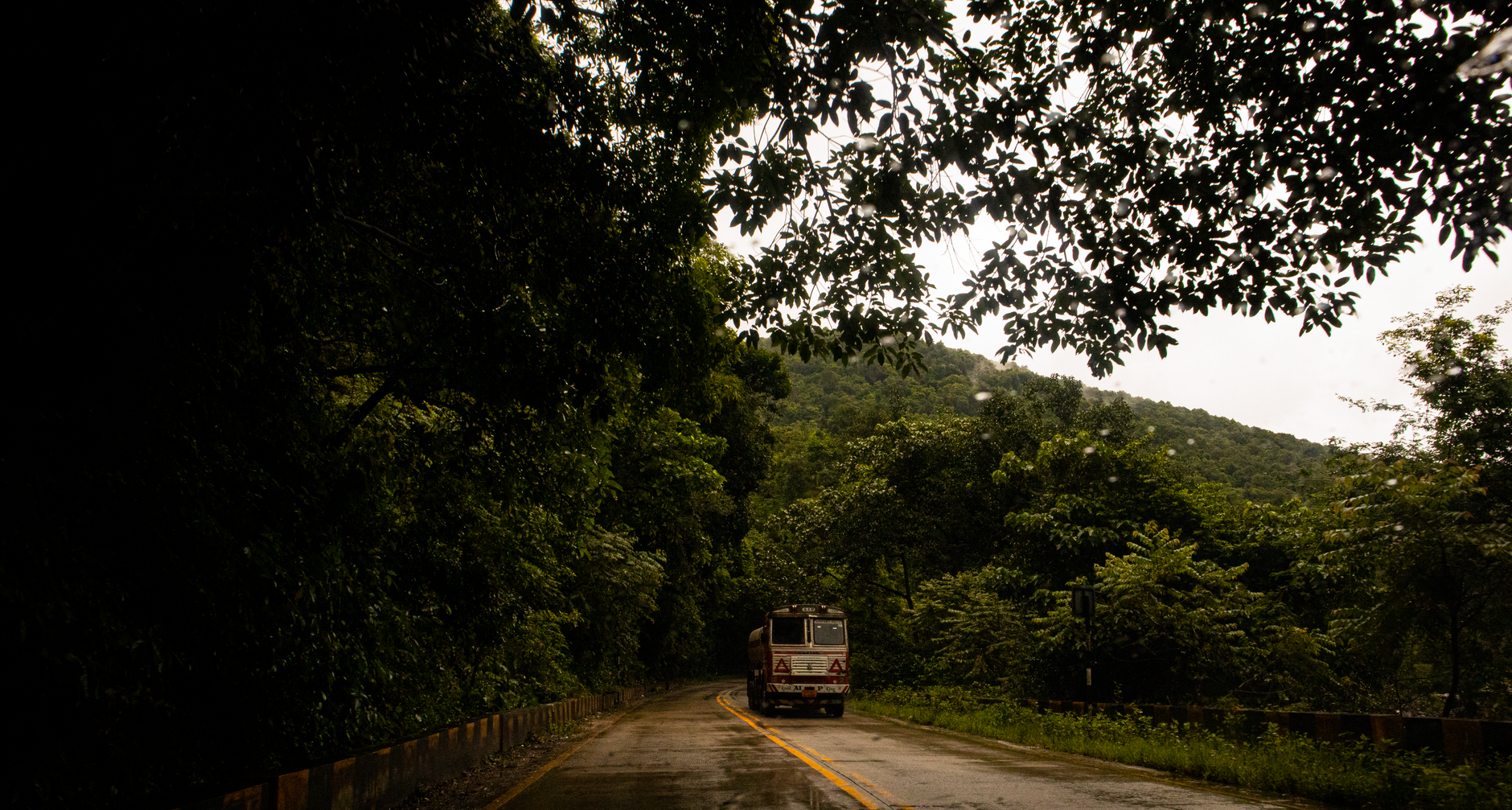
The year was 2019, and I was staring at my calendar. It was October, and a last-minute flight deal to Kerala popped up. My friends, bless their well-meaning hearts, had one piece of advice: "Don't go now! It's still monsoon season. You'll be rained in!" I hesitated, visions of soggy clothes and canceled plans dancing in my head. But then, a rebellious spark ignited. What if everyone else was wrong? What if the "off-season" held a magic that the peak tourist months couldn't even dream of?
Spoiler alert: They were wrong. And I was right. That trip to Kerala during the tail-end of the monsoon was one of the most transformative travel experiences of my life. The world was a vibrant, emerald wonderland, the air was clean and crisp, and the waterfalls thundered with a power I'd never witnessed. Best of all? The crowds were virtually non-existent.
Fast forward to October 2025. While most travelers will be flocking to popular, sun-drenched destinations, you, my adventurous friend, have a unique opportunity. This isn't just about escaping the heat; it's about embracing a different kind of beauty, a deeper connection with nature, and an authentic experience that few ever get to savor. This is your guide to unlocking monsoon season adventures that most people avoid – and why you absolutely shouldn't.
The Allure of the Rains: Why October's Monsoon is Different
Let's clear the air (pun intended). When most people hear "monsoon," they envision relentless, torrential downpours, flooded streets, and gloom. And while parts of the monsoon season can indeed be like that, October is often a glorious exception. In many regions, it's the tail end of the monsoon, or a delightful transition period.
What does this mean for you, the savvy traveler?
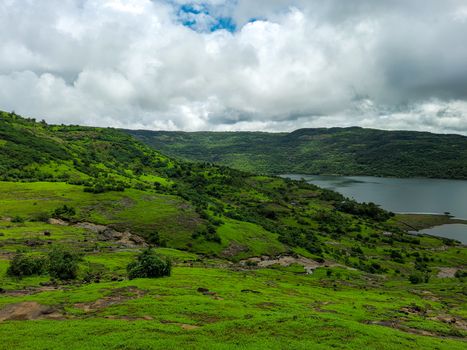
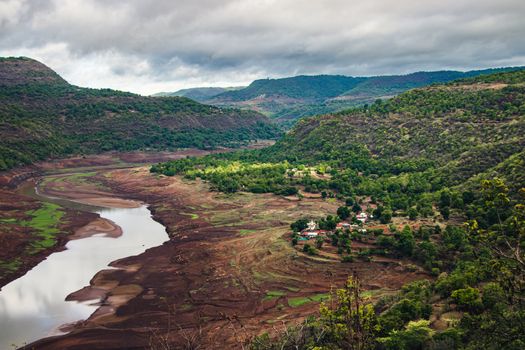
* Lush, Vibrant Landscapes: The world is literally washed clean and reborn. Every leaf, every blade of grass, glows with an impossible emerald hue. It's a photographer's dream.
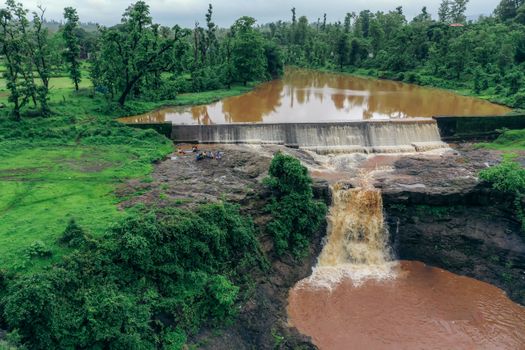
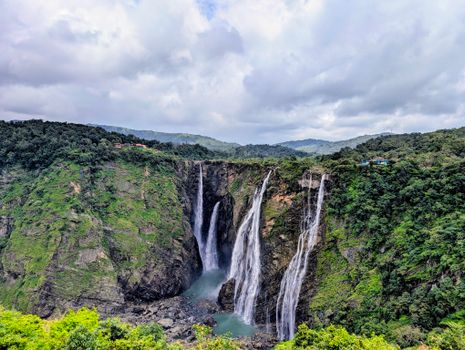
* Gushing Waterfalls: Rivers swell, and waterfalls transform into magnificent, roaring spectacles. This is when they are at their most powerful and awe-inspiring.
* Fewer Crowds, Authentic Experiences: This is the golden ticket. Popular spots that are usually teeming with tourists are remarkably serene. You'll interact more with locals, get better deals on accommodation, and have entire landscapes to yourself.
* Dramatic Skies & Cooler Temperatures: Forget the scorching heat. Monsoon season brings a pleasant coolness, and the skies put on a show – dramatic clouds, misty mornings, and breathtaking sunsets that paint the horizon with fiery hues.
* Unique Atmosphere: There's a certain romance and tranquility that only the rain can bring. The sound of droplets on leaves, the earthy scent of petrichor, the cozy feeling of sipping hot chai while watching the world outside – it's an experience for the soul.
So, if you're ready to swap crowded beaches for misty mountains and predictable sunshine for dramatic skies, October 2025 is calling.
Chasing Waterfalls & Verdant Trails: India's Western Ghats
India's Western Ghats, a UNESCO World Heritage Site, come alive in the monsoon. This mountain range, running parallel to the western coast, transforms into a biodiversity hotspot, and October is prime time to witness its verdant glory.
1. Athirappilly Falls, Kerala: The Niagara of India Unleashed
My first monsoon adventure was to Kerala, and Athirappilly Falls was the crown jewel. Located about 60 km from Kochi, this isn't just a waterfall; it's a force of nature. During peak season, it's impressive, but in October, it’s a roaring, magnificent spectacle, 80 feet high and 330 feet wide, cascading through the Chalakudy River.
- My Anecdote: I remember standing on the viewing platform, the sheer power of the water thundering down. The mist rose high into the air, soaking me to the bone, but I didn't care. The feeling was exhilarating, primal. Later, I trekked down to the base (carefully, mind you – the rocks are slippery!). Watching the water crash into the pool below, surrounded by thick, vibrant rainforest, was utterly mesmerizing. Monkeys chattered from the trees, and the air was thick with the scent of damp earth and fresh leaves. It felt like I had stepped into a scene from Jurassic Park.
- Practical Tips:
- Getting There: Fly into Kochi (COK). From there, you can hire a taxi (approx. ₹2000-₹3000 one way, or $24-$36 USD) or take a bus.
- Stay: Opt for a resort nearby like the Nila Monsoon Resort or Riverok Villas, which offer stunning views of the river or falls, often for ₹3000-₹6000 ($36-$72 USD) a night in the off-season. Or for a more budget-friendly option, look for homestays in Chalakudy town (₹1500-₹2500, or $18-$30 USD).
- What to Do: Trek to the base of the falls, explore the nearby Vazhachal Falls and Thumboormuzhi Dam & Garden (butterfly garden!), and keep an eye out for hornbills.
- Cost: Entry to the falls is around ₹50 ($0.60 USD) for Indians, ₹300 ($3.60 USD) for foreigners.
2. Agumbe, Karnataka: India's Rainforest Research Station
Often called the "Cherrapunji of the South," Agumbe in Karnataka receives some of the highest rainfall in India. In October, as the rains subside but the landscape remains drenched, it's a paradise for nature lovers and trekkers. This region is famous for its rainforests, stunning sunsets (if you're lucky!), and incredible biodiversity, including the elusive King Cobra.
- My Anecdote: My trip to Agumbe was a deep dive into the jungle. I stayed at a rustic eco-lodge, the Mallya Residency (around ₹2000-₹3000, or $24-$36 USD/night, including basic meals), run by a local family. One morning, I joined a guided trek through the rainforest with a local naturalist. The path was muddy, the air humid, but the sheer life around me was astounding. We spotted vibrant frogs, iridescent insects, and heard the distant calls of unseen birds. The highlight was stumbling upon a hidden, gushing waterfall – Koodlu Theertha Falls – completely untouched by crowds. The feeling of cool, fresh water on my face after a muddy trek was pure bliss.
- Practical Tips:
- Getting There: The nearest airport is Mangaluru (IXE), about 100 km away. You can hire a taxi (₹2500-₹4000, or $30-$48 USD) or take a combination of bus and local transport.
- Stay: Agumbe is known for its homestays and eco-lodges. "Doddamane" is a famous traditional house offering basic accommodation and authentic local food (expect to pay around ₹800-₹1500, or $10-$18 USD per person per night, including meals).
- What to Do: Trekking to Koodlu Theertha Falls or Onake Abbi Falls, visiting the Sunset Point (weather permitting!), and exploring the Agumbe Rainforest Research Station (ARRS) to learn about conservation. Always hire a local guide for treks (around ₹500-₹1000, or $6-$12 USD for a half-day trek).
- Packing: Absolutely essential: leech socks, waterproof boots, and strong insect repellent.
Misty Mountains & Ancient Whispers: Exploring Southeast Asia's Hidden Gems
While many parts of Southeast Asia might still experience some rain in October, certain regions offer incredibly rewarding monsoon adventures, trading crowded beaches for mystical landscapes and cultural immersion.
3. Sapa, Vietnam: Emerald Terraces in the Mist
Sapa, nestled in the Hoàng Liên Son Mountains of northern Vietnam, is famous for its terraced rice fields and vibrant ethnic minority cultures. In October, as the rice harvest often concludes or is in its final stages, the fields are either golden or already replanted and a brilliant green. The misty weather adds an ethereal, almost mystical quality to the landscape.
- My Anecdote: My Sapa trip was defined by the mist. Some days, the valleys were completely shrouded, creating a sense of profound mystery. On others, the mist would part, revealing breathtaking vistas of emerald terraces carved into the mountainside. I opted for a multi-day trekking tour (around $100-$150 USD for 2 days/1 night, including guide, food, and homestay) that took me through remote villages. Staying with a Hmong family in their traditional wooden house, sharing meals cooked over an open fire, and learning about their way of life was an incredibly rich experience. The rain would often come in short, intense bursts, washing the air clean, followed by periods of soft drizzle or even sunshine. The constant change in atmosphere made every view unique.
- Practical Tips:
- Getting There: Take an overnight sleeper train from Hanoi to Lao Cai (around $25-$40 USD for a soft sleeper berth), then a bus or taxi to Sapa town (approx. 1 hour, $2-$5 USD).
- Stay: Homestays in villages like Ta Van, Lao Chai, or Giang Ta Chai offer an authentic experience (around $20-$40 USD/night, including meals). In Sapa town, you'll find hotels ranging from budget to luxury.
- What to Do: Trekking through rice paddies and ethnic minority villages, visiting local markets, and ascending Fansipan (Vietnam's highest peak) via cable car (around $35 USD return) for incredible views above the clouds.
- Local Culture: Be respectful when visiting villages and interacting with locals. Consider buying handicrafts directly from the artisans.
4. Khao Sok National Park, Southern Thailand: Rainforest & Floating Bungalows
Southern Thailand's monsoon season typically runs from May to November, but October is a sweet spot where the rains can be less intense, and the rainforest is at its most vibrant. Khao Sok National Park, home to one of the world's oldest evergreen rainforests, is an incredible destination. Its crown jewel is Cheow Lan Lake, dotted with dramatic limestone karsts and unique floating bungalows.
- My Anecdote: I spent three days in Khao Sok, and it felt like stepping into a prehistoric world. My highlight was staying in a floating bungalow on Cheow Lan Lake (around $100-$150 USD for a 2D/1N package from a local tour operator, including transfers, meals, and activities). Imagine waking up to the sounds of the jungle, surrounded by towering limestone cliffs, with mist clinging to their peaks. One afternoon, a gentle rain started as I was kayaking. Instead of rushing inside, I just kept paddling, feeling completely immersed in the serene beauty. Later, a guided jungle trek led us to a hidden cave, and we spotted monkeys and exotic birds. The rain only intensified the vibrant greens and the earthy smell of the rainforest.
- Practical Tips:
- Getting There: Fly into Surat Thani (URT) or Phuket (HKT). From there, take a bus or minivan to Khao Sok village (around 2-3 hours, $10-$20 USD). Many tour operators offer packages that include transfers.
- Stay: In Khao Sok village, you'll find treehouses and guesthouses (from $20-$50 USD/night). For the unique floating bungalow experience on Cheow Lan Lake, book a package through a local tour operator; these usually include accommodation, meals, and guided activities.
- What to Do: Kayaking or longtail boat tours on Cheow Lan Lake, jungle trekking, exploring caves, wildlife spotting (gibbons, macaques, hornbills), and swimming in the lake.
- Booking: It's highly recommended to book your lake tour and accommodation in advance, especially for the floating bungalows, even in the off-season.
Embracing the Atmosphere: Unique Experiences You Can Only Have in the Monsoon
Monsoon travel isn't just about avoiding crowds; it's about embracing a completely different sensory experience.
- Photography Nirvana: The dramatic light, the mist, the reflections on wet surfaces, and the saturated colors make for incredibly moody and artistic photographs. Pack a good waterproof camera bag and a lens cloth, and prepare to capture images that truly stand out. Think misty mountainscapes, rain-kissed flowers, and the sheer power of gushing waterfalls.
- Culinary Comfort: Rainy weather often brings out the best in local comfort food. In India, imagine sipping piping hot chai with pakoras (fritters) or a hearty thali meal. In Vietnam, a steaming bowl of pho or a strong Vietnamese coffee hits different when the air is cool and damp. Embrace seasonal produce and warm, soul-satisfying dishes.
- Wellness & Mindfulness: The gentle pitter-patter of rain, the cool air, and the quiet solitude create an ideal environment for introspection and relaxation. Consider a yoga retreat nestled in the hills or simply spend time meditating to the natural symphony of the rain. It's an opportunity for deep rest and rejuvenation.
- Wildlife Spotting: Many animals are more active during or after the rain. The lush foliage provides ample food and cover, and the cooler temperatures are more comfortable for them. Keep an eye out for vibrant birds, playful monkeys, and unique insects – your chances of spotting them can be surprisingly high.
Your Monsoon Survival Guide: Practical Tips for a Seamless Trip
Don't let the weather deter you; prepare for it. A little foresight goes a long way in making your monsoon adventure comfortable and unforgettable.
- Packing Essentials (Waterproof is Key!):
- Waterproof Jacket & Pants: A good quality, breathable rain jacket is non-negotiable. Rain pants are a bonus for treks.
- Waterproof Backpack Cover: Protect your electronics and valuables.
- Dry Bags: Essential for keeping phones, cameras, and important documents absolutely dry inside your backpack.
- Quick-Dry Clothing: Synthetic fabrics are your friend. Avoid heavy cottons that take ages to dry.
- Sturdy, Waterproof Footwear: Hiking boots with good grip or waterproof sandals (like Tevas or Chacos) are crucial. Expect mud!
- Insect Repellent: Mosquitoes and other insects thrive in damp conditions.
- Portable Power Bank: For charging devices when outlets might be scarce or power outages occur.
- Small Umbrella: Handy for lighter drizzles or walking around towns.
- Basic First-Aid Kit: Include band-aids, antiseptic wipes, and medication for common ailments.
- Warm Layers: Even if it's not cold, the dampness can make you feel chilly.
- Safety First, Always:
- Check Weather Forecasts: While flexible, stay informed about potential heavy rainfall or storms.
- Road Conditions: Roads can become slippery or even blocked by landslides in certain areas. Be prepared for delays.
- Local Guides: For trekking or exploring remote areas, always hire local guides. They know the terrain, the risks, and can often spot wildlife you'd miss.
- Travel Insurance: Ensure your policy covers adventure activities and potential travel disruptions.
- Stay Hydrated: Even in cooler weather, it's easy to forget to drink enough water.
- Accommodation & Logistics:
- Book Ahead: While it's off-season, popular homestays or unique eco-lodges can still fill up, especially if they offer cozy, rain-friendly amenities.
- Look for Cozy Retreats: Think places with good covered outdoor spaces, warm common areas, and perhaps even fireplaces.
- Be Flexible with Travel Plans: Flights, trains, and buses can be delayed due to weather. Embrace the spontaneity and don't over-schedule.
- Cash is King: ATMs might be scarce in remote areas, and power outages can affect card machines. Carry enough local currency.
- Embrace the Mindset:
- Don't Fear the Rain: It's part of the experience. A little rain won't melt you.
- Be Open to Spontaneity: The best monsoon adventures often happen when you let go of rigid plans and allow yourself to explore what the weather brings.
- Connect with Locals: With fewer tourists, you'll have more opportunities for genuine interactions.
Your October 2025 Adventure Awaits!
By now, you've hopefully shed the misconception that monsoon travel is something to be avoided. October 2025 presents a rare invitation to witness the world in a state of unparalleled beauty and tranquility. It's a chance to experience destinations not just as a tourist, but as an explorer, a nature lover, and a seeker of authentic moments. From the thundering waterfalls of Kerala to the misty rice terraces of Vietnam, the rain-kissed landscapes offer a profound connection to nature that is often lost in the bustling peak seasons.
So, ditch the predictable. Pack your waterproofs, open your mind, and prepare to be enchanted. October 2025 is calling for a monsoon adventure. Will you answer?
Tell us in the comments: What's your dream monsoon destination? And don't forget to share your own rain-soaked adventures with us on social media using #TripsoraMonsoonMagic!