The Hook: The Night the Engines Went Silent
I stepped off the sugar-scoop transom of a 48-foot Fountain Pajot catamaran and let my feet sink into the cool, powdery sand of Salt Whistle Bay. The sun had just dipped below the horizon of Mayreau, leaving behind a bruised-purple sky shot through with threads of gold. Behind me, our boat bobbed silently on the tide. There was no hum of massive diesel generators, no bass drop from a pool-deck DJ, and no queue of two thousand people waiting for a shore excursion.
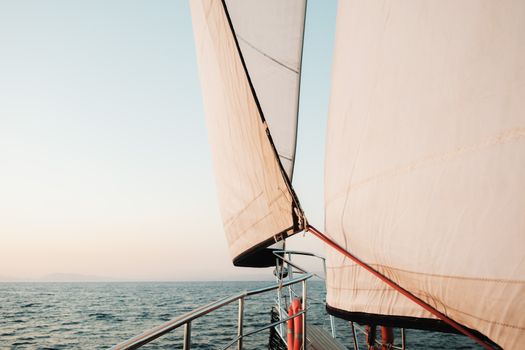
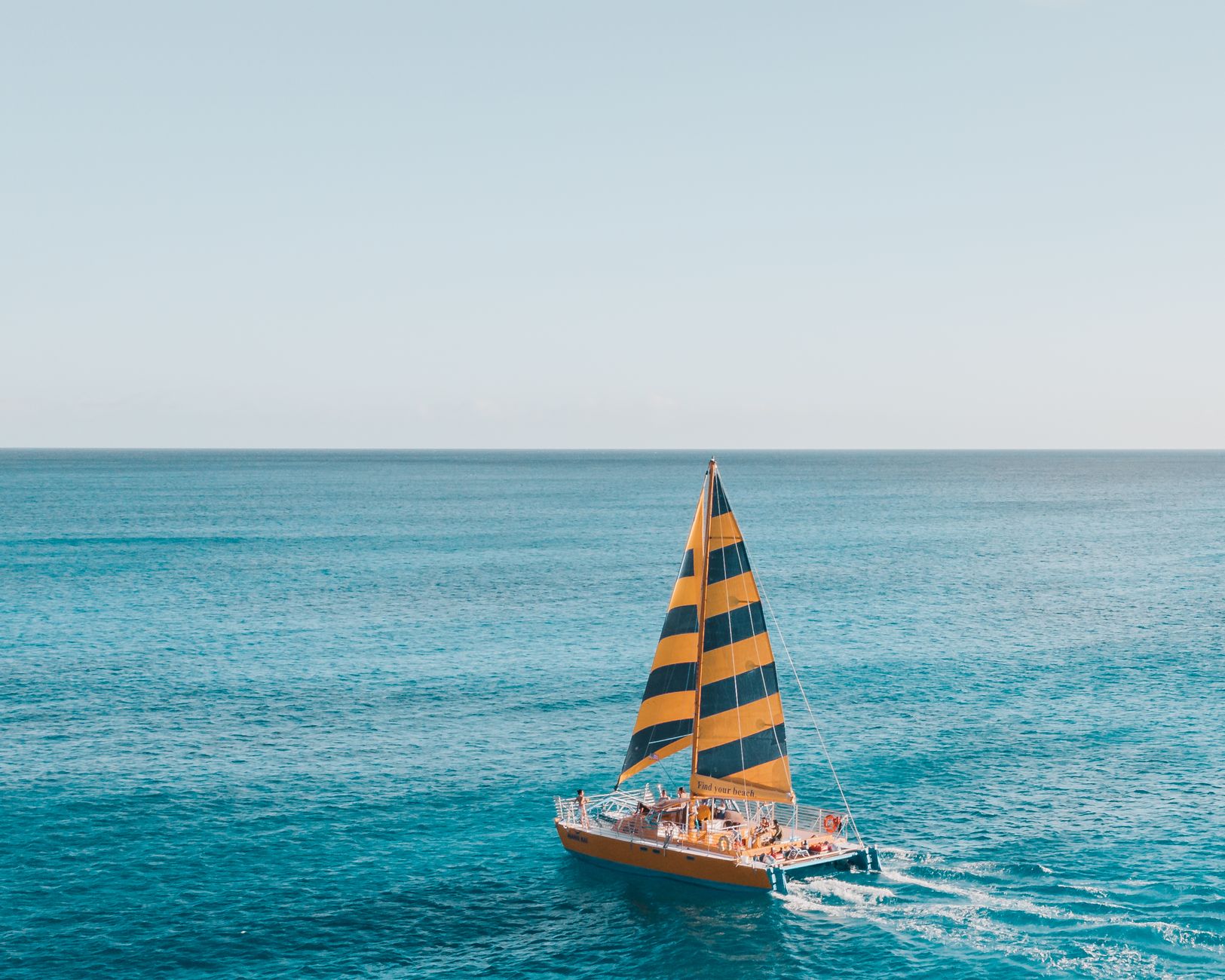
Instead, there was only the smell of jerk chicken grilling over half-cut oil drums on the beach, the rustle of coconut palms, and the clink of local Hairoun beers being opened by a barefoot bartender. Earlier that afternoon, we had cut the auxiliary engines, hoisted the mainsail, and let the trade winds propel us at a quiet nine knots through the turquoise waters of the Grenadines.
For years, travelers believed that exploring the world’s archipelagos required booking a cabin on a floating city. But as mega-cruise ships face rising port bans, environmental scrutiny, and terminal overcrowding, a quiet revolution is happening on the water. Active travelers are realizing that sailing adventures are the ultimate alternative to cruises right now. Here is how you can claim your own piece of the ocean.
---
1. Why the Mega-Cruise is Dead (And What’s Replacing It)
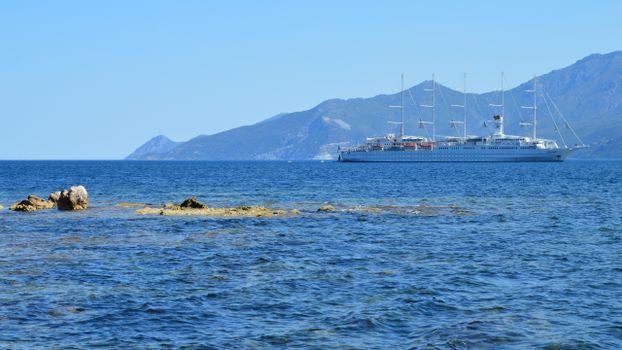
The modern mega-cruise ship has become a victim of its own scale. When a ship carrying 6,000 passengers docks in a historic port like Dubrovnik or Santorini, the local charm is instantly crushed under the weight of sheer numbers. You don’t experience the destination; you navigate a human traffic jam.
Sailing adventures flip this dynamic entirely. Instead of viewing a destination through a double-paned glass window from deck 14, you are living in it.
- Unrivaled Access: A sailboat drawing six feet of water can drop anchor in shallow, secluded bays where cruise ships wouldn't dare approach. You sleep in uninhabited coves, not industrial commercial ports.
- True Flexibility: On a cruise, the itinerary is set in stone months in advance. On a sailing yacht, if you fall in love with a tiny fishing village in Greece, you simply tell your skipper, "Let's stay another night."
- Authentic Connections: Instead of eating mass-produced food sourced from global supply chains, sailing trips encourage you to shop at local village markets, buy fresh fish directly from wooden trawlers, and dine in family-run tavernas.
---
2. The Anatomy of a Sailing Adventure: Yacht Types Decoded
If you’ve never booked a sailing trip, the terminology can feel like a foreign language. You do not need to be an experienced sailor to enjoy these trips; you just need to choose the right platform for your travel style.
Monohulls: The Classic Sailor’s Dream
The classic single-hull sailboat is for those who want the authentic sensation of sailing. When the wind catches the sails, the boat heels (leans) to one side, cutting through the waves with satisfying precision.
* Best for: Couples, solo travelers, and those who want an active, hands-on sailing experience.
* The Vibe: Traditional, sporty, and intimate.
Catamarans: The Floating Apartment
Catamarans feature two hulls connected by a wide deck and a central saloon. Because they do not heel like monohulls, they offer incredible stability—making them the perfect choice for anyone prone to seasickness.
* Best for: Families, groups of friends, and luxury seekers.
* The Vibe: Spacious, social, and incredibly comfortable. The trampoline netting at the bow is the ultimate spot for sunset cocktails.
Cabin Charters: The Budget-Friendly Hack
You don't need to rent an entire yacht to go sailing. A cabin charter allows you to book a single stateroom on a shared yacht, complete with a professional skipper and often a host/cook. It functions exactly like a boutique cruise, but with only 8 to 12 passengers on board.
* Best for: Solo travelers and couples who want to meet like-minded adventurers.
---
3. 4 Epic Sailing Routes to Book Right Now
```
+-------------------------------------------------------------------------------------------------+
| WORLD-CLASS SAILING ROUTES |
+------------------------+------------------------+---------------------+-------------------------+
| Destination | Best Sailing Window | Ideal Yacht Type | The Standout Highlight |
+------------------------+------------------------+---------------------+-------------------------+
| Dalmatian Coast, CRO | May to October | Monohull | Roman ruins & wine |
| Saronic Gulf, GRE | June to September | Catamaran | Car-free historic ports |
| Grenadines, CARIB | December to April | Catamaran | Swimming with reef rays |
| Whitsundays, AUS | September to November | Traditional Tall | Diving the outer reef |
+------------------------+------------------------+---------------------+-------------------------+
```
Route 1: The Dalmatian Coast, Croatia (Split to Dubrovnik)
Skip the cruise crowds of Split and set sail through the Central Dalmatian islands. This route offers a masterclass in Mediterranean history, crystal-clear Adriatic waters, and world-class culinary stops.
* The Route: Split – Brač – Hvar – Vis – Korčula – Mljet – Dubrovnik.
* Insider Secret: Skip the crowded marina of Hvar Town. Instead, anchor in the Pakleni Islands just opposite, and take a local water taxi into town for dinner.
* Pro-Tip: Sail to the island of Vis and visit the Green Cave (Zelena Špilja) at exactly 11:30 AM. When the sun is directly overhead, a beam of light passes through a natural skylight in the cave roof, illuminating the emerald water below in a surreal, glowing circle.
Route 2: The Saronic Gulf, Greece (Athens Loop)
While the Cyclades (Mykonos and Santorini) get all the Instagram fame, they are plagued by the fierce Meltemi winds in July and August, which can make sailing rough and uncomfortable. The Saronic Gulf offers protected waters, shorter distances between islands, and unparalleled historical charm.
* The Route: Athens – Aegina – Poros – Hydra – Spetses – Epidavros.
* Insider Secret: The island of Hydra has a strict ban on wheeled vehicles—no cars, no scooters, only donkeys.
* Pro-Tip: When docking in Hydra's tiny horseshoe harbor, skip the chaotic main quay where yachts raft up three-deep. Instead, drop anchor in the quiet bay of Mandraki, just a 15-minute coastal walk from the historic center.
Route 3: Grenada and the Grenadines (The Caribbean Wilderness)
This is the Caribbean of fifty years ago. No high-rise resorts, no mega-piers—just raw, volcanic beauty, coral reefs, and steady trade winds.
* The Route: Grenada – Carriacou – Union Island – Mayreau – Tobago Cays – Bequia.
* Insider Secret: The Tobago Cays Marine Park is a horseshoe reef protecting five uninhabited sand cays. It is one of the best places in the world to swim with green sea turtles.
* Pro-Tip: When anchored in the Tobago Cays, local "boat boys" (enterprising locals in colorful panga boats) will pull alongside your yacht. Seek out "Romeo" or "Mr. Quality" to arrange an evening beach barbecue on Petit Bateau. You will eat fresh-caught spiny lobster grilled over coconut husks while sitting at a candlelit picnic table in the sand.
---
4. Crewed, Skippered, or Bareboat? Choosing Your Level of Control
One of the biggest misconceptions about sailing adventures is that you need to know how to sail. In reality, you can choose exactly how much responsibility you want to take on.
The Bareboat Charter (For Certified Sailors)
If you hold an internationally recognized sailing license (such as an ICC, ASA 104, or RYA Day Skipper), you can rent the boat and sail it yourself. You are the captain, responsible for navigation, mooring, and the safety of your crew.
The Skippered Charter (The Sweet Spot)
You hire a local, professional skipper along with your yacht. The skipper handles all the sailing, anchoring, navigation, and safety.
* Why it’s great: You get a local guide who knows the secret bays, the best restaurants, and the local port authorities. You can do as much or as little sailing as you want. If you want to take the helm and learn to trim the sails, they will gladly teach you. If you want to read a book on the bow with a gin and tonic, that is your right too.
The Fully Crewed Charter (The Luxury Experience)
In addition to a skipper, you hire a private chef/hostess. They manage the galley, prepare three meals a day using fresh, local ingredients, mix cocktails, and keep the yacht tidy. This is the ultimate alternative to a luxury cruise, offering five-star service tailored entirely to your personal preferences.
---
5. Life on Board: What It’s Actually Like
Transitioning from a cruise ship to a sailing yacht requires a minor shift in mindset. Here is what to expect so you can live like a seasoned liveaboard:
- Packing is Different: Leave the hard-sided suitcases at home. There is no room for them in a yacht cabin. Use a soft-sided duffel bag that can be folded flat and stowed in a locker.
- Water is Gold: Unlike cruise ships with massive desalination plants, sailboats have finite water tanks. Take quick "sailor showers" (wet down, turn off water, lather up, rinse off) to conserve water between marina stops.
- The "Head" Rules: Yacht toilets (called heads) use complex plumbing systems. The golden rule of sailing: Never put anything down the marine toilet that has not passed through your body first. Yes, this includes toilet paper, which goes into a designated sanitary bin.
- Embrace the Motion: Modern catamarans barely roll, but you will still feel the movement of the sea. If you are prone to motion sickness, pack meclizine or acupressure wristbands, and take them before the boat leaves the dock.
---
6. The Budget & Logistics: Real Numbers
Let’s talk money. Many travelers assume that chartering a yacht is reserved exclusively for the ultra-wealthy. When you break down the cost per person, however, a sailing adventure is often comparable to—or cheaper than—a premium cruise balcony cabin.
Average Weekly Costs (Per Person, Based on Double Occupancy)
- Shared Cabin Charter (All-Inclusive): $1,200 – $2,200 USD per week. Includes your cabin, skipper, half-board meals, and fuel.
- Private Skippered Monohull (6 Friends): $1,000 – $1,500 USD per person per week (excluding food and local port fees).
- Private Crewed Catamaran (8 Friends - Luxury): $2,500 – $4,500 USD per person per week. Includes private chef, open bar, water toys, and custom itinerary.
Quick Facts & Logistics
- Best Time to Go:
- Mediterranean: May to October (September is the sweet spot: warm water, fewer crowds).
- Caribbean: December to April (avoiding hurricane season).
- Southeast Asia: November to April.
- How to Get There: Most sailing charters depart from major regional hubs. For Croatia, fly into Split or Dubrovnik. For the Saronic Gulf, fly into Athens (Alimos Marina is a 30-minute taxi ride from the airport). For the Grenadines, fly into St. Vincent or Grenada.
- What to Pack: Reef-safe sunscreen, a polarized pair of sunglasses (essential for spotting shallow reefs), a lightweight windbreaker, a dry bag for shore excursions, and slip-on deck shoes or boat-safe sandals.
---
7. How to Book Your First Sailing Adventure Without Getting Ripped Off
The yacht charter industry can be difficult to navigate for beginners. To ensure a seamless booking process, follow these insider rules:
- Use Reputable Platforms: For peer-to-peer and managed charters, stick to trusted global platforms like Click&Boat, GlobeSailor, or Samboat. If you want a fully organized, small-group cabin charter, look at Intrepid Travel Marine, G Adventures, or The Yacht Week (if you want a high-energy party atmosphere).
- Watch Out for "The Kitty": Many sailing charters charge a local "charter kitty" or "APA" (Advance Provisioning Allowance). This is an extra cash payment made at the dock to cover local port taxes, national park entry fees, fuel, and water refills. Ensure you know if this is included in your booking price.
- Check the Yacht’s Age: When booking, ask for the year of the vessel's build. A well-maintained boat built in 2018 is often fantastic, but as a rule of thumb, look for yachts built within the last 3 to 5 years to ensure modern amenities, efficient air conditioning, and reliable plumbing.
The ocean is too vast, too beautiful, and too wild to be experienced from the deck of a fifteen-deck cruise ship. It’s time to drop the anchor, hoist the sails, and discover what real travel feels like.
---