The Midnight Walk That Blew My Mind
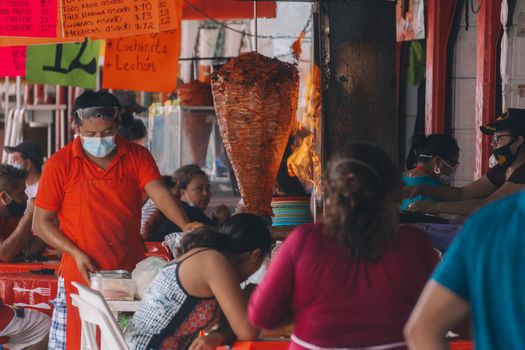
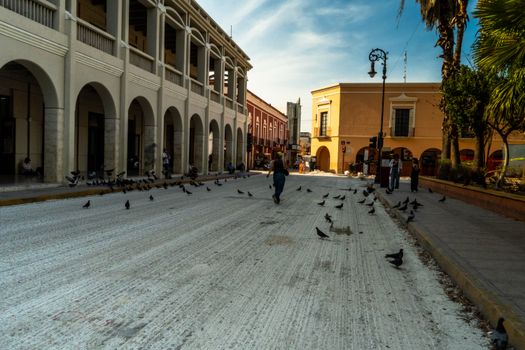
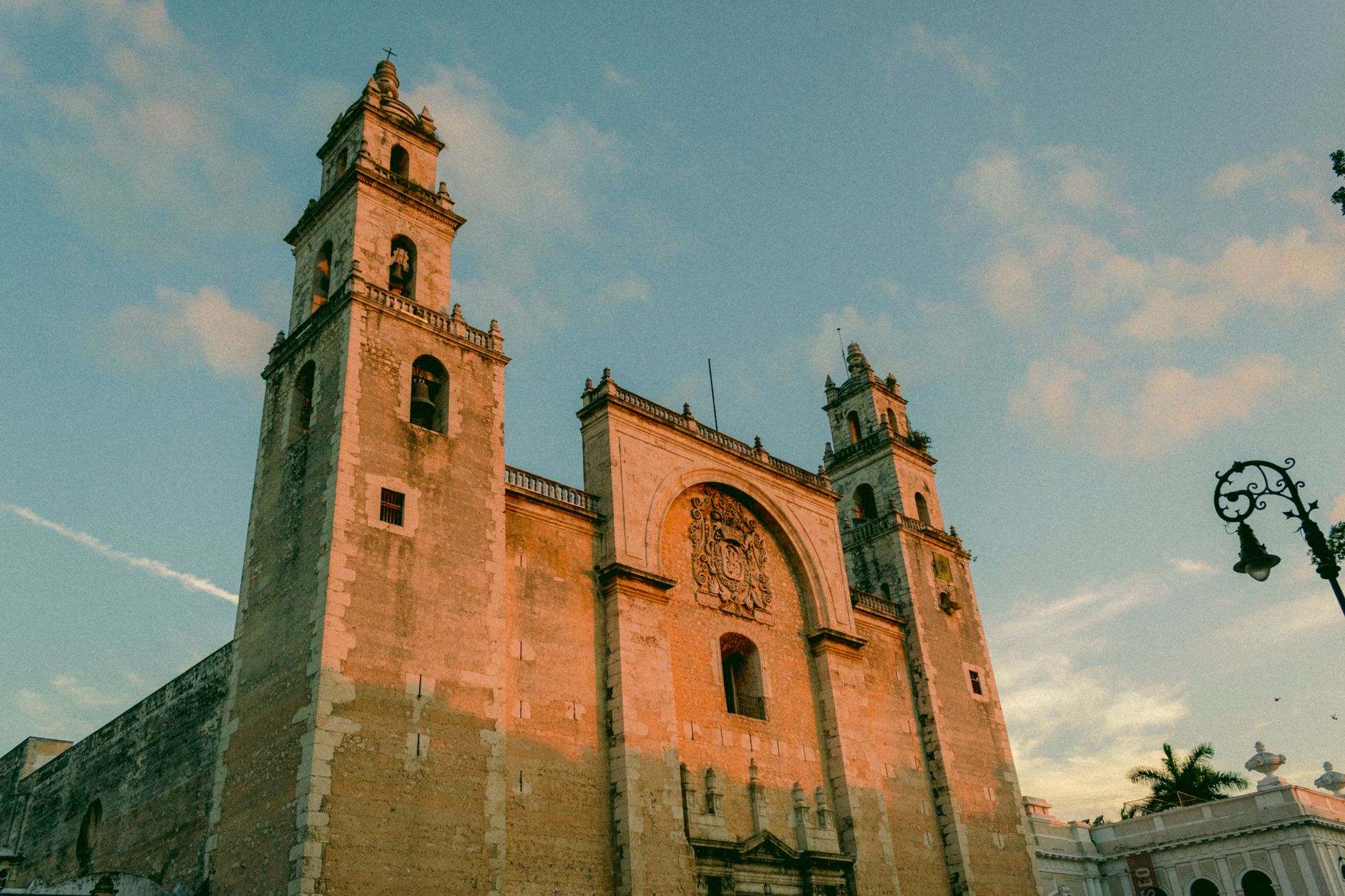
I stepped into the midnight air of Mérida’s Plaza Grande, and my senses instantly took in the heavy aroma of charred habaneros and simmering cochinita pibil wafting from a nearby cenaduría. Warm tropical humidity clung to my skin, and the soft strains of a guitar duo playing traditional trova music echoed off the 16th-century limestone facades of the Cathedral of San Ildefonso.
I looked at my watch: 12:45 AM. Around me, elderly couples sat on stone benches, teenagers laughed over bowls of marquesitas, and solo female travelers walked slowly with cameras slung nonchalantly over their shoulders.
I felt something I rarely feel strolling through downtown Baltimore, St. Louis, or even Denver late at night: complete, unadulterated tranquility.
For decades, sensationalist headlines have branded the entire territory south of the Texas border as a homogenous danger zone. But if you look at the raw statistics—from the United Nations Office on Drugs and Crime (UNODC) to Numbeo’s global Safety Index—a radically different picture emerges.
There are multiple Latin American cities where violent crime rates are not just slightly lower, but a fraction of those found in major US metro areas.
Here is the real data, backed by my own boots-on-the-ground experience as a travel journalist, revealing five stunning Latin American cities where you can breathe easier than you do back home.
---
1. Mérida, Mexico: Safer Than Denver and Dallas
When Americans hear "Mexico," many immediately think of travel advisories. Yet Mérida, the sun-drenched capital of the Yucatán state, regularly earns rankings as one of the safest cities in the entire Western Hemisphere.
The Hard Data
According to Numbeo’s 2024 Safety Index, Mérida holds a safety rating of 73.5, putting it in the same safety tier as Quebec City or Tokyo. Compare that to popular American hubs like Dallas (44.2), Denver (54.1), or Atlanta (36.8). Mérida’s homicide rate hovers around 1.5 per 100,000 residents. Meanwhile, Baltimore sits at over 45 per 100,000, and Washington D.C. sits near 27 per 100,000.
Why It Feels So Safe
Yucatán functions almost like a autonomous enclave within Mexico. The state maintains its own highly trained, well-paid police force, and local neighborhood social cohesion (vecindad) remains rock solid. Residents look out for one another.
How to Live It Like an Insider
* Architecture & Vibe: Pastel-painted colonial mansions line the French-inspired Boulevard Paseo de Montejo, shaded by massive laurel trees.
* Pro-Tip: Skip the crowded afternoon street markets. Head to Mercado Lucas de Gálvez at precisely 7:15 AM. Walk past the fruit vendors to the tiny stall with the yellow awning behind the spice section. Order two salbutes de pavo korak—the fried tortilla crisps are topped with shredded turkey, pickled purple onion, and local sour orange juice. It costs under $2 and will redefine breakfast for you.
* The Hidden Gem: Tucked behind an unmarked dark wood door next to Parque Santa Lucía lies an old residential courtyard turned courtyard café (La Biznaga). Sit under the sprawling neem tree and order a cold craft ceiba ale.
---
2. Montevideo, Uruguay: The Calm Capital of the South
Uruguay often gets overshadowed by its flashy neighbor, Argentina. But Montevideo—a breezy coastal capital steeped in art deco architecture, tango, and smoke-filled parrillas—is easily one of South America's most peaceful strongholds.
The Hard Data
Uruguay boasts some of the strongest democratic institutions and lowest poverty metrics in Latin America. Montevideo’s overall violent crime index is significantly lower than mid-sized American cities like Cleveland, Ohio, or Memphis, Tennessee. Armed robbery against tourists in primary residential and commercial districts like Pocitos, Punta Carretas, and Cordón is exceptionally rare.
Why It Feels So Safe
Uruguayans live by the ethos of tranquilo (take it easy). There is little hustle culture, virtually no street harassment, and a strong safety net that prevents the severe socio-economic divides seen in other major metropolises.
How to Live It Like an Insider
* Architecture & Vibe: A eccentric blend of neoclassical porticos, sleek seaside towers, and leafy residential avenues running alongside La Rambla—the world's longest continuous sidewalk (22 kilometers).
* Pro-Tip: Rent a bike near the port at 5:00 PM and ride east along La Rambla toward Plaza Virgilio. Bring a thermos of hot water and a leather mate gourd. Join dozens of locals sitting on the rocky outcrop watching the sun dip into the Rio de la Plata, bathing the skyline in purple light.
* The Hidden Gem: Skip the heavily mark-up tourist joints at Mercado del Puerto. Instead, walk four blocks inland to Bar Toledo on Calle Cerrito. Order the pan-seared sweetbreads (mollejas) paired with a glass of bold local Tannat wine.
---
3. Cuenca, Ecuador: The Mountain Sanctuary
While Ecuador faced political headlines in recent years, the southern highland city of Cuenca remains an isolated oasis of peace. High in the Andes at 8,400 feet, Cuenca is a UNESCO World Heritage city that feels frozen in a gentler, slower era.
The Hard Data
Cuenca’s crime figures look nothing like the port cities of northern Ecuador. Its violent crime rates are lower than those of Albuquerque, New Mexico, or St. Louis, Missouri. Gun violence is virtually non-existent in the historic center, and walking alone at 9:00 PM along the manicured banks of the Tomebamba River is standard practice for locals and retirees alike.
Why It Feels So Safe
Cuenca’s geography isolates it from coastal shipping corridors, while its strong indigenous heritage and large civic pride foster tight-knit communities. The city invested heavily in clean, modern public transport (like the Tranvía) and constant street lighting.
How to Live It Like an Insider
* Architecture & Vibe: Soaring blue-domed cathedrals, red-tiled roofs, iron balconies overflowing with geraniums, and whitewashed colonial plazas.
* Pro-Tip: Wake up early on a Thursday morning and head to Plaza de Las Flores outside the Iglesia de El Sagrario. At 6:45 AM, local vendors unload fresh lilies, roses, and orchids grown in the surrounding valley. Grab a hot cup of agua de pitarreal (a local herbal infusion) from the monastery side kiosk for $0.50.
* The Hidden Gem: Walk along the lower footpaths of the Río Tomebamba near Calle Larga. Look for a steep stone staircase covered in colorful murals near the Broken Bridge (Puente Roto). At the top, you'll find a micro-roastery serving washed Typica coffee beans sourced directly from smallholder farms in Loja.
---
4. Santiago (Providencia & Las Condes), Chile: Modern European Precision
Chile boasts some of the highest human development metrics in Latin America. While the central downtown hub (Santiago Centro) requires standard urban alertness, the expansive eastern districts—particularly Providencia, Las Condes, and Vitacura—are cleaner, quieter, and safer than vast swathes of Chicago, Philadelphia, or San Francisco.
The Hard Data
Chile’s nationwide homicide rate consistently hovers around 4 to 6 per 100,000, drastically lower than the US national average of ~6.3 per 100,000, and lightyears behind American cities like Philadelphia (~30 per 100,000) or Milwaukee (~20 per 100,000). In neighborhoods like Providencia, violent street crime is virtually zero.
Why It Feels So Safe
Providencia feels like a cross between Barcelona and Portland. The municipal police force (Seguridad Providencia) actively patrols bike paths and parks on electric scooters, street lighting is ubiquitous, and public transit (the Santiago Metro) is immaculate, quiet, and reliable.
How to Live It Like an Insider
* Architecture & Vibe: Tree-lined avenues, mid-century modern apartment blocks, hip outdoor espresso bars, and dramatic snow-capped Andean peaks framing every street view.
* Pro-Tip: Take the Metro to station Inés de Suárez on a Saturday morning. Walk through the quiet residential streets of Barrio Italia to find artisan leather crafters and antique restoration shops.
* The Hidden Gem: Avoid the crowded cable car line at Cerro San Cristóbal. Instead, enter the park through the Pedro de Valdivia entrance at 7:30 AM. Hike the paved, winding trail alongside local runners. You'll reach the Japanese Garden as the morning mist clears over the Andes, without another tourist in sight.
---
5. Escazú & Santa Ana (San José Outer Suburbs), Costa Rica
While downtown San José is a gritty transit hub best navigated quickly, its western hillside suburbs of Escazú and Santa Ana offer safe, high-end living conditions that rival affluent US suburbs like Scottsdale, Arizona, or Boca Raton, Florida.
The Hard Data
Costa Rica has no standing army, directing those national resources instead toward education, healthcare, and community policing. In Escazú and Santa Ana, violent crime is extraordinarily low. Overall safety metrics here surpass those of major tourist gateways like Miami or New Orleans by a landslide.
Why It Feels So Safe
These districts feature gated neighborhoods, active private security networks, well-lit commercial zones, and a massive community of international expats, diplomats, and tech workers who demand top-tier infrastructure.
How to Live It Like an Insider
* Architecture & Vibe: Terraced hillside condos, lush tropical gardens, rustic casonas mixed with high-end farm-to-table eateries, and fresh mountain breezes.
* Pro-Tip: Head to the Santa Ana Farmers Market (Feria San Ana) on Sunday at 7:00 AM. Look for the vendor selling fresh granadilla (passion fruit) and raw regional honey. Grab a bowl of freshly made pinto con huevo (seasoned rice and beans with eggs) cooked over open bio-charcoal.
* The Hidden Gem: Drive up the twisting mountain road toward San Antonio de Escazú. Stop at Tiquicia, a rustic wooden tavern perched high above the valley floor. Sit on the outdoor deck, order a cold Imperial beer with a plate of chicharrones, and watch the twinkling lights of the entire Central Valley spread out below you.
---
Quick Facts & Safety Matrix
Here is how these five standout cities stack up side-by-side against safety standards, cost, and logistics:
| City | US City Safety Equivalent | Safety Index (Numbeo 2024) | Estimated Daily Budget ($ USD) | Best Time to Visit | Primary Transit Method |
| :--- | :--- | :--- | :--- | :--- | :--- |
| Mérida, Mexico | San Diego, CA / Honolulu, HI | 73.5 (Very High) | $45 - $80 | Nov – March | Uber / Walking |
| Montevideo, Uruguay | Madison, WI / Boise, ID | 62.1 (High) | $75 - $130 | Dec – March | Bus / Cabify |
| Cuenca, Ecuador | Boulder, CO / Burlington, VT | 68.4 (High) | $35 - $65 | June – Sept | Tranvía / Walking |
| Santiago (Providencia) | Seattle, WA / Austin, TX | 66.2 (High) | $65 - $110 | Oct – April | Metro system |
| Santa Ana, Costa Rica | Scottsdale, AZ / Naples, FL | 71.0 (Very High) | $80 - $140 | Dec – April | Uber / Rental Car |
---
The Smart Traveler’s Field Rules for Latin America
Even in cities statistically safer than American metro centers, traveler safety depends heavily on personal awareness. Adopt these four rules to ensure a seamless trip:
1. Master the "No Dar Papaya" Principle
A famous Colombian idiom translates to "don't give papaya"—meaning don't make yourself an easy target. Avoid walking down quiet side streets with an iPhone 15 Pro held high in the air. Keep high-value jewelry at home.
2. Ditch Street Taxis for Rideshare Apps
In Mérida, Santiago, and Costa Rica, apps like Uber and Cabify provide driver tracking, preset pricing, and route monitoring. It removes language barriers and eliminates price gouging.
3. Download Offline Maps Before You Arrive
Cellular coverage drops happen. Download offline regional maps on Maps.me or Google Maps. Mark your hotel, local police stations (comisarías), and primary emergency points beforehand.
4. Splurge on Neighborhood Location
Saving $15 a night on an Airbnb located three miles outside the safe zones (e.g., staying in deep downtown San José instead of Escazú) compromises your peace of mind. Pay a little extra to stay in recommended, well-lit neighborhoods.
---
The Verdict
Travel safety isn't about broad regional generalizations; it's about localized data and context.
While certain regions in Latin America require heightened caution, cities like Mérida, Montevideo, Cuenca, Santiago (Providencia), and Santa Ana offer world-class cuisine, deep heritage, and extraordinary hospitality—with violent crime rates lower than what millions of Americans encounter in their home states every day.
Pack your bags, lock in your itinerary, and prepare to see a side of Latin America that mainstream headlines far too often miss.
---