The Hook: A Symphony of Earth and Sky
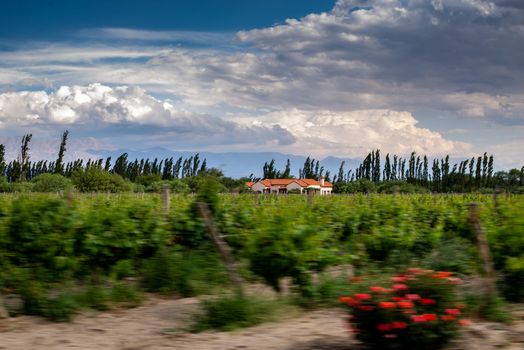
I stepped off the rickety bus in Cafayate, Argentina, and the air itself felt different. It wasn't just the crisp, thin mountain atmosphere at 5,500 feet; it was a scent – a heady mix of sun-baked earth, wild herbs, and something undeniably grapey, but richer, more profound than anything I'd experienced in the Old World. The distant bleating of goats mingled with the murmur of Spanish from a nearby patio, and the sun, already beginning its descent, painted the Andean foothills in hues of ochre and deep rose. This, I knew instantly, was a place where wine wasn't just made; it was lived. And as I looked towards the horizon, where jagged peaks met an impossibly blue sky, I felt a thrill of anticipation – the thrill of discovering something truly new, something that was about to make the established wine world sit up and take notice.
The Ascent of Andes: Argentina's High-Altitude Powerhouses
Argentina. The name conjures images of passionate tango, rugged gauchos, and of course, Malbec. But by March 2026, the world will be looking beyond Mendoza's established giants. The real revolution is happening at higher altitudes, where the sun's intensity is fierce, the nights are cool, and the thin air creates a unique terroir that imbues wines with incredible structure, vibrant fruit, and a mineral complexity that rivals the finest European reds.
Mendoza's Evolving Frontier: Uco Valley's Altitude Advantage
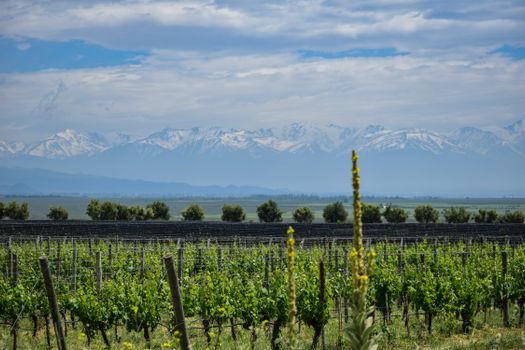
While Mendoza remains the heartland, the Uco Valley, stretching further west towards the Andes, is where the magic is truly brewing. Think vineyards perched at 1,200 to 1,500 meters (4,000 to 5,000 feet) above sea level. The diurnal temperature range – the difference between day and night temperatures – is extreme, leading to grapes with thick skins, intense color, and balanced acidity.
*