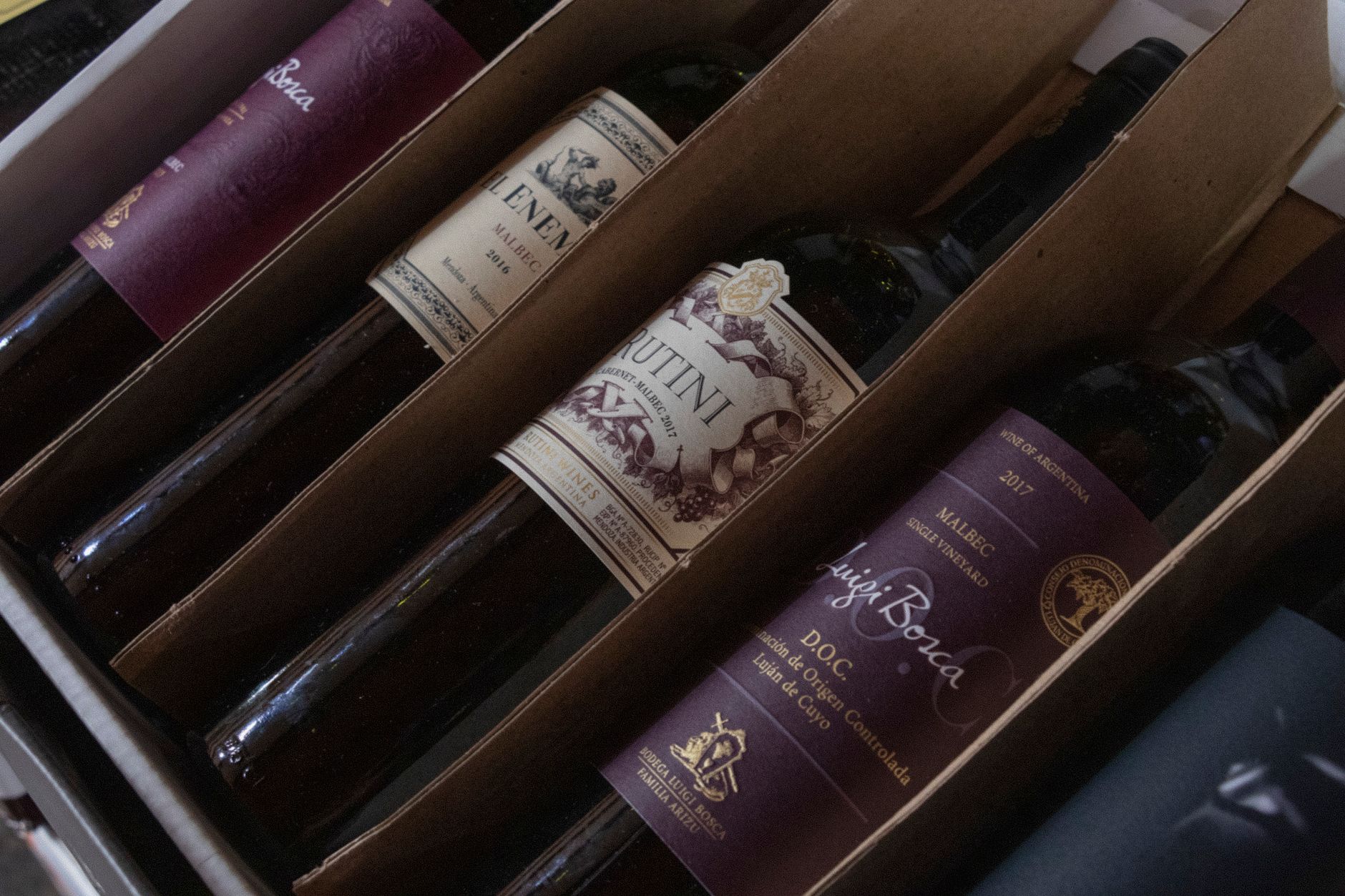
The Uncorking of a New World: South America's Wine Revolution
I stepped off the dusty bus in Mendoza, Argentina, and the air itself felt different. It wasn't just the crisp, dry heat or the scent of sun-baked earth; it was a palpable sense of anticipation, like the hushed quiet before a symphony begins. The Andes, impossibly majestic, loomed in the distance, their snow-capped peaks a stark contrast to the vibrant green of the vineyards stretching out before me. This wasn't just wine country; it was a canvas, painted with bold strokes of innovation and tradition, where a new generation of winemakers was quietly, but powerfully, rewriting the global wine narrative. For too long, Europe has held the undisputed crown, but the winds of change are blowing, and they’re carrying the intoxicating aroma of South American ambition. This year, more than ever, these emerging regions are not just competing; they're challenging.
1. Argentina: Beyond the Malbec Empire
When you think of Argentinian wine, Malbec is the undisputed king. And rightly so – it's sublime. But to pigeonhole Argentina solely by its flagship grape is to miss the burgeoning diversity and sophistication now gracing its wine lists. The high-altitude vineyards of Mendoza are still the heartland, but the real excitement lies in exploring the microclimates and the daring experimentation happening across the country.
Uco Valley: The New Frontier
The Uco Valley, a sub-region of Mendoza, has truly become the epicenter of Argentina's wine evolution. Nestled at altitudes exceeding 1,000 meters, the intense sunlight, significant diurnal temperature variations (hot days, cool nights), and mineral-rich soils create grapes of incredible concentration and freshness.
- What to Sip: While Malbec here is exceptional, pushing boundaries with different oak treatments and vineyard expressions, explore Cabernet Franc. It's singing in the Uco, producing wines with vibrant red fruit, peppery notes, and a refined tannic structure that rivals the Loire. Also, don't shy away from Chardonnay and Sauvignon Blanc from these high altitudes – they possess a mineral backbone and zesty acidity that's utterly captivating.
- Insider Tip: Many top wineries in Uco offer "terroir tours" that take you to different vineyard parcels, showcasing how subtle changes in soil and elevation dramatically impact the final wine. Book these in advance!
- Pro-Tip: Visit the smaller, family-run bodegas. They often offer more intimate tasting experiences and are where you'll find the most experimental cuvées. Look for names like Zuccardi Valle de Uco (a pioneer), Catena Zapata (iconic, but also leading innovation), and smaller gems like Bodega Piedra Negra for unique expressions.
Patagonia: The Cool-Climate Challenger
Venturing south to Patagonia reveals an entirely different Argentina. Here, the climate is cooler, windier, and the potential for elegant, cool-climate reds and whites is immense.
- What to Sip: Pinot Noir is starting to shine, offering delicate red fruit and earthy undertones. Chardonnay also thrives, displaying bright acidity and a leaner profile than its warmer-climate counterparts.
- Pro-Tip: The sheer vastness of Patagonia means wineries are often spread out. Renting a car is essential for exploring. Consider bases like Neuquén or Río Negro.
- Authenticity: The landscape itself is part of the experience – stark, windswept beauty that imbues the wines with a sense of wildness.
2. Chile: Beyond the Classic Cabernet
Chile has long been a powerhouse for accessible, fruit-forward wines, particularly Cabernet Sauvignon and Carmenere. But the country's wine regions are undergoing a quiet renaissance, with a focus on terroir, sustainability, and a move towards more nuanced, age-worthy wines.
Aconcagua Valley: Coastal Influence and Bold Reds
This valley, benefiting from proximity to the Pacific, offers a maritime influence that tempers the heat and allows for more balanced wines.
- What to Sip: While still producing stellar Cabernet Sauvignon, the region is excelling with Syrah and Grenache, often blended to create Rhône-style wines with a Chilean character – ripe fruit, peppery spice, and a velvety texture.
- Pro-Tip: Look for wineries that emphasize sustainable viticulture and organic farming. Many are at the forefront of this movement in Chile.
- Insider Tip: Explore the coastal sub-regions within Aconcagua for wines with a distinct saline edge and vibrant acidity.
Limarí Valley: The Chardonnay Surprise
Further north, the Limarí Valley is proving to be a revelation for white wines, particularly Chardonnay. The unique calcareous soils, remnants of ancient seabeds, impart a distinct minerality and freshness to the wines.
- What to Sip: Limarí Chardonnay is a revelation – crisp, mineral-driven, with notes of citrus and a subtle salinity. It's a far cry from the heavily oaked styles, offering a refined elegance that rivals some of the world's best.
- Pro-Tip: Visit during the harvest season (February-April) for a chance to participate in grape stomping and learn about traditional winemaking.
- Authenticity: The stark, desert-like landscape and the deep blue skies create a dramatic backdrop for these surprisingly delicate wines.
The Secano Interior: A New Wave of Terroir-Driven Wines
Beyond the traditional valleys, Chile is exploring the "secano interior" – drier inland areas that require innovative irrigation and dry-farming techniques. This is where some of the most exciting, terroir-driven wines are emerging, often from forgotten grape varietals.
- What to Sip: Think Carignan from old vines, País (the historic mission grape), and emerging Cinsault. These wines are often rustic, soulful, and deeply expressive of their challenging environments.
- Pro-Tip: Seek out smaller producers focusing on minimal intervention winemaking. These are the wines that tell a story of place and resilience.
3. Uruguay: The Tannat Trailblazer
Uruguay might be the smallest nation on this list, but its impact on the wine world is disproportionately large, thanks to its embrace of Tannat. Once a grape for blending, Uruguayan Tannat is now standing proudly on its own, producing wines of incredible depth, structure, and surprising elegance.
Canelones: The Historic Heart
The traditional heartland of Uruguayan wine, Canelones, offers a more continental climate and is home to many of the country's oldest vineyards.
- What to Sip: Tannat is the star, of course. Expect wines with dark fruit, licorice, firm tannins, and a distinct earthy or smoky character. However, don't overlook Albariño, which is also finding a fantastic home here, producing crisp, aromatic whites with a pleasant salinity.
- Pro-Tip: Many wineries offer vineyard tours by bicycle, allowing you to experience the rolling hills and coastal breezes up close.
- Insider Tip: Look for "Tannat-based blends" that incorporate other grapes like Merlot or Cabernet Franc for added complexity.
Maldonado: The Coastal Cool-Climate Frontier
Moving east towards the coast, Maldonado offers a cooler, more Atlantic-influenced climate, which is proving ideal for more delicate styles.
- What to Sip: This is where you'll find some of Uruguay's most exciting Pinot Noir and Chardonnay, exhibiting finesse and bright acidity. Tannat here also shows a more restrained, elegant character.
- Authenticity: The proximity to the Atlantic Ocean imbues the wines with a subtle salinity and freshness, a true reflection of their coastal terroir.
- Pro-Tip: Combine your wine tasting with a visit to the nearby beach resorts of Punta del Este for a perfect blend of relaxation and indulgence.
4. Brazil: The Sparkling Surprise
Brazil might be more famous for its beaches and football, but its wine industry is rapidly maturing, particularly in the southern regions of Serra Gaúcha. While still a niche player, Brazil is making significant inroads, especially in the realm of sparkling wine.
Serra Gaúcha: The Sparkling Heart
This region, with its cooler microclimates and European immigrant heritage, is the undisputed hub of Brazilian winemaking.
- What to Sip: Sparkling wines, made using the traditional method (méthode champenoise), are the real story here. Chardonnay and Pinot Noir are being used to produce wines with fine bubbles, good acidity, and complex aromas. Beyond bubbles, Merlot and Cabernet Franc are showing promise in still red wines.
- Pro-Tip: Many Brazilian wineries offer "gastronomic experiences" that pair their wines with local cuisine, often featuring churrasco (barbecue).
- Insider Tip: Look for producers who are members of "Espumante Brasileiro", a designation ensuring quality and traditional production methods for sparkling wines.
- Authenticity: The Italian and German heritage of the region is evident in the architecture of the wineries and the culinary traditions, adding a unique charm to the wine tourism experience.
Quick Facts: South American Wine Regions
| Region | Key Varietals | Estimated Cost (USD) | Best Time to Visit | How to Get There |
| :--------------- | :------------------------------------------------ | :------------------- | :----------------- | :----------------------------------------------------- |
| Argentina | | | | |
| Uco Valley, MDZ | Malbec, Cabernet Franc, Chardonnay, Sauvignon Blanc | $50-150/day | Feb-Apr, Sep-Nov | Fly to Mendoza (MDZ), then private transfer/rental car |
| Patagonia | Pinot Noir, Chardonnay | $70-200/day | Feb-Apr, Sep-Nov | Fly to Neuquén (NQN) or Comodoro Rivadavia (CRD) |
| Chile | | | | |
| Aconcagua Valley | Cabernet Sauvignon, Syrah, Grenache | $60-160/day | Mar-May, Sep-Nov | Fly to Santiago (SCL), then transfer/rental car |
| Limarí Valley | Chardonnay, Sauvignon Blanc | $50-140/day | Mar-May, Sep-Nov | Fly to La Serena (LSC), then transfer/rental car |
| Uruguay | | | | |
| Canelones | Tannat, Albariño, Merlot | $40-120/day | Feb-Apr, Oct-Dec | Fly to Montevideo (MVD), then transfer/rental car |
| Maldonado | Pinot Noir, Chardonnay, Tannat | $60-150/day | Feb-Apr, Oct-Dec | Fly to Montevideo (MVD), then transfer/rental car |
| Brazil | | | | |
| Serra Gaúcha | Sparkling (Chardonnay, Pinot Noir), Merlot | $50-130/day | Mar-May, Sep-Nov | Fly to Porto Alegre (POA), then transfer/rental car |
Costs are estimates for accommodation, food, and wine tastings per person per day. Flights and inter-city transport are additional.
The Future is South American
The world of wine is in constant flux, and the rise of these South American regions is not just a trend; it's a testament to innovation, passion, and the incredible diversity of terroir. From the dizzying heights of the Andes to the windswept plains of Patagonia and the coastal breezes of Uruguay, these regions are offering wine lovers something new, something exciting, and something undeniably delicious. They are challenging the old guard not by imitation, but by forging their own distinct identities. So, this year, when you reach for a bottle, consider venturing south. You might just discover your new favorite wine – and a wine region that’s about to conquer the world.


