The New Wine Frontier: Why South America is Outclassing Europe This July
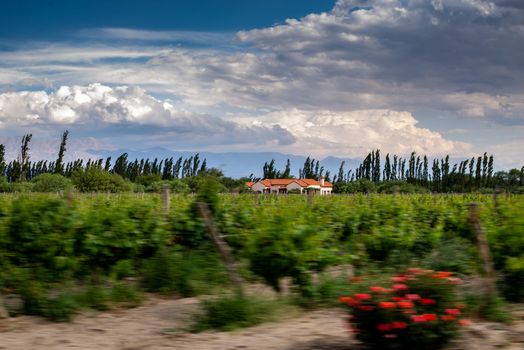
I stepped off the vintage diesel railcar in Maipú, and the sharp, clean scent of toasted French oak, damp alluvial soil, and woodsmoke hit me instantly. It was a crisp Tuesday morning in July. Looking up, the snow-draped peaks of the Andes loomed so close they felt like a painted theatrical backdrop.
While my colleagues in Europe were sweating through a humid, overcrowded 38°C (100°F) summer in Bordeaux—dodging selfie sticks and paying inflated high-season prices—I was holding a glass of Cabernet Franc that tasted of crushed granite, wild thyme, and bruised black plums. It cost a fraction of a Saint-Émilion Grand Cru, and I had the entire cellar to myself.
```
+---------------------------------------------------------------------------------+
| AT A GLANCE |
| Why July 2026 is the Sweet Spot: |
| • Zero Crowds: Skip the summer tourist hordes of Tuscany and Champagne. |
| • Dramatic Backdrops: Sip wine against the snow-capped Andes in full winter glory.|
| • Exceptional Value: Premium tastings at a third of European prices. |
| • Perfect Pairing Weather: Cozy fireside tastings and hearty local gastronomy. |
+---------------------------------------------------------------------------------+
```
The global wine landscape has shifted. In July 2026, the savvy traveler isn't heading to the crowded hills of Tuscany or the parched plains of La Mancha. They are heading south of the equator.
Here are the five South American wine regions currently challenging—and often defeating—Europe's traditional powerhouses.
---
1. Valle de Uco, Argentina: The High-Altitude Rival to Bordeaux
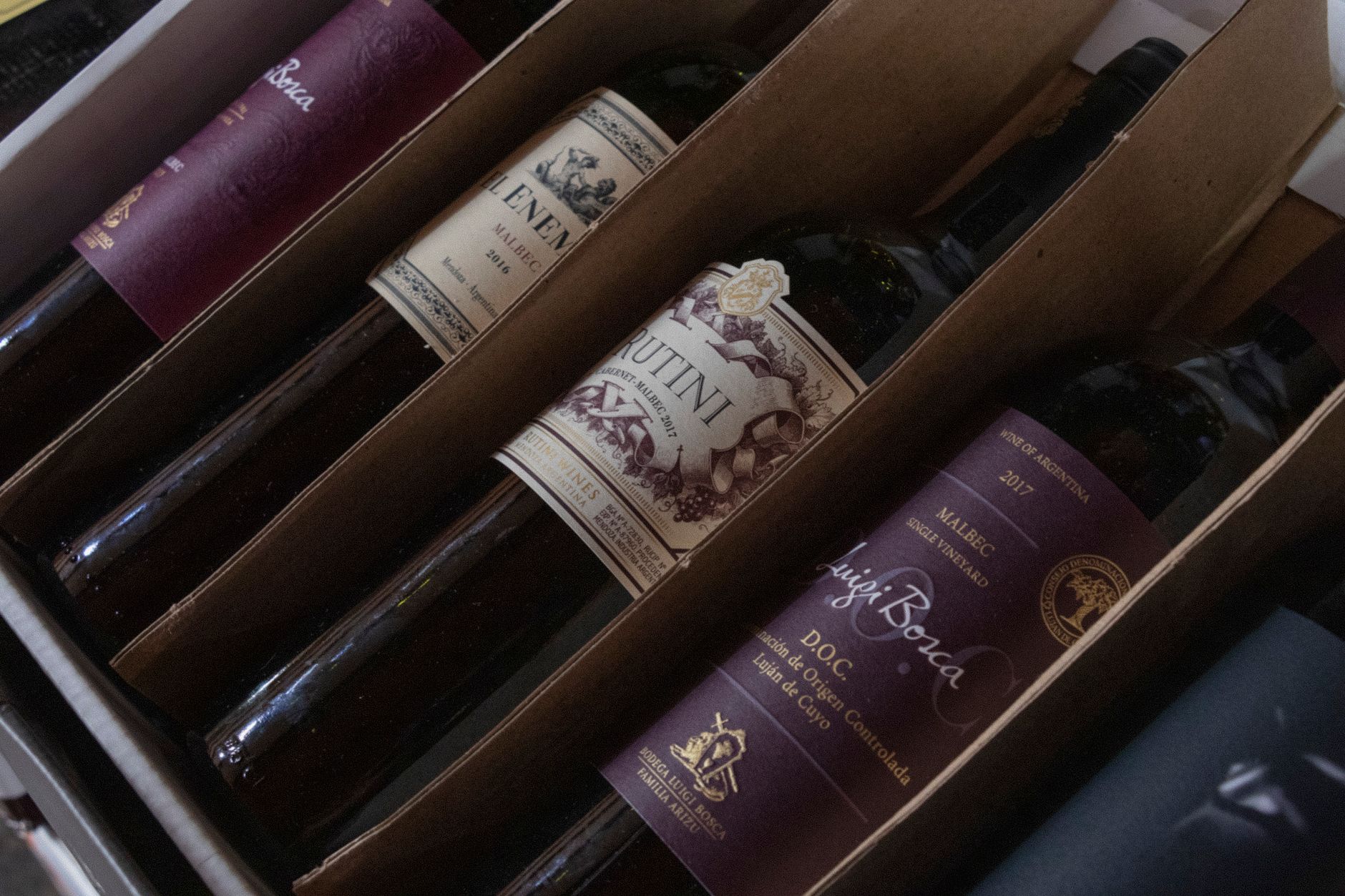
If you think Argentine Malbec is just jammy, high-alcohol fruit bombs, your palate is stuck in 2012. Today, the Valle de Uco—a high-altitude strip running along the base of the Andes southwest of Mendoza city—is producing some of the most intellectual, structurally complex, and mineral-driven red wines on earth.
The Terroir and the Wines
Sitting between 900 and 1,500 meters (3,000 to 5,000 feet) above sea level, the Valle de Uco features extreme diurnal temperature shifts (warm days, freezing nights) and calcium-carbonate-rich gravel soils. This unique geology produces wines with vibrant acidity, chalky tannins, and intense floral aromas.
While Malbec remains king, the real star of July 2026 is Cabernet Franc. It is savory, herbal, and structurally precise, easily rivaling the best of Chinon or Pomerol.
The Estates Revolutionizing the Valley
* Zuccardi Valle de Uco (Piedra Infinita): An architectural masterpiece constructed entirely from local stone. Inside, winemaker Sebastián Zuccardi eschews oak in favor of massive, egg-shaped concrete amphorae to let the pure limestone terroir of Paraje Altamira speak.
* SuperUco: A biodynamic, circular vineyard run by the Michelini brothers. Their wines are wild, low-intervention, and crackling with energy.
```
+---------------------------------------------------------------------------------+
| INSIDER PRO-TIP |
| When visiting Zuccardi, do not just book the standard tasting. Email them three |
| weeks in advance to request a private slot in the "Piedra" room. Here, you can |
| taste their un-oaked, concrete-fermented Aluvional range side-by-side with |
| experimental amphora-aged whites. It is a masterclass in soil science. |
+---------------------------------------------------------------------------------+
```
---
2. Casablanca Valley, Chile: The Cool-Climate Challenger to Burgundy
Two decades ago, Chile was primarily known for cheap, cheerful supermarket Cabernet. Enter the Casablanca Valley. Located just 30 kilometers from the freezing Pacific Ocean, this valley is blanketed in a cold maritime fog every morning, creating a microclimate that mirrors the best of Burgundy or the Sonoma Coast.
Coastal Fog and Crisp Chardonnays
The slow ripening season here allows grapes to retain high natural acidity while developing complex, nuanced flavors. The Chardonnays here are saline, flinty, and bright, with notes of lemon curd and sea spray rather than tropical butter. The Pinot Noirs are pale, earthy, and red-fruited, showing a delicate forest-floor character that will delight any Burgundy purist.
Essential Stops Along the Coast
* Bodegas RE: A quirky, deeply traditional winery where winemaker Pablo Morandé ferments wines in massive, buried clay tinajas (amphorae), just as his ancestors did in the 16th century. Try the "Pinotel"—a bizarre yet brilliant co-fermentation of Pinot Noir and Moscatel.
* Kingston Family Vineyards: A pioneer of artisan, cool-climate red wines in a valley once thought suitable only for whites. Their CJ’s Barrel Pinot Noir is legendary.
```
+---------------------------------------------------------------------------------+
| INSIDER PRO-TIP |
| The coastal fog doesn't burn off until about 11:30 AM in July. Book your first |
| tasting at Kingston for noon. Arrive early and walk up the dirt path behind the |
| main tasting room to the ridge line; you will watch the sea fog roll back toward|
| the Pacific, revealing the frost-dusted vines below. |
+---------------------------------------------------------------------------------+
```
---
3. Cafayate, Argentina: Extreme Altitude Challenging Alsace
To find the world’s highest commercial vineyards, you must travel north to the Salta province. In Cafayate, vines are planted at altitudes starting at 1,600 meters and climbing up to an astonishing 3,111 meters (10,200 feet) at Colomé.
Wines Grown Near the Clouds
The intense solar radiation at this altitude forces the grapes to develop thick, dark skins to protect their seeds. This results in incredibly concentrated, deeply colored reds.
However, the true icon of Cafayate is Torrontés, a highly aromatic white grape. Unlike the sweet, oily versions of the past, Cafayate’s modern Torrontés is dry, crisp, and intensely perfume-forward, bursting with aromas of white peach, jasmine, and orange blossom. It is the southern hemisphere's answer to dry Alsatian Gewürztraminer.
The Architectural Wonders of Salta
* Bodega Colomé: Founded in 1831, this remote estate is home to the James Turrell Museum—a massive, subterranean art installation dedicated entirely to light and space, located in the middle of the high-desert vineyard.
* San Pedro de Yacochuya: A rugged, high-altitude winery producing intensely concentrated, muscular Malbecs and Cabernet Sauvignons under the guidance of legendary flying winemaker Michel Rolland.
```
+---------------------------------------------------------------------------------+
| INSIDER PRO-TIP |
| The road from Salta city to Cafayate (Ruta 68) through the Quebrada de las |
| Conchas is one of the world's most dramatic drives. Plan to leave Salta at |
| 7:30 AM. The morning light hitting the red sandstone formations (like the |
| Garganta del Diablo) is spectacular, and you will arrive in Cafayate just in |
| time for a late lunch of spicy llama empanadas and dry Torrontés. |
+---------------------------------------------------------------------------------+
```
---
4. Colchagua Valley, Chile: The Bold Cabernet Threatening the Rhône and Bordeaux
If your palate leans toward powerful, velvety reds with structure and aging potential, Colchagua is your spiritual home. Often called the "Napa Valley of South America," this warm, sun-drenched valley is protected by both the Coastal Range and the Andes, creating a Mediterranean paradise.
Apalta’s Amphitheater of Vines
Within Colchagua lies the horseshoe-shaped sub-region of Apalta. Here, old-growth, ungrafted vines (some planted in 1920) grow on steep granite slopes.
This is the birthplace of Chile’s icon wines: ultra-premium Carménère (a lost Bordeaux varietal that has found its true home here), Syrah, and Cabernet Sauvignon. These wines are ink-dark, muscular, and complex, showing notes of dark chocolate, black pepper, and fresh tobacco leaf.
Where to Sip and Stay
* Clos Apalta (Lapostolle): A breathtaking six-level, gravity-fed winery carved directly into the granite hillside. The design resembles a wine barrel emerging from the mountain.
* Montes: A stunning facility designed around the principles of Feng Shui, where gregorian chants are played 24/7 in the barrel cellar to soothe the maturing wines.
```
+---------------------------------------------------------------------------------+
| INSIDER PRO-TIP |
| Skip the standard tasting at Montes and book the "Trekking" experience. You’ll |
| hike through the native dry forest slopes of Apalta, learning about the local |
| flora and fauna, before tasting their iconic "M" and "Folly" wines on a private |
| wooden deck overlooking the valley floor. |
+---------------------------------------------------------------------------------+
```
---
5. Maldonado, Uruguay: Ocean-Breezed Tannat Challenging Bordeaux's Left Bank
Uruguay is the dark horse of South American wine, and the coastal region of Maldonado—located just inland from the chic beach resort of Punta del Este—is its crown jewel.
The Coastal Revolution of Garzón
Unlike the heavy, clay-rich soils of Uruguay's traditional Canelones region, Maldonado features thin soils of decomposed granite and a constant, bracing breeze from the Atlantic Ocean.
This is the realm of Tannat. Historically known for being aggressively tannic and rustic, modern coastal Tannat is a revelation. The ocean winds and granite soils yield wines with supple tannins, bright acidity, and a distinct maritime salinity, reminiscent of a great northern Médoc or a robust Syrah from the northern Rhône.
The Gastronomic Pairings
* Bodega Garzón: A state-of-the-art, LEED-certified winery founded by billionaire Alejandro Bulgheroni. The estate features rolling hills of vines interspersed with native forests and olive groves. The on-site restaurant is helmed by legendary chef Francis Mallmann, who cooks exclusively over open fires.
```
+---------------------------------------------------------------------------------+
| INSIDER PRO-TIP |
| Book a late lunch (2:30 PM) at the Bodega Garzón restaurant. Request a table on |
| the terrace overlooking the lake. Order the wood-fired ribeye paired with their |
| single-vineyard Tannat. After lunch, ask your server to show you the hidden, |
| wood-paneled spirits library tucked behind the main dining room. |
+---------------------------------------------------------------------------------+
```
---
Logistics, Budgets, and Insider Secrets for July 2026
Planning a wine trip to South America during the southern winter requires a bit of strategy.
Because July is winter, temperatures can range from a crisp 5°C (41°F) in the mornings to a comfortable 18°C (64°F) in the sunny afternoons. Pack layers, a windproof jacket, and comfortable, sturdy boots for walking through damp vineyards.
Quick Facts & Budget Estimator (July 2026)
| Region | Avg. Daily Cost (USD) | Best Entry Point | Transit Strategy | Hidden Gem Winery |
| :--- | :--- | :--- | :--- | :--- |
| Valle de Uco (Argentina) | $180 - $350 | Mendoza Airport (MDZ) | Remís (private driver) or rental car | SuperUco (Biodynamic, raw wines) |
| Casablanca (Chile) | $200 - $400 | Santiago Airport (SCL) | Rental car or private tour from Santiago | Bodegas RE (Clay amphora aging) |
| Cafayate (Argentina) | $120 - $220 | Salta Airport (SLA) | Rental car (Ruta 68 is fully paved) | San Pedro de Yacochuya |
| Colchagua (Chile) | $220 - $450 | Santiago Airport (SCL) | Private driver or express train to San Fernando | Viu Manent (Excellent horse-drawn carriage tours) |
| Maldonado (Uruguay) | $250 - $500 | Montevideo (MVD) or Punta del Este (PDP) | Rental car | Alto de la Ballena (Ocean-view tastings) |
---
The Verdict: Why South America Wins in 2026
Europe’s historic wine regions will always have their charm, but they are increasingly victims of their own success. Rising temperatures are pushing alcohol levels to uncomfortable heights, and the sheer volume of tourists has turned casual tastings into rigid, over-monetized transactions.
South America in July 2026 offers something that has largely disappeared from the old world: a sense of raw, untamed discovery.
Here, you can still chat with the head winemaker over a glass of wine, walk through vineyards without velvet ropes, and taste some of the world's most exciting, terroir-driven bottles against a backdrop of pristine, snow-covered mountains.
The old world may have written the rules of wine, but the new world is currently rewriting them.
---