The Sweetest Journey: My First Taste of True Bean-to-Bar Chocolate
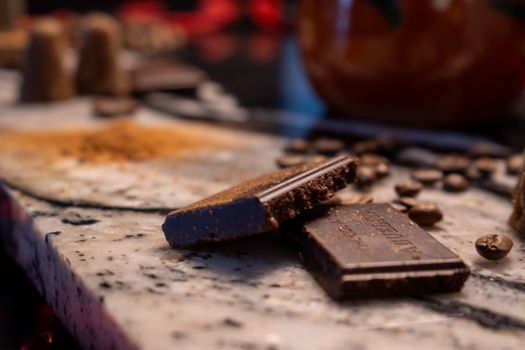
I stepped off the train in a small Swiss village, the air crisp and carrying the faint, almost intoxicating aroma of roasted cacao. It wasn't the overpowering sweetness you get from mass-produced candy, but something deeper, earthier, with whispers of fruit and spice. My mission? To unravel the mystery of chocolate, not from a wrapper, but from its very origin: the humble cacao bean. This wasn't just a trip; it was a pilgrimage for my palate, guided by the seasoned wisdom of travel advisors who know the world's most delectable secrets.
From Cacao Pod to Chocolate Bar: An Insider's Look
The world of bean-to-bar chocolate is a revelation. It's about understanding the journey, the meticulous craft, and the passionate individuals who transform a bitter bean into a bar of pure joy. Travel advisors specializing in culinary journeys often point us towards destinations where this magic happens, connecting us with artisans who are as dedicated to their craft as they are to sustainability and ethical sourcing.
The Cacao Bean: The Heart of the Matter
My journey began not in a gleaming factory, but on a sun-drenched cacao farm in Ecuador. The air hummed with life – buzzing insects, rustling leaves, and the distant chatter of farmers. Seeing cacao pods, vibrant in shades of crimson and gold, hanging directly from the trunk of trees was a revelation. These aren't just fruits; they are the genesis of every chocolate lover's dream.
- Pro-Tip: When visiting a farm, wear sturdy, closed-toe shoes. The terrain can be uneven, and you'll be walking amongst the trees. Also, bring a wide-brimmed hat; the equatorial sun is no joke!
The pods are harvested by hand, a delicate process to avoid damaging the tree. Inside, the beans are nestled within a sweet, tangy pulp. This pulp is crucial; it ferments the beans, developing the complex flavor precursors that will later define the chocolate.
Fermentation and Drying: The Flavor Foundation
This is where the magic truly begins to develop. The beans, still encased in their pulp, are piled into wooden boxes or banana leaves and left to ferment for several days. The heat generated by the natural yeast and bacteria is intense, and the aroma is surprisingly complex – a little sour, a little alcoholic, and undeniably chocolatey.
- Pro-Tip: Ask your guide about the fermentation process. Different regions and farmers use unique methods, influencing the final flavor profile. Some might use specific wood for their fermentation boxes, imparting subtle notes.
After fermentation, the beans are spread out on large patios or raised beds to dry in the sun. This reduces their moisture content, preventing mold and further developing their flavor. Watching the beans transform from a moist, pale mass to a dry, brittle, and darker state is fascinating.
Roasting: Unlocking the Aroma
This is where the chocolate’s signature aroma truly emerges. Beans are roasted at specific temperatures for precise durations. Too low, and the flavor remains undeveloped; too high, and they can burn, creating a bitter, acrid taste. Each origin and varietal of cacao requires a unique roasting profile.
- Insider Language: Roasters often talk about "developing the roast." This refers to achieving the perfect balance of flavor notes – from fruity and floral to nutty and earthy.
Grinding and Conching: The Silky Smoothness
Once roasted and cracked, the beans are winnowed – their outer shells are removed, leaving behind the precious cacao nibs. These nibs are then ground. Initially, this creates a coarse paste, but through a process called conching, where the chocolate is agitated and aerated for hours, even days, the texture becomes incredibly smooth and the flavors meld beautifully.
- Pro-Tip: Look for "long conch" chocolates. This indicates a more extensive conching process, resulting in a superior, velvety texture.
Tempering and Molding: The Final Polish
The final steps involve tempering – a precise process of heating and cooling the chocolate to stabilize the cocoa butter crystals, giving it a glossy finish and a satisfying snap – and then molding it into bars. This is where the chocolatier’s artistry truly shines, with unique inclusions and designs.
Top Destinations for Bean-to-Bar Adventures
The world is your oyster when it comes to experiencing chocolate making firsthand. Travel advisors have curated some truly exceptional experiences.
Ecuador: The Cradle of Cacao
- Why Visit: Ecuador is home to the Arriba Nacional cacao bean, renowned for its complex, floral, and fruity notes. Many small, family-run farms are opening their doors to visitors.
- Pro-Tip: Visit the regions of Esmeraldas or Manabí for authentic farm experiences. Look for cooperatives that emphasize sustainable farming and fair trade practices.
- Insider Language: "The aroma of the fermentation is a symphony of the tropics."
Switzerland: The Land of Chocolate Masters
- Why Visit: While cacao doesn't grow here, Switzerland is the undisputed king of chocolate craftsmanship. Many artisan chocolatiers offer workshops and tours where you can learn about the bean-to-bar process and refine your own creations.
- Pro-Tip: Book a private workshop with a master chocolatier in Zurich or Geneva for an ultra-personalized experience.
- Insider Language: "The precision in tempering here is second to none; it’s an art form."
Mexico: The Ancient Roots of Chocolate
- Why Visit: Mexico is where chocolate’s story began. Explore ancient Mayan and Aztec traditions, visit cacao plantations in the Yucatan, and learn about the historical significance of cacao.
- Pro-Tip: Seek out tours that include visits to archaeological sites where cacao played a role in ancient rituals.
- Insider Language: "The traditional 'mole' spice blend is a testament to cacao’s savory versatility."
Belize: Untamed Cacao Treasures
- Why Visit: Belize boasts a rich history of cacao cultivation, with many indigenous communities preserving ancient techniques. It's an excellent place for eco-tourism combined with chocolate discovery.
- Pro-Tip: Stay at an eco-lodge that partners with local cacao farmers for an immersive experience.
- Insider Language: "The jungle canopy provides the perfect microclimate for these precious beans."
Ghana: The Dark Chocolate Powerhouse
- Why Visit: As one of the world's largest cacao producers, Ghana offers insights into large-scale cacao farming and its economic impact. Many initiatives are focused on improving farmer livelihoods.
- Pro-Tip: Choose tours that highlight ethical sourcing and community empowerment projects.
- Insider Language: "Understanding the global supply chain from the farmer's perspective is eye-opening."
Planning Your Chocolate Adventure: Quick Facts
| Aspect | Estimated Cost ($) | Best Time to Visit | How to Get There |
| :------------------ | :----------------- | :----------------------------------------------- | :------------------------------------------------------------------------------ |
| Ecuador (Farm) | $150 - $500 (per day) | Dry season (June-October) | Fly into Guayaquil (GYE) or Quito (UIO), then take domestic flights/buses. |
| Switzerland (Workshop) | $200 - $800 (per workshop) | Year-round, but spring/fall offer pleasant weather. | Fly into Zurich (ZRH), Geneva (GVA), or Basel (BSL). Excellent train network. |
| Mexico (Yucatan) | $100 - $400 (per day) | Dry season (November-April) | Fly into Cancun (CUN) or Merida (MID). Rent a car or use ADO buses. |
| Belize (Eco-Lodge) | $200 - $600 (per day) | Dry season (December-May) | Fly into Philip S. W. Goldson International Airport (BZE). Inland transport varies. |
| Ghana (Farm) | $100 - $300 (per day) | Dry season (November-March) | Fly into Kotoka International Airport (ACC). Domestic travel by taxi/bus. |
Note:
Costs are estimates and can vary significantly based on the luxury level, duration, and specific inclusions of your chosen tour.
The Traveler's Toolkit: What to Pack and Know
- Comfortable Walking Shoes: Essential for farm visits and factory tours.
- Lightweight, Breathable Clothing: Especially for tropical destinations.
- Insect Repellent: Crucial for cacao-growing regions.
- Sunscreen & Hat: Protection from the sun is vital.
- Small Notebook & Pen: To jot down tasting notes and insights.
- Open Mind & Adventurous Palate: The most important items!
- Learn a Few Local Phrases: A little effort goes a long way with local communities.
Beyond the Bar: The Impact of Your Journey
Choosing bean-to-bar travel isn't just about indulging your sweet tooth. It's about supporting sustainable agriculture, ethical labor practices, and preserving artisanal traditions. When you engage directly with makers and farmers, you gain a profound appreciation for the effort and passion that goes into every bite.
- Pro-Tip: Look for certifications like Fair Trade, Rainforest Alliance, or B Corp when choosing chocolate brands and tour operators.
- Insider Language: "Supporting direct trade means the farmer receives a fairer price, enabling them to invest in their land and community."
My journey from train station to chocolate bar was more than I could have imagined. I learned to distinguish the subtle notes of a wild-fermented Ecuadorian bean from the robust character of a Ghanaian one. I saw the meticulous care that goes into every stage, from the lush cacao grove to the final, glossy bar. This is the kind of travel that nourishes the soul and delights the senses. So, are you ready to embark on your own delicious adventure?
---