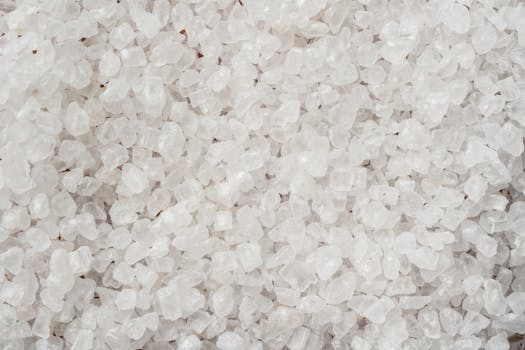
The air, thin and crisp, hit me like an exhilarating slap as I stepped off the rattling bus. It carried the faint, clean tang of minerals, a scent so pure it felt like inhaling the essence of the earth itself. Before me, stretching to an impossibly distant horizon, was a blinding expanse of crystalline white, a landscape so otherworldly it seemed to shimmer with its own internal light. This wasn't just any salt flat; this was a living, breathing larder, where nature's culinary magic was about to be harvested. And I was here, in January 2026, to witness it.
The Allure of the January Harvest: Why Now is the Time
January. For many, it's resolutions and the lingering chill of winter. But for the discerning traveler and the passionate foodie, January marks a pivotal moment in specific corners of the globe: the peak season for harvesting some of the world's most exquisite gourmet salts. These aren't your supermarket iodized cubes; we're talking about salts born from ancient seas, evaporated under intense sun, and imbued with a complex minerality that elevates any dish. The unique atmospheric conditions of January in certain high-altitude or coastal salt flats create the perfect environment for the formation of these prized crystals, making it the prime time to witness the harvest and, more importantly, to taste the fruits of this incredible natural process.
The Magic of Place: Beyond the Salt Crystal
What makes these salt flats so special isn't just the salt itself. It's the entire ecosystem, the stark beauty, the resilient flora and fauna, and the generations of knowledge that go into its extraction. These are places where the silence is profound, broken only by the crunch of salt underfoot or the distant cry of a bird. The vastness humbles you, the endless white mirroring the sky, blurring the lines between earth and heaven. Visiting during the harvest season adds a layer of vibrant human activity to this serene tableau, a testament to the enduring relationship between humanity and the land.
Spotlight: The Salar de Uyuni, Bolivia – A January Spectacle
The Salar de Uyuni, the world's largest salt flat, is often on bucket lists for its surreal "mirror effect" during the rainy season. But come January, the landscape transforms. While the water might have receded, the intense dry season sun begins its work, concentrating the briny waters and initiating the crystallization process. This is when the local communities, the custodians of this vast white desert, gear up for their harvest.
Harvesting the Bolivian White Gold
Pro-Tip:
While the mirror effect is a wet-season marvel, January offers a unique dry-season spectacle. The salt crust is firm, perfect for exploring, and the harvesting activities are in full swing. Aim for early mornings to experience the crisp air and the soft, golden light.
The harvesting process here is a blend of tradition and necessity. Teams of workers, often using traditional methods alongside more modern machinery, meticulously rake and gather the salt. You'll see piles of glistening crystals forming, ready to be transported. The sheer scale of this operation is breathtaking.
Insider's Insight:
Don't just look; taste. Many local cooperatives offer small samples of freshly harvested salt. You'll notice subtle differences – a hint of earthiness, a delicate sweetness – that you won't find in processed salts.
Chile's Atacama Salt Flat: A Desert Oasis of Flavor
Further south, the Atacama Salt Flat (Salar de Atacama) in Chile presents a different, yet equally captivating, scene. This is one of the driest places on Earth, and its salt production is deeply intertwined with the region's unique geology and the indigenous cultures that have thrived here for millennia.
The Art of Atacama Salt
Pro-Tip:
To truly appreciate the Atacama, consider a guided tour that includes a visit to a local salt mine and a tasting session. The guides often share fascinating insights into the geological history and the traditional harvesting techniques.
Here, the salt is harvested from brine pools, a more controlled environment that allows for the extraction of specific mineral profiles. The resulting salts are prized for their purity and their distinctive mineral content, often including trace elements that contribute to their subtle flavors.
Authentic Experience:
Look for "flor de sal" or "flower of salt" – delicate, flaky crystals that form on the surface of the brine pools. This is a highly prized delicacy, often harvested by hand. The taste is pure, clean, and incredibly versatile.
Beyond the Big Names: Lesser-Known Gems for January 2026
While Uyuni and Atacama steal the spotlight, the world is dotted with smaller, equally remarkable salt flats where gourmet salt harvesting takes place. These often offer a more intimate and authentic experience.
The Salar de Arizaro, Argentina: A Volcanic Whisper
Tucked away in the Puna de Atacama, the Salar de Arizaro is Argentina's largest salt flat, a vast, desolate landscape with a unique volcanic history. The minerals here are said to be particularly potent.
Pro-Tip:
Access to Arizaro can be challenging and often requires a 4x4 vehicle and a local guide. This remoteness, however, ensures an unparalleled sense of discovery. January offers clear skies and relatively stable weather.
Local Flavor:
Engage with local guides about the traditional uses of the salt beyond culinary applications, which often include medicinal or spiritual practices.
The Great Salt Lake, USA: A Modern Harvest with Ancient Roots
While not as ancient or remote as its South American counterparts, the Great Salt Lake in Utah is a significant producer of artisanal salts. January here means crisp air and a stark, beautiful landscape, though the harvesting methods are more industrialized.
Insider's Tip:
Seek out small, independent producers who focus on artisanal harvesting. They often have visitor centers or small shops where you can learn about their process and purchase their unique salt blends. Look for salts infused with local herbs or minerals.
The Gourmet Salt Experience: Tasting the Terroir
Experiencing a salt flat during harvest season is a multi-sensory journey. It’s about the visual spectacle of the vast, white plains, the feeling of the mineral-rich dust on your skin, and most importantly, the taste.
What to Look For in Gourmet Salt
- Minerality: The subtle nuances derived from the unique geological makeup of each salt flat. This is what differentiates gourmet salt from common table salt.
- Texture: From fine crystals to large, flaky shards, the texture impacts how the salt dissolves and interacts with food.
- Purity: Minimal processing ensures that the natural mineral composition is preserved.
Pro-Tip:
Bring a small notebook to jot down your tasting notes. Compare the salts you try from different regions and note the subtle differences in flavor profile and texture.
Planning Your January 2026 Salt Flat Adventure
Embarking on a journey to a salt flat harvest requires careful planning. These are often remote locations with specific logistical challenges.
Quick Facts for January 2026 Salt Flat Travel
| Feature | Salar de Uyuni, Bolivia | Salar de Atacama, Chile | Salar de Arizaro, Argentina | Great Salt Lake, USA (Artisanal) |
| :------------------- | :---------------------------------------------------- | :----------------------------------------------------- | :-------------------------------------------------------- | :--------------------------------- |
| Estimated Cost ($) | Mid-range ($100-200/day for tours) | Mid-range ($120-250/day for tours) | High-end ($300-500+/day for remote expeditions) | Low to Mid-range ($50-150/day) |
| Best Time to Visit | January (Dry season, harvest activities) | January (Dry season, good visibility) | January (Dry season, stable weather) | January (Crisp air, fewer crowds) |
| How to Get There | Fly to La Paz or Santa Cruz, then domestic flight to Uyuni. Bus from Sucre/Potosi. | Fly to Calama, then bus/transfer to San Pedro de Atacama. | Fly to Salta or Córdoba, then extensive overland travel with 4x4. | Fly to Salt Lake City. |
| Key Experience | Vast mirror effect (post-rain), salt hotel, harvesting tours. | Geysers, flamingos, stargazing, salt mine tours. | Immense scale, volcanic landscapes, remote exploration. | Artisanal salt producers, unique blends. |
Logistics Lowdown:
- Altitude Sickness: Many salt flats are at high altitudes. Acclimatize properly, stay hydrated, and consider medication.
- Sun Protection: The glare from the salt is intense. Pack high SPF sunscreen, sunglasses, and a wide-brimmed hat.
- Hydration: Drink plenty of water. The dry air and altitude can dehydrate you quickly.
- Connectivity: Wi-Fi and cell service can be spotty or non-existent. Embrace the digital detox.
- Respect Local Culture: These are often indigenous lands. Be mindful of local customs and ask permission before taking photos of people.
The Future of Salt: Sustainability and Culinary Innovation
As the demand for gourmet, artisanal salts grows, so does the focus on sustainable harvesting practices. Many communities are working to ensure that these precious natural resources are managed responsibly for future generations.
Insider's Take:
When purchasing salt, look for producers who emphasize ethical sourcing and minimal environmental impact. Supporting these initiatives ensures the long-term health of these unique ecosystems.
Your Culinary Pilgrimage Awaits
January 2026 offers a unique window into a world where culinary artistry meets geological wonder. These salt flats are more than just sources of seasoning; they are landscapes that inspire, challenge, and nourish. To witness the harvest is to connect with the very essence of the earth, to taste its purest form, and to understand that some of the world's most exquisite flavors are born from the most stark and beautiful environments. Don't just dream of it; plan your pilgrimage. The salt is waiting.