The Day the Old World Lost Its Grip
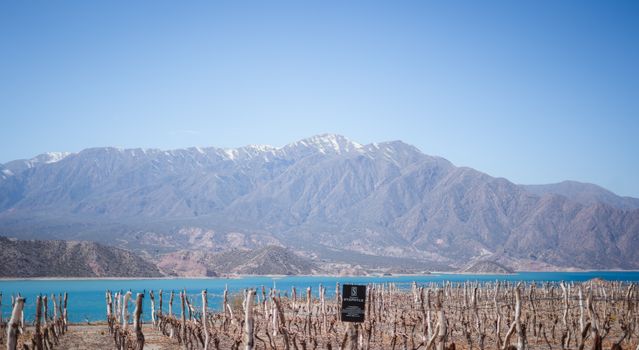
I stepped off the bed of a dusty, mud-spattered Toyota Hilux at 1,300 meters above sea level, and my lungs instantly registered the thin, razor-sharp Andean air. The scent of wild jarilla—a resinous local scrub that smells of desert rain and pine—clung to my wool sweater. Around me, the Gualtallary district of Argentina's Valle de Uco stretched out like a moonscape of pale, chalky stones, capped by the sheer, snow-blocked wall of the Tupungato volcano.
I picked up a chunk of limestone-coated gravel. It looked identical to the classic soils of Chablis or Champagne, yet here I was in the southern hemisphere, tasting a Cabernet Franc that possessed the structural elegance of a top-tier Saint-Émilion but with a wild, untamed energy that Europe simply cannot replicate.
```
[The Andes Mountains]
/ \
/ \ <-- Extreme UV Light & 1,300m+ Altitude
/ [Vines] \
/_____________\
[Limestone Soil] <-- Chalky, Mineral-rich Terroir
```
For decades, South America was pigeonholed as the home of cheap, jammy supermarket wines. But over the last five years, a quiet revolution has taken place. Armed with rigorous soil mapping, extreme altitude viticulture, and a fierce dedication to ancestral techniques, South American winemakers are beating Europe at its own game.
If you want to taste the future of wine before the rest of the world catches on, these are the six regions you need to put on your radar immediately.
---
1. Valle de Uco, Argentina: The High-Altitude Threat to Bordeaux
```
+-------------------+--------------------------------------------------+
| Key Varietals | Malbec, Cabernet Franc, Chardonnay |
+-------------------+--------------------------------------------------+
| Elevation | 900 to 1,500 meters |
+-------------------+--------------------------------------------------+
| Soil Profile | Alluvial gravels coated in calcium carbonate |
+-------------------+--------------------------------------------------+
```
To understand why Bordeaux producers are quietly buying up land in Mendoza, you have to head south of the city to the Valle de Uco. This is not the flat, hot desert of eastern Mendoza that produced the oak-heavy fruit bombs of the early 2000s. This is a high-altitude frontier where extreme diurnal temperature swings (sometimes dropping 22°C/40°F in a single night) preserve mouth-watering acidity in the grapes.
In sub-regions like Gualtallary and Paraje Altamira, winemakers are ditching new French oak barrels in favor of unlined concrete eggs and large, neutral oak foudres. The goal? To let the stony, mineral-rich soils speak. The resulting Malbecs and Cabernet Francs are tense, savory, and loaded with chalky tannins that mimic the finest Right Bank Bordeaux, but with an added layer of mountain herb complexity.
- The Vibe: Sleek, minimalist concrete architecture set against the jaw-dropping backdrop of the Andes.
- Pro-Tip: To taste the cult, low-intervention wines of SuperUco without a reservation nightmare, head to the tiny wine shop behind the wooden gate at Postales de Uco at exactly 11:30 AM. The winemaker’s cousin often opens back-vintage bottles for walk-ins.
---
2. Itata Valley, Chile: The Ancestral Rebellion Challenging Beaujolais
```
+-------------------+--------------------------------------------------+
| Key Varietals | País, Cinsault, Moscatel de Alejandría |
+-------------------+--------------------------------------------------+
| Vine Age | 100 to 300+ years old (ungrafted) |
+-------------------+--------------------------------------------------+
| Soil Profile | Decomposed granite and quartz |
+-------------------+--------------------------------------------------+
```
While northern Chile is famous for dry, sun-baked valleys, the southern Itata Valley is a lush, rolling landscape of green hills, pine forests, and ancient, dry-farmed vineyards. This is the birthplace of Chilean viticulture, where Spanish conquistadors planted vines in the 1500s.
For centuries, these ancient vines of País (the original Mission grape) and Cinsault were ignored by major commercial wineries. Today, they are the darling of the global natural wine scene. Winemakers here are utilizing ancestral techniques—using wild yeasts, fermenting in clay tinajas (amphorae), and eschewing filtration.
The wines are light-bodied, pale in color, and bursting with wild strawberry, white pepper, and a distinct smoky minerality. If you love Cru Beaujolais or Jura reds, Itata will blow your mind.
- The Vibe: Deeply rustic, foggy mornings, and winding dirt roads lined with gnarled, head-trained vines that look like bonsai trees.
- Pro-Tip: The best way to meet the natural winemakers of Guarilihue is to look for the unmarked dirt road off Route N-40. Follow the hand-painted sign that says "Vino de Tinaja" to find the garage-style tasting rooms of local growers who still crush grapes by hand on bamboo screens (zarandas).
---
3. Garzón & Maldonado, Uruguay: The Atlantic Maverick Challenging Bolgheri
```
+-------------------+--------------------------------------------------+
| Key Varietals | Tannat, Albariño |
+-------------------+--------------------------------------------------+
| Climate | Maritime (Atlantic-influenced) |
+-------------------+--------------------------------------------------+
| Soil Profile | Ballast (ancient, decomposed granite) |
+-------------------+--------------------------------------------------+
```
Uruguay is the unsung hero of South American wine, and the coastal region of Maldonado, specifically around the rolling hills of Garzón, is leading the charge. This region sits just miles from the Atlantic Ocean, enjoying constant, cooling sea breezes that prevent the rot and mildew typical of humid climates.
The star grape here is Tannat, a variety native to Madiran in southwest France. In France, Tannat is notoriously astringent and requires years of aging to become drinkable. In Garzón's ancient, decomposed granite soils (known as ballast), Tannat transforms into something majestic: velvety, deep, and packed with dark plum, cocoa, and a briny, oceanic salinity. It easily rivals the boldest Super Tuscans of Bolgheri.
- The Vibe: Ultra-exclusive, wind-swept hills, and olive groves that make you feel like you've crossed into a wealthier, coastal version of Tuscany.
- Pro-Tip: Skip the main, crowded tasting room at Bodega Garzón and book a private tasting at the nearby boutique estate Viña Edén. Arrive at 5:30 PM to catch the sunset over the stony terraces while sipping their steel-tank-aged Tannat—it has a mineral tension you won't find anywhere else.
---
4. Cafayate, Salta, Argentina: Extreme Altitude Challenging Alsace
```
+-------------------+--------------------------------------------------+
| Key Varietals | Torrontés, Malbec, Cabernet Sauvignon |
+-------------------+--------------------------------------------------+
| Elevation | 1,700 to 3,000+ meters |
+-------------------+--------------------------------------------------+
| Soil Profile | Sandy, deep alluvial soils |
+-------------------+--------------------------------------------------+
```
Located in the far north of Argentina, Cafayate is home to some of the highest commercial vineyards on earth. At 1,700 to over 3,000 meters above sea level, the sun’s ultraviolet radiation is incredibly intense. To protect themselves, the grapes develop thick skins, resulting in wines of unparalleled concentration, color, and structure.
While the reds here are muscular and age-worthy, the true disruptor is Torrontés. This indigenous white grape produces an intensely aromatic wine filled with notes of jasmine, orange blossom, and fresh peach. However, unlike sweet Gewürztraminers or Muscat from Alsace, a great Cafayate Torrontés finishes bone-dry with a bracing, saline acidity that cuts through fatty foods like a laser.
- The Vibe: Dramatic red-rock canyons, colonial architecture, and dusty plazas where time has stood still.
- Pro-Tip: To experience the true salinity of high-altitude Torrontés, hike the Quebrada de las Conchas early in the morning, then head straight to San Pedro de Yacochuya at 12:30 PM. Order the local empanadas salteñas (stuffed with hand-cut beef and potatoes) to pair with their old-vine whites.
---
5. Casablanca & San Antonio Valleys, Chile: Cool-Climate Contenders Challenging Burgundy
```
+-------------------+--------------------------------------------------+
| Key Varietals | Pinot Noir, Sauvignon Blanc, Syrah |
+-------------------+--------------------------------------------------+
| Climate | Cool-climate maritime (Humboldt Current) |
+-------------------+--------------------------------------------------+
| Soil Profile | Clay and decomposed granite |
+-------------------+--------------------------------------------------+
```
Just a short drive from Valparaíso, the Casablanca and San Antonio valleys are defined by the cold Humboldt Current flowing up from Antarctica. Every morning, a thick blanket of marine fog rolls into the vineyards, keeping temperatures cool until midday.
This is Chile's premier cool-climate playground. The Pinot Noirs from these valleys have a savory, earthy character, showing notes of wild beetroot, black tea, and tart cherry that closely mimic the classic elegance of Côte de Nuits Burgundy. Meanwhile, the Sauvignon Blancs are flinty, herbaceous, and possess a mouth-watering acidity that rivals the best of Sancerre.
- The Vibe: Cool, breezy, and coastal, with modern wineries designed to maximize sustainable and biodynamic production.
- Pro-Tip: At Bodegas RE, ask for the "RE Pinotel"—an unconventional, co-fermented blend of Pinot Noir and Moscatel made in massive, underground clay vessels. The entrance is tricky to spot; look for the rusted iron gate marked only with a small, minimalist "RE" monogram.
---
6. Apalta, Colchagua Valley, Chile: The Bold Red Aristocracy Challenging Napa
```
+-------------------+--------------------------------------------------+
| Key Varietals | Carmenere, Cabernet Sauvignon, Syrah |
+-------------------+--------------------------------------------------+
| Climate | Warm Mediterranean |
+-------------------+--------------------------------------------------+
| Soil Profile | Colluvial granite and clay |
+-------------------+--------------------------------------------------+
```
If you love the opulent, structured reds of Napa Valley or the northern Rhône, Apalta is your spiritual home. This horseshoe-shaped sub-region within the larger Colchagua Valley acts as a natural amphitheater, trapping heat during the day while receiving cool evening breezes from the Tinguiririca River.
Apalta is the undisputed kingdom of Carmenere, a lost Bordeaux varietal that has found its ultimate expression in these granite-rich soils. The best Carmenere from Apalta is dark, velvety, and complex, featuring flavors of ripe blackberry, dark chocolate, and a signature savory hint of green bell pepper and fresh tobacco leaf.
- The Vibe: High-end, luxury wine estates, gravity-flow architecture, and manicured vineyard gardens.
- Pro-Tip: To avoid the luxury price tag of the famous estates, book a tasting at Neyen. Their property features 130-year-old, ungrafted Carmenere and Cabernet Sauvignon vines planted by the pioneer families of the valley. Walk the historic adobe cellar built in 1890—it is one of the oldest functional cellars in Chile.
---
Quick Facts & Travel Logistics
To help you plan your journey, here is a breakdown of the logistics and estimated costs for visiting these world-class wine regions.
| Wine Region | Best Time to Visit | Est. Daily Budget ($/USD) | Key Varietal to Buy | Closest Airport & Transport |
| :--- | :--- | :--- | :--- | :--- |
| Valle de Uco (Argentina) | March – May (Harvest/Fall) | $150 - $300 (Mid to High) | Cabernet Franc / Malbec | Mendoza (MDZ). Rent a 4x4 vehicle; many vineyard roads are unpaved gravel. |
| Itata Valley (Chile) | November – March (Summer) | $70 - $120 (Budget-friendly) | Old-vine País / Cinsault | Concepción (CCP). Rent a compact car; use offline GPS maps for rural roads. |
| Garzón (Uruguay) | December – February (Summer) | $200 - $450 (Luxury) | Tannat / Albariño | Montevideo (MVD) or Punta del Este (PDP). Private driver recommended. |
| Cafayate (Argentina) | April – June (Crisp & Sunny) | $80 - $150 (Moderate) | Torrontés | Salta (SLA). Rent a car and drive the scenic Route 68 canyon. |
| Casablanca (Chile) | October – April (Spring/Summer)| $120 - $220 (Moderate) | Pinot Noir / Sauvignon Blanc | Santiago (SCL). Easily accessible via day-trip tours or rental car. |
| Apalta (Chile) | March – May (Harvest) | $180 - $350 (Mid to High) | Carmenere | Santiago (SCL). Take the train to San Fernando, then hire a local taxi. |
---
The Verdict: Why the Old World is Worried
European wine regions are bound by strict, archaic appellation laws that dictate exactly which grapes can be planted, how they must be irrigated, and how long they must be aged in oak. South American winemakers face no such constraints.
This freedom, combined with some of the most diverse, high-altitude, and coastal terroirs on the planet, has created a hotbed of liquid innovation. The wines coming out of these regions right now are not copycats; they are highly original, site-specific masterpieces that offer incredible value for collectors and casual drinkers alike.
Pack your bags, secure your tasting reservations, and head south. The wine world has a new axis, and it is spectacular.
---