Cheese caves are natural or purpose-built cellars where certain cheeses are aged under carefully controlled conditions of temperature, humidity and airflow. Some caves have been used for centuries because the cool, stable environment suits slow maturation. Others are modern facilities designed to replicate those conditions. A number of these sites welcome visitors, offering guided walks, explanations of the ageing process and tastings of cheeses at different stages. For food travelers, they provide a close look at a craft that is often hidden from view. This guide describes what to expect, where caves are commonly found, and how to plan a visit.
What happens inside a cheese cave
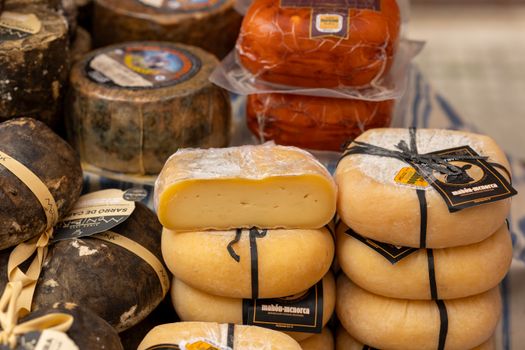
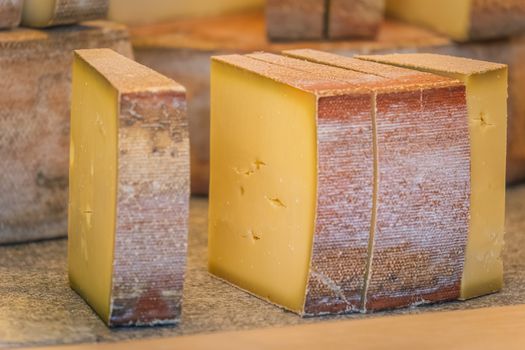
Ageing, sometimes called affinage, is the stage between making a cheese and selling it. During this period, wheels or blocks are turned, brushed, washed or wrapped depending on the style. Temperature and humidity are monitored because they influence moisture loss, rind development and flavour. Some cheeses develop their character from moulds or bacteria on the surface, while others mature from the inside outward. Caves can be a place for patient work, where affineurs check progress by sight, smell and touch.
Understanding this process makes a visit more meaningful. When a guide explains why a wheel has been turned or why a rind has changed colour, the cheese on the tasting plate becomes easier to appreciate.
Where cheese caves are found
Cheese caves are most common in regions with a long tradition of dairy farming. Mountainous areas in parts of France, Switzerland and Italy have historic cellars carved into rock or built into hillsides. The Jura mountains are known for cellars used to age certain Alpine-style cheeses. In southern France, some limestone caves have been used for centuries to age blue cheeses. Other regions in Europe, North America and beyond have newer ageing facilities that welcome visitors through farm shops or cheesemakers' premises.
Because individual sites change their opening arrangements, check directly with the producer or regional tourist board rather than relying on general guides. Many smaller operations open only on certain days, and some are closed during parts of the year for production.
What a typical tour includes
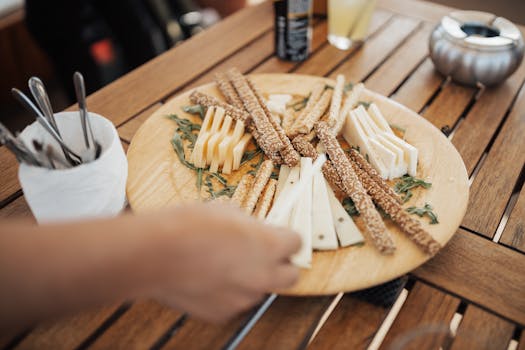
Tours vary in length and format. A typical visit might begin with an introduction to the dairy and the milk used, followed by an explanation of how the cheese is made. The guide may then take you into the cave or cellar, where you can see rows of wheels, sometimes in different stages of ageing. A tasting session usually follows, with samples of young and mature cheeses and sometimes accompaniments such as bread, fruit or local wine. Some visits include a demonstration of cutting or wrapping.
Expect a cool environment inside caves, so bring a light layer. Stairs, uneven floors and low ceilings are common, and it is wise to check accessibility details before booking if you have mobility needs.
Tastings and buying cheese
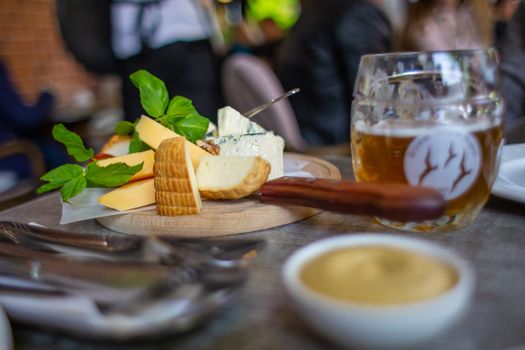
Tastings are often one of the highlights, because they let you compare cheeses from the same dairy at different ages. Ask the guide to explain the differences in texture, aroma and flavour. Tasting etiquette is simple: take small pieces, eat slowly and pace yourself, particularly if you plan to visit several producers in one day.
Many cheesemakers sell directly from the shop on site. If you intend to carry cheese home or onward, check the rules on importing dairy products, as these vary widely between countries and can restrict some items. Ask the seller for advice on how to keep the cheese fresh during travel.
Choosing a good visit
Look for producers who explain their methods clearly and who are happy to answer questions. Small family dairies may offer more personal visits, while larger operations often have more structured tours. Read recent descriptions to see what is included and whether tours are available in your language. If you have dietary requirements, mention them in advance, since tastings may include raw milk products or other items that not everyone can eat.
Combine cheese visits with other local experiences where possible. Many cheese regions also produce wine, cured meat, bread and seasonal fruit, and a day that links these together can give a fuller picture of local food culture.
Practical tips
- Book tours in advance, especially for small producers, and confirm languages and timings.
- Dress for a cool, damp environment and wear sensible shoes for uneven ground.
- Ask about accessibility and any steps or narrow passages before you arrive.
- Pace your tastings, and drink water between samples.
- Check import rules before buying cheese to take across borders.
- Support producers by buying directly from the shop, and ask questions about how the cheese is made.
Cheese caves offer a window into a craft that depends on patience, skill and a good understanding of place. A well-chosen visit can teach you more about flavour than a dozen supermarket samples, and it supports the people who keep these traditions alive. Plan ahead, respect the working environment and enjoy the process of tasting how time changes a cheese.