The Hook: A Symphony of Aromas and Ancient Whispers
I stepped off the train in Kyoto, and the air itself felt different. It wasn't just the crisp autumn chill; it was a complex perfume of hinoki cypress, burning incense, and something subtly herbaceous that tickled the back of my throat. A gentle murmur of Japanese, punctuated by the distant chime of a temple bell, wove through the quiet hum of the station. This wasn't just a city; it was a living, breathing testament to centuries of tradition, and I knew instantly that here, the ancient art of healing wasn't a niche interest – it was woven into the very fabric of existence. I was in Japan, a country where traditional medicine isn't just tolerated; it's a celebrated cornerstone of well-being, and travel advisors are increasingly pointing discerning travelers towards its profound embrace.
The Meat: Unveiling the World's Wellness Sanctuaries
For too long, "wellness travel" has conjured images of sterile juice cleanses and silent retreats. But for those seeking a deeper, more authentic connection to healing, the world offers destinations where ancient wisdom isn't just preserved; it's vibrantly alive and accessible. Travel advisors who truly understand the pulse of transformative journeys are steering their clients towards countries where traditional medicine is not merely an alternative, but a mainstream, integrated part of life. These are places where healing is a holistic art form, passed down through generations, and experienced through the senses.
1. Japan: The Art of Balance and Botanical Wisdom
My first true immersion into mainstream traditional medicine was in Japan. Beyond the neon glow of Tokyo, Kyoto revealed itself as a sanctuary of Kampo medicine. Kampo is Japan's adaptation of Traditional Chinese Medicine, but with its own unique evolution, emphasizing diagnosis through pulse and tongue examination, and prescribing herbal formulas tailored to an individual's specific constitution.
Insider Insight:
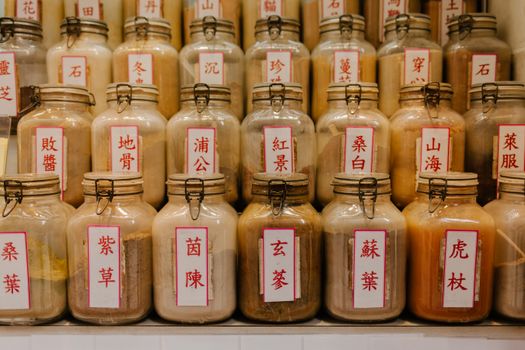
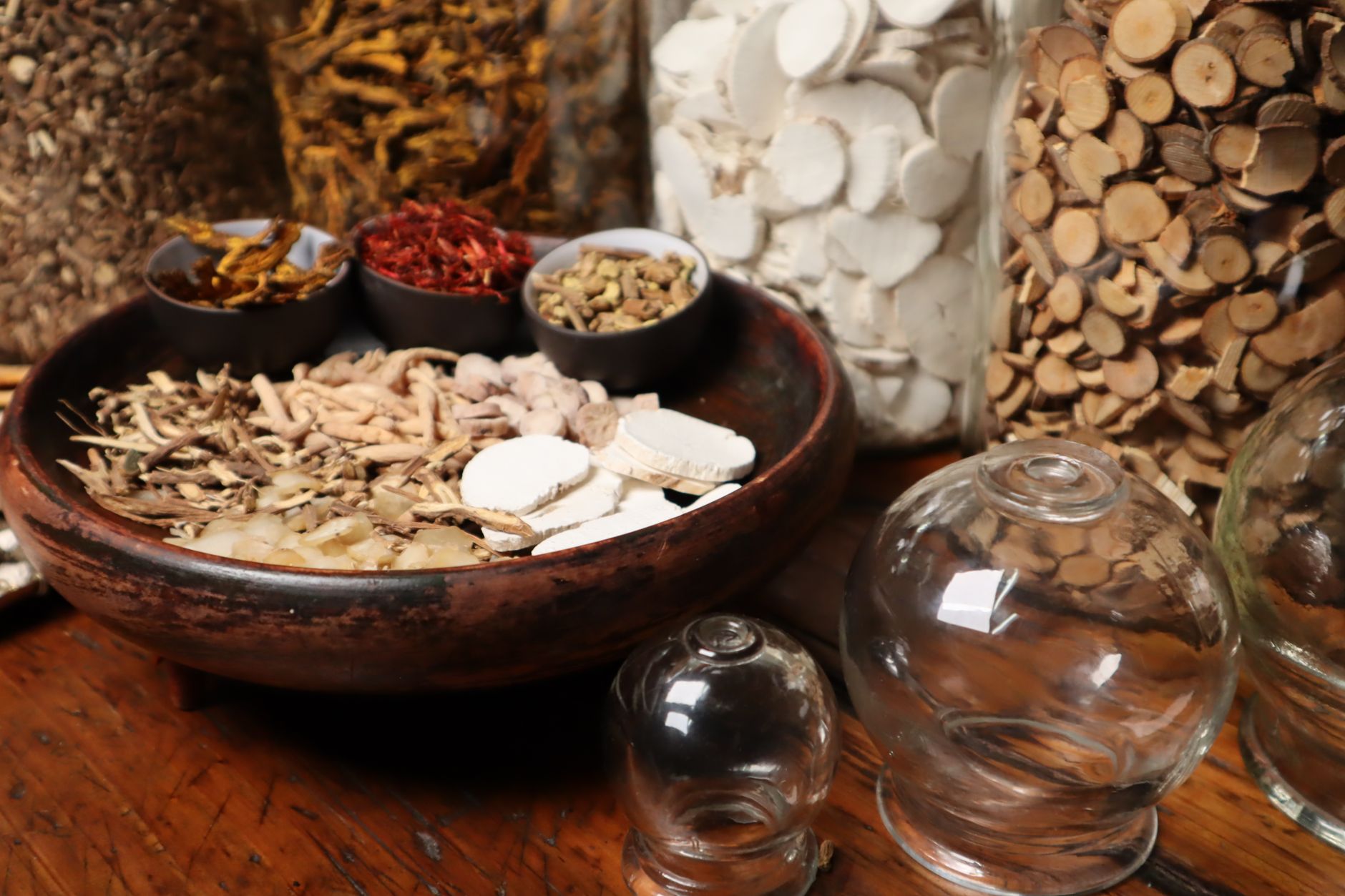
Forget sterile pharmacies. In Kyoto, you'll find Kampo pharmacies that resemble ancient apothecary shops, filled with rows of intricately labeled drawers containing dried herbs. The scent of these herbs, a potent blend of earthy, floral, and subtly bitter notes, is intoxicating.
Pro-Tips:
* Visit a Kampo doctor: Many clinics offer consultations for foreigners. Be prepared to discuss your lifestyle, diet, and any ailments. The experience itself is a lesson in mindful self-awareness.
* Explore local markets: Places like Nishiki Market in Kyoto offer an incredible array of fresh herbs and ingredients used in traditional Japanese cuisine, which is often seen as a form of preventative medicine.
* Seek out Onsen: Japan's natural hot springs are not just for relaxation; they are integral to Kampo philosophy, believed to detoxify and revitalize the body.
Quick Facts: Japan (Kampo Focus)
| Category | Details |
| :----------------- | :------------------------------------------------------------------------- |
| Estimated Cost | Consultations: $50 - $150; Herbal prescriptions: $20 - $100 (per week) |
| Best Time to Visit | Spring (cherry blossoms) or Autumn (fall foliage) for pleasant weather and vibrant scenery. |
| How to Get There | Major international airports in Tokyo (NRT, HND) and Osaka (KIX). High-speed rail (Shinkansen) connects major cities. |
2. India: The Ancient Science of Ayurveda
No discussion of mainstream traditional medicine is complete without India, the birthplace of Ayurveda. This ancient Indian system of medicine, meaning "the science of life," is more than just a collection of remedies; it's a holistic approach to health and well-being that encompasses diet, lifestyle, herbal treatments, yoga, and meditation.
Insider Insight:
Walking through the bustling streets of Rishikesh or the serene backwaters of Kerala, you'll constantly encounter the vibrant presence of Ayurveda. From the aroma of medicinal herbs wafting from small shops to the sight of people practicing yoga on riverbanks, it's an immersive experience.
Pro-Tips:
* Choose an accredited Ayurvedic center: Look for centers affiliated with reputable organizations or recommended by trusted travel advisors.
* Embrace the personalized approach: Ayurvedic treatments are highly individualized. Be prepared for detailed consultations about your dosha (body type) and imbalances.
* Don't skip the Panchakarma: This is Ayurveda's detoxification and rejuvenation therapy. While it can be intense, it's considered the pinnacle of Ayurvedic healing.
* Learn about Ayurvedic cooking: Many retreats offer cooking classes, teaching you how to prepare meals that balance your doshas.
Quick Facts: India (Ayurveda Focus)
| Category | Details |
| :----------------- | :------------------------------------------------------------------------- |
| Estimated Cost | Retreats: $100 - $300 per day (includes accommodation, meals, treatments); Consultations: $30 - $80 |
| Best Time to Visit | October to March (cooler, dry season). Avoid monsoon season (June-September) in certain regions. |
| How to Get There | Major international airports in Delhi (DEL), Mumbai (BOM), Chennai (MAA), and Kochi (COK). Domestic flights and trains are extensive. |
3. China: The Enduring Power of TCM
Traditional Chinese Medicine (TCM) is a vast and ancient medical system that has been practiced for thousands of years. It views the body as an interconnected system where vital energy, or Qi, flows. Imbalances in Qi are believed to cause illness, and TCM employs a variety of methods to restore harmony.
Insider Insight:
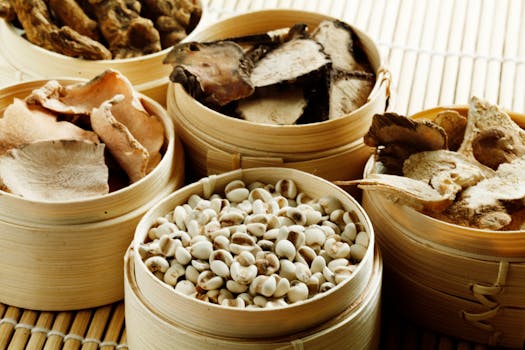
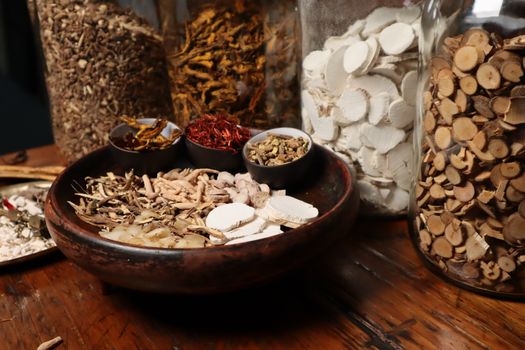
In Beijing, you can wander through traditional medicine markets where vendors display an astonishing array of dried herbs, animal parts (ethically sourced, of course), and potent tonics. The air is thick with the scent of roots, bark, and spices.
Pro-Tips:
* Experience Acupuncture and Moxibustion: These are cornerstones of TCM. Find licensed practitioners in reputable hospitals or clinics.
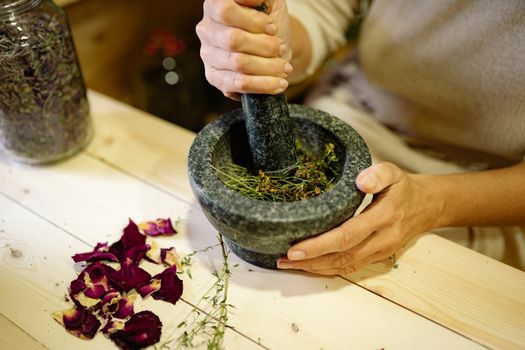
* Explore Herbal Dispensaries: Many offer personalized herbal formulas based on your diagnosis. The process of selecting and preparing your own blend can be incredibly empowering.
* Visit a TCM hospital: For a truly immersive experience, many TCM hospitals offer inpatient and outpatient services, often with English-speaking staff.
* Learn about Qigong and Tai Chi: These gentle movement practices are integral to TCM for cultivating Qi and promoting physical and mental well-being.
Quick Facts: China (TCM Focus)
| Category | Details |
| :----------------- | :------------------------------------------------------------------------- |
| Estimated Cost | Consultations: $30 - $70; Acupuncture sessions: $50 - $100; Herbal prescriptions: $15 - $50 (per week) |
| Best Time to Visit | Spring (April-May) and Autumn (September-October) for mild weather. |
| How to Get There | Major international airports in Beijing (PEK), Shanghai (PVG), and Guangzhou (CAN). Extensive high-speed rail network. |
4. South America: Shamanic Traditions and Plant Medicine
While often approached with more caution and requiring a deeper level of cultural respect, countries in South America, particularly Peru and Ecuador, offer access to profound shamanic healing traditions and powerful plant medicines. These practices are deeply rooted in indigenous cultures and are often used for spiritual healing, emotional release, and personal transformation.
Insider Insight:
The air in the Amazonian rainforest is alive with the scent of damp earth, exotic flowers, and the potent aroma of medicinal plants. The sounds are a symphony of insects, birds, and the gentle rustling of leaves. It’s a place where nature’s pharmacy is in full bloom.
Pro-Tips:
* Research facilitators thoroughly: This is paramount. Work with reputable centers and facilitators with extensive experience and a deep understanding of the traditions.
* Understand the intent: Shamanic ceremonies are not recreational. They are sacred practices requiring respect, preparation, and integration.
* Consider a guided retreat: Many centers offer structured programs that include preparation, ceremonies, and post-ceremony integration support.
* Learn about Ayahuasca and San Pedro: These are two of the most well-known plant medicines used in traditional ceremonies, each with its own unique properties and protocols.
Quick Facts: Peru/Ecuador (Shamanic Focus)
| Category | Details |
| :----------------- | :------------------------------------------------------------------------- |
| Estimated Cost | Retreats: $150 - $400 per day (includes accommodation, meals, ceremonies); Facilitator fees vary greatly. |
| Best Time to Visit | Dry season (May-October) for Peru; Dry season (June-September) for the Andes region of Ecuador. |
| How to Get There | Major international airports in Lima (LIM) for Peru and Quito (UIO) or Guayaquil (GYE) for Ecuador. Internal flights and boat travel are common. |
5. South Korea: The Power of Hanbang
South Korea offers its own unique brand of traditional medicine, known as Hanbang. Similar in roots to TCM, Hanbang has developed its own distinct characteristics, with a strong emphasis on personalized herbal prescriptions, acupuncture, and unique therapeutic practices like Chimsil (acupuncture with specialized needles) and Saengsik (raw food diets).
Insider Insight:
Wandering through the Gyeongdong Herbal Medicine Market in Seoul is an assault on the senses in the best possible way. The air is thick with the earthy, sometimes pungent, aroma of hundreds of dried herbs, roots, and medicinal ingredients. It feels like stepping back in time.
Pro-Tips:
* Visit a Hanbang clinic: Many clinics offer consultations where you can receive personalized herbal prescriptions and treatments.
* Explore Jjimjilbangs (Korean Spas): While not strictly traditional medicine, these communal bathhouses often incorporate herbal saunas and treatments that are deeply rooted in Korean wellness culture.
* Try Ginseng: South Korea is famous for its high-quality ginseng, a potent adaptogen widely used in Hanbang.
* Seek out Makgeolli (Korean Rice Wine): In moderation, this fermented drink is believed to have digestive benefits according to traditional Korean beliefs.
Quick Facts: South Korea (Hanbang Focus)
| Category | Details |
| :----------------- | :------------------------------------------------------------------------- |
| Estimated Cost | Consultations: $40 - $80; Herbal prescriptions: $20 - $70 (per week); Acupuncture: $50 - $100 |
| Best Time to Visit | Spring (April-May) and Autumn (September-October) for pleasant weather. |
| How to Get There | Major international airports in Seoul (ICN) and Busan (PUS). Extensive public transportation system. |
The Budget/Logistics: Planning Your Wellness Odyssey
Embarking on a journey focused on traditional medicine requires careful planning. While the costs can vary wildly depending on the country, the type of experience, and the duration, here's a general overview to help you budget.
General Budget Considerations:
- Flights: This will be your largest upfront cost. Book in advance for the best deals.
- Accommodation: Ranges from budget guesthouses to luxury wellness resorts.
- Treatments & Consultations: Prices vary significantly by country and practitioner.
- Food: Often very affordable, especially if you embrace local cuisine.
- Local Transportation: Can be very inexpensive in many of these countries.
- Visas & Travel Insurance: Essential for peace of mind.
Pro-Tip:
Many travel advisors specializing in wellness tourism can offer package deals that include accommodation, treatments, and guided excursions, often saving you money and hassle.
Authenticity: Beyond the Tourist Trail
The true magic of these destinations lies in their authenticity. It's not about manufactured experiences; it's about immersing yourself in a culture where healing is a way of life.
- In Japan: It's the quiet reverence in a Kampo pharmacy, the meticulous preparation of a herbal tea, the mindful practice of Shinrin-yoku (forest bathing).
- In India: It's the rhythmic chanting during a yoga session in Rishikesh, the fragrant steam rising from an Ayurvedic massage oil, the deeply nourishing taste of dal prepared according to ancient principles.
- In China: It's the graceful flow of Tai Chi in a park at dawn, the intricate patterns of acupuncture needles, the potent aroma of a decocted herbal soup.
- In South America: It's the profound stillness of the rainforest, the ancestral wisdom shared by a shaman, the deep introspection that arises from sacred plant ceremonies.
- In South Korea: It's the warmth of the herbal steam in a jjimjilbang, the subtle bitterness of a personalized Hanbang tea, the vibrant energy of the Gyeongdong Market.
The Lasting Impact: A Journey for the Soul
These countries offer more than just a vacation; they offer a profound opportunity for healing, self-discovery, and a deeper understanding of what it means to be well. Travel advisors who suggest these destinations are not just booking trips; they are facilitating transformations. They understand that true wellness isn't found in a fleeting spa treatment, but in the enduring wisdom of ancient traditions. So, pack your bags with an open heart and mind, and prepare to be transformed by the mainstream magic of traditional medicine.