Beyond the Postcard: Unveiling the World's Last Secret Beaches
I remember it like yesterday. The year was 2012, and I was sitting on a tiny, rickety boat somewhere off the coast of Palawan, Philippines. My guide, a weathered local named Mang Tony, pointed to a sliver of white between dense jungle and impossibly clear cerulean water. "Secret beach," he grunted, a knowing smile crinkling his eyes. There was no path, no sign, just the raw, untamed beauty of nature. As I stepped onto the powdery sand, the only footprints were my own. The air hummed with cicadas, the water lapped gently, and for a fleeting moment, the entire world felt like it was mine. That, my friends, is the magic of a secret beach.
In a world increasingly mapped, photographed, and geotagged, the idea of a truly "secret" beach might seem like a relic of a bygone era. Every breathtaking vista seems to quickly make its way to Instagram feeds, then travel blogs, and then, inevitably, tour bus itineraries. But I'm here to tell you, as a seasoned explorer for Tripsora, that they still exist. They require a little more effort, a dash of daring, and a willingness to step off the well-trodden path – but the reward? Unadulterated bliss, a connection with nature, and memories that truly feel unique.
This isn't about finding the next Maya Bay before it closes down. This is about discovering places where the journey is part of the adventure, where local communities benefit, and where your presence leaves only footprints, not a lasting impact. So, pack your sense of adventure (and maybe a good quality dry bag!), because we're diving deep into five of the most extraordinary, still-secret beaches I've had the immense privilege to discover.
1. Pulau Sembilan, Indonesia: The Bioluminescent Dream
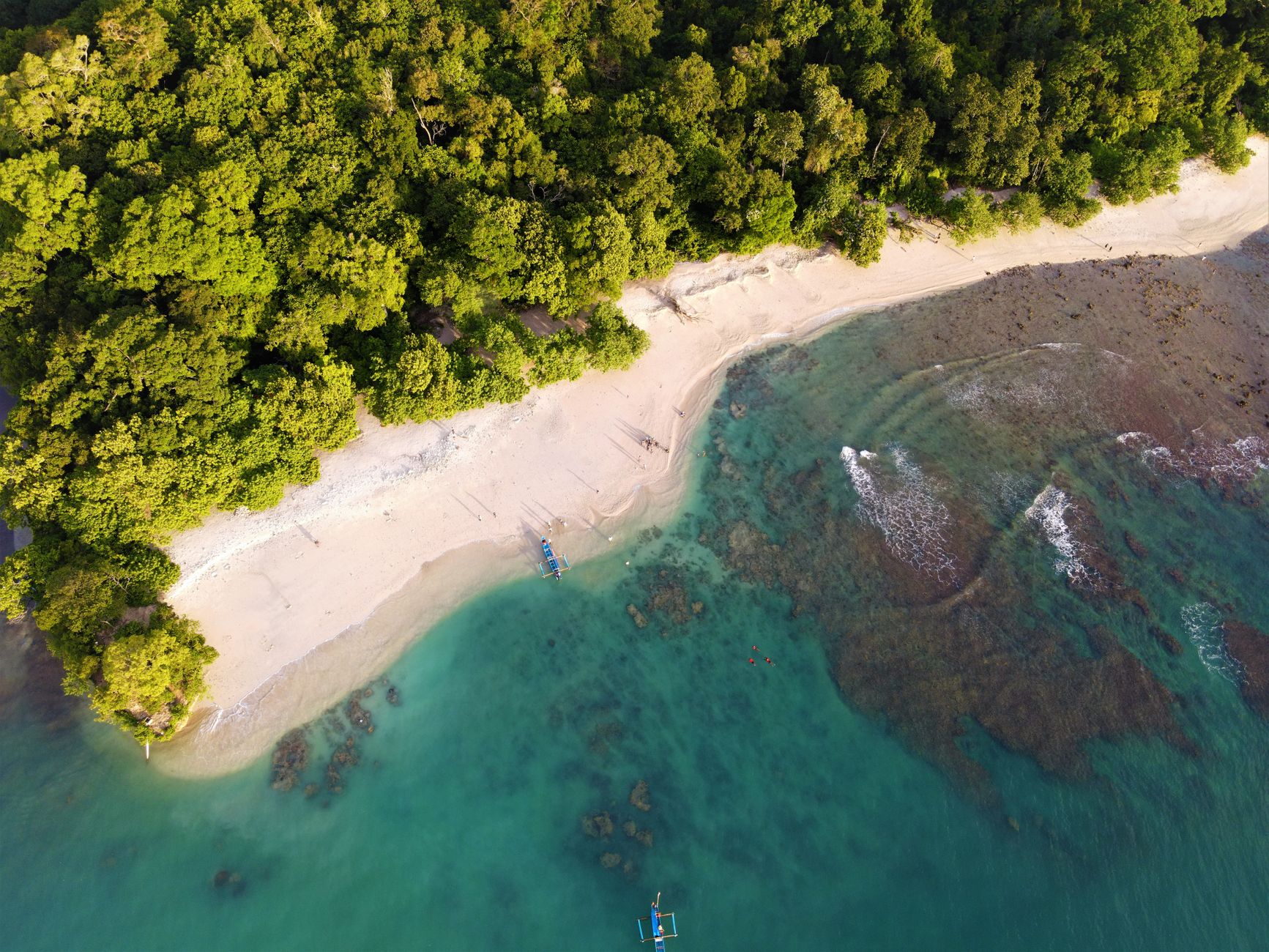
Imagine a beach where the sand glows underfoot with every step, mimicking a starry sky above. Welcome to Pulau Sembilan (Nine Islands), a tiny archipelago off the coast of West Sumatra, Indonesia. While Sumatra is known for its volcanoes and orangutans, its western coast hides some truly spectacular, untouched gems. Pulau Sembilan isn't one beach but a collection of small, uninhabited islets, each with its own pristine stretch of sand. The true magic, however, reveals itself after sunset.
My Experience:
I'd heard whispers of bioluminescence here, but nothing prepared me for the reality. After a day spent snorkeling in waters so clear I could count the scales on passing fish, we set up a rudimentary camp on one of the smaller islands. As darkness fell, a hush descended. Then, as I walked along the shoreline, every movement disturbed millions of microscopic plankton, igniting the water and sand with an ethereal, electric blue glow. It was like walking on constellations. We spent hours just playing in the water, watching the "stars" explode around us. It was utterly surreal, a natural light show that makes any fireworks display pale in comparison.
How to Get There:
This is where the "secret" part comes in. Fly into Padang (PDG) in West Sumatra. From there, you'll need to arrange a private boat charter from the small port of Carocok in Painan, about a 2-hour drive south of Padang. There are no regular ferries. It’s best to go with a local guide or tour operator who knows the area well and can arrange permits (sometimes required for overnight stays on certain islets). Expect a 2-3 hour boat ride to the islands.
What Makes it Secret:
Its remote location, lack of infrastructure, and the need for private transport keeps mass tourism at bay. Most visitors to Sumatra head to the mountains or popular surf spots.
Practical Tips:
* Best Time to Visit: Dry season, typically May to September, for calm waters and clear skies.
* Accommodation: Primarily camping on the islands (bring your own gear or arrange with a guide) or basic guesthouses in Painan. Don't expect luxury.
* What to Bring: Snorkeling gear, plenty of water, snacks, headlamp, power bank, biodegradable toiletries, insect repellent, and a good camera for daytime shots (night shots require specialized gear).
* Cost Estimate: Boat charter for a day trip/overnight can range from $100-$200 USD (negotiate and share if possible). Basic guesthouse in Painan ~ $20-30/night. Food is cheap.
Instagram-Worthy:
Daytime shots of deserted white sand beaches against turquoise water. Nighttime long exposure shots of the bioluminescence (if you're a pro, otherwise just soak it in!).
2. Plage de Saleccia, Corsica, France: Mediterranean Wildness
When you think of French beaches, your mind probably conjures images of the Côte d'Azur – glamorous, crowded, and chic. But head to the rugged, untamed island of Corsica, and you'll find a different kind of beauty. Plage de Saleccia, located in the Agriates Desert (Désert des Agriates) in the north of the island, is a wild, untamed stretch of brilliant white sand backed by juniper trees and maquis shrubland. No fancy beach clubs here, just nature at its most pristine.
My Experience:
Reaching Saleccia was an adventure in itself. We took a small ferry from Saint-Florent, a picturesque harbor town. The boat dropped us off, and suddenly, we were truly isolated. The sand was blindingly white, the water an astonishing sapphire blue, and the air filled with the scent of wild herbs. We spent the day swimming, sunbathing, and exploring the dunes. The only sounds were the waves and the occasional bleating of wild goats. It felt like stepping into a Mediterranean wilderness, a stark contrast to the bustling towns just a short distance away.
How to Get There:
Fly into Bastia (BIA) or Calvi (CLY) in Corsica. Drive to Saint-Florent. From there, your options are:
* Boat Shuttle: Several companies offer daily boat shuttles from Saint-Florent to Saleccia (and the nearby Lotu Beach). This is the easiest and most popular option.
* 4x4 Track: For the adventurous, there's a challenging 12km dirt track through the Agriates Desert. You'll need a proper 4x4 (rent one or hire a driver). It's incredibly scenic but bumpy and slow.
* Hiking: You can hike from Lotu Beach (where the boat shuttle also goes) to Saleccia, about an hour's walk.
What Makes it Secret:
Its remote location, accessible only by boat or a rough track, keeps the casual tourist away. It's protected as part of the Agriates Desert, limiting development.
Practical Tips:
* Best Time to Visit: June and September offer warm weather without the peak August crowds.
* Accommodation: Stay in Saint-Florent (plenty of hotels, guesthouses, campsites) or consider camping near Saleccia (check regulations, some designated areas exist).
* What to Bring: Absolutely everything you need for the day – there are no shops or facilities on the beach. Water, food, sunscreen, hat, beach towel, snorkel gear.
* Cost Estimate: Boat shuttle ~€15-20 return. 4x4 rental can be pricey, or a guided tour ~€50-70. Accommodation in Saint-Florent ~€80-150/night.
Instagram-Worthy:
The stark contrast of white sand, turquoise water, and green maquis. Photos of the wild landscape, perhaps a selfie with a curious wild goat (from a distance!).
3. Playa Media Luna, Providencia, Colombia: Caribbean Soul Untouched
Forget Cartagena's colonial charm or San Andrés's duty-free bustle. Head further out into the Caribbean, to the tiny, unspoiled island of Providencia, Colombia. This gem feels a world away, a place where Rastafarian culture blends with Colombian warmth, and the pace of life is gloriously slow. Playa Media Luna (Half Moon Beach) is one of its many treasures, a secluded cove that truly captures the essence of the "Sea of Seven Colors."
My Experience:
Getting to Providencia is a journey in itself – a short flight from San Andrés, or a much longer, sometimes turbulent catamaran ride. But oh, is it worth it! On Providencia, we rented a scooter, the primary mode of transport. After navigating winding roads and tiny villages, we found the turn-off for Media Luna. It's a small, crescent-shaped bay, protected by a reef, making the water incredibly calm and a kaleidoscope of blues and greens. I remember floating in the warm, gentle water, watching local fishermen mend their nets, and feeling utterly at peace. The vibe here is so authentic, so genuinely Caribbean, that it feels like stepping back in time.
How to Get There:
First, fly to San Andrés Island (ADZ) from mainland Colombia (Bogotá, Medellín, Cartagena). From San Andrés, take a small plane (Satena airline) or a catamaran (Catamaranes del Sol) to Providencia (PVA). Once on Providencia, rent a scooter or take a local taxi to reach Media Luna. The road can be a bit rough in places.
What Makes it Secret:
Its isolation and the extra step required to reach it from San Andrés deter most tourists. Development is strictly controlled to preserve its natural beauty.
Practical Tips:
* Best Time to Visit: December to May for drier, calmer weather. Avoid hurricane season (September-November).
* Accommodation: Mostly family-run guesthouses (posadas nativas) and small hotels. Book in advance, especially for peak season. Prices are higher than mainland Colombia due to import costs.
* What to Bring: Snorkel gear (the reef is fantastic!), reef-safe sunscreen, insect repellent, cash (ATMs are scarce and unreliable), and a basic Spanish phrasebook (though English is widely spoken due to its historical ties to British colonies).
* Cost Estimate: Flights to San Andrés ~$100-200 return. Flight/catamaran to Providencia ~$100-150 return. Posada Nativa ~$50-80/night. Scooter rental ~$20-30/day. Food is reasonable.
Instagram-Worthy:
The "Sea of Seven Colors" – capture the vibrant blues and greens. Shots of local life, the colorful wooden houses, and the relaxed, authentic Caribbean atmosphere.
4. Anse Source d'Argent (Early Morning), La Digue, Seychelles: The Iconic, Undisturbed
Okay, I know what you're thinking. Anse Source d'Argent? Secret? It's one of the most photographed beaches in the world! And you'd be right, if you visit at midday with the crowds. But the trick, my friends, is timing. To experience this iconic beach in its purest, most secret form, you need to be there at sunrise.
My Experience:
I'd seen the pictures, of course – the giant granite boulders, the soft pink sand, the impossibly clear, shallow water. But arriving at 6:00 AM on La Digue, pedaling my rented bicycle down the dusty path, was a revelation. The gates to L'Union Estate (where the beach is located) were just opening. I was the first one in. The sun, a fiery orange ball, was just kissing the horizon, painting the sky in hues of pink and gold. The boulders, usually swarming with selfie-takers, stood majestic and silent. The only sounds were the gentle lapping of the waves and the chirping of exotic birds. I spent an hour just wandering, swimming in the warm, mirror-like water, feeling like I had stumbled upon a lost world. It was a profound experience, transforming a famous landmark into a private paradise.
How to Get There:
Fly into Mahé (SEZ), Seychelles. Take a ferry to Praslin Island, then another short ferry to La Digue. Rent a bicycle upon arrival – it's the main mode of transport on the island. Anse Source d'Argent is located within L'Union Estate, a former coconut and vanilla plantation, which has an entrance fee.
What Makes it Secret (at certain times):
Its fame means people flock there, but very few are willing to sacrifice sleep for solitude. The early morning hours are magic.
Practical Tips:
* Best Time to Visit: Year-round, but April-May and October-November offer calmer waters and less wind.
* Accommodation: La Digue has a range of guesthouses and small hotels. Book well in advance as it's a small island.
* What to Bring: Reef shoes (some coral fragments in the water), snorkel gear, camera, and prepare for the entrance fee to L'Union Estate (around SCR 115, roughly $8 USD).
* Cost Estimate: Flights to Seychelles can be pricey, but once there, inter-island ferries are reasonable (~€15-20). Accommodation on La Digue ~$100-250/night. Bike rental ~$10/day.
Instagram-Worthy:
Sunrise shots of the granite boulders, the pink sand, and perfectly still, reflective water. Capture the emptiness and serenity before the crowds arrive.
5. Tofo Beach's Northern Coves, Mozambique: Where Wilderness Meets the Ocean
Mozambique is often overlooked for its more famous African safari neighbors, but its coastline is a treasure trove of pristine, wild beaches. While Tofo Beach itself is gaining popularity for its incredible whale shark and manta ray encounters, venture just north of the main strip, and you'll find a series of untouched coves that feel utterly remote.
My Experience:
I was in Tofo for the diving, and it was spectacular. But one afternoon, after a particularly exhilarating dive with a manta ray, our local guide suggested we explore a bit. We hopped on quad bikes and roared north along the coastline, the red dirt track hugging the cliff edge. After about 30 minutes, he pulled over, pointed down a steep, sandy path, and said, "Paradise." And it was. A crescent of golden sand, framed by low, vegetated dunes, stretched before us. The Indian Ocean here is a vibrant blue, and the waves were perfect for body-surfing. We spent hours there, the only sound the roar of the ocean and the occasional cry of a seabird. We saw no other people, just vast, open wilderness. It felt like the edge of the world.
How to Get There:
Fly into Inhambane (INH), Mozambique, from Maputo (MPM). From Inhambane, take a local chapela (minibus taxi) or a taxi to Tofo Beach (about 30 minutes). Once in Tofo, rent a quad bike or hire a local guide with a 4x4 to explore the northern coves. Some coves might be accessible on foot at low tide, but always check local conditions.
What Makes it Secret:
The Tofo area itself is still relatively off-the-beaten-path for international tourists, and these specific coves require effort (and often a quad bike or guide) to reach from the main Tofo village.
Practical Tips:
* Best Time to Visit: May to November (dry season) for cooler temperatures and excellent marine life viewing.
* Accommodation: Tofo offers a range of guesthouses, eco-lodges, and backpacker hostels. Book in advance, especially during peak diving seasons.
* What to Bring: Cash (Meticais), reef-safe sunscreen, hat, insect repellent, sturdy sandals or water shoes for walking on varied terrain, and definitely a camera for the stunning landscapes.
* Cost Estimate: Flights within Mozambique can be expensive. Accommodation in Tofo ~$30-100/night. Quad bike rental ~$40-60/day. Food is very affordable, especially fresh seafood.
Instagram-Worthy:
Wide-angle shots of the expansive, empty golden beaches. The dramatic coastline where red earth meets blue ocean. Underwater shots if you're diving/snorkeling!
How to Find Your Own Uncharted Sands: The Tripsora Guide to Secret Beach Hunting
Finding these hidden gems isn't just about luck; it's about strategy, respect, and a willingness to embrace the unknown. Here's how you can become your own secret beach scout:
- Go Local: The best intel comes from the people who live there. Strike up conversations with local fishermen, guesthouse owners, or even taxi drivers. Ask them where they go to escape the crowds.
- Consult Topographic Maps & Satellite Imagery: Before you go, scour Google Maps or other satellite imagery for promising coves and inaccessible-looking stretches of coastline. Look for areas with no roads leading directly to them.
- Embrace the Journey: Often, the most rewarding beaches are those that require a hike, a boat trip, or navigating a rough track. If it's easy to get to, it's probably not secret.
- Travel Off-Season (or Early/Late): Even famous beaches can feel secret if you visit during the shoulder season or at dawn/dusk.
- Look Beyond the Obvious: Instead of searching for "best beaches in X," try "remote coves Y region," or "unspoiled coastline Z country."
- Respect & Preserve: When you find your secret spot, treat it with the utmost respect. Pack out everything you pack in. Avoid disturbing wildlife. Support local businesses that practice sustainable tourism. These places remain special because they are undisturbed.
- Keep it to Yourself (Sometimes): While I'm sharing some of my finds, there's a delicate balance. Sometimes, the best way to keep a secret beach special is to not tag it on social media or broadcast its exact location. Share the beauty, inspire others to seek their own adventures, but consider the impact of mass exposure.
The True Value of the Undiscovered
In our hyper-connected world, the allure of a truly secret beach goes beyond just a pretty view. It's about disconnecting from the digital noise, reconnecting with nature, and experiencing a profound sense of solitude and discovery. It's about the challenge of the journey, the reward of the untouched, and the privilege of witnessing beauty before the world catches on.
These aren't just beaches; they're portals to a different kind of travel – one that emphasizes exploration, authenticity, and respect for our planet's most fragile wonders. So, which secret shore will you uncover next?
---