The crisp mountain air hit me first, a stark contrast to the recycled cabin air I’d been breathing just hours before. Below, the ancient peaks of the Dolomites stretched out like a painter’s masterpiece, dusted with fresh snow. I was on a multi-day hiking adventure, and as I stood there, taking in the panoramic vista, a familiar pang of guilt struck me. That flight. That long-haul flight that brought me here, thousands of miles from home. Was this breathtaking view worth the carbon cost?
It’s a question many of us grapple with as passionate travelers. We yearn to explore, to connect with different cultures, to witness the planet’s wonders. But as the climate crisis intensifies, the environmental impact of our wanderlust weighs heavily. For years, I felt this internal conflict, believing that meaningful travel inherently meant a significant carbon footprint.
Then, something shifted. I started seeking alternatives, not just as a compromise, but as a way to enhance my adventures. What I discovered wasn't a sacrifice, but a revelation. Carbon-neutral transportation isn't just about reducing emissions; it's about slowing down, seeing more, connecting deeper, and truly experiencing the journey. It's about finding magic in the movement itself, not just the destination.
At Tripsora, we believe travel should inspire, not just consume. So, I’ve compiled a list of truly transformative, carbon-neutral transportation experiences that I’ve personally embarked on (or are at the very top of my bucket list!). These aren't just ways to get from A to B; they are the adventures themselves, promising memories that will last a lifetime – and leave the planet a little lighter.
1. The Whisper of the Wind: Sailing into the Sunset (Greek Isles & Beyond)
There’s an unparalleled sense of freedom that comes with sailing. Imagine the gentle lapping of waves against the hull, the wind filling the sails, propelling you silently across an azure sea. No engine hum, no exhaust fumes, just the vast expanse of the ocean and the horizon stretching endlessly before you. It’s pure, unadulterated bliss.
My first true sailing adventure was a week-long journey through the Greek Cyclades. We charted a small catamaran with a few friends, relying almost entirely on wind power to hop between islands like Mykonos, Paros, and Milos. Waking up to a different island each morning, jumping into the impossibly clear Aegean, and anchoring in secluded coves accessible only by boat – it was a dream. One evening, we watched the sunset from the deck, a fiery orange ball dipping below the horizon, painting the sky in hues of purple and pink. That moment, powered by nothing but nature's breath, felt profoundly spiritual and utterly guilt-free.
Why it’s a must-do:
* Ultimate freedom: Explore hidden coves, private beaches, and charming island villages at your own pace.
* Sensory immersion: The sounds of the sea, the feel of the wind, the scent of salt air – it's a full-body experience.
* Unbeatable views: Sunrises and sunsets from the open water are simply magical.
* Deep connection: With nature, with your travel companions, and with yourself.
Practical Tips for Your Sailing Adventure:
* Destinations: The Greek Isles, Croatia's Dalmatian Coast, the Caribbean, and even parts of Southeast Asia (like Thailand's Andaman Sea) offer incredible sailing opportunities.
* Options: You can charter a bareboat (if you have sailing experience), hire a skipper, or join a pre-organized sailing tour with a crew. Joining a tour is often the most cost-effective and social option, perfect for solo travelers or couples.
* Cost: Varies wildly. A week on a shared charter can range from €800-€2000+ per person, excluding flights. Private charters are significantly more.
* What to pack: Light clothing, swimwear, sun protection (hat, sunglasses, reef-safe sunscreen), seasickness medication if needed, a good book, and a waterproof bag for electronics.
* Instagram-worthy moment: A drone shot of your sailboat gliding through turquoise waters, or a selfie with a stunning island backdrop from the deck.
2. Rails of Wonder: Epic Train Journeys (Switzerland & Japan)
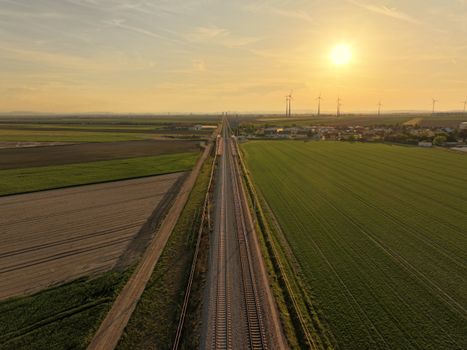
There’s a romance to train travel that no other mode of transport can match. The rhythmic clickety-clack, the ever-changing landscape outside your window, the opportunity to truly unwind and watch the world go by. Modern electric trains, especially in Europe and Japan, are incredibly efficient and offer a truly low-carbon way to traverse continents and countries.
My most unforgettable train journey was through the Swiss Alps on the Glacier Express. It’s not just a train ride; it's a panoramic experience. The large windows, often stretching up into the roof, offer uninterrupted views of snow-capped peaks, deep gorges, charming alpine villages, and glistening glaciers. I remember sipping hot chocolate as we slowly ascended, passing through tunnels and over dramatic viaducts, feeling utterly dwarfed by the majestic scenery. It was a slow travel masterpiece, allowing me to fully absorb the grandeur of Switzerland without the stress of driving or the rush of flying.
Why it’s a must-do:
* Scenic routes: Trains often take routes inaccessible by road, offering unique perspectives.
* Relaxation: No navigation, no traffic; just sit back, read, chat, or gaze out the window.
* Cultural immersion: Observe local life, from bustling city stations to remote countryside.
* Comfort: More space, freedom to move around, and often dining cars.
Practical Tips for Your Train Adventure:
* Destinations:
* Europe: The Swiss scenic railways (Glacier Express, Bernina Express), Norway's Bergen Line, the West Highland Line in Scotland, or an Interrail/Eurail pass for continent-wide exploration.
* Japan: The Shinkansen (bullet train) is a marvel of efficiency and speed, connecting major cities. While fast, it's electric and a far greener option than flying domestically.
* Canada: The Rocky Mountaineer offers luxury, multi-day journeys through stunning landscapes.
* Cost: A single scenic journey like the Glacier Express can be €100-€200+. Multi-country passes like Eurail can range from €200-€1000+ depending on duration and coverage. Japan Rail Pass is a great option for tourists.
* Booking: Book well in advance, especially for popular scenic routes or during peak season. Seat reservations are often mandatory.
* What to pack: Layers, a good book, snacks, a portable charger, and a camera with a wide-angle lens for those panoramic shots.
* Instagram-worthy moment: A shot of the train winding through a dramatic landscape (like the Landwasser Viaduct in Switzerland), or a selfie from your window seat with a stunning backdrop.
3. Electrifying Horizons: EV Road Trips (Norway & New Zealand)
The open road, the freedom to pull over whenever a stunning vista calls your name – there’s nothing quite like a road trip. But what if you could experience that freedom without the roar of a combustion engine or the guilt of emissions? Enter the electric vehicle (EV) road trip. The silent hum of an EV as you glide through breathtaking landscapes is a truly futuristic and incredibly peaceful way to travel.
My most recent EV adventure took me through the fjords of Norway. A country renowned for its natural beauty and its commitment to sustainability, Norway boasts an incredible EV charging infrastructure. Renting an electric car was seamless. Driving along the winding coastal roads, through dramatic tunnels, and past cascading waterfalls, the silence of the vehicle allowed me to hear the birdsong, the rush of rivers, and the gentle breeze – sounds often masked by a traditional engine. It felt like I was truly part of the landscape, not just passing through it. We planned our charging stops using an app, turning them into opportunities to explore charming towns or grab a coffee.
Why it’s a must-do:
* Silent cruising: Experience nature's sounds without engine noise.
* Zero tailpipe emissions: Travel guilt-free, knowing you're not polluting the air.
* Smooth driving: EVs offer instant torque and a quiet, smooth ride.
* Exploration freedom: The classic road trip flexibility, but cleaner.
Practical Tips for Your EV Road Trip:
* Destinations:
* Norway: Leading the world in EV adoption and infrastructure. Perfect for a fjordland adventure.
* California, USA: Iconic Pacific Coast Highway, national parks, and a growing charging network.
* New Zealand: Stunning landscapes with a decent and expanding charging network, especially around popular tourist routes.
* Iceland: Rent an EV and circle the island's Ring Road for an otherworldly experience.
* Cost: EV rentals can sometimes be slightly more expensive than petrol cars upfront, but fuel savings (charging costs) often balance it out, especially in countries with high petrol prices. Charging costs vary but are generally lower than petrol.
* Planning is key: Download charging apps (e.g., PlugShare, A Better Routeplanner) and plan your route with charging stops in mind. Don't rely solely on the car's navigation for charging points.
* Range anxiety: Understand the typical range of your rental EV and factor in terrain and weather (cold weather can reduce range).
* What to pack: Your usual road trip essentials, plus a portable power bank for your devices, and an open mind for spontaneous detours.
* Instagram-worthy moment: Your sleek EV parked against a dramatic natural backdrop (fjords, redwood forests, volcanic landscapes), or a time-lapse video of the silent drive.
4. The Power of You: Human-Powered Expeditions (Patagonia & Amalfi Coast)
Sometimes, the best way to travel is under your own steam. Whether it's hiking through breathtaking wilderness, cycling along a scenic coastline, or kayaking across a serene lake, human-powered transportation offers an unparalleled sense of accomplishment and an intimate connection with your surroundings. It's slow travel at its purest, allowing every scent, sound, and sight to truly sink in.
One of the most profound experiences of my life was hiking the W-Trek in Torres del Paine National Park, Patagonia. Five days of walking, carrying everything I needed on my back, through landscapes so epic they felt Photoshopped. The challenge was real – steep ascents, unpredictable Patagonian winds – but the reward was immeasurable. Reaching the base of the Torres del Paine granite towers at sunrise, watching them glow golden, after hours of climbing in the dark, was an emotional peak I'll never forget. Every step was powered by me, leaving only temporary footprints in the dust.
Equally memorable, though entirely different, was a multi-day cycling trip along Italy's Amalfi Coast. Trading the roar of Vespas for the whir of bicycle tires, I pedaled through lemon groves, past pastel-colored villages clinging to cliffs, and stopped for espresso in charming piazzas. The physical effort made every panoramic view, every delicious pasta dish, and every dip in the Mediterranean feel incredibly earned.
Why it’s a must-do:
* Deep connection to nature: Immerse yourself fully in the environment.
* Physical and mental challenge: A rewarding test of endurance and willpower.
* Sense of accomplishment: The satisfaction of reaching your destination under your own power.
* Unique perspectives: Access trails, paths, and waterways inaccessible by other means.
Practical Tips for Your Human-Powered Adventure:
* Destinations:
* Hiking: Patagonia (Torres del Paine, Fitz Roy), Nepal (Annapurna Circuit, Everest Base Camp), New Zealand (Great Walks), Dolomites (Italy).
* Cycling: Amalfi Coast (Italy), Camino de Santiago (Spain), Slovenia's Julian Alps, Vietnam's Ha Giang Loop.
* Kayaking/Canoeing: Canadian Rockies (Lake Louise, Moraine Lake), Norway's fjords, Slovenia's Soča River, Alaska's glacial lakes.
* Cost: Gear rental, permits, and guided tours can add up, but the travel itself is often free or very low cost. Expect to pay for accommodation and food.
* Preparation: Research routes thoroughly, train physically, and invest in appropriate gear (shoes, clothing, backpack, kayak/bike rental).
* Safety: Inform others of your route, carry a map and compass/GPS, pack enough water and food, and be aware of weather changes. Consider a guided tour for challenging routes.
* Leave No Trace: Pack out everything you pack in. Stick to marked trails. Respect wildlife.
* Instagram-worthy moment: A triumphant summit selfie, a panoramic shot from your bike overlooking the coast, or a serene photo of your kayak gliding across glass-like water.
5. Urban Eco-Transit: Exploring Cities on Their Own Terms (Amsterdam & Copenhagen)
For city explorers, the idea of carbon-neutral transportation might seem limited to walking. But many of the world's most vibrant cities have embraced sustainable public transport and cycling infrastructure, transforming the urban experience into a low-carbon delight. Navigating a city like a local, using its bike paths and efficient transit systems, offers a deeper, more authentic immersion.
My go-to for urban eco-exploration is Amsterdam. There's no better way to experience this charming city than on two wheels. Renting a bike is cheap and easy, and suddenly, the entire city is your oyster. I spent days cycling along canals, through Vondelpark, past historic gabled houses, and across bustling squares. It wasn't just transportation; it was the primary way I experienced Amsterdam, feeling the city's pulse, stopping spontaneously for stroopwafels or to admire a canal house. It’s efficient, exhilarating, and incredibly fun.
Similarly, cities like Copenhagen (the world's most bike-friendly city), Tokyo (with its immaculate and extensive electric train network), and Singapore (with its fantastic MRT system) prove that urban exploration doesn't have to be a carbon burden.
Why it’s a must-do:
* Local immersion: Experience the city like a resident, not just a tourist.
* Efficiency: Often faster than taxis or cars in congested urban areas.
* Cost-effective: Public transport passes and bike rentals are usually very affordable.
* Health benefits: Get your steps (or pedals) in while sightseeing.
* Reduced stress: No parking woes, no getting stuck in traffic.
Practical Tips for Your Urban Eco-Adventure:
* Destinations:
* Amsterdam, Copenhagen: Bike heaven.
* Tokyo, Seoul, Singapore, London: Exemplary public transport networks (subways, trams, electric buses).
* Paris, Berlin, Barcelona: Excellent public transport and growing bike-sharing schemes.
* Cost: Bike rentals typically cost €10-€15 per day. Public transport passes vary but are usually very economical for multiple days (€15-€50 for 3-7 days).
* Navigation: Use Google Maps or local transport apps to plan routes.
* Safety: Be aware of local traffic rules, especially when cycling. Wear a helmet if required or desired.
* Footwear: Comfortable walking shoes are a must, even if you’re biking or using public transport.
* Instagram-worthy moment: A vibrant photo of you on a rented bike against a scenic city backdrop (canals of Amsterdam, colourful buildings of Copenhagen), or a candid shot inside a futuristic metro station.
Beyond the Journey: Making Every Trip Count
Embracing carbon-neutral transportation isn't just about ticking a box; it's about enriching your travel experience. It forces you to slow down, to be present, and to truly connect with the world around you. It's about trading the blur of a highway or the drone of a jet engine for the rustle of leaves, the whisper of the wind, or the gentle hum of an electric motor.
These adventures are more than just modes of transport; they are philosophies of travel. They challenge us to think differently, to prioritize experience over speed, and to recognize that the journey itself can be the most profound part of the adventure.
So, as you plan your next escape, ask yourself: How can I make this journey not just unforgettable for me, but also kinder to the planet? Which of these carbon-neutral wonders will you add to your "before you die" bucket list? The world is waiting, and it's ready for you to explore it, one mindful, magnificent step at a time.
Ready to redefine your travel? Share this post with your adventure buddies and start planning your next guilt-free, epic journey! What's your dream carbon-neutral adventure? Let us know in the comments below!