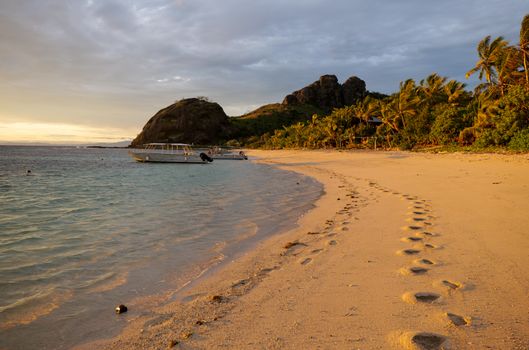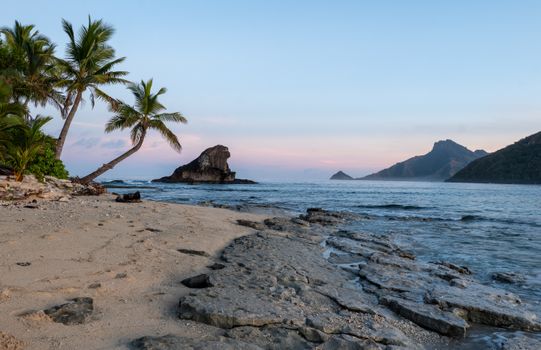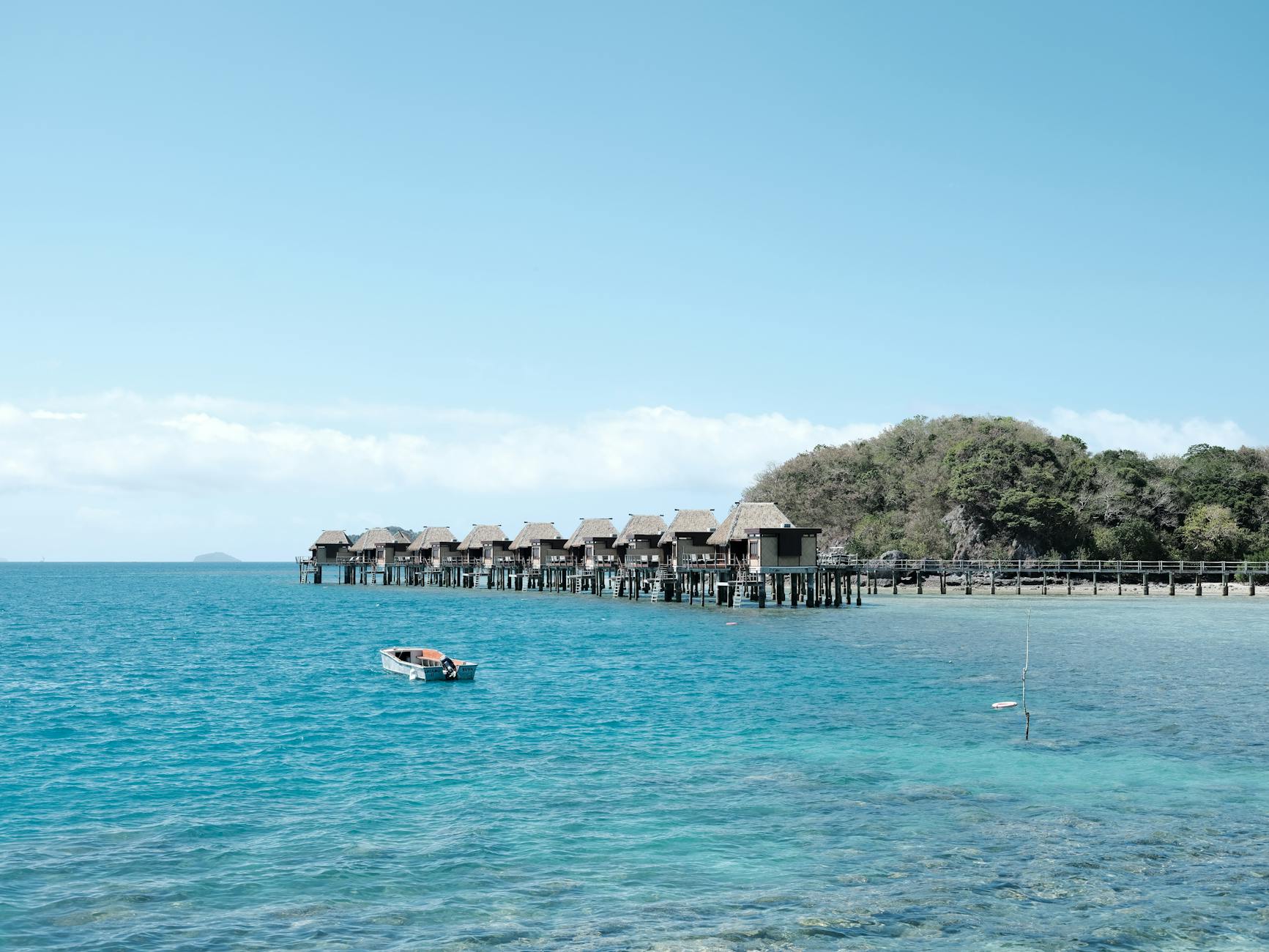
For travellers seeking to experience Fiji's breathtaking beauty without the peak season price tag, identifying the cheapest time to visit Fiji is key. While Fiji is a dream destination year-round, strategic planning around its distinct travel seasons can lead to significant savings on flights, accommodation, and activities, ensuring a memorable trip that doesn't break the bank.
Quick Facts: Fiji at a Glance
| Category | Details |
|---|---|
| Best Value Months | Late April – May, Late October – November |
| High Season | June – September (Dry, cooler, most expensive) |
| Low Season | December – March (Wet, hot, humid, cyclone risk, cheapest) |
| Typical Flight Cost (return from UK) | approx. £900 – £1500+ (check current prices) |
| Typical Daily Budget (mid-range) | approx. £100 – £200+ (excluding international flights) |
| Main International Airport | Nadi International Airport (NAN) |
| Recommended Stay Duration | 7-10 days to explore main islands and some outer islands |
Understanding Fiji's Travel Seasons
Fiji experiences two main seasons: the dry season and the wet season, which directly influence crowd levels and pricing.
High Season: June to September
This is Fiji's dry season, characterised by sunny skies, lower humidity, and cooler temperatures (around 25-28°C). It's considered the most pleasant time to visit weather-wise, making it incredibly popular. Consequently, flights and accommodation, particularly in well-known areas like Denarau Island, the Mamanuca and Yasawa Islands, are at their most expensive. Booking well in advance is essential, and even then, budget options can be scarce.
Low Season: December to March
The low season coincides with Fiji's wet, or "green," season. Temperatures are higher (28-32°C), humidity is significant, and daily rainfall is common, often in heavy, short bursts. This period also carries a higher risk of tropical cyclones, particularly from January to March. However, the rain typically doesn't last all day, and you'll often find bright sunshine. This is when prices for flights and resorts are at their lowest, and crowds are minimal. If you're willing to brave the humidity and potential rain, this can be the absolute cheapest time to visit Fiji.
Shoulder Seasons: April-May and October-November
These months offer a sweet spot, balancing good weather with fewer crowds and more attractive prices. As the dry season transitions into the wet, or vice versa, you'll find pleasant temperatures, less humidity than the peak wet season, and generally calm seas. This makes the shoulder season arguably the cheapest time to visit Fiji while still enjoying excellent conditions for outdoor activities and island exploration.
Fiji Month-by-Month: Weather, Crowds, and Costs
Understanding the typical patterns throughout the year can help you pinpoint the ideal time for your budget trip. Remember that prices are approximate and can fluctuate based on demand, specific events, and how far in advance you book. Always check current prices on official booking sites.
| Month | Typical Weather | Crowd Levels | Accommodation Cost (approx. £/night) | Flight Cost (approx. £ return from UK) |
|---|---|---|---|---|
| January | Hot, very wet, humid, high cyclone risk | Low (except New Year) | £80-£150 | £900-£1200 |
| February | Hot, very wet, humid, high cyclone risk | Low | £80-£150 | £900-£1200 |
| March | Hot, wet, humid, cyclone risk decreases | Low | £80-£150 | £900-£1200 |
| April | Warm, less rain, pleasant transition | Shoulder | £100-£200 | £1000-£1300 |
| May | Warm, drier, sunny, pleasant | Shoulder | £100-£200 | £1000-£1300 |
| June | Dry, sunny, cooler, ideal conditions | High | £150-£300+ | £1200-£1500+ |
| July | Dry, sunny, cooler, ideal conditions | High | £150-£300+ | £1200-£1500+ |
| August | Dry, sunny, cooler, ideal conditions | High | £150-£300+ | £1200-£1500+ |
| September | Dry, sunny, cooler, ideal conditions | High | £150-£300+ | £1200-£1500+ |
| October | Warm, generally dry, some increasing rain late month | Shoulder | £100-£200 | £1000-£1300 |
| November | Warmer, increasing rain and humidity | Shoulder/Low | £90-£180 | £950-£1250 |
| December | Hot, wet, humid, cyclone risk increases | Low (except Christmas/NY) | £90-£180 | £950-£1250 |
Note: All prices are approximate ranges in GBP and should be used as a guide only. Always check current prices and availability before booking.
The Sweet Spot: Best Value Months to Visit Fiji
For the optimal balance of cost savings and enjoyable conditions, we recommend targeting Fiji's shoulder seasons: late April to May and late October to November.
- Late April to May: As the wet season recedes, the landscape is lush and green, and the air is clearer. You'll find fewer tourists than in the peak dry season, leading to more relaxed experiences and better deals on resorts and tours. The weather is generally sunny and warm, perfect for snorkelling, diving, or simply relaxing on the white sand beaches of the Mamanuca and Yasawa Islands. Exploring Nadi's Sri Siva Subramaniya Temple or browsing the local markets will also be more comfortable.
- Late October to November: Before the full onset of the wet season, these months offer warm, sunny days, though with a slight increase in humidity and occasional showers. The ocean remains warm and inviting, making it excellent for water sports. This period is particularly good for finding last-minute deals as resorts anticipate the quieter wet season. You can still enjoy popular activities like exploring the Garden of the Sleeping Giant or taking a scenic drive along the Coral Coast.
These "sweet spot" months allow you to experience Fiji's natural beauty and hospitality without the premium prices or the denser crowds of the high season.
Smart Strategies for Finding Cheaper Flights to Fiji
Flights to Fiji, especially from distant locations like the UK, often represent the largest portion of your travel budget. Here’s how to reduce those costs:
- Book in Advance: For long-haul flights, aiming to book 6-10 months out can yield better prices. Airlines release their cheapest seats far in advance.
- Be Flexible with Dates: Flying mid-week (Tuesday, Wednesday, Thursday) is often cheaper than weekend travel. Consider flying during the shoulder or low season as detailed above. Even shifting your departure or return by a day or two can make a difference.
- Use Flight Comparison Sites: Utilise platforms like Google Flights, Skyscanner, or Kayak to compare prices across multiple airlines and find the best deals. Be sure to clear your browser cookies or use incognito mode, as prices can sometimes increase if a site detects repeated searches for the same route.
- Consider Indirect Flights: Direct flights are convenient but often more expensive. Opting for a flight with one or two layovers, perhaps through a major hub like Hong Kong, Singapore, or Los Angeles, can significantly reduce the fare.
- Fly into Nadi (NAN): Nadi International Airport is Fiji's main gateway. While there are smaller domestic airports, international flights almost exclusively arrive here.
Pro tip: Set up price alerts for flights from your preferred departure airport to Nadi (NAN) to track fluctuations and grab a deal when prices drop.
Saving on Accommodation and Activities in Fiji
Beyond flights, there are numerous ways to manage your budget once you arrive in Fiji:
- Choose Your Accommodation Wisely: While luxury resorts are plentiful, consider guesthouses, homestays, or budget-friendly hotels on the main island of Viti Levu (around Nadi or Suva) or smaller, locally-run resorts on the outer islands. These often provide a more authentic experience at a fraction of the cost.
- Look for Packages: Sometimes, flight + hotel packages offered by travel agencies can be cheaper than booking each component separately, especially during off-peak times.
- Eat Local: Dining at local eateries, markets, or roadside stalls offers delicious Fijian cuisine like kokoda (marinated fish salad) or lovo (earth oven feast) at much lower prices than resort restaurants. Supermarkets also allow you to prepare some of your own meals if your accommodation has facilities.
- Utilise Public Transport: Local buses are an incredibly affordable way to get around Viti Levu. For inter-island travel, choose larger, slower ferries over faster, more expensive resort transfers if time permits.
- Embrace Free Activities: Fiji's most stunning attractions – its beaches, sunsets, and natural landscapes – are free to enjoy. Hike through national parks (check for entry fees), swim in the ocean, or simply relax on the sand. Many villages welcome respectful visitors, offering a glimpse into local life, though it's customary to bring a small gift (sevusevu) if visiting.
Pro tip: Many resorts offer significant discounts during the low and shoulder seasons. Look for "stay longer, pay less" deals, free nights, or added value inclusions like complimentary breakfast or non-motorised water sports.
Common Mistakes When Planning a Budget Fiji Trip
- Only Looking at Resort Islands: While idyllic, the Mamanuca and Yasawa Islands can be pricier. Viti Levu offers diverse experiences, from bustling Nadi to the serene Coral Coast, often at a lower cost.
- Not Budgeting for Inter-Island Transport: Getting to the outer islands often requires additional ferry or seaplane costs, which can add up. Factor these into your budget.
- Ignoring the Wet Season Entirely: While it has its challenges, the wet season can offer incredible deals and fewer crowds. Don't dismiss it if budget is your primary concern.
- Booking Last Minute in High Season: This is a recipe for inflated prices and limited availability. Plan well ahead for peak travel times.
- Not Checking for Local Events or Holidays: Major local festivals or school holidays can lead to unexpected price hikes and increased crowds, even in shoulder seasons.
Plan Your Trip
Armed with this knowledge, you're ready to find the cheapest time to visit Fiji that aligns with your travel style and budget. Start building your perfect, personalised itinerary today by exploring options on Tripsora.
Frequently asked questions
Is Fiji expensive to visit?
Fiji can be expensive, especially during the high season and if staying at luxury resorts. However, it's possible to visit on a budget by travelling during the shoulder or low seasons, choosing local accommodation, and eating at local eateries.
How many days do you need in Fiji?
We recommend 7 to 10 days to experience Fiji. This allows enough time to explore the main island of Viti Levu and visit at least one or two of the stunning outer island groups like the Mamanucas or Yasawas.
What is the rainy season like in Fiji?
Fiji's rainy season (December to March) is hot, humid, and experiences frequent, heavy downpours, often in the afternoon. While there's a higher risk of cyclones, rain rarely lasts all day, and you can still enjoy sunny periods and lush landscapes.
Can you visit Fiji on a budget?
Yes, visiting Fiji on a budget is achievable. Focus on travelling during the shoulder or low seasons, staying in guesthouses or budget hotels, eating local food, and using public transport.
What activities are cheaper in Fiji?
Many of Fiji's best activities are free or low-cost, such as relaxing on public beaches, swimming, hiking, exploring local markets, and visiting cultural sites in towns like Nadi. Snorkelling from shore and local bus tours are also affordable.